We may earn a commission when you buy through links on this page, at no extra cost to you. Learn more
Ski touring demands a helmet that excels on both the ascent and the descent, prioritizing lightweight comfort and effective ventilation alongside reliable impact protection. The best models balance these needs without compromising safety, often featuring ultralight in-mold construction, passive channel venting for continuous airflow, and removable ear pads for compact packability .
These helmets are increasingly multi-norm certified, meeting standards for skiing, mountaineering, and sometimes cycling, making them versatile across mountain disciplines . Advanced safety features like MIPS rotational protection, RECCO reflectors for avalanche rescue, and NFC medical ID systems are now common in premium models .
Whether you prioritize a featherweight skimo lid or a more robust option for mixed resort and backcountry use, the right touring helmet is a critical piece of your backcountry kit. These five picks deliver the best balance of performance and protection for your next adventure.
5 Best Touring Ski Helmets
| Image | Title | Best For | Link |
|---|---|---|---|
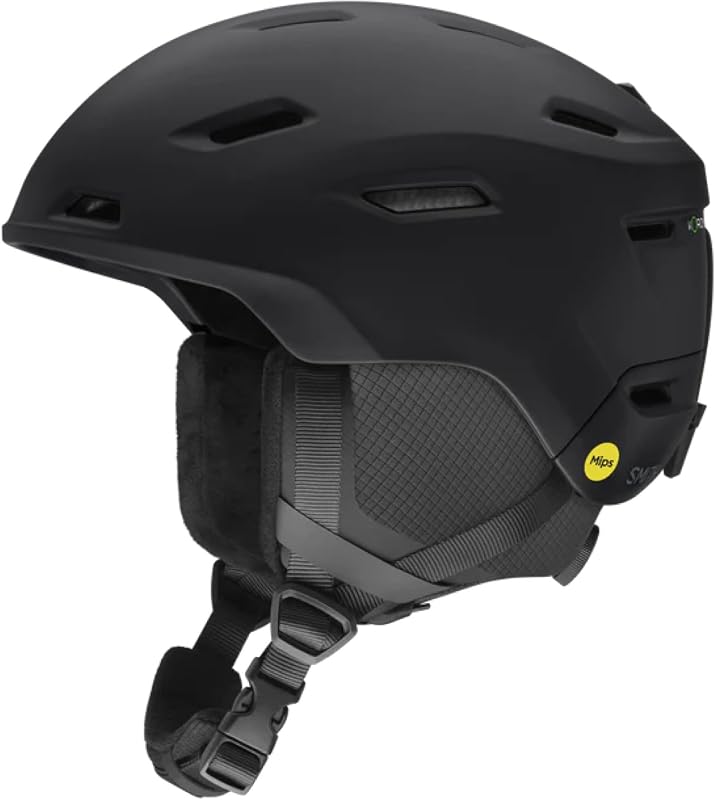 |
Smith Descend MIPS Helmet | Lightweight protection and superior climate control for long backcountry tours. | View on Amazon |
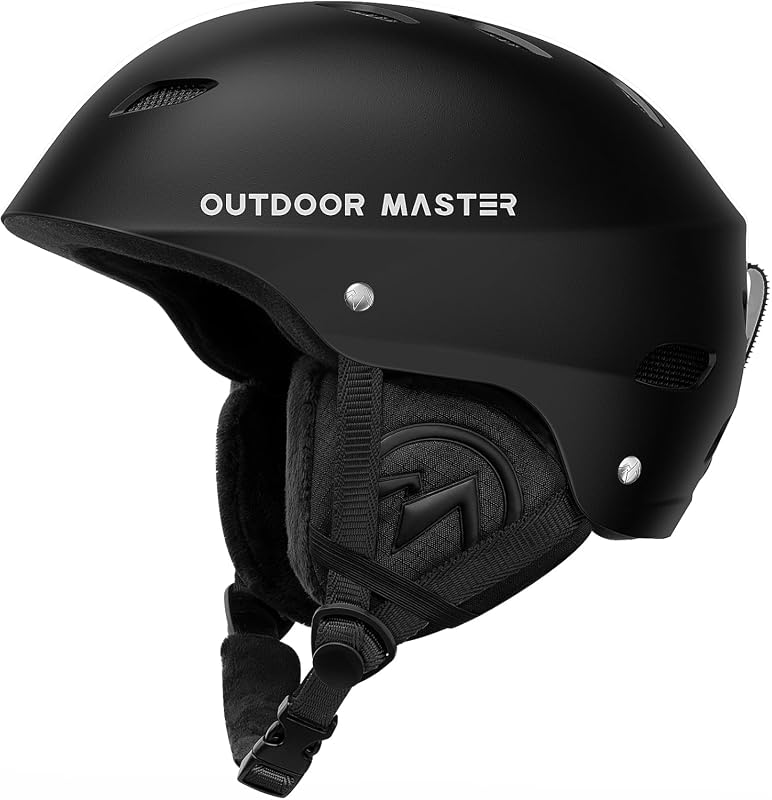 |
OutdoorMaster Kelvin Helmet | All-around comfort and a wide range of colors for recreational skiers. | View on Amazon |
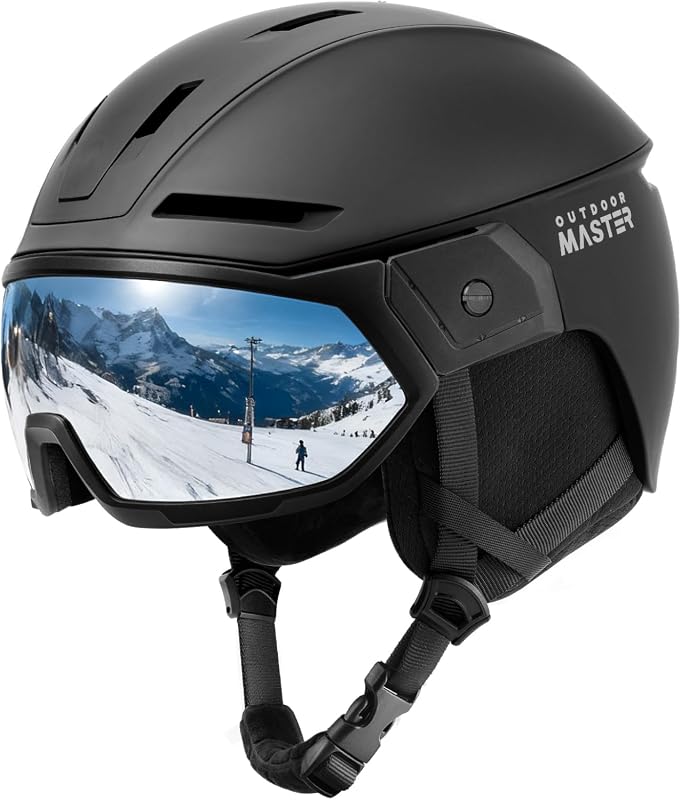 |
OutdoorMaster 2-in-1 Set | Budget-conscious riders needing integrated visor protection. | View on Amazon |
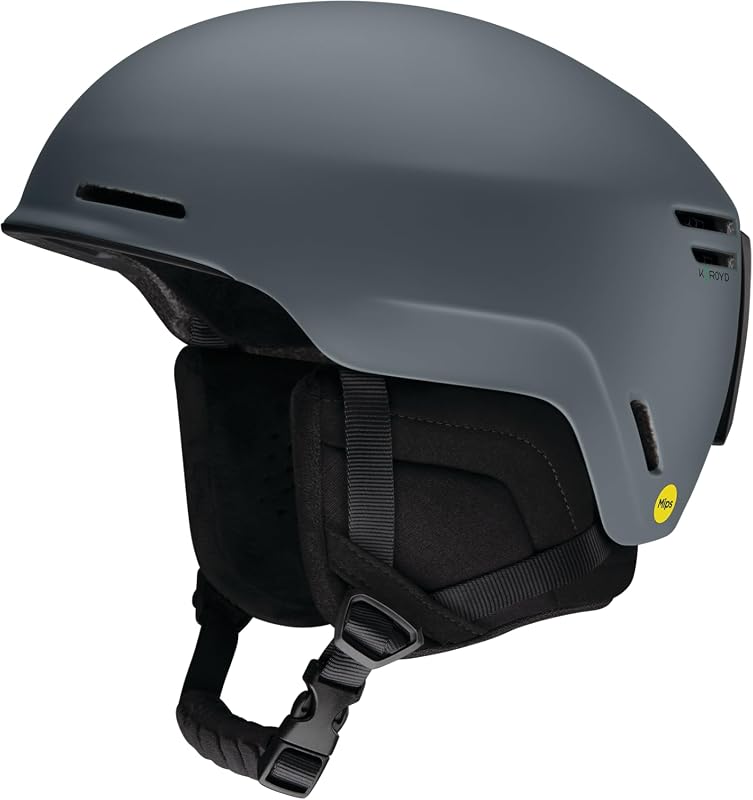 |
Smith Method MIPS Helmet | Modern safety features for park and mountain riding. | View on Amazon |
 |
Giro Ledge MIPS Helmet | Durable, reliable protection with a clean, low-profile aesthetic. | View on Amazon |
Our Top 5 Best Touring Ski Helmets Reviews – Expert Tested & Recommended
1. Smith Descend MIPS Snow Helmet
The Smith Descend is a fantastic choice for those who want a lightweight helmet that doesn’t compromise on safety. It uses Zonal Koroyd coverage to provide excellent impact absorption while keeping the overall profile slim and manageable during long tours.
Key Features That Stand Out
✓ Advanced Zonal Koroyd impact protection for superior safety
✓ Lightweight in-mold construction that reduces neck fatigue
✓ Dual regulator climate control with 16 adjustable vents
✓ AirEvac ventilation system to prevent goggle fogging
Why We Recommend It
This helmet is perfect for backcountry enthusiasts because the ventilation is so easy to manage. When you are sweating during a steep skin, the simple adjustments allow you to dump heat instantly.
Best For
Serious backcountry tourers who prioritize weight savings and cooling systems.
Pros and Cons at a Glance
2. OutdoorMaster Kelvin Ski Helmet
The OutdoorMaster Kelvin is a versatile, comfortable helmet that looks as good as it performs. With a huge variety of color options and a very reliable fit system, it’s a great companion for long days on the mountain.
Key Features That Stand Out
✓ Durable ABS shell combined with a shock-absorbing EPS core
✓ Easy-to-use adjustment dial for a custom fit
✓ Washable ear pads and removable fleece liner for hygiene
✓ Sleek matte finish available in 22 distinct colors
Why We Recommend It
We love the Kelvin for its simplicity and comfort. It doesn’t overcomplicate things, providing a sturdy and reliable shell that fits almost everyone perfectly without the need for constant adjustments.
Best For
Casual skiers and riders who value style, fit, and daily reliability.
Pros and Cons at a Glance
3. OutdoorMaster 2-in-1 Ski Helmet Set
If you’re on a budget, this integrated visor system from OutdoorMaster is hard to beat. It combines a durable helmet with a pre-mounted visor, which saves you the hassle of shopping for separate goggles.
Key Features That Stand Out
✓ Integrated visor system provides seamless field of vision
✓ Impact-absorbing ABS shell and high-density EPS lining
✓ Detachable thermal lining and earmuffs for adaptable warmth
✓ Adjustable chin strap ensures a secure and cozy fit
Why We Recommend It
The integrated design is a huge value win. By combining the helmet and goggles, you eliminate common issues like gaps between the frame and the helmet, keeping you warmer and more focused.
Best For
Budget-minded skiers who want convenience and an all-in-one safety solution.
Pros and Cons at a Glance
4. Smith Method MIPS Helmet
The Smith Method MIPS is built for everything from park laps to mountain charging. It brings professional-level safety and lightweight comfort to a wider range of riders who need protection that lasts.
Key Features That Stand Out
✓ MIPS Safety System for high-level impact protection
✓ ASTM F 2040 and CE EN 1077 Class B certified
✓ AirEvac system ensures integration with goggles
✓ Lightweight design for all-day comfort on the hill
Why We Recommend It
This is a no-nonsense helmet. It does what it says on the tin—protects you effectively—while integrating seamlessly with your gear, so you never have to worry about cold drafts or foggy lenses.
Best For
Riders who need a durable, certified helmet for a mix of park and resort riding.
Pros and Cons at a Glance
5. Giro Ledge MIPS Helmet
The Giro Ledge MIPS offers a classic, rugged design. It is built for those who like a minimalist look but still want the peace of mind that comes with modern rotational impact protection.
Key Features That Stand Out
✓ MIPS protection system for advanced impact safety
✓ Auto Loc 2 fit system provides a self-adjusting fit
✓ Stack Vent design keeps goggles clear of fog
✓ Hard shell construction for lasting, durable performance
Why We Recommend It
Giro always nails the fit, and the Ledge is no exception. Its stack vent is surprisingly effective at keeping moisture away, making it a reliable pick for long, variable days on the mountain.
Best For
Riders seeking a low-profile, clean-looking helmet with high safety ratings.
Pros and Cons at a Glance
Complete Buying Guide for Touring Ski Helmets
Essential Factors We Consider
When picking out the best touring ski helmets, safety certifications like MIPS are non-negotiable. Beyond protection, you want to look at weight, ventilation control, and how well the helmet integrates with your goggles to prevent fogging.
Budget Planning
You can find great protection at various price points. While premium helmets offer more advanced cooling systems and weight savings, budget options often provide excellent safety ratings and solid durability. Determine if you need specialized touring features like ultra-lightweight materials or if a standard durable model will suit your needs.
Final Thoughts
Your helmet is the most important piece of safety gear you own. Take your time to measure your head correctly, check for compatibility with your existing goggles, and choose a helmet that makes you feel confident on the mountain.
Frequently Asked Questions
Q: Do I really need a MIPS helmet for touring?
A: MIPS provides an extra layer of protection against rotational impacts, which are common in mountain sports. It is highly recommended for all riders, regardless of whether you are in the park or the backcountry.
Q: How often should I replace my ski helmet?
A: You should replace your helmet after any significant impact. Even without a crash, experts suggest replacing them every 3 to 5 years as the protective foam degrades over time.
Q: How do I know if my helmet fits correctly?
A: Your helmet should sit level on your head, not tilted back. It should feel snug and secure without creating pressure points, and it should not move when you shake your head.

Olivia
Writer at Helmet Today, covering helmet reviews, fit and riding safety.