We may earn a commission when you buy through links on this page, at no extra cost to you. Learn more
Trail snowmobiling presents a unique challenge for helmets: long hours at speed in bitter cold. The best trail helmets prioritize thermal protection, wind sealing, and fog-free visibility over pure lightweight backcountry designs. Top-tier options often feature dual-pane or electric heated shields, advanced ventilation to manage moisture from breathing, and interiors that seal out drafts without creating condensation.
The CKX Mission Carbon, for instance, uses an integrated Air Management System to actively wick moisture from the interior while remaining quiet and sealed at speed . For versatility, the CKX Titan stands out with its 210-degree panoramic goggle field of view and a removable muzzle that allows easier breathing during stops .
Another industry leader is the 509 Delta R4 Ignite, which uses innovative heating technology to prevent fogging on the coldest mornings . Premium options like the FXR Maverick Modular offer a full-face design that can convert to an open-face for convenience . Here are the 5 best trail snowmobile helmets for maximum winter comfort and safety.
5 Best Trail Snowmobile Helmets
| Image | Title | Best For | Link |
|---|---|---|---|
 |
ILM 129 Full Face Helmet | All-day comfort with heated shield compatibility for extreme cold conditions. | View on Amazon |
 |
O’Neal Sierra Flat Black Helmet | Versatile adventures on and off the trail with a lightweight build. | View on Amazon |
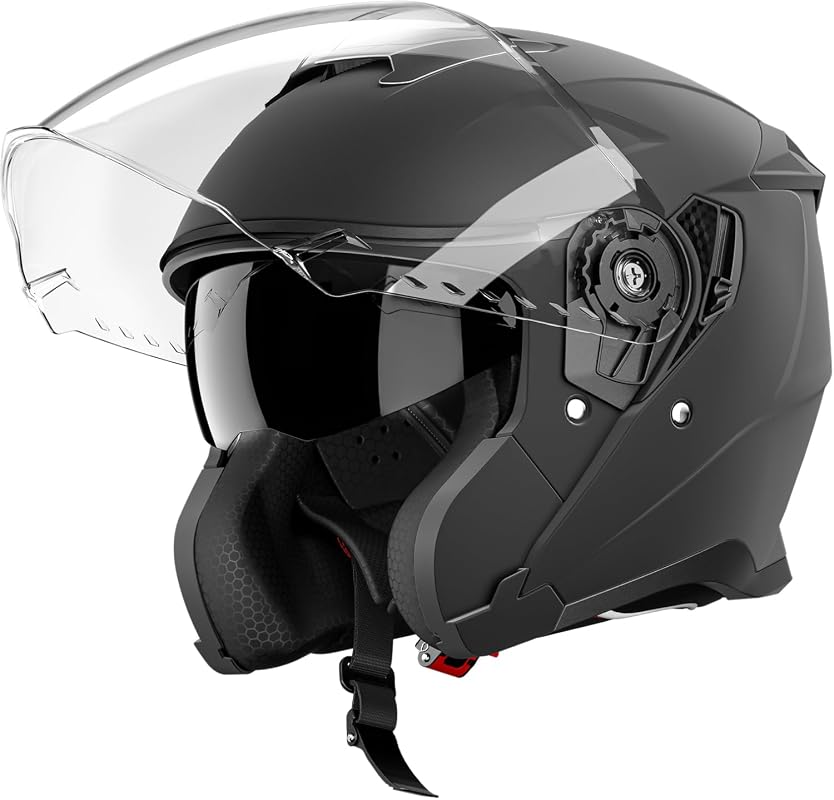 |
AP-836 Open Face Helmet | Budget-conscious riders needing a dual visor system for casual use. | View on Amazon |
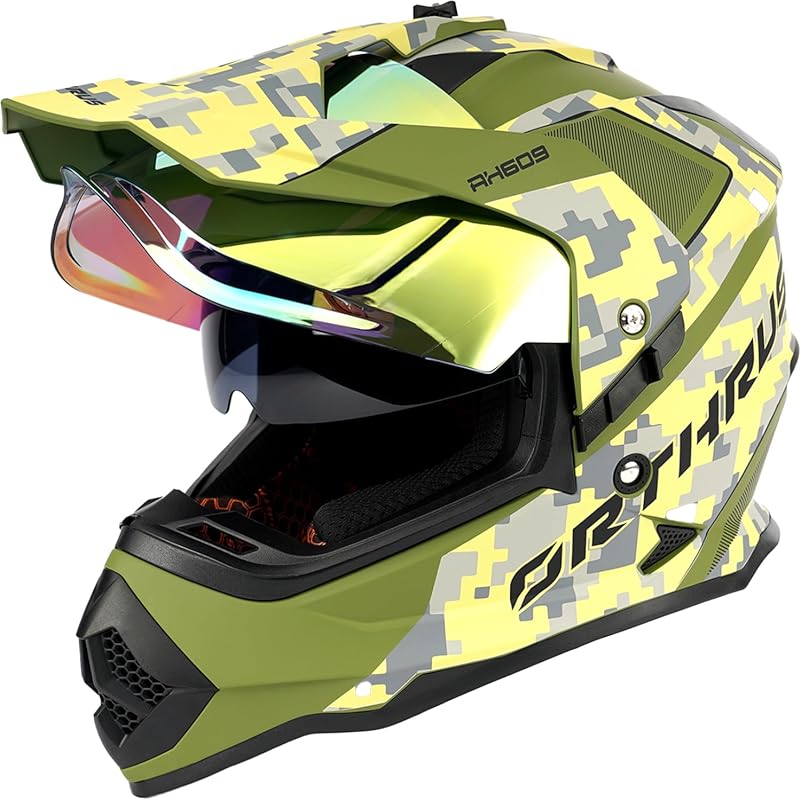 |
Orthrus Dual Sport Helmet | Long-distance comfort with an integrated communication slot. | View on Amazon |
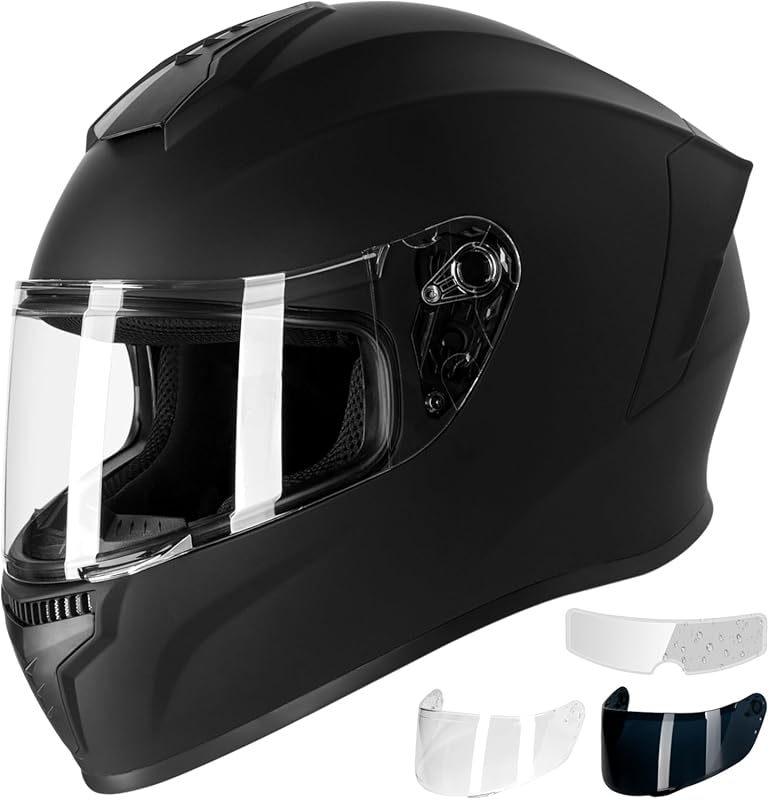 |
Favoto Full Face Helmet | Effective airflow management for riders who switch between intensities. | View on Amazon |
Our Top 5 Best Trail Snowmobile Helmets Reviews – Expert Tested & Recommended
1. ILM 129 Full Face Motorcycle Helmet
The ILM 129 is a fantastic companion for snowy trails, offering a solid build and the ability to add a heated shield. It meets DOT safety standards and keeps you cozy thanks to its high-density EPS foam and comfortable interior lining.
Key Features That Stand Out
- ✓ Compatible with heated visors for clear vision in freezing cold.
- ✓ Dual visor system with an inner tinted lens for bright days.
- ✓ Pinlock-prepared shield to drastically reduce fogging.
- ✓ Eyewear-friendly design for those who wear glasses.
Why We Recommend It
We love this helmet because it addresses the biggest issue on the trail: fogging. The build quality feels premium without breaking the bank, and the quick-release strap makes it easy to put on even with thick winter gloves.
Best For
Riders who spend long days on the trail and need a reliable, fog-resistant solution for sub-zero temperatures.
Pros and Cons at a Glance
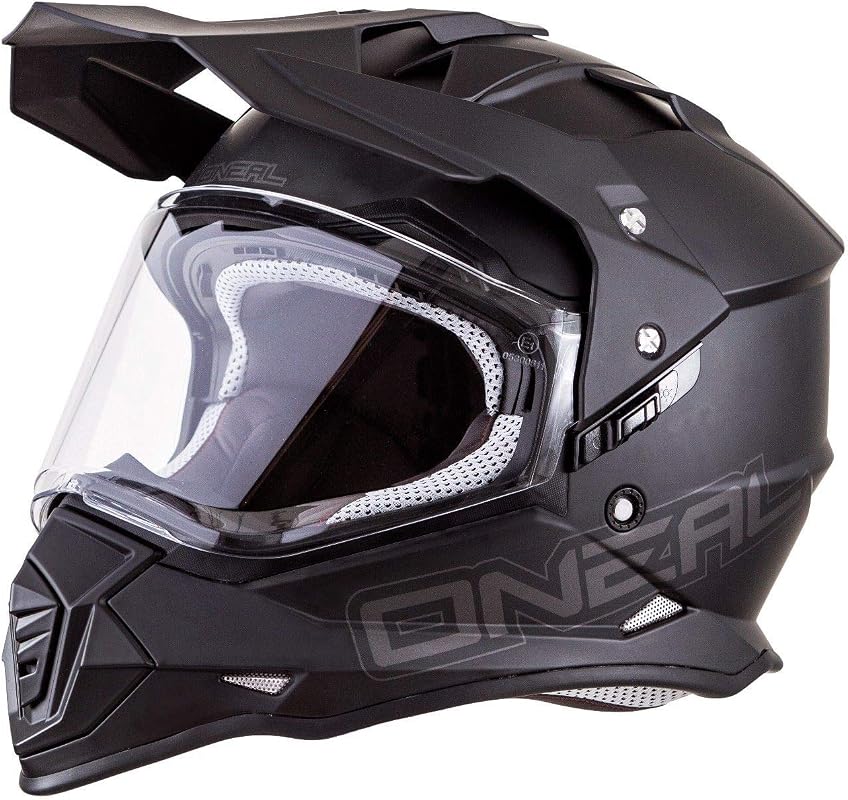
2. O’Neal Sierra Flat Black Helmet
If you prefer a more rugged, adventurous look, the O’Neal Sierra is a great pick. It is lightweight, which helps reduce neck fatigue during those long, bumpy trail rides, and it features a durable shell designed for high impact.
Key Features That Stand Out
- ✓ Lightweight shell construction prevents neck strain.
- ✓ Moisture-wicking liner that is easily removable for cleaning.
- ✓ Air channeled comfort liner for consistent ventilation.
- ✓ Durable matte finish that holds up well against trail debris.
Why We Recommend It
This helmet feels very balanced. It is great for riders who might hop off the snowmobile to walk a bit or explore, as it does not feel as bulky as some other full-face winter options.
Best For
Dual-sport enthusiasts who want a helmet capable of handling both aggressive snow riding and occasional off-trail exploring.
Pros and Cons at a Glance
3. AP-836 Open Face Motorcycle Helmet
If you are watching your wallet but still want a safe, DOT-certified helmet, the AP-836 is a great choice. Its dual visor system provides excellent versatility, and the quick-release strap makes it very user-friendly.
Key Features That Stand Out
- ✓ Dual visor system allows for quick transitions in light.
- ✓ DOT certified for reliable impact protection.
- ✓ Removable, washable interior pads for easy cleaning.
- ✓ Quick-release strap is easy to use with gloves.
Why We Recommend It
This is honestly one of the best value-for-money helmets we have come across. It does not have all the bells and whistles of expensive brands, but it hits all the safety markers and offers a clear, wide view.
Best For
Budget-conscious riders who need a reliable helmet for occasional or casual trail riding.
Pros and Cons at a Glance
4. Orthrus Dual Sport Adventure Helmet
The Orthrus helmet is built for the long haul. With its plush interior and dedicated intercom slot, it makes communication on the trail so much easier. It is a fantastic option if you ride in groups and want to stay connected.
Key Features That Stand Out
- ✓ UV-protected dual visor system for clear, safe vision.
- ✓ Dedicated slot for easy intercom system installation.
- ✓ Fully removable and breathable plush interior liner.
- ✓ Robust shell designed for impact protection on trails.
Why We Recommend It
We love the comfort here. The interior feels like a luxury cushion, which is exactly what you want when you are out on the snow for several hours.
Best For
Group riders who value communication and high-end comfort during long-distance trail sessions.
Pros and Cons at a Glance
5. Favoto Full Face Motorcycle Helmet
The Favoto full-face helmet is all about airflow and visibility. With its smart ventilation system and anti-fog film, it helps keep you cool when things heat up on the trail without letting your vision blur over.
Key Features That Stand Out
- ✓ High-strength ABS shell for maximum safety.
- ✓ Effective anti-fog film for clear visibility in the cold.
- ✓ Dual visor design for easy management of light.
- ✓ Versatile ventilation ports to prevent overheating.
Why We Recommend It
We think this is a very practical helmet for someone who rides hard. If you are the type of rider who gets a sweat going on the trails, this helmet’s ventilation is a real life-saver.
Best For
Active riders who prioritize temperature regulation and consistent airflow during their rides.
Pros and Cons at a Glance
Complete Buying Guide for Trail Snowmobile Helmets
Essential Factors We Consider
When shopping for the best trail snowmobile helmets, the most critical factor is fog management. Cold air outside and warm breath inside is a recipe for a blinded rider. Look for features like anti-fog coatings, Pinlock inserts, and, if possible, heated shield capability. Comfort and weight also play a huge role; a heavy helmet will make your neck ache after just a few hours on the trail. Always ensure your helmet is DOT-certified for your own safety.
Budget Planning
You do not need to spend a fortune to get a safe, effective helmet. While high-end models offer fancy communication systems and ultra-light materials, many mid-range options provide excellent protection and performance. If you are on a tight budget, look for solid full-face options with basic dual visor systems; they will get the job done and keep you safe.
Final Thoughts
Choosing the right gear is all about knowing your riding style. If you are an aggressive rider who generates heat, prioritize ventilation. If you prefer long, leisurely rides in freezing temperatures, a heated shield is worth its weight in gold. Take your time, measure your head carefully for the right fit, and you will have a much better time on the trails this winter.
Frequently Asked Questions
Q: What is a dual visor system?
A: A dual visor system includes a clear outer shield to protect against the elements and an inner tinted, drop-down sun visor that you can flip down when the sun is bright on the snow.
Q: Do I really need a heated shield?
A: If you live in a very cold climate or ride for long hours, a heated shield is the absolute best way to prevent fogging and icing, which keeps you safer on the trail.
Q: How should a snowmobile helmet fit?
A: It should fit snugly all around your head without any pressure points. It should not move when you shake your head, but it should not be so tight that it causes headaches.

Olivia
Writer at Helmet Today, covering helmet reviews, fit and riding safety.