We may earn a commission when you buy through links on this page, at no extra cost to you. Learn more
Triathlon aero helmets save you crucial minutes on the bike leg. These helmets fall into two categories: full time-trial teardrops and versatile aero road lids. Dedicated TT helmets are long proven to be the fastest in the wind tunnel, but this comes at the cost of limited ventilation and a heavier build.
For most age-group racers, an aero road helmet provides the best overall performance. These helmets offer significant aerodynamic gains over a standard road helmet without the extreme weight and ventilation compromises of a pure TT design.
Aero road models have narrowed the time gap to dedicated TT helmets to just 25-32 seconds over a 40km bike leg in some tests, offering far greater practicality for fueling, climbing, and cornering . The right choice depends on your specific course, head position, and the need to balance speed with comfort over long distances. Here are the 5 best triathlon aero helmets to supercharge your race day.
5 Best Triathlon Aero Helmets
| Image | Title | Best For | Link |
|---|---|---|---|
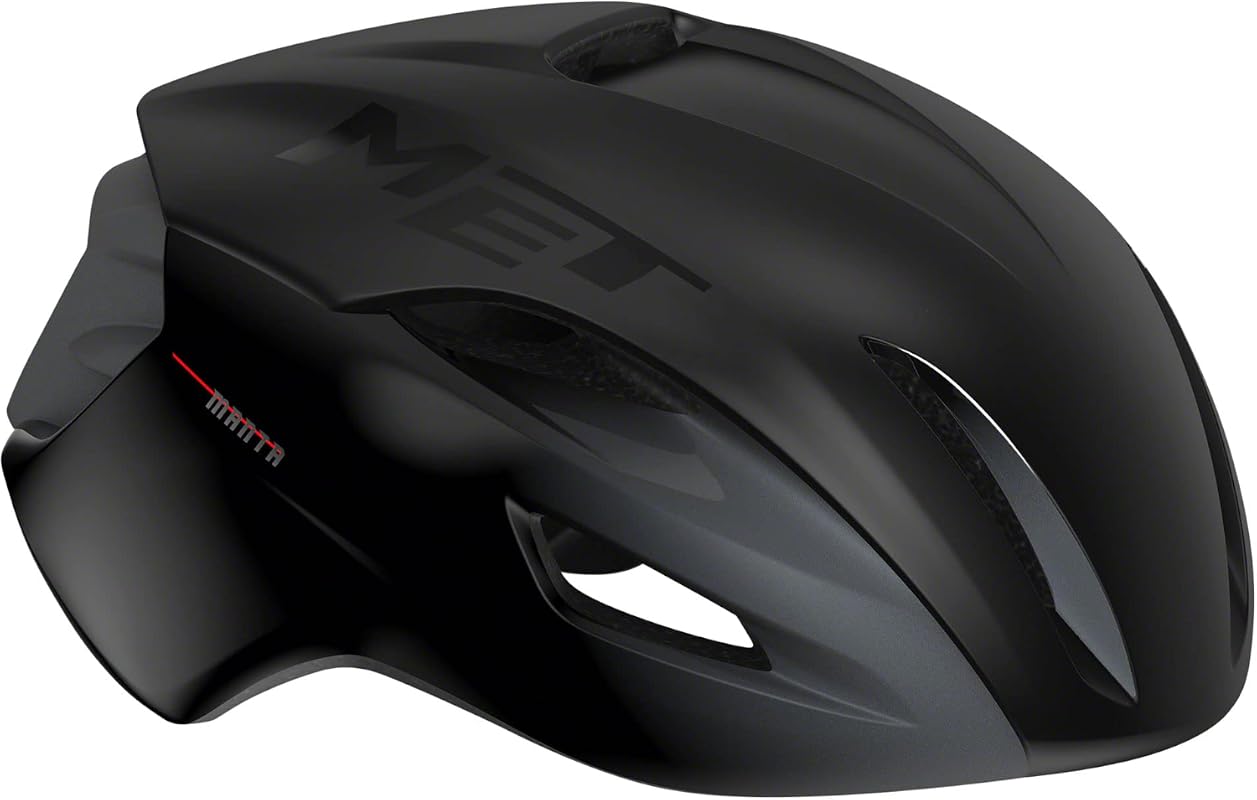 |
MET Manta MIPS Aero Helmet | All-around performance and ventilation | View on Amazon |
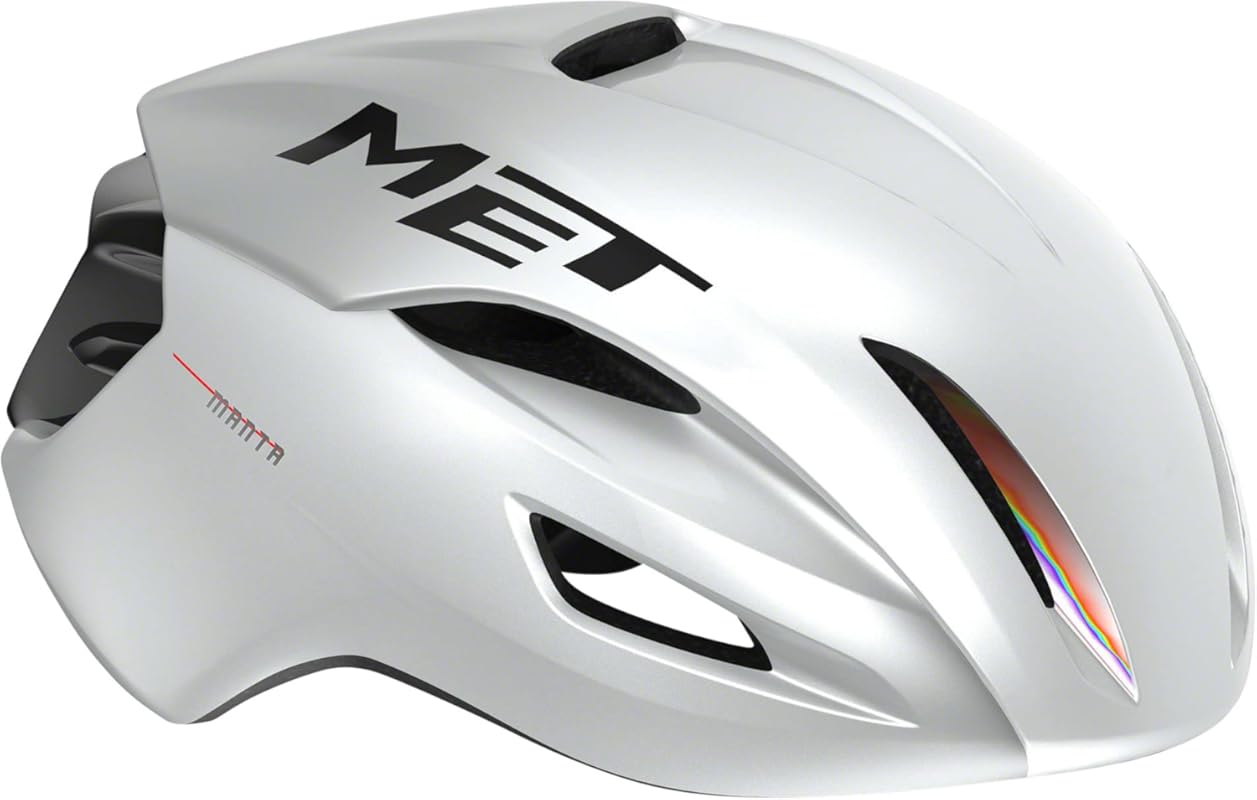 |
MET Manta MIPS Aero Helmet | Triathletes wanting speed and airflow | View on Amazon |
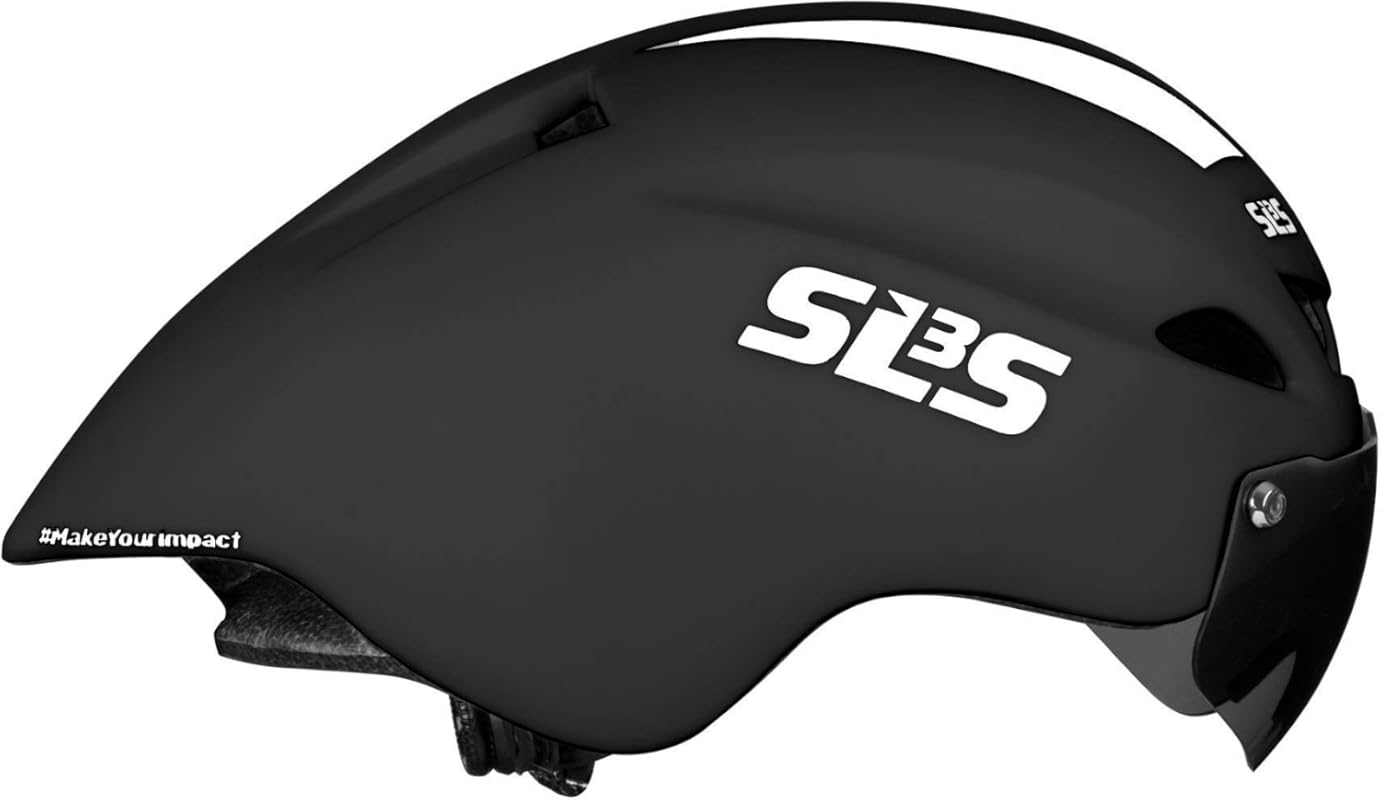 |
SLS3 Triathlon Aero Helmet | Budget-conscious triathletes | View on Amazon |
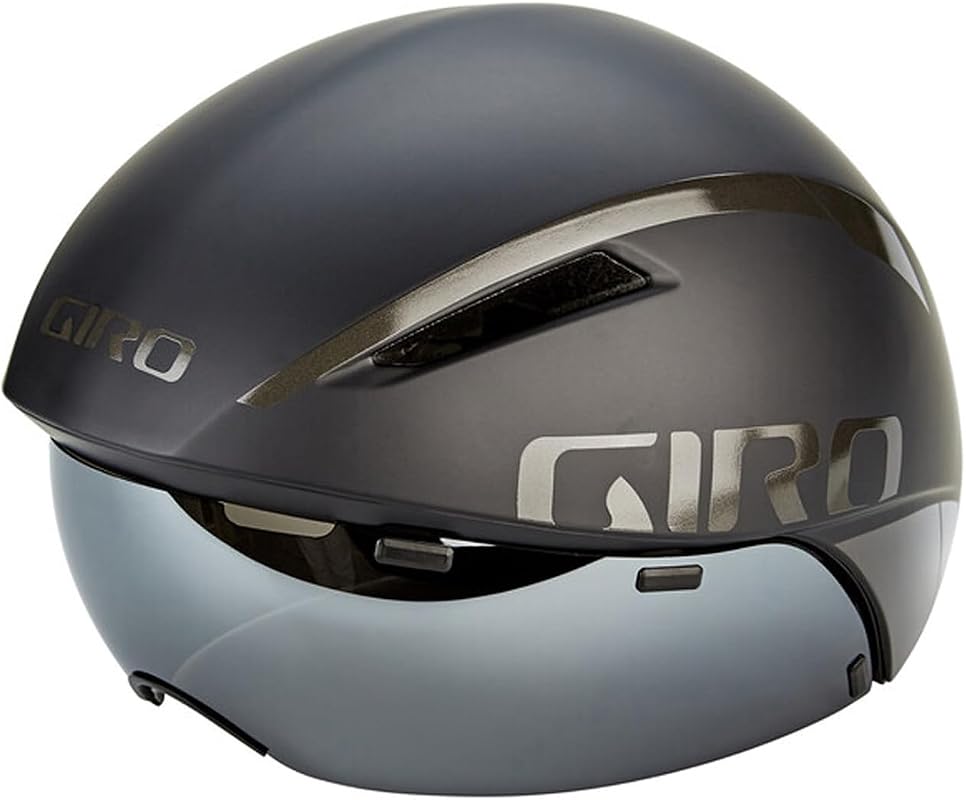 |
Giro Aerohead MIPS Helmet | Professional time trial performance | View on Amazon |
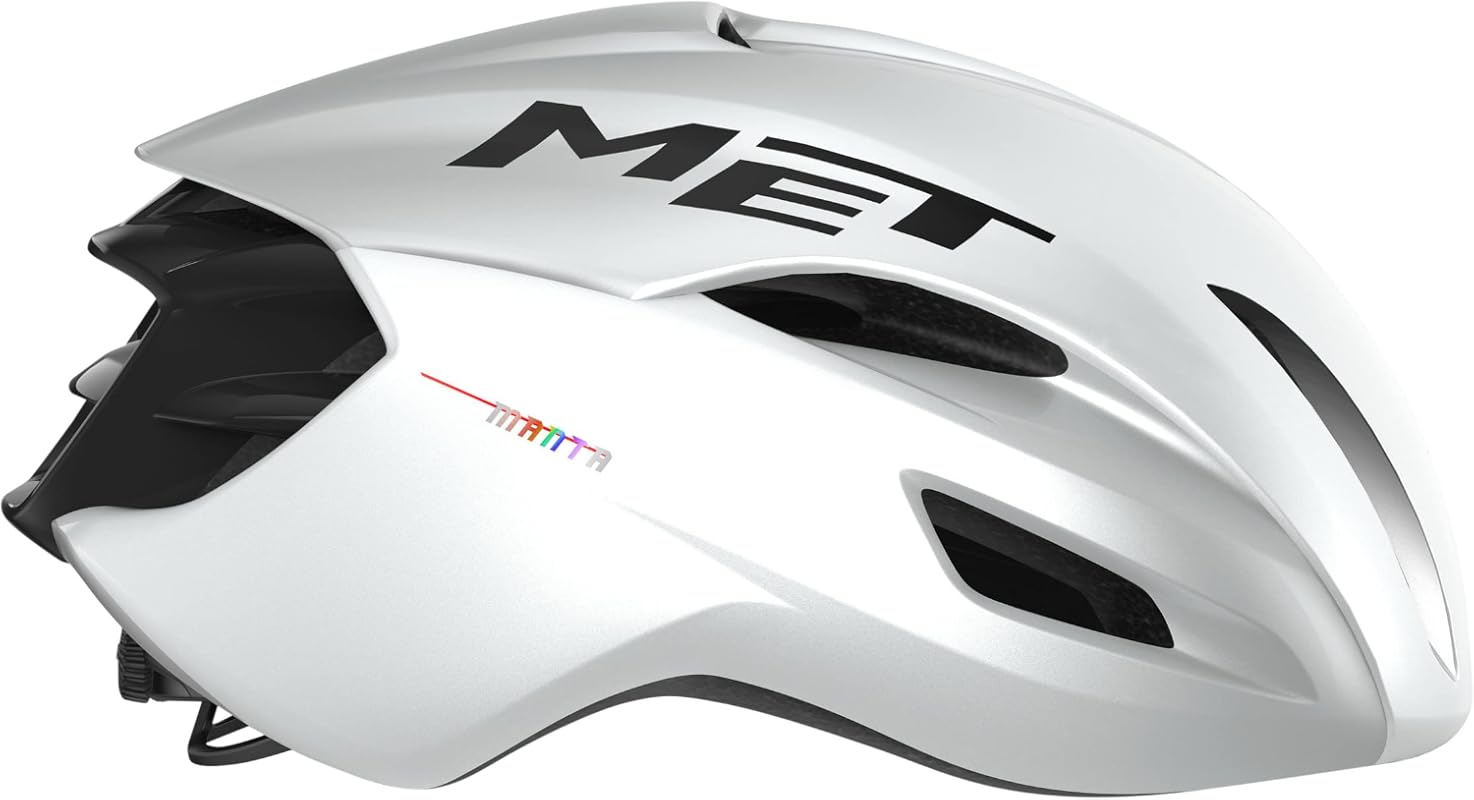 |
MET Manta MIPS Aero Helmet | Long-distance comfort and style | View on Amazon |
Our Top 5 Best Triathlon Aero Helmets Reviews – Expert Tested & Recommended
1. MET Manta MIPS Aero Road Bike Helmet
The MET Manta MIPS is a fantastic choice for those who want professional-grade aerodynamics without sacrificing ventilation. It is lightweight, stylish, and incredibly comfortable for long training sessions.
Key Features That Stand Out
- ✓ MIPS brain protection system for added safety
- ✓ 15 vents with internal air channeling
- ✓ Integrated sunglasses port for convenience
- ✓ 360-degree head belt for custom fit
Why We Recommend It
We love this helmet because it bridges the gap between a pure race helmet and a daily trainer. The aerodynamics are clearly noticeable, but the internal airflow keeps your head cool even during intense summer rides.
Best For
Triathletes who want one helmet that performs at the highest level in both training and race day scenarios.
Pros and Cons at a Glance
2. MET Manta MIPS Aero Road Helmet
The MET Manta MIPS offers a sleek, streamlined aesthetic that makes it a top choice for serious cyclists. It handles wind resistance with ease while providing top-tier ventilation for hot days.
Key Features That Stand Out
- ✓ Advanced NACA inlet for cooling
- ✓ Tube-shaped tail to improve drag
- ✓ Comfortable 360-degree fit system
- ✓ Professional-grade finish
Why We Recommend It
This is arguably the best-looking aero helmet currently on the market. Beyond the looks, the engineering behind its airflow management makes it feel fast and light even after several hours on the bike.
Best For
Athletes looking for a blend of style, comfort, and actual speed gains during their bike segments.
Pros and Cons at a Glance
3. SLS3 Triathlon Aero Bike Helmet
The SLS3 Aero Helmet is the perfect entry point for those getting into triathlons who don’t want to break the bank. It comes with a magnetic visor and provides solid aerodynamic protection.
Key Features That Stand Out
- ✓ Magnetic shield visor included
- ✓ Lightweight time trial design
- ✓ 8 efficient vents for airflow
- ✓ Easy to adjust sizing
Why We Recommend It
If you’re a budget-conscious athlete, the value here is unbeatable. Having an integrated visor at this price point is a huge win, especially for races where you want full eye protection without extra weight.
Best For
Beginner triathletes looking for their first dedicated aero helmet without spending a fortune.
Pros and Cons at a Glance
4. Giro Aerohead MIPS Lightweight Helmet
The Giro Aerohead is the gold standard for many professional triathletes. Its shape is specifically designed to minimize drag while offering high-end impact protection.
Key Features That Stand Out
- ✓ Advanced MIPS integration for safety
- ✓ Super fit engineering for a sleek profile
- ✓ Excellent coverage for wind resistance
- ✓ Industry-leading aerodynamic testing
Why We Recommend It
When seconds matter, this helmet delivers. It feels stable on the head and provides a massive field of view while ensuring your aerodynamic profile is as tight as possible.
Best For
Competitive triathletes aiming for the top of the podium who need professional-grade equipment.
Pros and Cons at a Glance
5. MET Manta MIPS Aero Helmet
Another iteration of the reliable MET Manta MIPS, this helmet offers consistent performance, great safety features, and a comfortable design for endurance athletes.
Key Features That Stand Out
- ✓ Advanced airflow management
- ✓ Integrated safety systems
- ✓ Lightweight for reduced fatigue
- ✓ Durable shell construction
Why We Recommend It
Reliability is everything during an endurance race. This helmet provides a consistent, high-performing ride with enough comfort to make you forget you’re wearing it.
Best For
Triathletes who value a proven, reliable piece of equipment for long-distance events.
Pros and Cons at a Glance
Complete Buying Guide for Triathlon Aero Helmets
Essential Factors We Consider
When choosing the best triathlon aero helmets, start by looking at your bike fit and riding position. If you have an aggressive tuck, a longer tail helmet might be faster. For those who move their heads around a lot, a shorter “road-aero” hybrid is often better. Always check for MIPS or similar rotational protection systems, as safety should never be compromised for speed.
Budget Planning
You don’t need the most expensive carbon-fiber helmet to get a speed boost. Many mid-range helmets offer nearly identical aerodynamic benefits. Set a budget that accounts for both the helmet and the cost of replacing the visor if necessary. Remember that a properly fitted cheaper helmet is often faster than an expensive one that does not sit correctly on your head.
Final Thoughts
At the end of the day, the best helmet is the one that fits your head shape well and stays comfortable for the duration of your race. We suggest trying on different models before purchasing if possible. Focus on ventilation and visibility as much as raw aerodynamic data to ensure you arrive at T2 feeling fresh and ready to run.
Frequently Asked Questions
Q: Do aero helmets really make a difference?
A: Absolutely! At speeds over 20 mph, aerodynamic drag becomes the greatest force you have to overcome. A good aero helmet can save you several minutes over an Ironman bike course compared to a standard road helmet.
Q: Are aero helmets hot to wear?
A: While they traditionally trapped more heat, modern aero helmets like the ones on our list have excellent internal channeling to pull cool air through the helmet, preventing overheating.
Q: How should an aero helmet fit?
A: It should fit snugly without pressure points. Because aero helmets are designed to keep air from getting under the shell, a secure fit is more important than with a standard bike helmet.

Olivia
Writer at Helmet Today, covering helmet reviews, fit and riding safety.