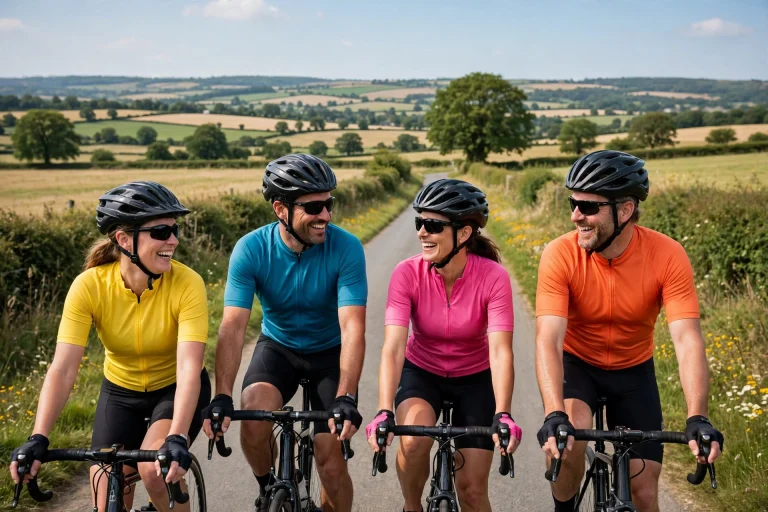
A bike helmet for riding in a gran fondo is a comfortable, well-ventilated road helmet that fits well for many hours, protects you on long climbs and fast descents, and stays comfortable in changing weather. A gran fondo is a long, organised mass-participation ride, often over a challenging course with timed climbs, where riders of many abilities ride together. It is not a race in the usual sense, but it is a serious test of endurance, and your helmet has to work for the whole day, not just the first hour.
Gran fondos can last five hours or more, and the course may include long climbs, fast descents, busy feed stations, and changing weather. A helmet that feels fine for a short ride can become a problem over that distance: a pressure point becomes a headache, poor ventilation leaves you overheated on a climb, and a slipping helmet distracts you on a descent. Choose for all-day comfort first.
What is a gran fondo?
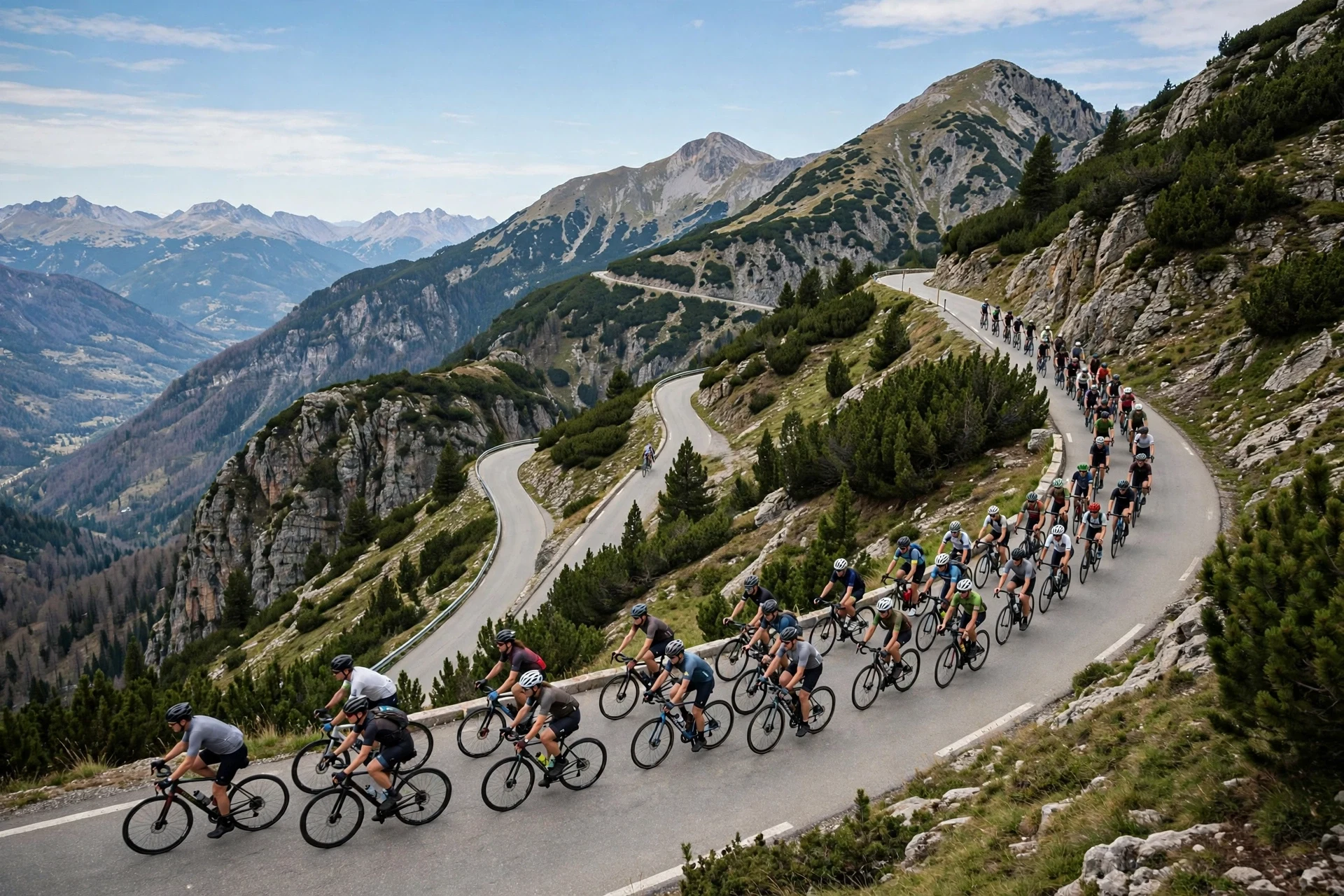
A gran fondo is a long-distance, mass-participation cycling event, usually held on open or partly closed roads, with a set route that riders complete at their own pace. The name comes from Italian, meaning a big ride, and the format began in Italy before spreading around the world. Many gran fondos include timed sections, often on climbs, so riders can compare their times without the event being a full race.
Courses vary, but they are often hilly and demanding, with distances that can run well over a hundred kilometres. Riders start in groups, ride together in bunches, and stop at feed stations for food, water, and rest. The atmosphere is usually friendly and social, with riders of many ages and abilities sharing the road.
Why does all-day comfort matter most?
All-day comfort matters because a gran fondo is a long ride, and small discomforts grow over hours. A helmet that presses on your forehead, squeezes your temples, or rubs behind your ears will feel much worse by the fourth hour than it did in the first. Try the helmet on for a long ride before the event, not just for a short spin around the block.
Weight is part of comfort too. A lighter helmet puts less strain on your neck on long climbs, when you are looking up the road for hours. A well-balanced helmet that sits evenly on your head will feel lighter than a heavier one that pulls forward. The difference is small on paper, but it adds up over a long day.
Padding also matters. Good padding wicks sweat, stays soft when wet, and does not go flat after a few hours. Check the pads before the event, and replace them if they are worn or compressed. A fresh set of pads can make an old helmet feel new again, and it is a cheap fix before a big ride.
How much ventilation do you need for long climbs?
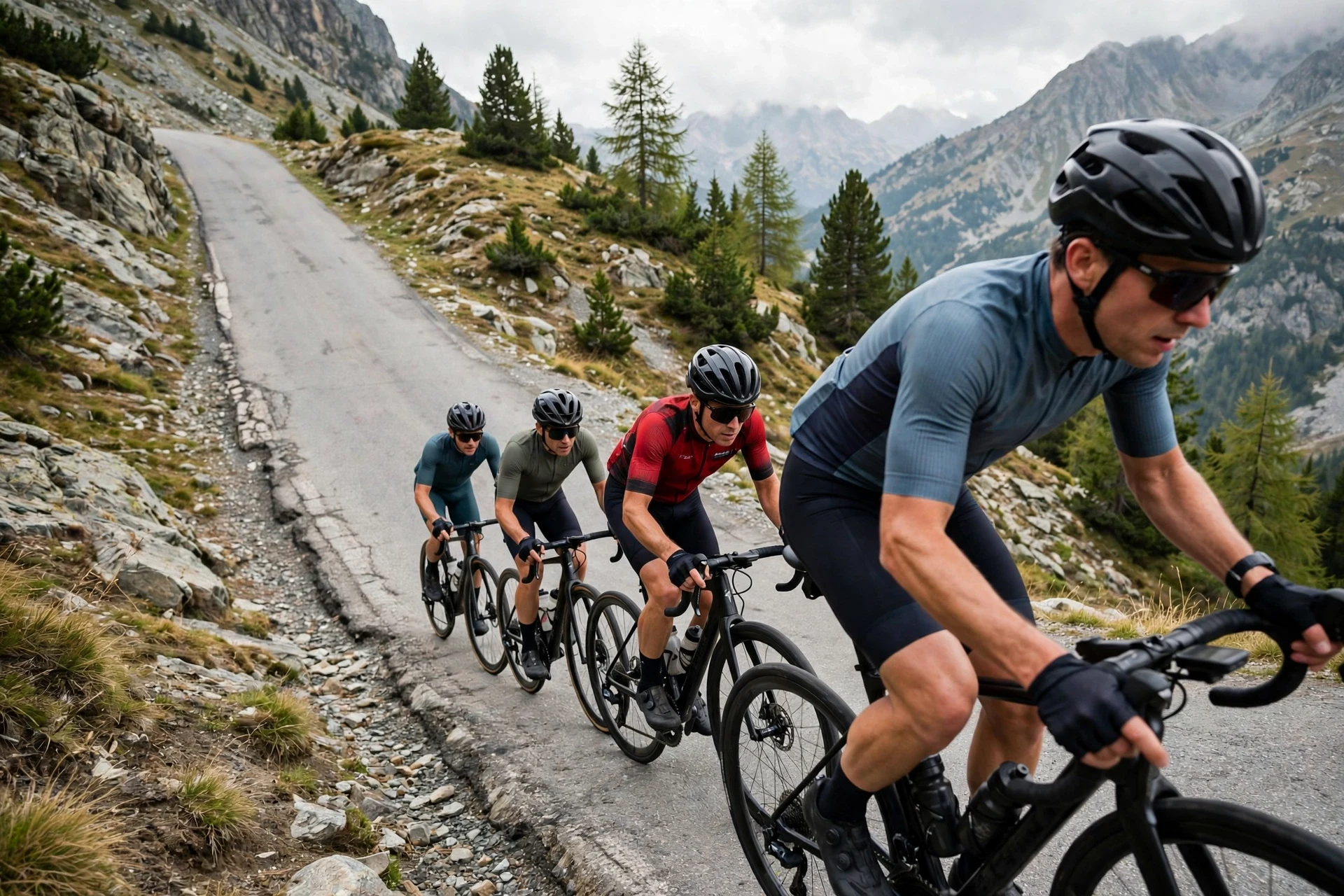
Long climbs are slow, hot work, and you need a helmet that moves air even at low speed. Large front vents and clear channels through the helmet help air flow over your head when you are climbing at walking pace in the sun. A helmet with good ventilation will keep sweat out of your eyes and keep you cooler on the climb, which helps you ride better.
On descents, the same vents let cool air in, which is welcome after a hot climb. But a helmet that is too open can be cold and noisy on a long, fast descent in cool weather. Look for a helmet with a good balance: plenty of vents, but with a shape that does not whistle or roar at speed. A thin cap under the helmet can help on a cold descent, and you can take it off for the next climb.
What about descents, heat, and changing weather?
Gran fondo courses often climb high and descend fast, so the weather can change during the ride. A helmet that works in warm sun at the start may need to cope with wind and rain at the top of a climb. A light rain jacket, arm warmers, and a thin cap under the helmet will help you stay comfortable without changing helmets mid-ride.
On fast descents, your helmet must stay stable and give you a clear view. Check that it sits level and does not slip forward when you are in a low position on the drops. A helmet that moves on a descent is distracting and tiring, and it can block your view of the road ahead at speed.
How should you prepare your helmet before a gran fondo?
Prepare your helmet the week before the event, not the night before. Clean the shell and straps, wash the pads, and check the retention dial and straps for wear. Make sure the helmet still fits well with the cap, glasses, and headband you plan to wear on the day. If anything feels wrong, you still have time to fix it or replace a part.
Do a long training ride in the helmet you will wear, with the same kit, on a similar course if you can. If your helmet has a MIPS liner, make sure it is fitted correctly and moves as it should. That ride will tell you more about the helmet than any review. If you get a headache, hot spots, or sweat in your eyes, adjust the fit, change the pads, or try a different cap before the event.
What should you pack for helmet comfort on the day?
Pack a spare set of pads or a thin cap, a soft cloth for your glasses, and a little sunscreen for the back of your neck and ears. Sunscreen matters on a long ride, because the vents in your helmet let sun through to your scalp, and the back of your neck is exposed for hours. Apply sunscreen before you put the helmet on, and reapply at feed stations.
Pack a small bag for the feed stations, so you can take the helmet off and let it air out while you eat and drink. Do not leave the helmet in direct sun on hot tarmac while you rest, because it will be hot and uncomfortable when you put it back on. Hang it on your handlebars in the shade if you can.
Do I need a special helmet for a gran fondo?
No, a good road helmet that fits well and ventilates well is ideal for a gran fondo. You do not need a special helmet, just one that stays comfortable for many hours on climbs, descents, and flat roads.
Is an aero helmet a good choice for a gran fondo?
In general terms, an aero road helmet can work, but a well-ventilated road helmet is usually more comfortable over a long, hilly day. The aero gain is small compared with the comfort of good airflow on a long climb in the sun.
How can I stop sweat running into my eyes on a long climb?
Use a sweat-wicking front pad, a thin headband, or a cycling cap under your helmet, and keep the pads clean. A cap also keeps the sun off your head through the vents, which helps on a bright day.

Olivia
Writer at Helmet Today, covering helmet reviews, fit and riding safety.