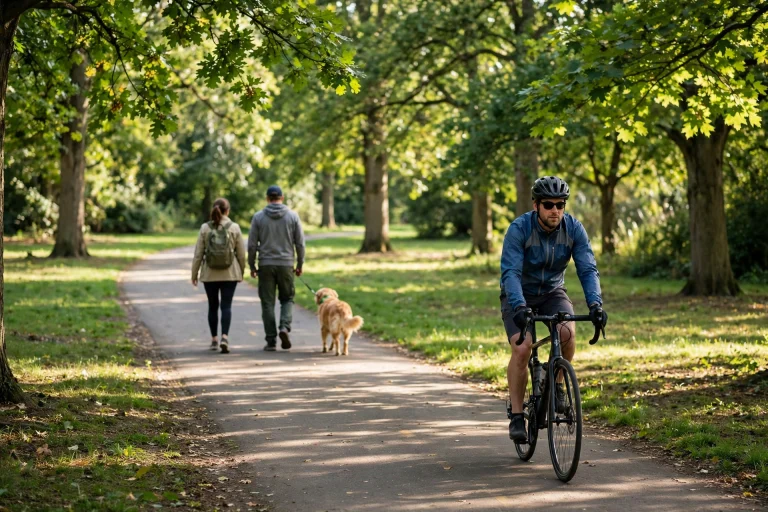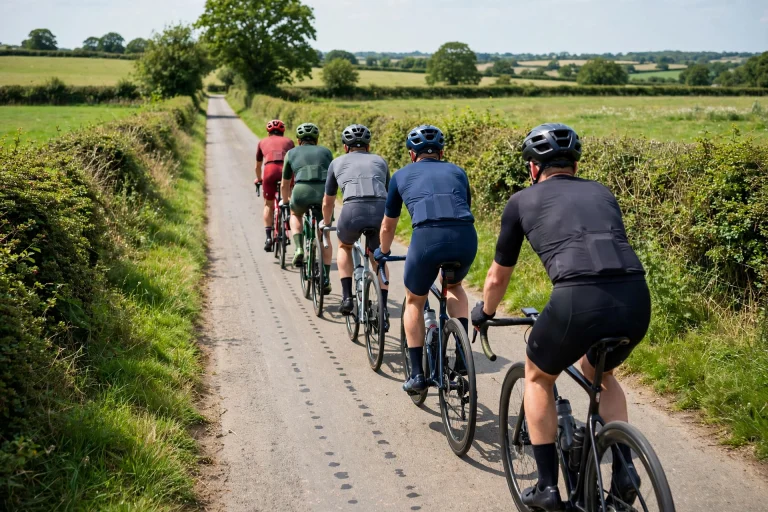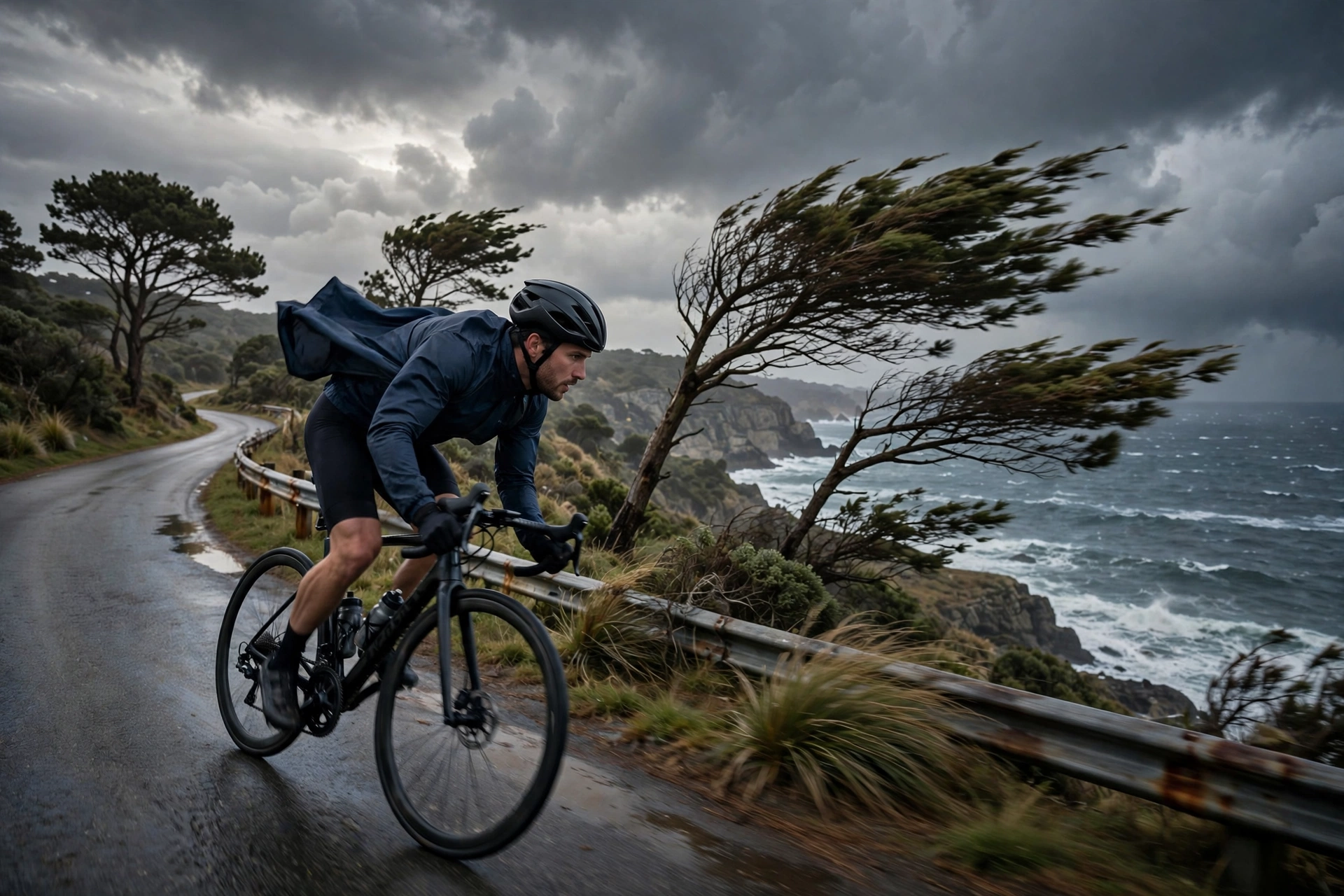
For riding in strong winds, choose a well-fitting helmet that stays secure and does not catch the wind — in general terms, a snug-fitting road helmet with a low profile and no large peak is the best choice, because it reduces drag and stops gusts from tugging your head around. Wind does not make a helmet less protective, but it changes how your helmet feels: a loose helmet gets buffeted, a helmet with a big peak acts like a sail, and a sudden gust can surprise you at exactly the wrong moment. The right helmet stays put and lets you focus on the road.
Strong wind is one of the most tiring conditions a cyclist can face. It pushes you sideways, steals your speed on a headwind, and shoves you forward on a tailwind. It makes noise, dries your eyes, and demands constant small corrections to your steering. Your helmet is right in the middle of it, and a helmet that catches the wind or wobbles in a gust adds to the work your neck and shoulders are already doing. This guide explains, in general terms, how to choose and use a helmet for windy riding, and how to stay safe when the wind picks up.
How Does Wind Affect Your Helmet?
Wind affects a helmet in two ways: drag and buffeting. Drag is the steady resistance you feel when you ride into a headwind, and a helmet with a smooth, low shape cuts through the air more easily than one with a tall peak or bulky extras. Buffeting is the unsteady shaking caused by gusts and by the turbulent air behind vehicles and hedges, and it is worse with a loose helmet, because the wind can rock the helmet on your head and tug at the straps.
A helmet that fits snugly is the best defence against both. When the helmet moves with your head rather than moving on its own, gusts have less to grab, and your neck does less work keeping your head steady. A fit dial that you can tighten a little before a windy ride helps, and straps that sit flat against your face catch less wind than straps that stick out or flap. In general terms, a close-fitting helmet is a quiet helmet in the wind, and a quiet helmet is a comfortable one.
Should You Wear a Peak in Strong Wind?
In general terms, a peak is a disadvantage in strong wind. A peak sticks out in front of the helmet and catches the wind, which can lift the front of the helmet or twist it sideways in a gust. This is especially true on a fast descent or when a gust hits you from the side, because the peak gives the wind something to grab. Many riders who use a peak in calm weather take it off for windy rides, and most road helmets have a peak that can be removed in seconds.
If you need sun or rain protection on a windy day, a helmet with a very short peak, or no peak at all, is a better choice. Sunglasses or a clear visor can protect your eyes without adding wind resistance, and a thin cap under the helmet can shade your face and keep your head warm. If you want to understand more about the safety technology inside modern helmets, reading about what MIPS is for helmets can help you compare designs.
It is also worth checking any extras on your helmet before a windy ride. A helmet light, a camera mount, or a cover can all catch the wind, so remove anything you do not need. In general terms, the smoother and simpler your helmet is in strong wind, the easier your ride will be.
How Do You Ride Safely in Strong Winds?
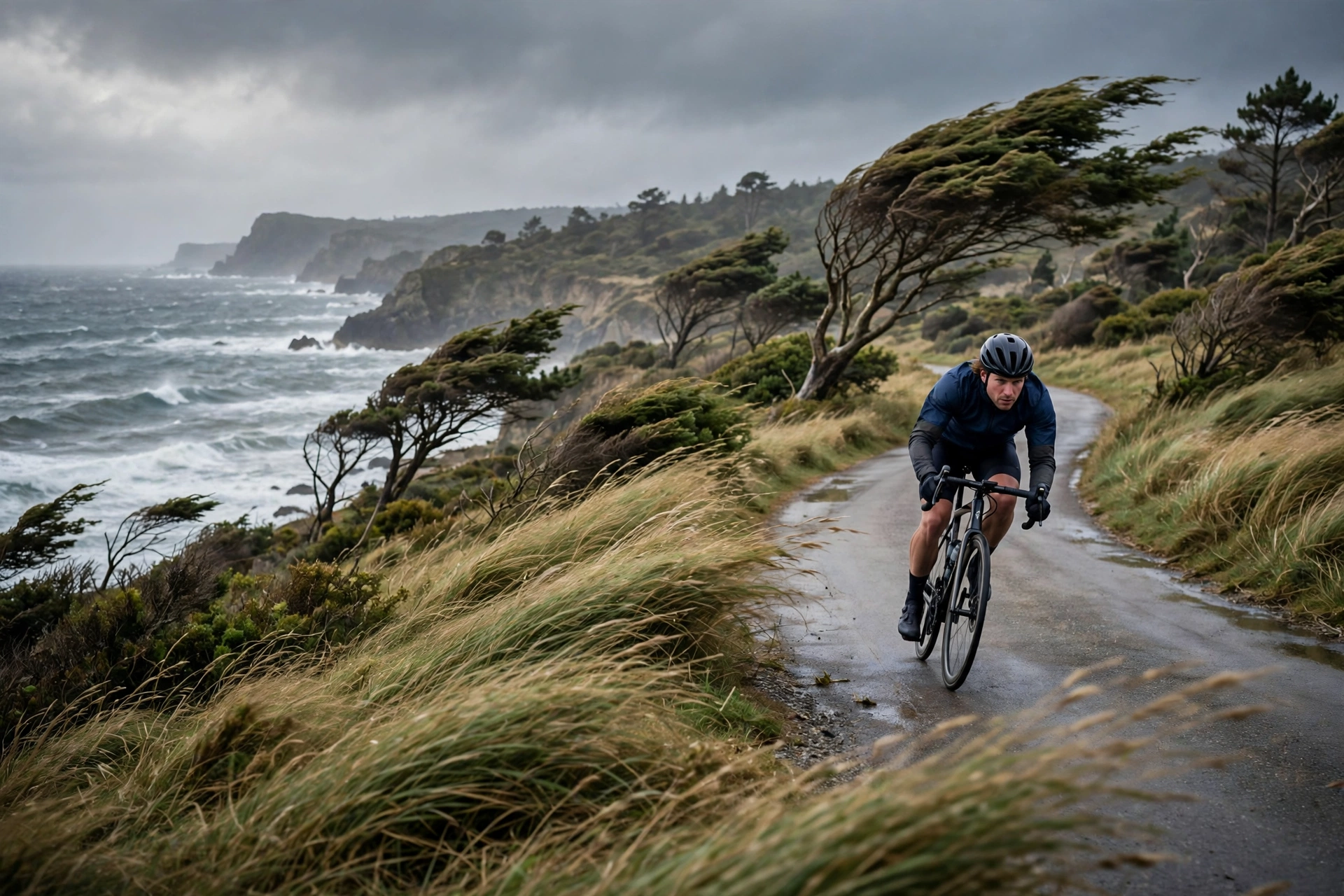
Riding in strong wind is mostly about anticipation. Gusts rarely arrive without warning: you can see them coming in the movement of trees, grass, and litter, and you can feel them building as you pass a gap in a hedge or a building. When you see a gap ahead, grip the handlebars a little more firmly, keep your elbows slightly bent, and be ready for a sudden push. A relaxed but ready grip is better than a white-knuckle grip, because it lets you make small corrections without overreacting.
Position on the road matters too. In a crosswind, ride a little further from the kerb than usual, so a gust that pushes you sideways does not push you into the kerb or into parked cars. Leave more space between you and other vehicles, and be especially careful when you pass a large lorry or bus, because the wind can drop suddenly as you enter its shelter and then return just as suddenly as you leave it. Slow down before exposed sections such as bridges and open fields, where the wind is strongest.
- Tighten the fit dial slightly before a windy ride so the helmet stays secure.
- Remove the peak and any extras that catch the wind.
- Grip the bars firmly but stay relaxed, and watch trees and grass for gusts.
- Ride further from the kerb in a crosswind, with more space around you.
- Slow down on exposed sections such as bridges and open fields.
How Do You Keep Your Eyes Comfortable in the Wind?
Wind dries your eyes quickly, and dry eyes sting, water, and blur your vision. Wraparound sunglasses or clear glasses are the best defence, because they shield your eyes from the wind while still letting you see clearly. Choose glasses that fit well with your helmet and do not press on your temples, and make sure they do not fog up when you slow down. A helmet with vents you can close helps too, because it stops cold air blowing directly onto your face.
How Do You Care for a Helmet After a Windy Ride?
Windy rides are often dusty rides, so your helmet may need a clean afterwards. Wipe the shell and vents with a soft cloth to remove dust and grit, and check that the vents are not blocked. Wash the padding if it is sweaty or dusty, and let it dry naturally. Check the straps and the fit dial, because a windy ride can work them loose, and make sure the buckle still fastens firmly.
Frequently Asked Questions
Q: Does wind make my bike helmet less safe?
A: In general terms, no. Wind does not reduce the protection a helmet offers, but gusts can make a loose helmet wobble and distract you. A snug fit and a low-profile shape keep the helmet secure in strong wind.
Q: Should I remove the peak from my helmet in strong wind?
A: Yes, in general terms. A peak catches the wind and can lift or twist the helmet in a gust. Removing it makes the helmet smoother and easier to control in windy conditions.
Q: How do I ride safely in a strong crosswind?
A: Ride further from the kerb, grip the bars firmly but stay relaxed, and watch for gusts at gaps in hedges and buildings. Slow down on exposed sections, and stop if the wind is too strong to hold a straight line.

Olivia
Writer at Helmet Today, covering helmet reviews, fit and riding safety.