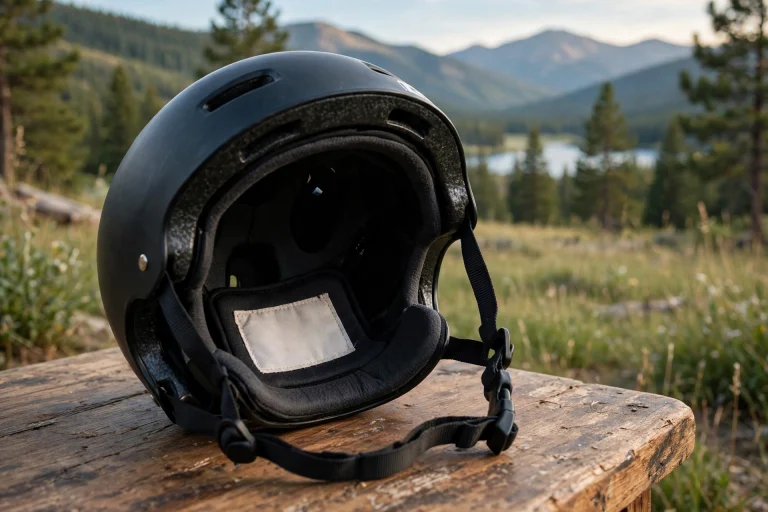
In general terms, washable BMX helmet liners are the better choice for most riders, because you can take the pads out and clean them, while fixed liners stay glued or stitched inside the shell and can only be wiped down. That said, a fixed liner is not automatically a bad option. The right choice depends on how often you ride, how much you sweat, and how much care you are willing to put into keeping your helmet fresh. This guide explains the difference in plain language so you can choose with confidence.
What Is a BMX Helmet Liner and What Does It Do?
The liner is the soft padding that sits between your head and the hard outer shell of the helmet. It is usually made from foam covered with fabric, and it serves two jobs at once. First, it makes the helmet comfortable by cushioning your head and filling the space inside the shell so the fit feels snug rather than loose. Second, it helps the helmet stay in place during riding, which matters when you are jumping or landing tricks.
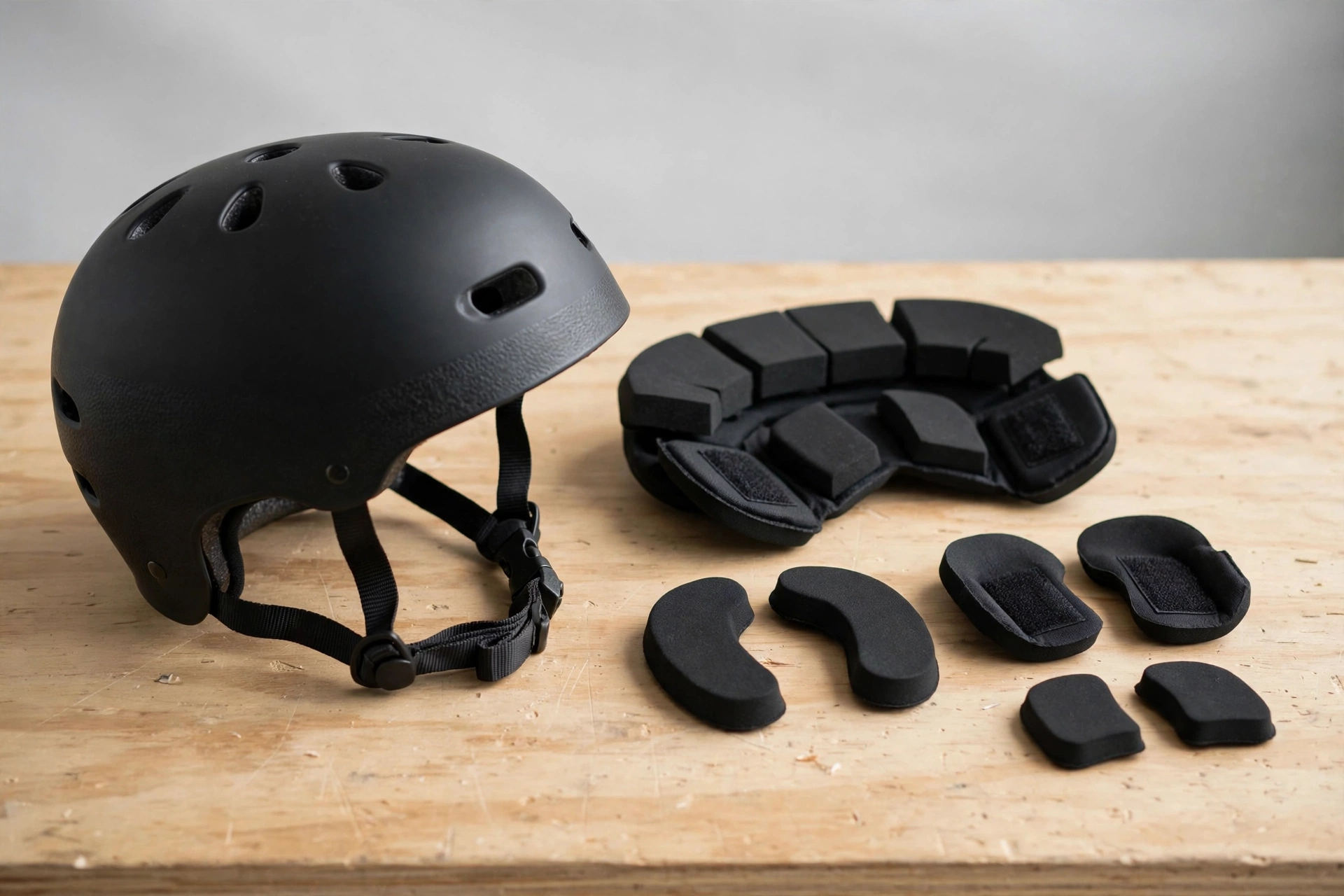
Most BMX helmets use a set of separate pads rather than one single piece of padding. There is typically a crown pad on top, cheek pads on the sides, and sometimes a brow pad at the front. Together, these pads shape the fit around your head.
Note that the soft comfort liner is not the same as the impact-absorbing foam underneath it. That firmer foam layer absorbs energy in a crash, while the comfort pads on top mainly provide fit and comfort, so take care not to damage it when removing pads.
What Is the Difference Between Washable and Fixed Liners?
A washable liner is made of pads that attach with hook-and-loop fasteners, snaps, or simple press fittings. You can pull them out, wash them by hand, let them dry, and press them back into place. A fixed liner, by contrast, is glued, stitched, or otherwise permanently attached to the inside of the helmet. You cannot remove it without damaging it, so cleaning is limited to wiping the surface with a damp cloth.
The practical difference shows up over time. Sweat, dust, and dirt build up in any helmet that gets regular use, and a removable liner lets you deal with that buildup properly. A fixed liner can still be kept reasonably clean with regular wiping, but it will tend to hold odour sooner, especially if you ride in warm weather or train several times a week.
Fit is another point of difference. Removable pads can sometimes be replaced with thicker or thinner versions, which gives you a way to adjust the fit as the pads compress with use. With a fixed liner, what you get is what you have, and once the padding flattens out, the helmet may feel looser than it did when new.
How Do You Wash a Removable BMX Helmet Liner?
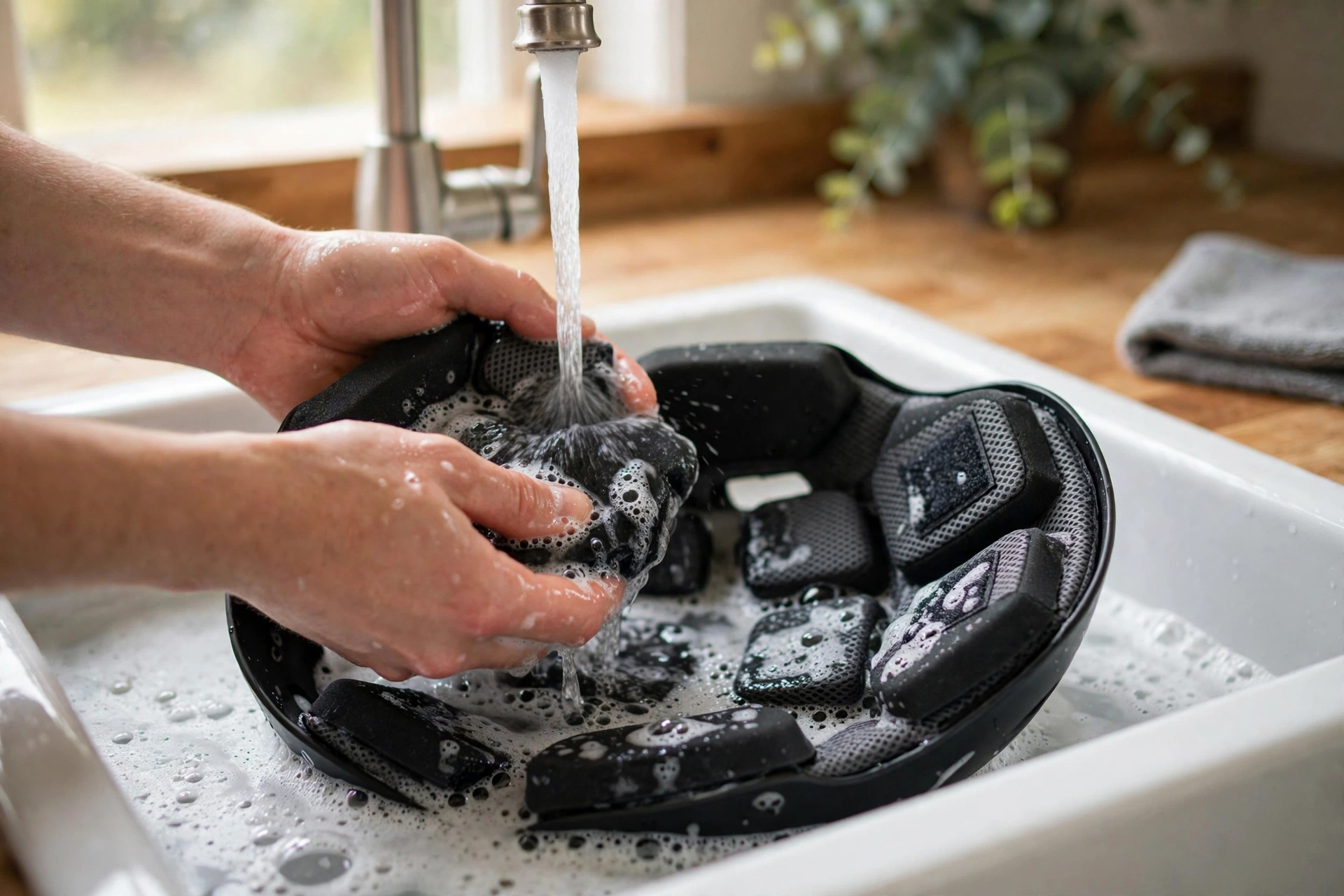
Washing a removable liner is a simple job, but it pays to be gentle. Start by removing the pads one at a time, noting where each one came from so you can put them back in the right place. Then fill a basin or sink with lukewarm water and add a small amount of mild soap, such as a gentle hand soap or diluted laundry detergent.
Soak the pads briefly, then squeeze them gently in the soapy water. Avoid scrubbing aggressively or twisting them hard, as this can tear the fabric or break down the foam. Rinse the pads thoroughly in clean water until no soap remains, because leftover soap can irritate your skin and attract more dirt.
Drying matters just as much as washing. Press out excess water gently with a towel, then leave the pads to air dry completely in a well-ventilated spot away from direct heat. Do not use a tumble dryer, a radiator, or a hair dryer on a hot setting, since heat can warp the foam and shrink the fabric. Only refit pads once fully dry. As a general rule, washing your pads every few weeks of regular riding keeps them fresh, and more often in hot or dusty conditions.
How Often Should You Clean or Replace a Liner?
There is no single schedule that suits every rider, because how quickly a liner gets dirty depends on how often you ride, how hard you sweat, and the climate where you ride. In general terms, a light wipe after sweaty sessions and a full wash every few weeks is a sensible routine for a regular rider.
Replacement is a separate question. Comfort pads naturally compress over time, and once they feel flat, thin, or no longer hold the helmet snugly on your head, they have done their job and should be replaced if spares are available. Check whether replacement pad sets are sold for your model before you buy. If spares are not available and the fit has become loose, the helmet as a whole may need replacing.
It is also important to remember that a worn comfort liner is not the only reason to retire a helmet. If your helmet has taken a hard impact, shows cracks in the shell or the inner foam, or has straps and buckles that no longer work properly, it should be replaced regardless of how clean the pads are.
Which Liner Type Is Better for Regular Riders?
For riders who get out several times a week, a washable liner is usually the smarter pick. It stays fresher for longer, it lets you manage sweat and odour properly, and replacement pads can extend the comfortable life of the helmet.
That said, a fixed liner can still make sense in some situations. If you ride occasionally, or your budget is tight and the fixed-liner helmet otherwise fits well and meets the safety standards you need, it can serve you perfectly well. The key is honest cleaning: wipe it down regularly, let it air out after every ride, and store it somewhere dry and ventilated.
When you are shopping, look beyond the liner type alone. Check that the helmet fits your head shape, that it carries the safety certification relevant to your riding, and that the straps adjust easily and stay put. Learning what MIPS does can also help you understand one of the extra rotational-impact features found on some helmets. A well-fitting helmet with a fixed liner will serve you better than a poorly fitting helmet with washable pads.
Frequently Asked Questions
Q: Can I wash a fixed BMX helmet liner?
A: In general terms, you cannot remove and soak a fixed liner, but you can wipe it with a damp cloth and mild soap, then let the helmet air dry fully. Avoid soaking the helmet itself, since trapped moisture can damage the inner foam and take a long time to dry.
Q: How do I know if my liner pads need replacing?
A: Common signs include pads that feel flat or compressed, a helmet that moves around more than it used to, torn fabric, or a smell that stays even after washing. If replacement pads are available for your helmet model, swapping them is usually a simple fix.
Q: Does a washable liner make a helmet safer?
A: Not directly. Washability is about hygiene, comfort, and fit over time. Crash protection comes from the shell and the impact-absorbing foam layer, so a clean liner supports a good fit but does not by itself change the helmet’s protective performance.

Olivia
Writer at Helmet Today, covering helmet reviews, fit and riding safety.