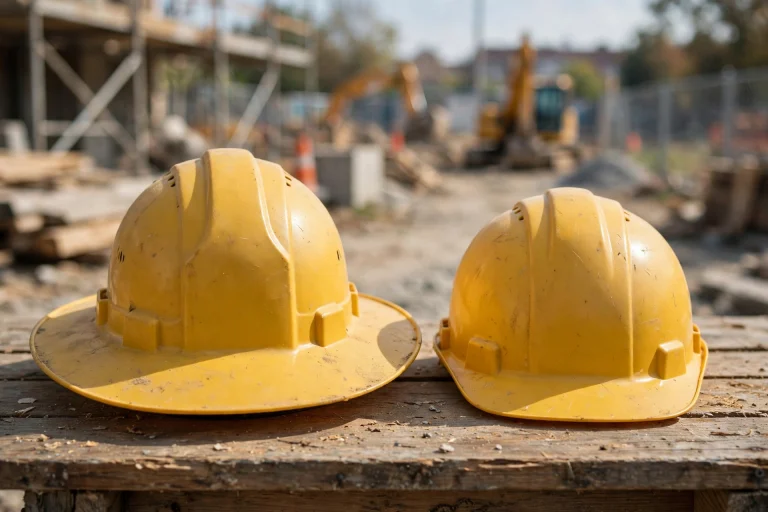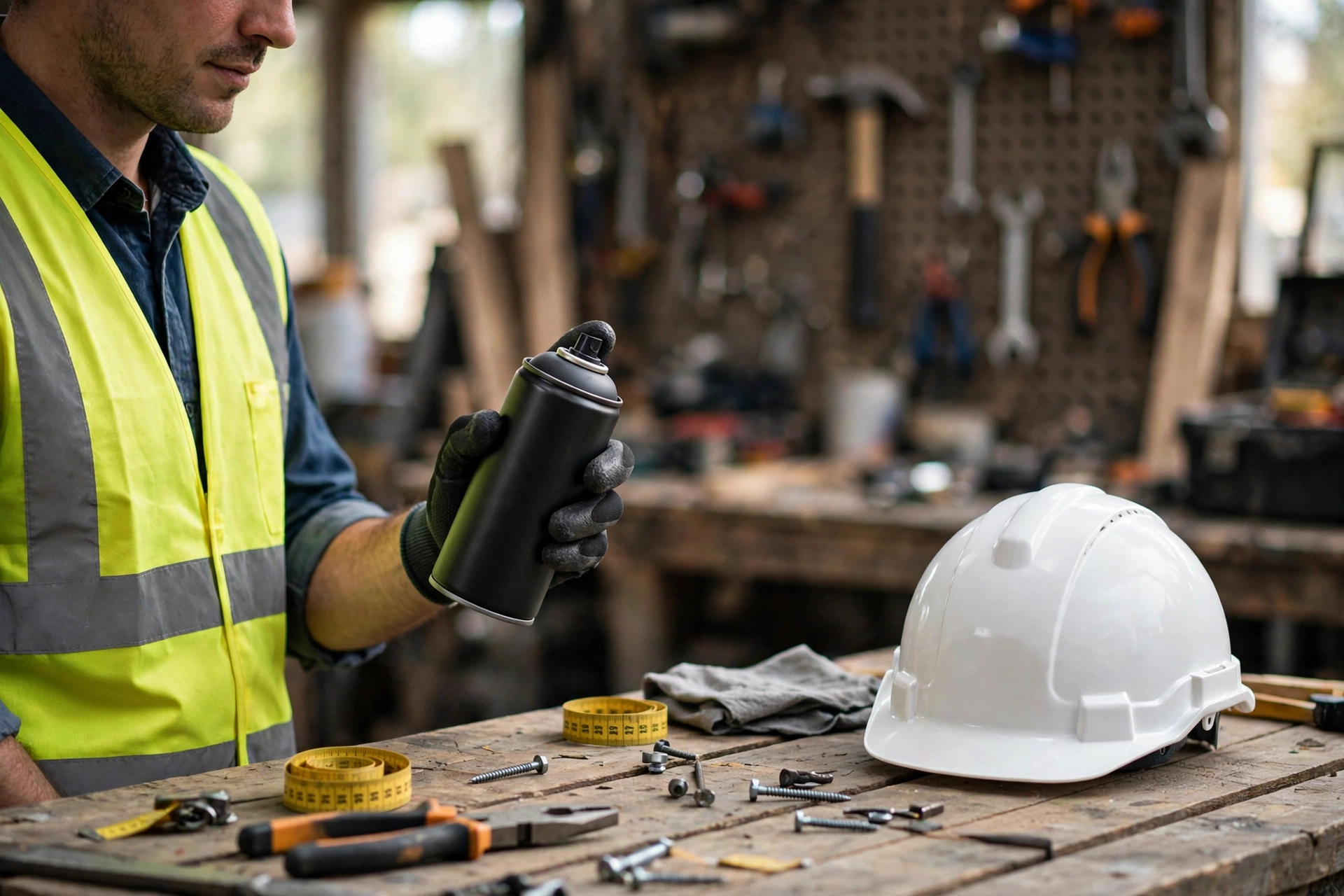
In general terms, no — you should not paint a hard hat. Most manufacturers say not to apply paints, solvents, or adhesives that were not made for the shell, because the chemicals in many paints can attack the plastic, weaken it, and hide cracks and damage you need to see. If you want a different color or markings, buy the shell in that color from the maker, or use only the identification methods your employer and the manufacturer allow.
Painting a hard hat feels like a harmless bit of personalization, and on many sites you will see painted hats in daily use. This guide explains why makers warn against it, what paint can actually do to a shell, and the safer ways to tell helmets apart.
Why Do People Want to Paint a Hard Hat?
The most common reason is identification. On a busy site, dozens of identical white or yellow hats hang on the same rack, and a painted hat is easy to spot as yours. Crews also paint hats to show company colors, trade, or seniority, and new workers sometimes paint a hat to fit in with a team that has always done it.
Some paint jobs have a practical idea behind them — a bright color for visibility, or a name and phone number in case the hat is lost. Those goals are reasonable. The problem is only the method, because everything paint is used for on a hard hat can be achieved another way that does not touch the shell’s chemistry.
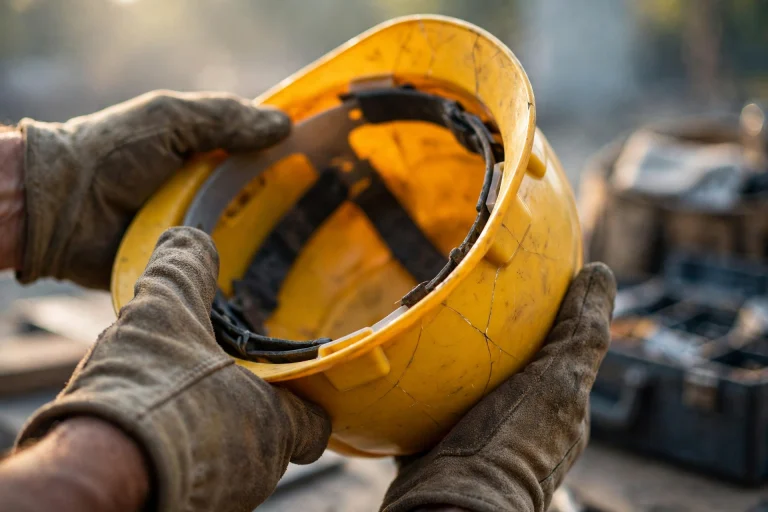
The worst reason to paint a hard hat is to cover up wear. A scuffed, faded, or stained shell is inspection information. Painting over it hides exactly the signs — cracks, gouges, and UV damage — that tell you a hat is reaching the end of its working life.
What Can Paint Do to a Hard Hat Shell?
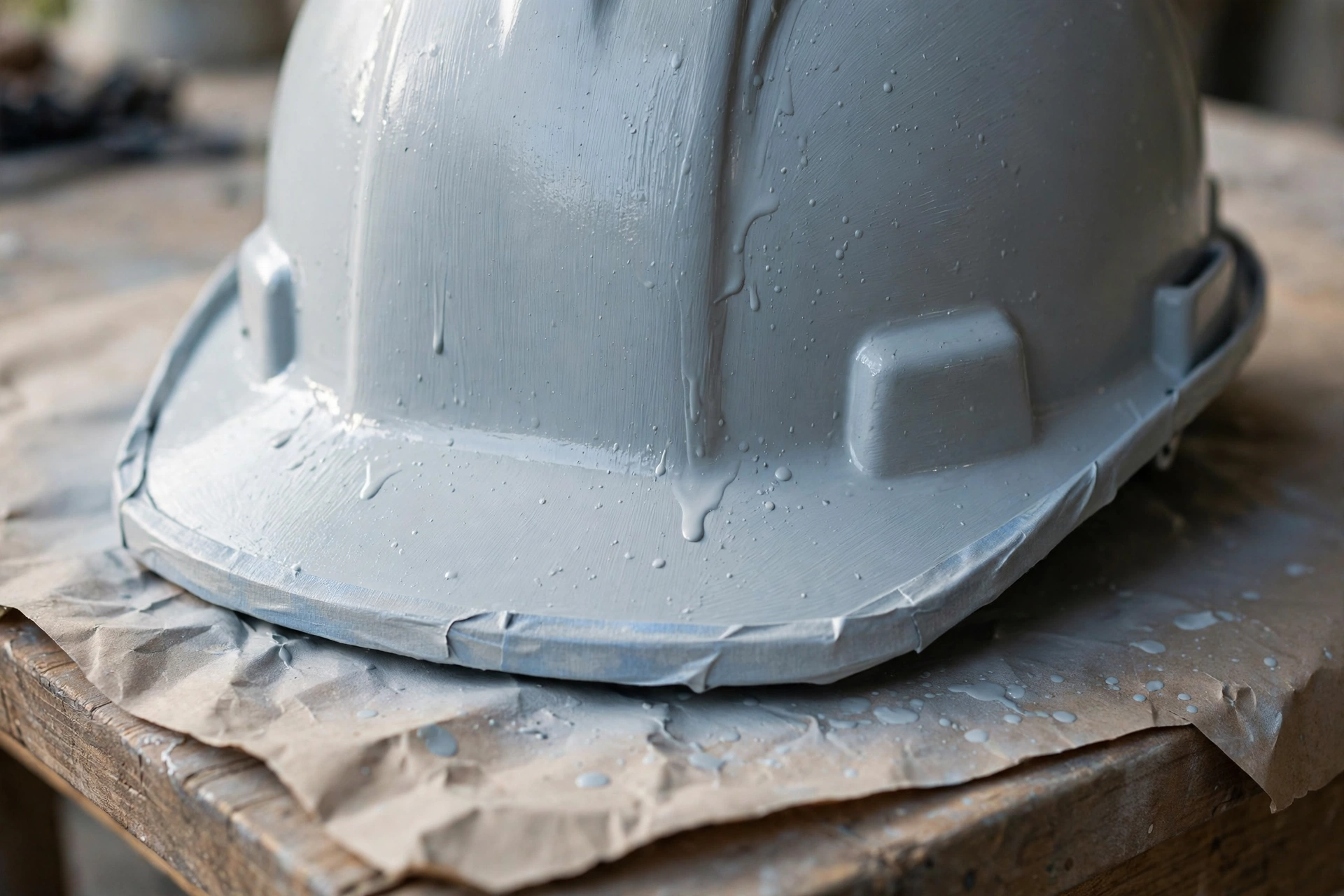
Hard hat shells are engineered plastics, and many paints — especially spray paints — carry solvents designed to bite into plastic so the coating sticks. On a hard hat that bite is a problem: solvents can soften the surface, cause fine crazing, or make the plastic brittle, and the damage may not be visible once the paint dries over it.
The shell is not decoration. Together with the suspension inside, it manages the energy of a falling object: the shell resists penetration and spreads the load while the suspension holds it off your head so the force has somewhere to go. Other protective helmets manage impact in their own engineered way, using deep foam liners and systems such as rotational-impact systems like MIPS — and in every design, the outer structure is a tested part of the system, not a blank canvas.
Paint also defeats inspection. A coat of paint can bridge over a hairline crack, fill a gouge, and make a damaged shell look brand new. Since a hard hat that has taken a serious impact should be retired, anything that masks impact damage is working directly against your safety.
What Do Manufacturers and Standards Say, in General Terms?
A hard hat is certified as it was manufactured and tested — a specific shell, in a specific material, with nothing on it. In general terms, manufacturers’ instructions for hard hats commonly prohibit paints, solvents, and unapproved adhesives, because once you change the shell’s surface chemistry, the hat is no longer the exact product that passed the tests.
Employer and site rules vary, but many sites prohibit painted hard hats outright for exactly this reason, and a painted hat may be refused at the gate or during a PPE inspection. Rules also vary because supervisors cannot tell, just by looking, whether a given paint was harmless or harmful to the shell.
The sensible reading is simple: if the maker did not sell it that color and your employer’s rules do not clearly allow the paint you used, treat the hat as compromised. When you are unsure, ask your safety officer before the hat goes back on your head, not after an incident.
What Are Safer Ways to Identify or Personalize a Hard Hat?
Start with color: hard hats are sold in a wide range of shell colors, and in general terms color is the most common site-wide identification system there is — different colors for trades, roles, visitors, and new starters. If your site uses color coding, buy the right color rather than painting the wrong one.
For names and markings, makers sell labels and stickers designed for hard hat shells, and reflective tape made for helmets is widely used for visibility. Follow the maker’s guidance on placement, keep markings from covering large areas of the shell, and remove and replace any sticker that starts hiding the surface you need to inspect.
Other options never touch the shell at all: write your name on the inside label or the suspension, use a colored sweatband or a maker’s accessory in your crew’s color, or keep your hat in a marked hook, locker, or bag. Identification solved at the storage point never risks the protective part.
What Should You Do If Your Hard Hat Is Already Painted?
Inspect it honestly. If the paint is cracking or peeling, the shell feels soft, sticky, or brittle anywhere, or you cannot see the shell’s real condition under the coating, take the hat out of service. The same applies if the hat has an unknown history — a painted hat you were handed second-hand hides both its age and its damage.
Do not try to fix it by stripping the paint off. Paint strippers and solvents are exactly the chemicals that damage shells, so removing paint with them can do more harm than the paint did. There is no cleaning process that returns an altered shell to certified condition.
The practical answer is replacement. A hard hat is one of the cheapest items of PPE on site relative to what it protects, and a fresh, unmarked hat in the correct color restarts both your protection and your inspection record. If your employer supplied the painted hat, raise it with them — most would rather replace it than defend it.
Frequently Asked Questions
Q: Can I use a paint made for plastic on a hard hat?
A: In general terms, no. “Made for plastic” describes how the finish bonds and looks, not whether the shell still performs as tested. Manufacturers’ prohibitions cover unapproved paints as a group, including plastic-safe ones.
Q: Are stickers safer than paint on a hard hat?
A: Usually, yes — stickers and labels made for hard hats are the widely accepted alternative where paint is banned. Keep them to the maker’s guidance, do not cover the whole shell, and never sticker over visible damage.
Q: Can I paint an old hard hat to keep as a souvenir?
A: If the hat is fully retired from service, what you do with it is your business — but mark it clearly as retired or store it away from work gear, so nobody grabs it for a shift by mistake.

Olivia
Writer at Helmet Today, covering helmet reviews, fit and riding safety.