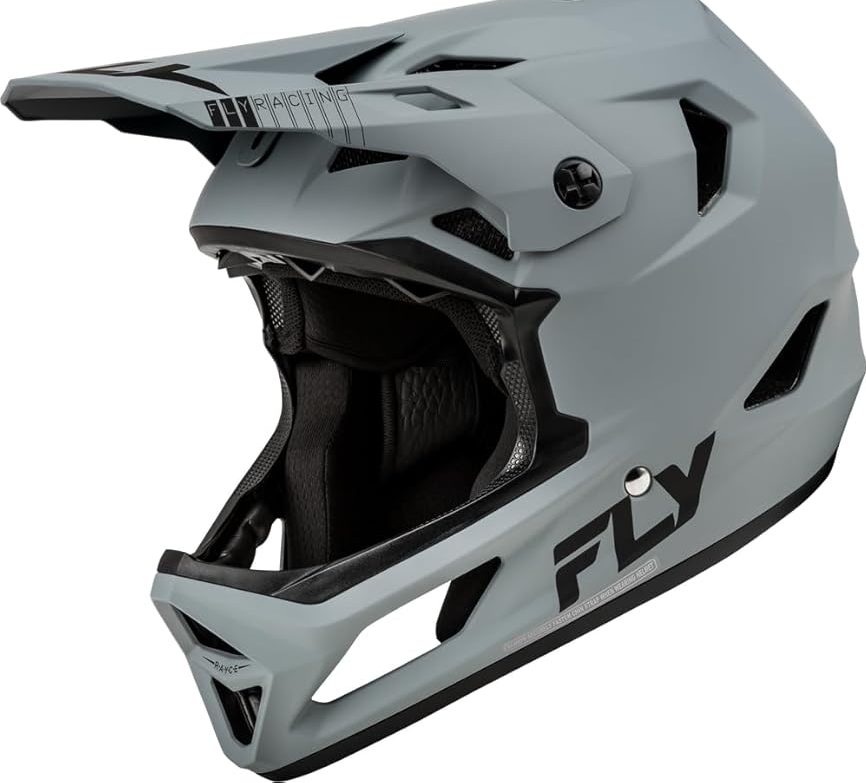

When I first looked into can you use a bike helmet for roller skating, the answer seemed like it should be a simple yes or no. It is not quite that simple. The type of skating, helmet standard, fit, and fall pattern all matter.
A bike helmet can be a reasonable choice for casual roller skating if it is made for that use and fits well. But not every bike helmet is tested for every kind of skating. Here is what I learned, including the small details that are easy to miss when choosing a helmet.
Can You Use a Bike Helmet for Roller Skating?
Yes, in many cases, but check the helmet’s intended use first.
There is a useful detail here. ASTM F1447 is a helmet standard that covers recreational bicycling or roller skating. The current version is F1447-24. So a helmet made and marked for both activities can be a very sensible choice.
| Helmet type | Roller skating use | My take |
|---|---|---|
| Bike helmet marked for roller skating | Yes | Good choice |
| Bike-only helmet | Maybe | Check its labeling first |
| Skate helmet meeting ASTM F1492 | Yes for many skate uses | Good for skate-style riding |
| Old, cracked, or damaged helmet | No | Replace it |
The big mistake is treating every helmet with a hard shell as equal. It is not. Helmets are tested for specific uses and impact conditions.
Why the helmet standard matters
A helmet standard tells you what kind of protection the helmet was designed and tested to provide.
For recreational bicycling and roller skating, ASTM F1447 sets performance requirements that include impact testing, retention strength, and positional stability.
That is why I would look inside the helmet or on its label before using it for skating.
If the manufacturer clearly lists roller skating as an intended use, that removes much of the guesswork.
What Is the Difference Between a Bike Helmet and a Roller Skate Helmet?
The difference is often less dramatic than people think.
Some helmets are designed for more than one activity. In fact, ASTM has a specific standard for recreational bicycling or roller skating, so a helmet does not always need to belong to only one sport.
The bigger difference appears when you compare a basic cycling helmet with a skate-style helmet.
| Feature | Typical bike helmet | Skate-style helmet |
|---|---|---|
| Shape | Often vented and streamlined | Usually rounder |
| Rear coverage | Varies by design | Often extends lower |
| Ventilation | Usually a strong focus | Usually less open |
| Intended use | Cycling | Skating and similar sports |
A skate-style helmet may feel more natural for someone who spends a lot of time skating. It can also offer a shape that feels better suited to falls where you may tip backward.
But shape alone does not prove better protection. The certification and actual fit matter more.
Is a Bike Helmet Safe for Roller Skating?
A properly fitted helmet can reduce the force reaching your head during a crash, but no helmet can prevent every head injury.
The U.S. Consumer Product Safety Commission says bicycle helmets are tested for things such as impact attenuation, positional stability, retention strength, and peripheral vision.
That gives us a useful way to think about safety.
The helmet needs to stay on your head when you fall. It also needs to cover the right areas and reduce impact forces.
| Safety check | What I would look for |
|---|---|
| Fit | Snug without painful pressure |
| Strap | Secure under the chin |
| Position | Low and level on the head |
| Condition | No cracks or major damage |
| Certification | Matches the intended activity |
One thing I would never do is loosen the helmet because it feels more comfortable. A loose helmet can shift during a fall, which defeats much of the point of wearing it.
When a Bike Helmet Makes Sense for Roller Skating
A bike helmet can work well for relaxed skating on a smooth path, rink, driveway, or similar surface.
This is especially true when the helmet is certified or marketed for both recreational bicycling and roller skating. ASTM F1447 specifically recognizes both activities.
For a beginner, this can also be a practical option. You may already own a suitable helmet, so there is no need to buy another one just because the activity changed from cycling to skating.
Casual skating is different from aggressive skating
This is where I would draw the line.
If you are learning basic skating, moving slowly, and staying on a smooth surface, a suitable recreational helmet can make sense.
If you are doing jumps, tricks, ramps, or aggressive skating, I would look for a helmet specifically designed and certified for that style of use.
ASTM F1492-25 covers helmets used for skateboarding and trick roller skating. Its testing includes specific impact sites and different impact surfaces.
That distinction is easy to overlook.
When I Would Choose a Skate Helmet Instead
If skating is your main activity, I would lean toward a helmet intended for skating.
The reason is not that every bike helmet is unsafe. It is that skating can involve different fall patterns and different ways of hitting the ground.
A skate-style helmet may also provide more coverage around the back and sides of the head. That can be useful when your balance goes wrong and you fall backward.
| Skating situation | Better helmet choice |
|---|---|
| Slow beginner skating | Suitable bike/roller helmet |
| Recreational rink skating | Bike/roller helmet can work |
| Frequent outdoor skating | Roller/skate helmet |
| Tricks and ramps | Helmet rated for that activity |
| Skateboard-style tricks | ASTM F1492 helmet |
The current ASTM F1492 standard is specifically written for skateboarding and trick roller skating. That makes it a better reference for those activities than simply assuming a bicycle helmet is enough.
How Should a Bike Helmet Fit for Roller Skating?
Fit is one of the parts I would take most seriously.
A helmet should sit level on your head. It should not rock from side to side when you move your head. The chin strap should hold it firmly without choking you.
Try this simple check before skating.
First, put the helmet on without fastening the strap. Shake your head gently from side to side. If the helmet slides around easily, it is too loose or the shape is wrong for you.
Then fasten the strap and check again.
| Fit problem | Better approach |
|---|---|
| Helmet slides backward | Adjust the rear fit system |
| Helmet rocks side to side | Try a different size or shape |
| Strap feels loose | Adjust the chin strap |
| Helmet sits very high | Recheck size and position |
| Pressure points hurt | Try another helmet shape |
A common mistake is buying a helmet based only on head circumference. Two helmets with the same listed size can feel very different because head shapes vary.
Comfort matters because you are more likely to wear a helmet correctly when it does not annoy you.
Common Mistakes When Using a Bike Helmet for Skating
Some helmet mistakes seem harmless until you think about what happens during a fall.
One of the biggest is wearing a helmet that was already involved in a serious crash. Another is using an old helmet without checking its condition.
Here are a few mistakes worth avoiding.
| Mistake | Better approach |
|---|---|
| Wearing a loose helmet | Adjust it until it stays stable |
| Choosing by looks alone | Check the intended use |
| Using a damaged helmet | Replace it |
| Wearing it tilted far back | Keep it level |
| Adding thick caps underneath | Preserve the original fit |
I also would not put a thick hat under a helmet just because it feels cozy. Extra material can change how the helmet sits on your head.
A thin liner may be fine in cold weather, but the helmet still needs to fit as designed.
Can You Use a Bike Helmet for Rollerblading Too?
A helmet suitable for roller skating may also be intended for inline skating, but you should still check the manufacturer’s labeling.
The CPSC notes that helmets marketed exclusively for activities such as in-line skating or roller hockey are treated differently from bicycle helmets under the U.S. bicycle helmet regulation.
That is another reason not to judge a helmet by its shape.
| Activity | What to check |
|---|---|
| Roller skating | Roller skating use |
| Inline skating | Inline skating use |
| Cycling | Bicycle certification |
| Skateboarding | Skateboarding certification |
| Trick skating | Trick roller skating certification |
If one helmet is clearly labeled for several of these activities, that is much easier than trying to guess from appearance.
What About Skate Helmets With Multiple Certifications?
These can be very useful if you switch between activities.
Some helmets are designed and certified for more than one sport. A multi-use helmet can save you from owning several helmets, provided the listed standards actually match what you do.
The key is to check the label rather than trusting phrases such as “multi-sport” on a product page.
CPSC explains that how a helmet is marketed and represented can affect how it is classified under its bicycle helmet rules.
So I would look for actual certification information.
A sticker saying “sports helmet” tells you very little. A clear statement showing the applicable standard is much more useful.
What If You Only Have a Bike Helmet Right Now?
If you are about to go skating and already own a bike helmet, do not panic.
Start by checking the helmet for its intended activities and certification. Make sure it is in good condition and still fits properly.
If it is specifically suitable for recreational roller skating, you have a much stronger case for using it.
If it is clearly designed only for cycling, I would be more cautious. For regular skating, getting a helmet intended for the activity is the cleaner choice.
A quick check before your first skating session
Before putting on your skates, spend one minute checking the helmet.
Make sure:
- The shell has no cracks.
- The straps are not damaged.
- The helmet sits level.
- It does not move easily.
- The buckle closes properly.
- The helmet covers the intended area.
- The certification matches the activity.
That tiny check can prevent a lot of needless guessing.
Can You Use a Bike Helmet for Roller Skating With Tricks?
For basic tricks, I would not rely on a generic bike-only helmet without checking its certification.
Trick roller skating falls under ASTM F1492, which is specifically written for skateboarding and trick roller skating. The standard includes testing for impact performance and retention.
This does not mean every F1492 helmet is automatically perfect for every skater or every stunt. It means the helmet was evaluated against a standard designed for that type of activity.
That is a much better starting point than picking a helmet because it looks tough.
What I Learned About Bike Helmets and Roller Skating
The biggest lesson is that the words bike helmet do not tell the whole story.
A recreational bicycle helmet can also be intended for roller skating. ASTM F1447 has long covered helmets for recreational bicycling or roller skating, and the current standard is F1447-24.
But trick skating is a different case. ASTM F1492-25 specifically covers skateboarding and trick roller skating.
So I would not ask only, “Is this a bike helmet?”
I would ask, “What was this helmet made and tested for?”
That question gives you a much better answer.
Final Thoughts
So, can you use a bike helmet for roller skating? Yes, if the helmet is intended and certified for that type of recreational use, fits correctly, and is in good condition. A suitable multi-use helmet can be a perfectly practical choice.
For regular skating, I would check the label before skating. For tricks or aggressive skating, I would choose a helmet specifically rated for that activity. A few minutes spent checking the standard and fit is far better than guessing after a fall.
FAQs
Can I wear my normal bike helmet for roller skating?
Yes, if it is made for roller skating too. Check the label, fit, condition, and listed safety standard before you skate.
Is a skate helmet better than a bike helmet for roller skating?
Not always. A helmet made for roller skating may suit the activity better. For tricks, choose one rated for trick roller skating.
Can you use a bike helmet for roller skating indoors?
Yes, if the helmet is suitable for roller skating and fits well. Indoor skating still has fall risks, so proper head protection matters.
Can I use a skateboarding helmet for roller skating?
Often, yes. Check that it is certified for skateboarding or trick roller skating and that the fit stays secure while you skate.
Should a roller skating helmet cover the back of my head?
It should provide the coverage required by its design and standard. Do not change the fit just to get more rear coverage.

Olivia
Writer at Helmet Today, covering helmet reviews, fit and riding safety.