Caving Helmet for Wet Caves: Drainage Explained
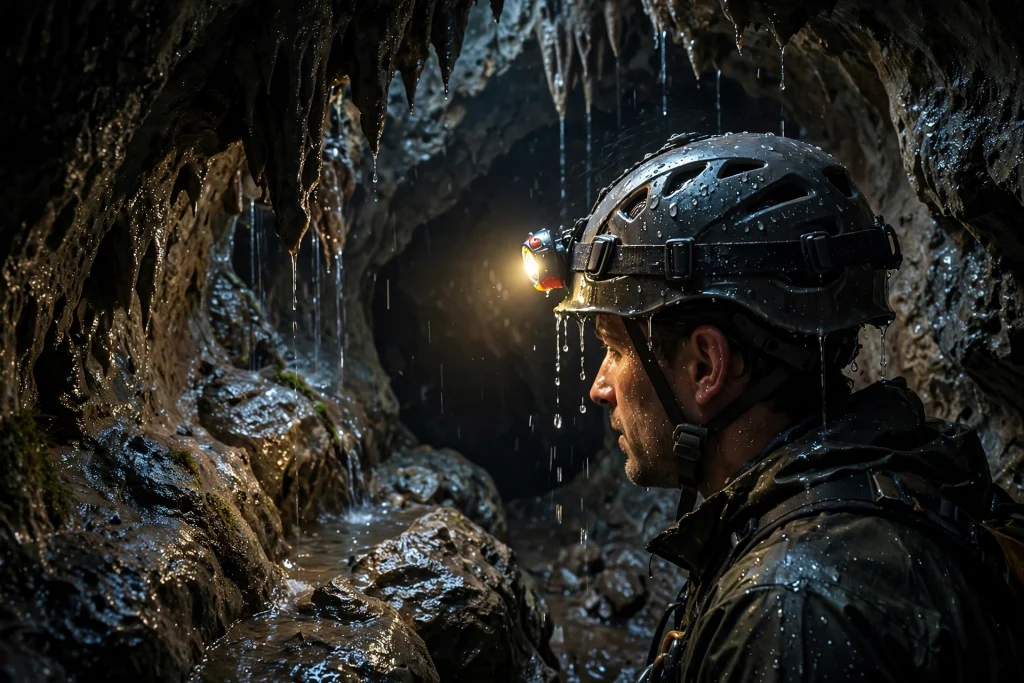
In general terms, drainage on a caving helmet is the set of holes, channels, and open padding that lets water escape instead of pooling inside the shell. Wet caves drip, spray, and sometimes pour…
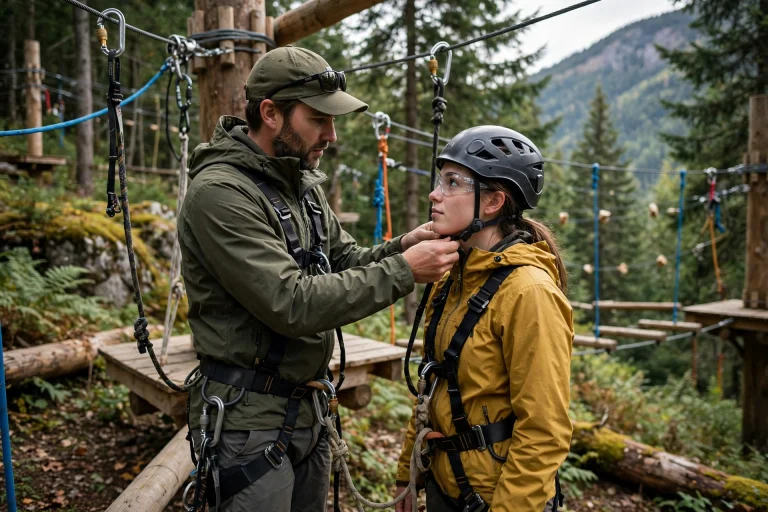
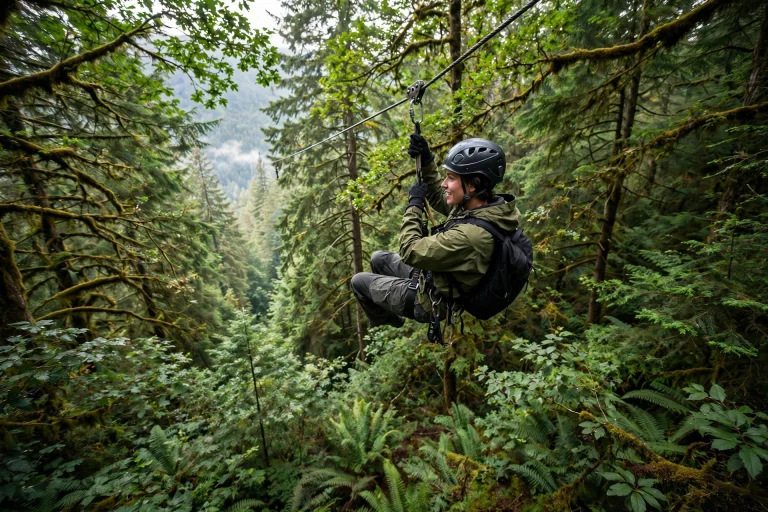
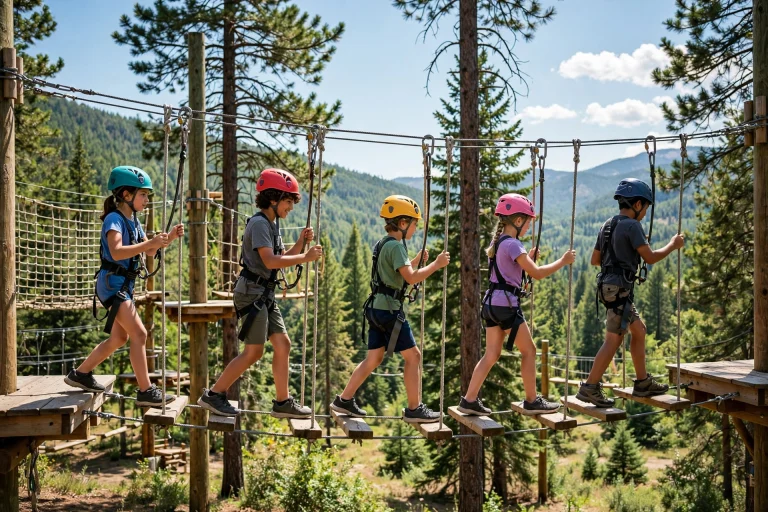
To fit a helmet for a ropes course, set it level on your head covering your forehead, tighten the fit system until…
Yes, you need a helmet for zip lining in general terms — organised zip line courses require one, and it protects you…
In general terms, adventure parks require helmets for children on ropes courses, zip lines, climbing elements, and other high activities, and the…
A caving helmet with a chin strap is the safer choice in general terms, because the strap keeps the helmet in place…
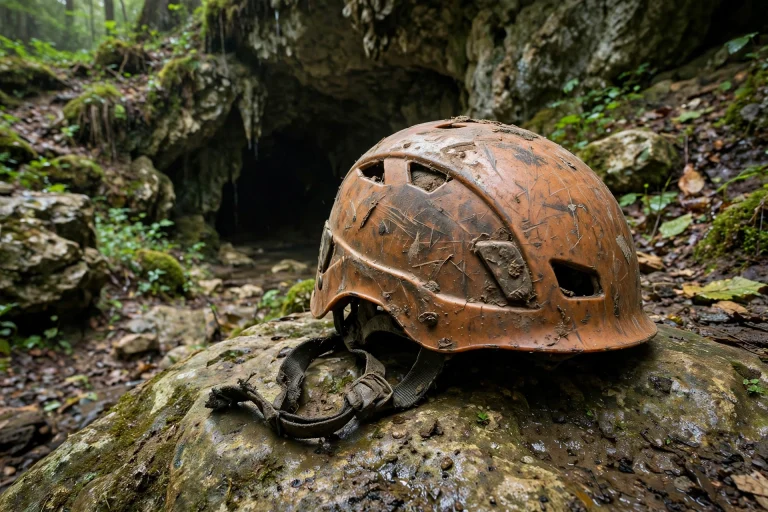
Replace a caving helmet when it has taken a real impact, shows cracks or damaged foam, no longer fits snugly, or is…
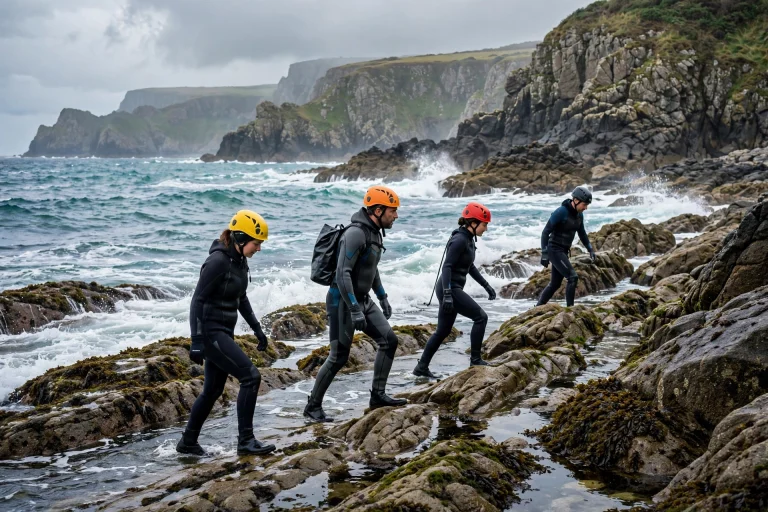
For coasteering, look for a helmet that stays put in the water, drains quickly, protects against rock impacts from every direction, and…
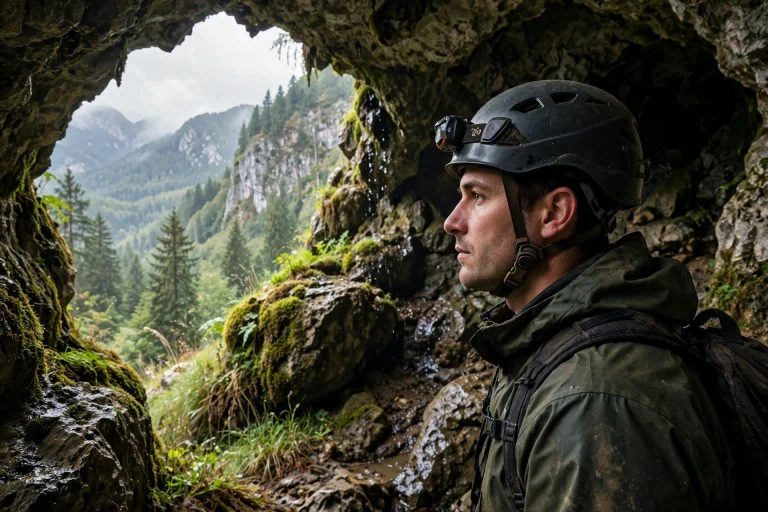
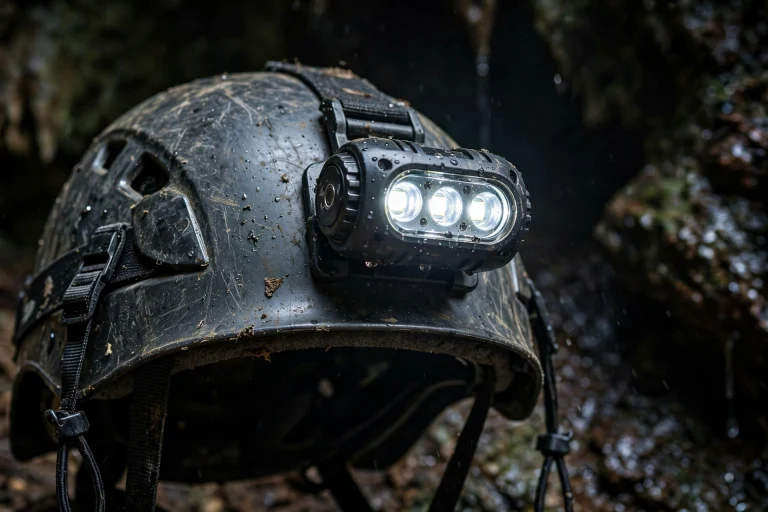
Caving helmet lamp mounts are the brackets and clips that fix your headlamp to the front of your helmet, keeping the beam…
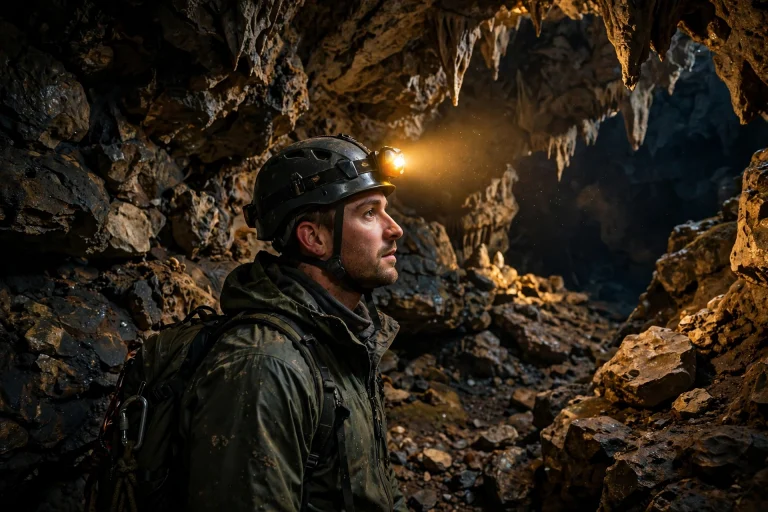
Choose a caving helmet that fits snugly, carries a secure lamp mount, protects against falling rock and bumps in low passages, and…