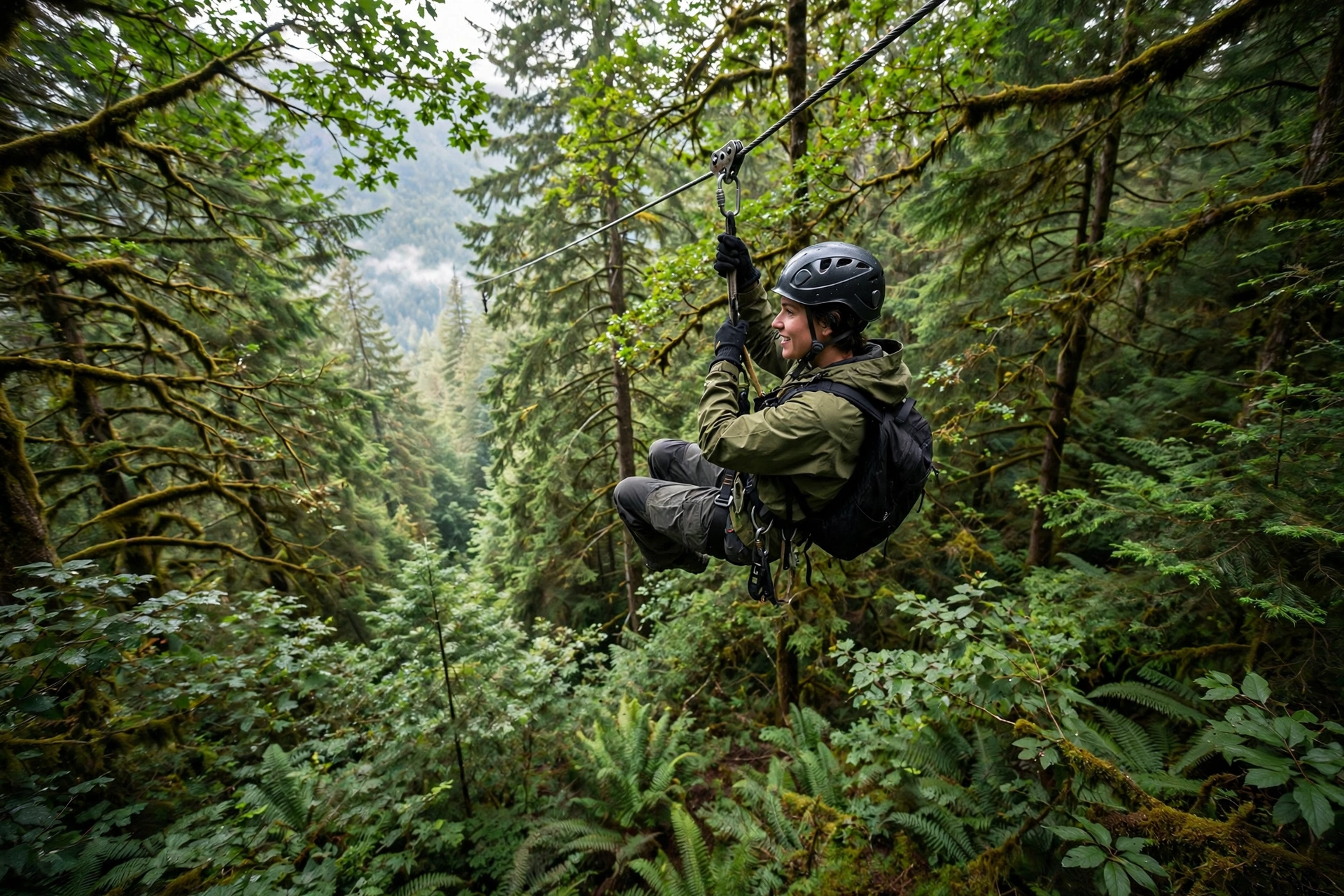
Yes, you need a helmet for zip lining in general terms — organised zip line courses require one, and it protects you at the launch, during the ride, and at the landing, where most zip line knocks actually happen. A zip line may look like a smooth ride through the air, but the start and finish platforms are where hard structures, other riders, and sudden stops come into play.
This guide explains why the helmet matters, what kind suits zip lining, and what to check before you ride.
Why Do You Need a Helmet on a Zip Line?
The ride itself is only part of the story. At the launch, you step off a platform, often at height, with a harness, trolley, and cable around you. At the landing, you arrive at speed and need to stop safely, sometimes with a braking system and sometimes with your own body position. Both ends involve hard platforms, posts, and fittings that your head could strike.
Speed adds to the risk. Even a gentle zip line carries you fast enough that a knock against a platform edge or a support post would be serious without protection. And on longer lines, wind, swinging, and the arrival of the next rider all add variables you cannot fully control.
Zip line operators know this, which is why helmets are standard kit on commercial courses. In general terms, a course that does not provide or require helmets should be treated as a warning sign, not a convenience.
What Kind of Helmet Suits Zip Lining?
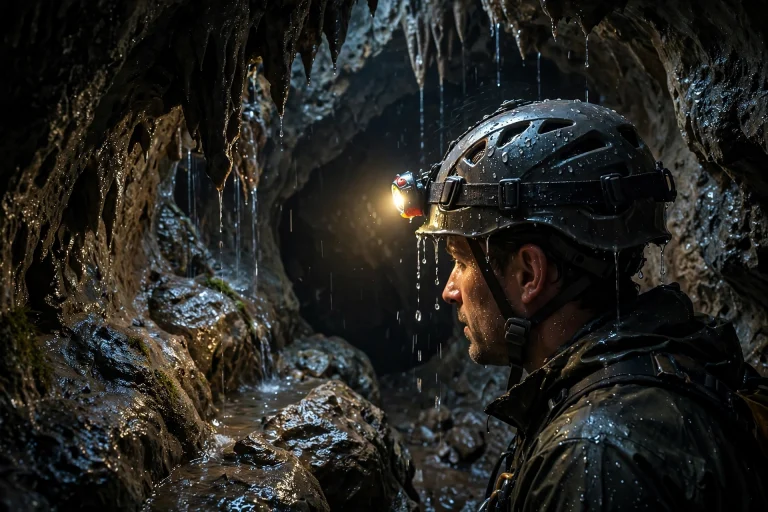
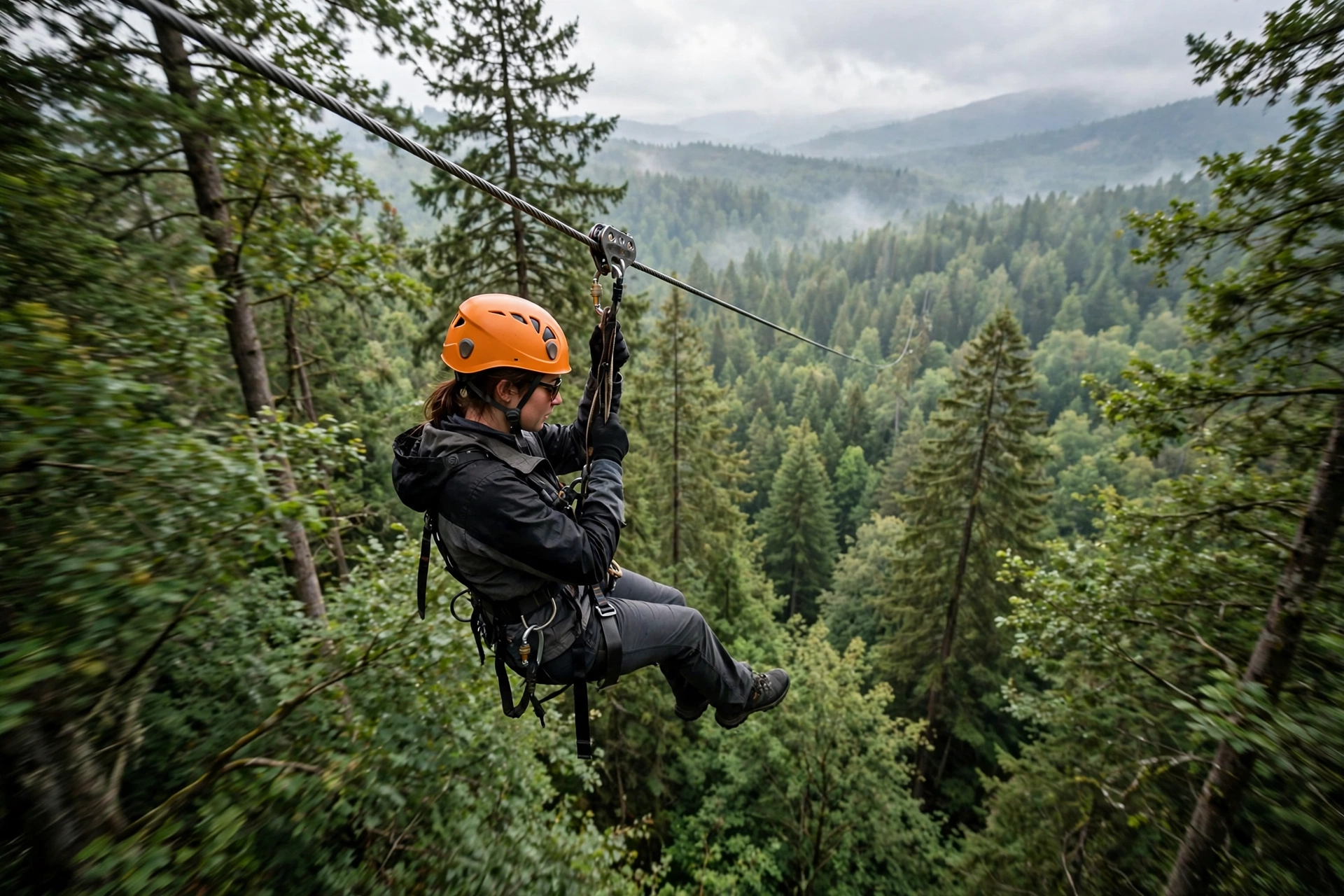
Most zip line courses provide a climbing-style or multi-activity helmet with a secure chin strap, good side coverage, and a fit system that stays put at speed. These helmets are designed for exactly this kind of use: impacts from odd angles, movement at height, and long wear in warm conditions.
The key features are retention and coverage. The helmet must stay in place when you launch, ride, and brake, without sliding over your eyes or lifting in the wind. Side and rear coverage matter because a swing into a platform can strike the side of the head just as easily as the top.
Ventilation matters too, especially on warm days when you may wait on an exposed platform between rides. Small, protected vents keep the helmet comfortable without creating weak points or letting in debris. A helmet that is comfortable is a helmet you will keep on without fuss.
Do You Need Your Own Helmet, or Will the Course Provide One?
In general terms, commercial zip line courses provide helmets as part of the experience, sized and fitted by staff. Using the course helmet is usually the simplest option: it is inspected regularly, it is known to suit that course’s equipment, and staff fit it for you.
If you prefer your own helmet, check with the operator first. Some courses allow a suitable climbing or multi-activity helmet in good condition, while others require their own helmets for consistency and inspection reasons. A helmet that is cracked, poorly fitting, or designed for a different sport may be refused, even if it looks fine to you.
For informal or backyard zip lines, the same principle applies: wear a helmet, and make it a proper climbing or multi-activity helmet with a chin strap, not a bike helmet or a hard hat pressed into service. The risks at the platforms are the same whether the line is commercial or home-built.
What Should You Check Before Riding a Zip Line?
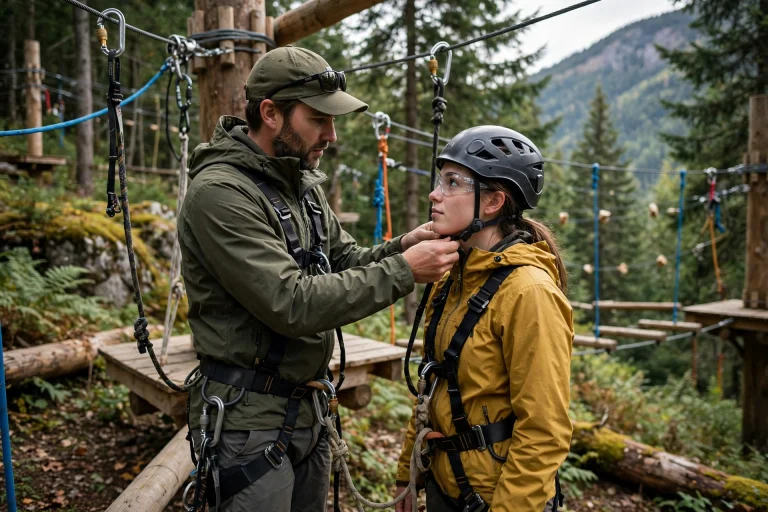
Check the helmet fit before you leave the platform. It should sit level, cover your forehead, and stay put when you shake your head, with the chin strap fastened snugly. If it rocks, lifts, or slides, ask staff to adjust it — that is what they are there for.
Check the helmet’s condition too, if it is your own: no cracks, no damaged straps, a buckle that clicks positively, and padding that holds the helmet snug. A helmet that has taken a hard knock should be retired, not reused for one more ride.
Listen to the safety briefing, even if you have zip lined before. Briefings cover that course’s braking, landing position, and signals, and they are the fastest way to learn what that particular course expects. A helmet protects you best when it is combined with the right riding position and braking technique.
Can You Zip Line Without a Helmet on a Short, Slow Line?
In general terms, no — and the length or speed of the line does not change the answer much. Short lines still have platforms, still involve stepping off at height, and still end with a stop that can go wrong. Most of the risk on any zip line is at the ends, not in the middle of the ride.
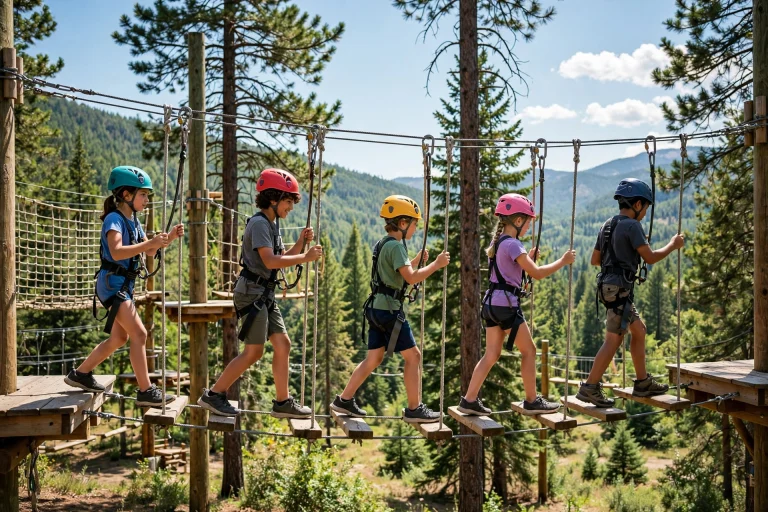
Children should always wear helmets on zip lines, without exception. They are less able to control their landing position, more likely to swing unexpectedly, and less likely to brace for a knock. A helmet is non-negotiable for young riders on any line.
The broader point is about how helmets protect you: modern designs go beyond a hard shell, and systems such as rotational-impact liners like MIPS are designed to reduce twisting forces in angled impacts — exactly the kind of glancing blow a platform edge can deliver. A helmet is cheap, light, and unobtrusive; there is no good reason to ride without one.
It is also worth remembering that a helmet protects you beyond the ride itself. Zip line courses involve stairs, platforms, and walkways at height, and the walk between lines can be as exposed as the ride. Keeping the helmet on from the safety briefing until you are back on the ground is the simplest way to stay covered for the whole experience, not just the seconds you spend in the air.
Frequently Asked Questions
Q: Is a helmet mandatory on commercial zip lines?
A: In general terms, yes. Commercial zip line courses require helmets and provide them as part of the experience, fitted by staff before you ride.
Q: Can I wear a cycling helmet on a zip line?
A: Not ideally. A cycling helmet is designed for road impacts and may not have the side coverage or retention a zip line needs. A climbing-style or multi-activity helmet with a chin strap is a better choice.
Q: What if the course helmet feels uncomfortable?
A: Tell staff before you ride. They stock a range of sizes and can adjust the fit, and a helmet that fits properly is far more comfortable than one that does not.

Olivia
Writer at Helmet Today, covering helmet reviews, fit and riding safety.