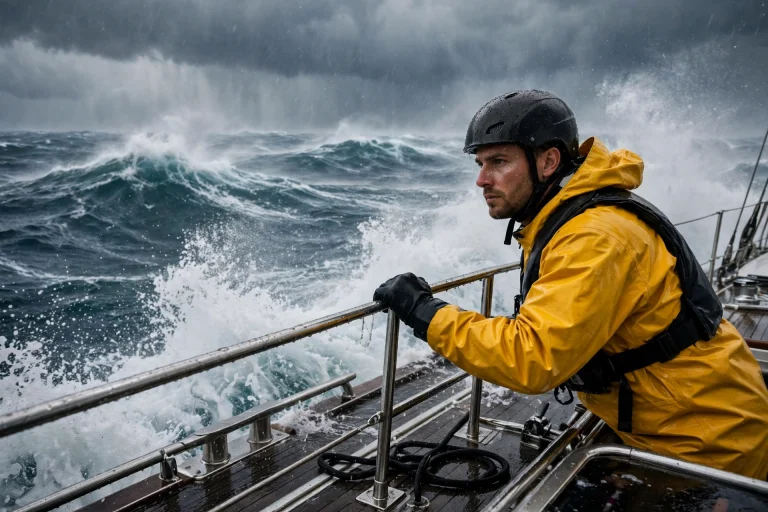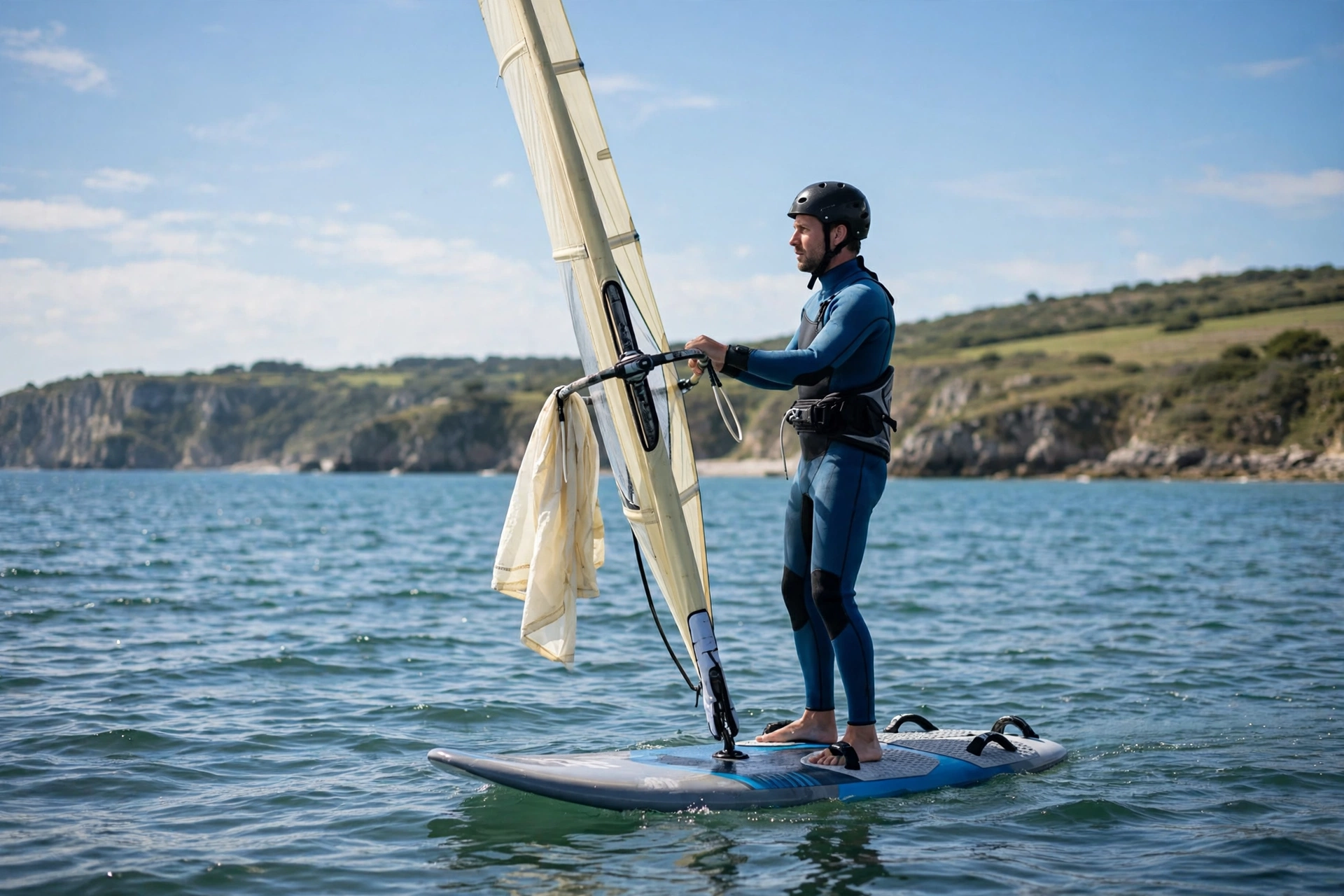
To choose a windsurfing helmet, start with fit: pick a lightweight water sports helmet that sits level, feels snug all round, and stays put when you shake your head, with ear coverage that still lets you hear the wind. From there, check drainage, ventilation and a smooth shell with no snag points, because a windsurfer falls in often and the helmet will be soaked many times in a session. A helmet that fits well and drains fast is one you will actually wear.
Windsurfing is a sport of constant small falls. Even a good rider goes in the water many times in a session, and the mast, boom and board are always close by when it happens. A helmet is cheap insurance against a knock from hard kit, but only if it is comfortable enough to wear for hours. This guide walks through the choices step by step, so you can pick a helmet that suits your sailing and your head.
What Kind of Helmet Do Windsurfers Need?
Windsurfers need a lightweight water sports helmet, not a bike or ski helmet. The helmet should be made to get wet: a shell and liner that drain quickly, dry fast and do not get heavy when soaked. Helmets designed for kayaking, canoeing and other water sports are the usual starting point, and many are sold with windsurfing in mind.
The helmet should protect the top, sides and back of the head, and give some coverage to the ears, which sit close to the boom and the mast. The shell should be smooth and free of raised edges or buckles that could catch on the sail’s ropes, the harness lines or the boom. A low profile shape is better than a tall one, because it is less likely to catch the wind or snag on kit.
Weight matters more than it might seem. A windsurfing session can last hours, and a heavy helmet adds neck strain and fatigue over that time. Look for a helmet that feels light in the hand and disappears on the head. If it feels heavy in the shop, it will feel heavier on the water.
How Should a Windsurfing Helmet Fit?
Fit is the first and most important test. Measure around your head just above the eyebrows and ears, and use the maker’s size chart as a starting point, not a final answer — head shapes vary, and two helmets in the same size can fit very differently. The helmet should sit level, covering the forehead down to just above the eyebrows, and feel snug all round without pressing hard on one spot.
Shake your head gently from side to side and up and down. The helmet should move with your head rather than sliding on its own. If it wobbles, it is too loose, and if it leaves a sore mark after a few minutes, it is too tight. Try it on for at least ten minutes in the shop, because a pressure point that is mild at first can become painful after an hour on the water.
The chin strap should fasten securely under the chin and hold the helmet in place without choking. Check that the buckle is easy to work with wet hands, because you will be adjusting it on the water. If you are learning how helmets handle different kinds of impact, reading about what MIPS is for helmets can help you understand one of the technologies used in modern helmet design.
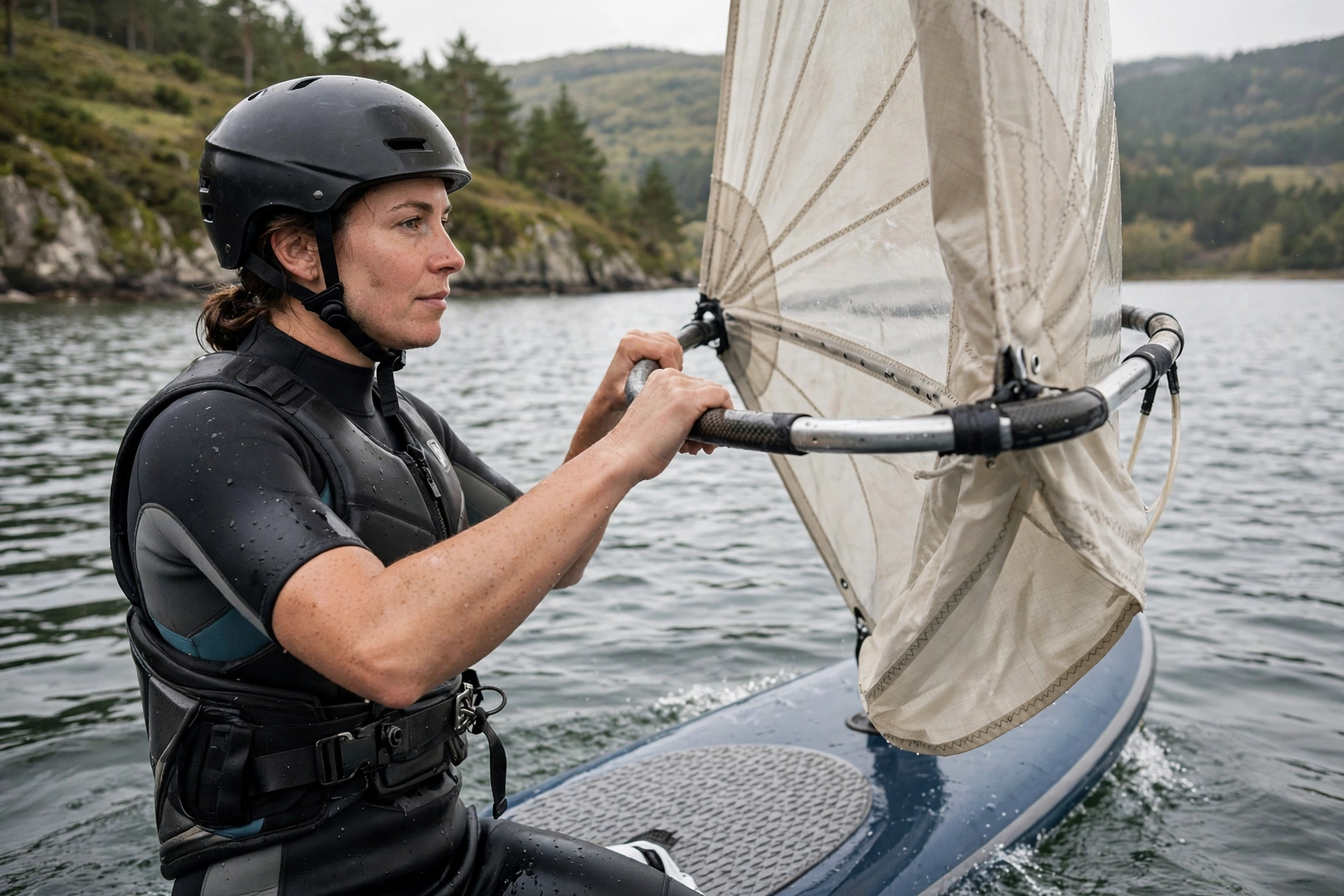
What About Ear Protection and Hearing?
Ear protection is a real trade-off in windsurfing. The ears are close to the boom and mast, and a knock there can be painful, so some coverage is useful. But the rider also needs to hear the wind, the sail and calls from other sailors, and a helmet that covers the ears completely can muffle all of that.
Many windsurfing helmets have ear holes or thinner ear pads that let sound through while still giving some protection. Some riders add ear plugs for extra protection against water in the ears, which is a separate issue from impact. Try the helmet on and listen: can you hear a normal voice clearly? Can you tell which way the wind is blowing? If not, try another model.
Also check that the helmet does not press on the ears themselves. Pressure on the ears becomes sore quickly, and a helmet that pinches will be taken off long before the session ends. Comfort and hearing are not luxuries here — they are what decide whether the helmet stays on your head.
How Important Are Drainage and Ventilation?
Drainage and ventilation are very important, because a windsurfing helmet will be dunked many times in a session. Vents should let water out quickly when you come back up, so the helmet does not sit heavy and sloshing on your head. At the same time, vents should let air in when you are sailing, so sweat can escape and the helmet does not overheat in warm weather.
Look at the liner as well as the shell. A liner that soaks up water and stays wet will feel cold and heavy, and it can take a long time to dry between sessions. A quick-drying liner, or one that can be removed and rinsed, is much easier to live with. After each session, rinse the helmet in fresh water and leave it to dry in the shade, with the vents open.
Be wary of a helmet with large open vents on top if you sail in heavy rain or surf, because water can pour in through them. A design with smaller, well placed vents is often a better compromise for windsurfing than a very open one made for another sport.
What Else Should You Check Before You Buy?
Check the helmet’s own guidance on which sports it is made for. Some helmets are tested and labelled for specific water sports, and the maker’s guidance is the best starting point. A helmet made for kayaking may still be fine for windsurfing, but read the label and ask the shop if you are unsure.
Check the strap and buckle for wear if you are buying second hand, and be cautious about a used helmet in general: you cannot always tell from the outside whether it has taken a hard knock. In general terms, a helmet that has had a serious impact should be replaced, even if the damage is not visible.
Finally, think about the conditions you sail in. Strong winds, waves and crowded water raise the chance of a hard fall, and they push the choice towards a helmet with more coverage. Calm, flat water and gentle winds push it the other way. The best helmet is the one that fits your sailing, your conditions and your head — and that you will wear every time you go out.
Frequently Asked Questions
Q: Do I need a helmet for windsurfing on flat water?
A: In general terms, it is still worth wearing one. Even on flat water, the mast, boom and board are close by when you fall, and a light knock can cause a cut or bruise.
Q: Can I use a kayak helmet for windsurfing?
A: In general terms, yes. Many kayak and water sports helmets drain well, dry fast and suit windsurfing, as long as the fit and hearing are right for you.
Q: How do I know if my windsurfing helmet fits?
A: It should sit level, feel snug all round, stay put when you shake your head, and not press hard on one spot after ten minutes of wearing it.

Olivia
Writer at Helmet Today, covering helmet reviews, fit and riding safety.