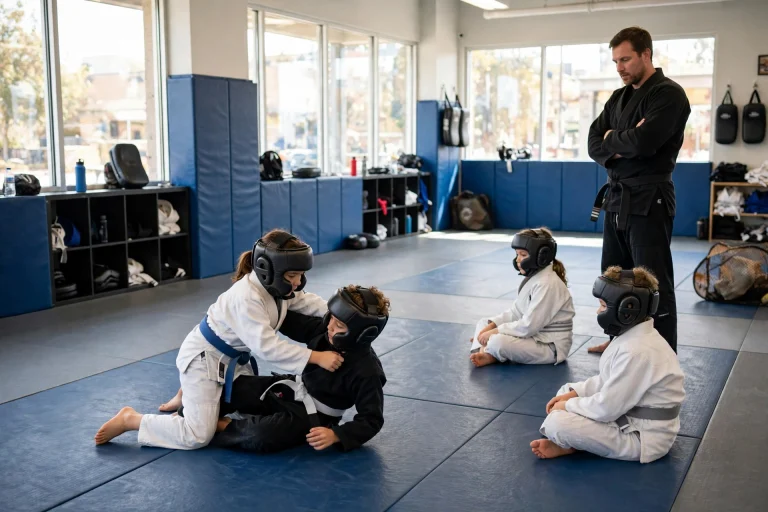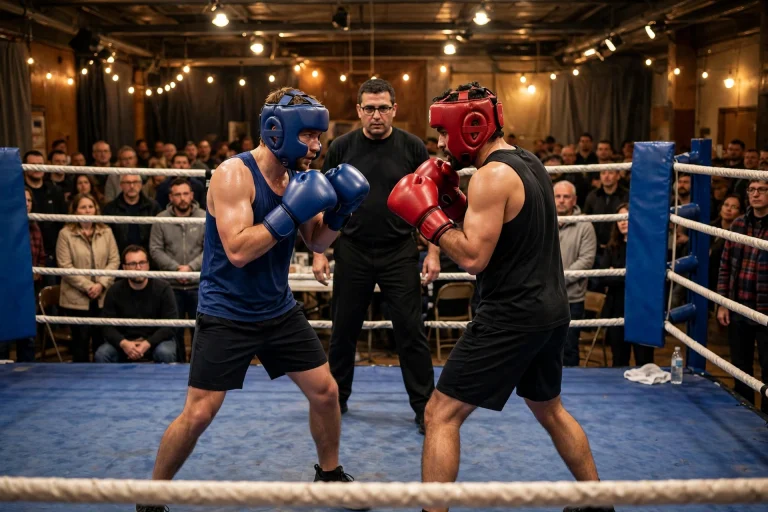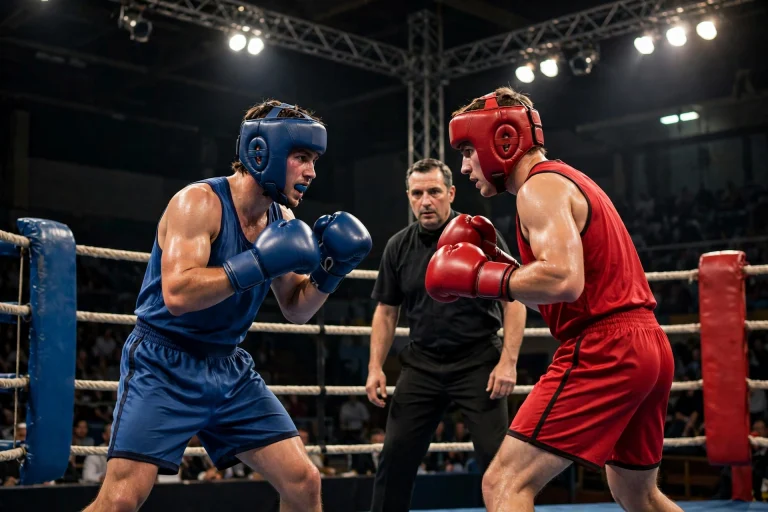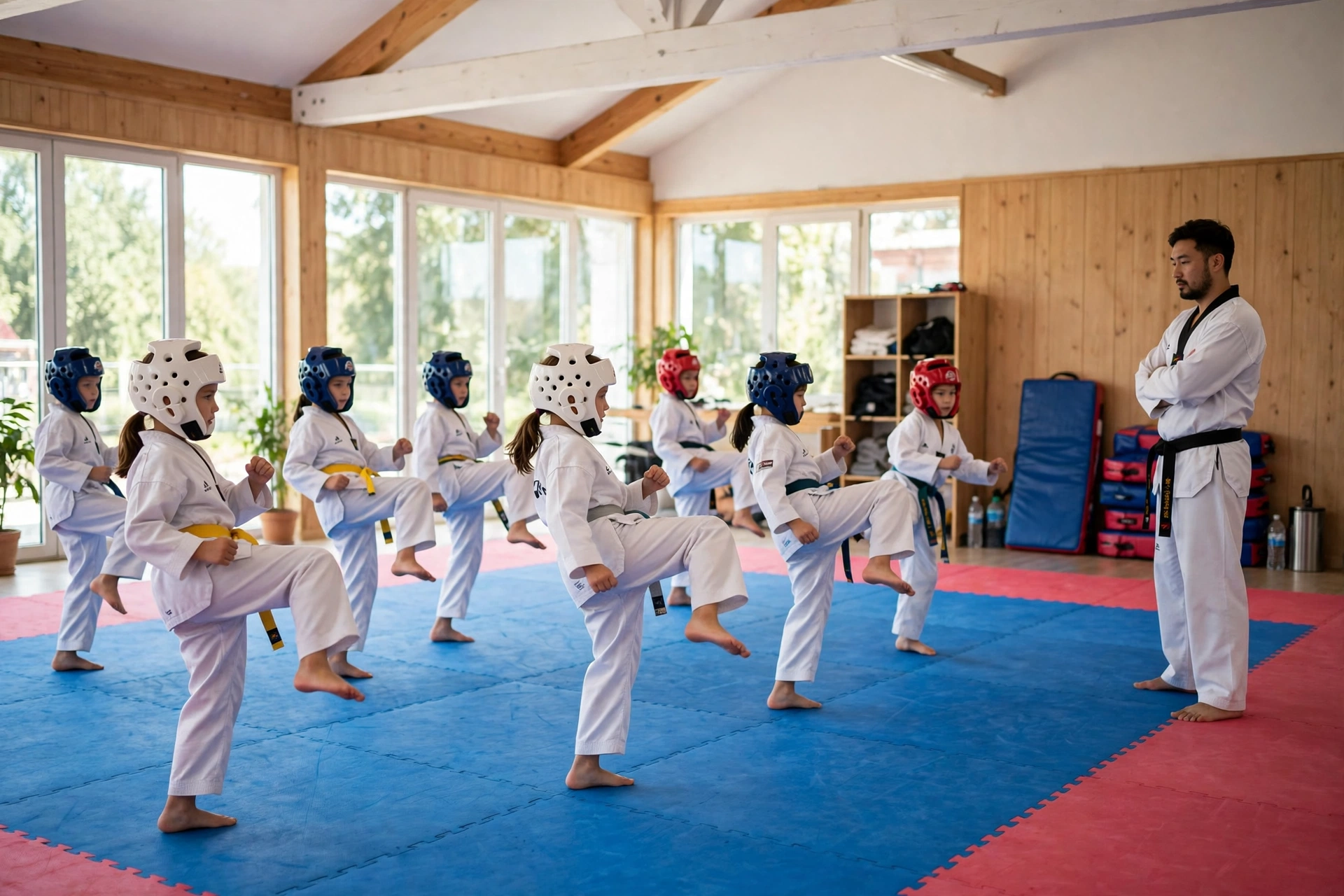
Headgear for kids taekwondo classes is padded protective headgear worn by children during taekwondo training to guard the head, ears, and face from kicks, punches, and accidental contact. It is made from soft foam with a light, close fit so that children can move, kick, and turn freely. Taekwondo classes for children focus on technique, balance, and control, and headgear adds a layer of safety during sparring and partner drills. In general terms, it helps children train with confidence while keeping bumps and bruises to a minimum.
What Is Headgear for Kids Taekwondo Classes?
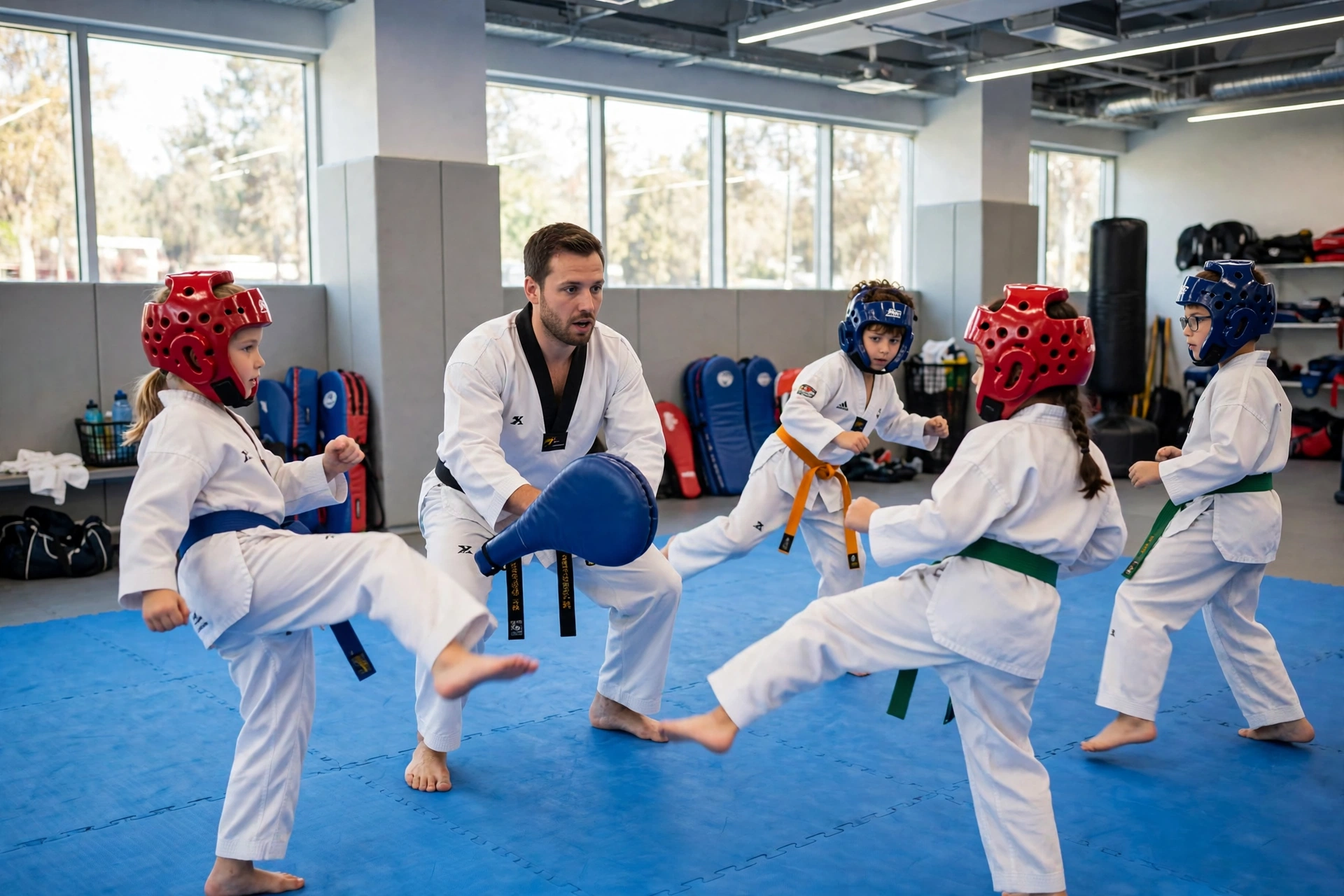
Headgear for kids taekwondo classes is a padded helmet-like piece of kit that covers the top, sides, and back of a child’s head, often with extra padding over the ears and the forehead. It is made from lightweight foam covered in a smooth, durable material, and it fastens with straps under the chin. Some designs leave the face open for a clear view, while others add a clear or padded guard across the face for extra cover during sparring.
The headgear is sized for children, with a smaller shell and softer padding than adult headgear. It is designed to stay in place during the quick turns, kicks, and footwork of taekwondo, without blocking the child’s hearing or vision. Many clubs ask children to wear headgear for sparring, even when contact is light, because a mistimed kick or a slip can still catch the head.
Why Do Kids Need Headgear in Taekwondo?
Children need headgear in taekwondo because sparring and partner drills involve kicks and punches aimed near the head, and even controlled contact can sting or bruise. A child’s head is still growing, and their coordination is still developing, so a kick that misses its target or a fall during a drill can catch them off guard. Padded headgear spreads the force of a light blow and helps prevent cuts, bruises, and ear injuries.
Headgear also helps children feel safe enough to practise properly. A child who is worried about being hurt may hold back, flinch, or avoid sparring altogether, which slows their learning. If you want to understand one of the safety technologies used in modern helmets, reading about what MIPS is for helmets is a good place to start, though soft taekwondo headgear uses foam padding rather than that system. With headgear on, children can focus on their technique and enjoy the class.
How Should Kids Taekwondo Headgear Fit?
Kids taekwondo headgear should fit snugly all round the child’s head, with the padding in contact with the skull and the ear covers sitting directly over the ears. It should sit level, covering the forehead, and it should not slide forward over the eyes or backward off the head when the child moves. The chin strap should be snug enough to hold the headgear in place, but not so tight that it presses uncomfortably on the chin or throat.
Because children grow quickly, the fit should be checked often. A good test is to ask the child to shake their head gently from side to side and nod up and down: the headgear should stay put. If it wobbles, tighten the strap or try a smaller size. If it leaves red marks or the child complains of pressure, try a larger size or a different shape, since a comfortable fit is what keeps a child willing to wear it.
What Types of Taekwondo Headgear Are There for Kids?
The most common type for children is open-face headgear, which covers the top, sides, and back of the head and leaves the face clear. It is light, cool, and easy to see and breathe through, which suits most class sparring. Some open-face designs add extra padding on the forehead and the back of the head for children who are new to sparring.
There is also headgear with a face guard, which adds a clear visor or padded bars across the face for extra protection. This type is often used for younger children or for sparring with more contact, where a kick to the face is more likely. In general terms, either type can work well, and the best choice is the one that fits the child, suits the club’s rules, and feels comfortable enough to wear for a whole class.
How Do You Look After Kids Taekwondo Headgear?
Kids taekwondo headgear should be wiped down after each class to remove sweat and dirt. A damp cloth with mild soap is usually enough, and the headgear should then be left to air dry away from direct heat. It is a good idea to let it dry fully before putting it away in a kit bag, because damp headgear left in a closed bag can develop odours and wear out faster.
Check the headgear regularly for wear. Look for torn fabric, split seams, flattened padding, or a strap that no longer holds firmly. Children’s headgear takes a lot of handling, and straps and fastenings can wear out sooner than expected. Keeping the headgear clean and dry, and storing it somewhere it will not be squashed, helps it last longer and stay comfortable to wear.
When Should Kids Taekwondo Headgear Be Replaced?
Kids taekwondo headgear should be replaced when the child has outgrown it, which can happen quickly. If the headgear no longer covers the ears properly, feels tight, or leaves marks on the forehead, it is time for a larger size. A headgear that is too small cannot protect the head as it should, and it will also be uncomfortable enough that a child may refuse to wear it.
Damage is another reason to replace it. If the padding has gone flat, the fabric is torn, or the strap no longer keeps the headgear secure, it should be replaced rather than patched up. In general terms, checking the fit and condition at the start of each term is a good habit, since a child who has grown over the holidays may need a new size before the next class.
Is headgear required for kids taekwondo classes?
Rules differ by club and by the type of class. Many clubs require headgear for sparring, while others leave it optional for drills without contact. It is worth asking the instructor what the club expects before the first class.
Can my child wear headgear for other martial arts?
Often yes, in general terms, as long as it fits well and suits the activity. Taekwondo headgear is light and open-faced, so it can work for other striking arts, but grappling and some other styles use different headgear, so it is worth checking with the instructor first.
Does taekwondo headgear stop all head injuries?
No headgear can remove the risk entirely. It greatly reduces the force of light kicks and bumps and helps prevent cuts and bruises, but a hard or awkward blow can still cause injury, so it should be worn with good technique and proper supervision.

Olivia
Writer at Helmet Today, covering helmet reviews, fit and riding safety.