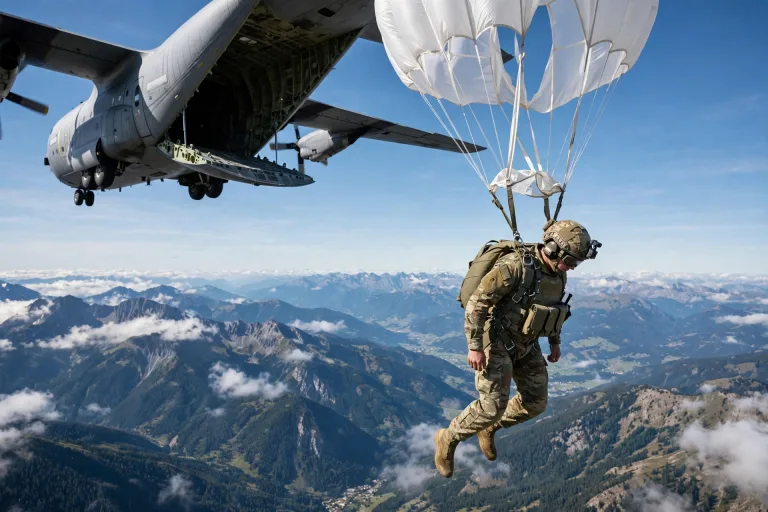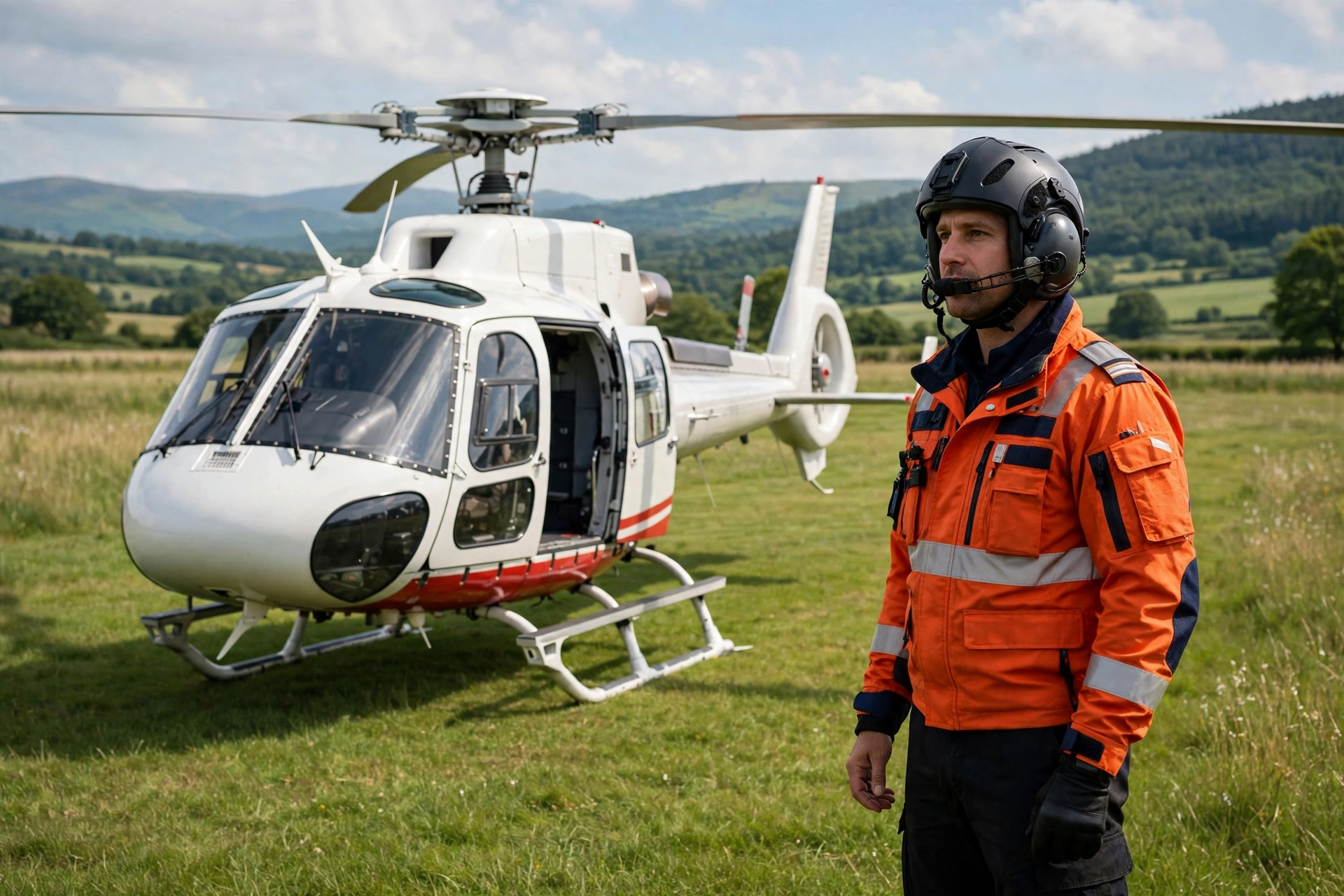
A helmet for air ambulance crew is a protective helmet worn by the medical team on an air ambulance helicopter to protect the head from knocks inside the aircraft, from rotor wash and debris on the ground, and from injury during loading and unloading, and in general terms every crew member should wear one that fits well on every mission. Air ambulance crews work in and around helicopters in urgent, fast-moving situations, often landing in fields, on roads, or on rooftops where the ground is uneven and the wind from the rotors is strong. A helmet is treated as essential safety equipment for the crew, not as an optional extra.
The crew member may be a paramedic, a nurse, or a doctor, and their job is to care for the patient while the helicopter is moving, landing, or taking off. That work involves bending, lifting, and moving in a cramped cabin where the head can easily strike a door frame, a medical fitting, or a piece of equipment. A helmet gives protection in those moments, and it also protects the crew on the ground as they approach or leave the aircraft.
Why does air ambulance crew need a helmet?
Air ambulance crew need a helmet because the helicopter environment is full of hard surfaces, moving parts, and strong wind, and the crew work in it under pressure and in a hurry. Inside the cabin, the crew lean over patients, reach for kit, and move between seats in a space that is much smaller than a hospital ward. In general terms, a helmet spreads the force of a knock and helps to protect the skull, and that protection matters all the more when the crew cannot always watch where their head is going.
Outside the aircraft, the danger comes from the rotor wash, which can lift stones, dust, and loose debris into the air at speed, and from the tail rotor of the helicopter itself. A crew member walking near the aircraft may not see a hazard until it is close.
What kind of helmet is best for air ambulance crew?
The best helmet for air ambulance crew is, in general terms, a light, well-fitting flight helmet with a hard outer shell, a secure chin strap, and a built-in headset or a clear way to use a headset and a radio. Communication is vital on a medical mission, so the helmet must work with the aircraft intercom and let the crew hear each other clearly. The key points are a snug fit, good hearing protection, and a design that does not get in the way of medical work.
The helmet should also be comfortable for long missions, because a crew member may wear it for hours at a time, including during a flight, a landing, and the care of a patient on the ground. Padding that can be adjusted, vents that keep the head cool, and a visor or a way to wear eye protection are practical features. A helmet that is too heavy or that presses on the head will become a distraction when the crew need to focus on the patient, so comfort matters as much as protection.
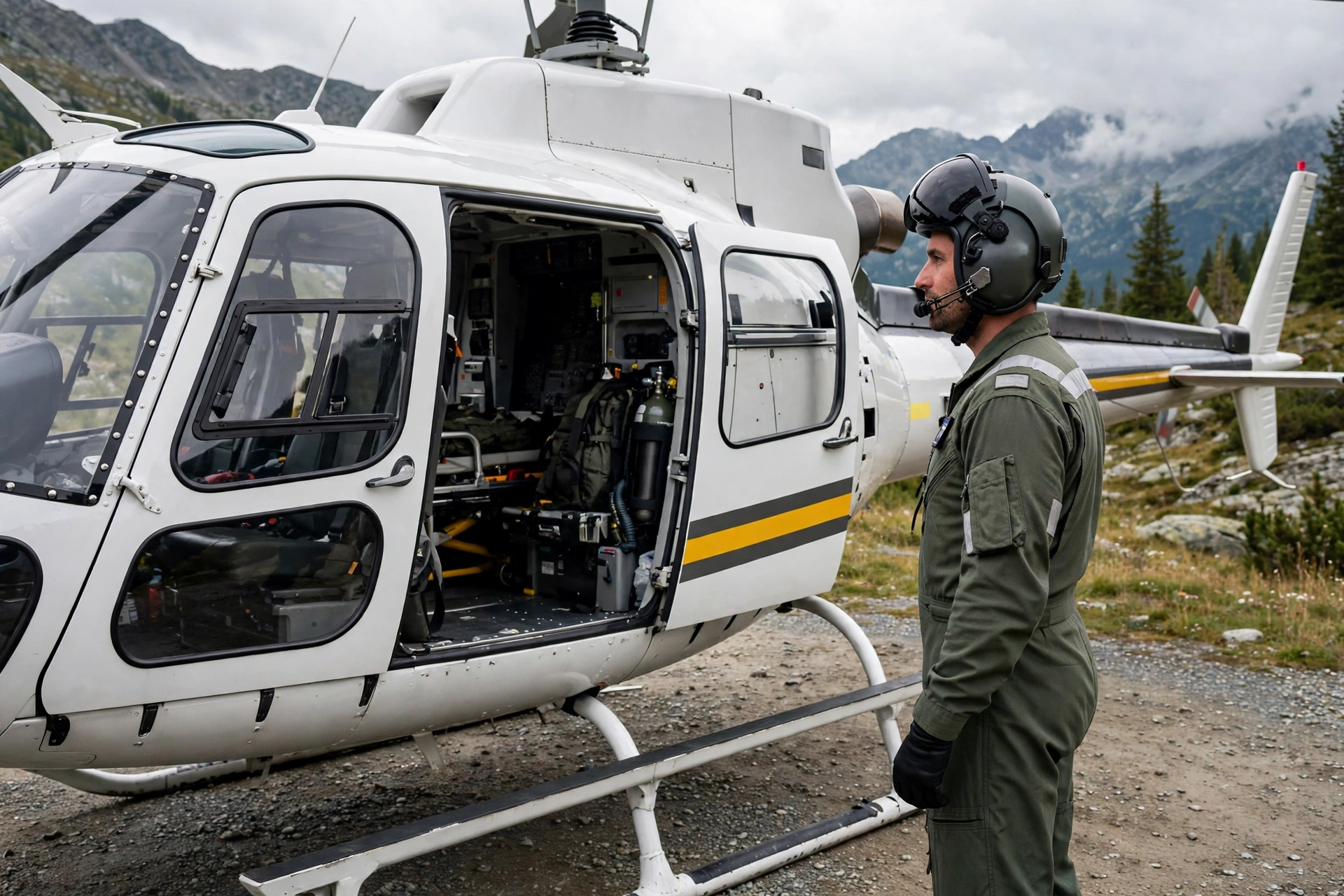
How should a helmet for air ambulance crew fit?
A helmet for air ambulance crew should fit snugly, sit level on the head, and stay in place when the wearer bends, lifts, or turns quickly. The helmet should cover the forehead and the top of the head, and the chin strap should be fastened securely every time the crew member is near the aircraft. A strap that is left loose lets the helmet shift in the rotor wash or slide in a fall, and a helmet that comes off at the wrong moment is no help at all.
The fit should be checked with the headset and any other gear the crew member will actually wear, because a headset can change how a helmet sits. The ear cups should seal well against the head so that engine noise is kept out, and the helmet should not press on the headset or push it out of place. The crew member should also check that the helmet does not block their vision, because they need a clear view of the patient, the landing site, and the rest of the team.
What should the crew check before a mission?
Before a mission, a crew member should check the helmet for cracks, dents, or damage to the shell, and should look at the lining, the strap, and the buckle to make sure they are sound and working. The headset, the microphone, and the radio connection should be tested too, because a helmet that cannot communicate is a problem on a mission. A helmet that has taken a knock or a fall should be looked at with care, and in general terms a helmet that has taken a serious impact should be replaced rather than used again.
The crew should also check the landing site, the weather, and the plan for the mission before setting off. A helmet is only one part of staying safe around a helicopter, and it works best when the crew also follow the aircraft safety briefing, approach the helicopter in the right direction, and keep clear of the tail rotor.
How should an air ambulance crew helmet be looked after?
An air ambulance crew helmet should be looked after with regular cleaning and sensible storage, in the same way as any professional helmet. After a mission, the crew member should wipe the helmet clean, check the lining and the headset, and let it dry naturally away from direct heat. Strong heat, such as a hot vehicle, can harm the materials in a helmet over time, so a cool, dry place is a better choice for storage.
The helmet should be kept where it will not be knocked about or used as a seat or a shelf, because a hard knock can damage it even when no crack is visible. A helmet bag is a simple way to protect it between missions, and it also keeps dust and dirt out of the headset and the lining. Crew members who are choosing a new helmet may also want to learn about features that can help in a fall, including a system designed to reduce rotational forces, such as MIPS, which is found in some helmets made for aviation and rescue work. A well-kept helmet, worn on every mission, gives an air ambulance crew member the best chance of working safely around the aircraft.
Do all air ambulance crew wear a helmet?
In general terms, most air ambulance crews wear a helmet when working around the helicopter, and many services expect it as part of their safety rules. A crew member who is unsure should check the rules of their own service before a mission.
Can a regular flight helmet be used by air ambulance crew?
Yes, in general terms a flight helmet that fits well and works with the aircraft headset and radio is often suitable for air ambulance crew. The key points are fit, hearing protection, and clear communication.
When should an air ambulance crew helmet be replaced?
An air ambulance crew helmet should be replaced after a hard impact or a fall, or when it no longer fits well, shows damage, or has been worn for a long time. When in doubt, replace it rather than keep flying in it.

Olivia
Writer at Helmet Today, covering helmet reviews, fit and riding safety.