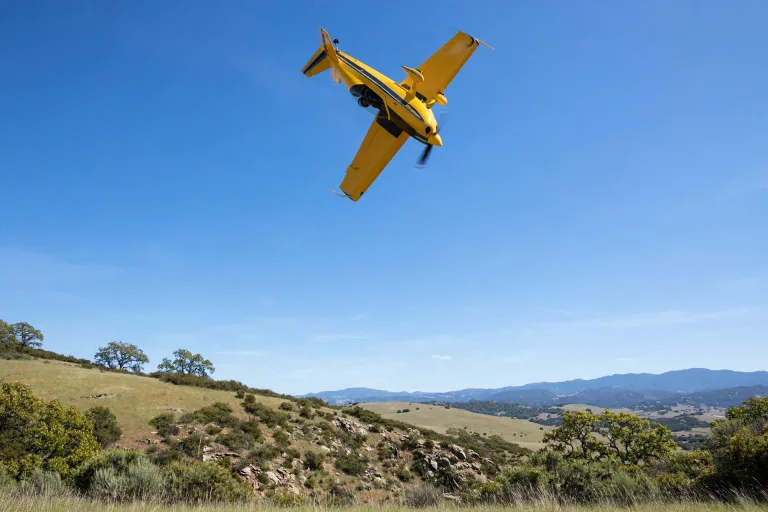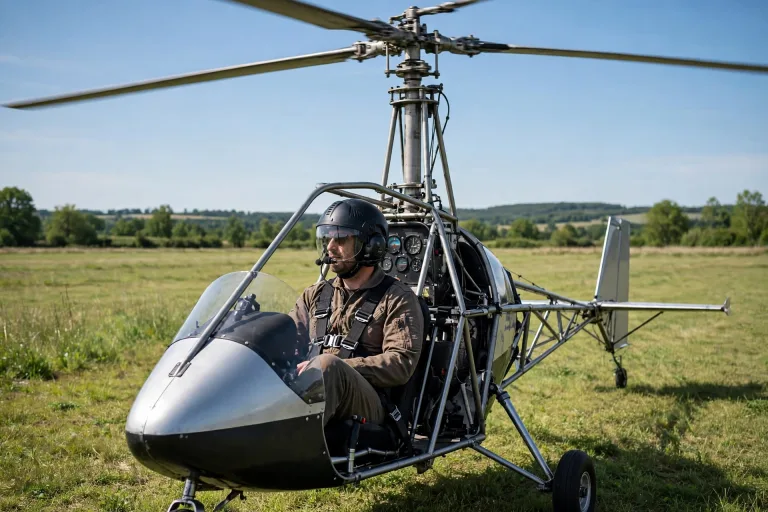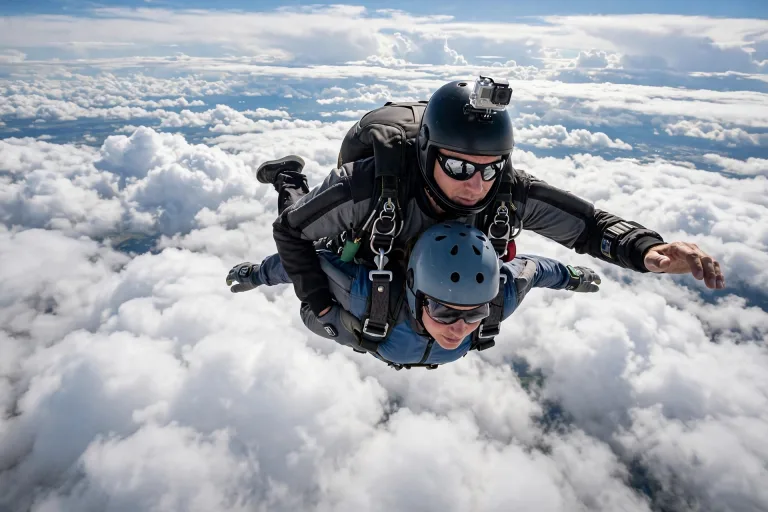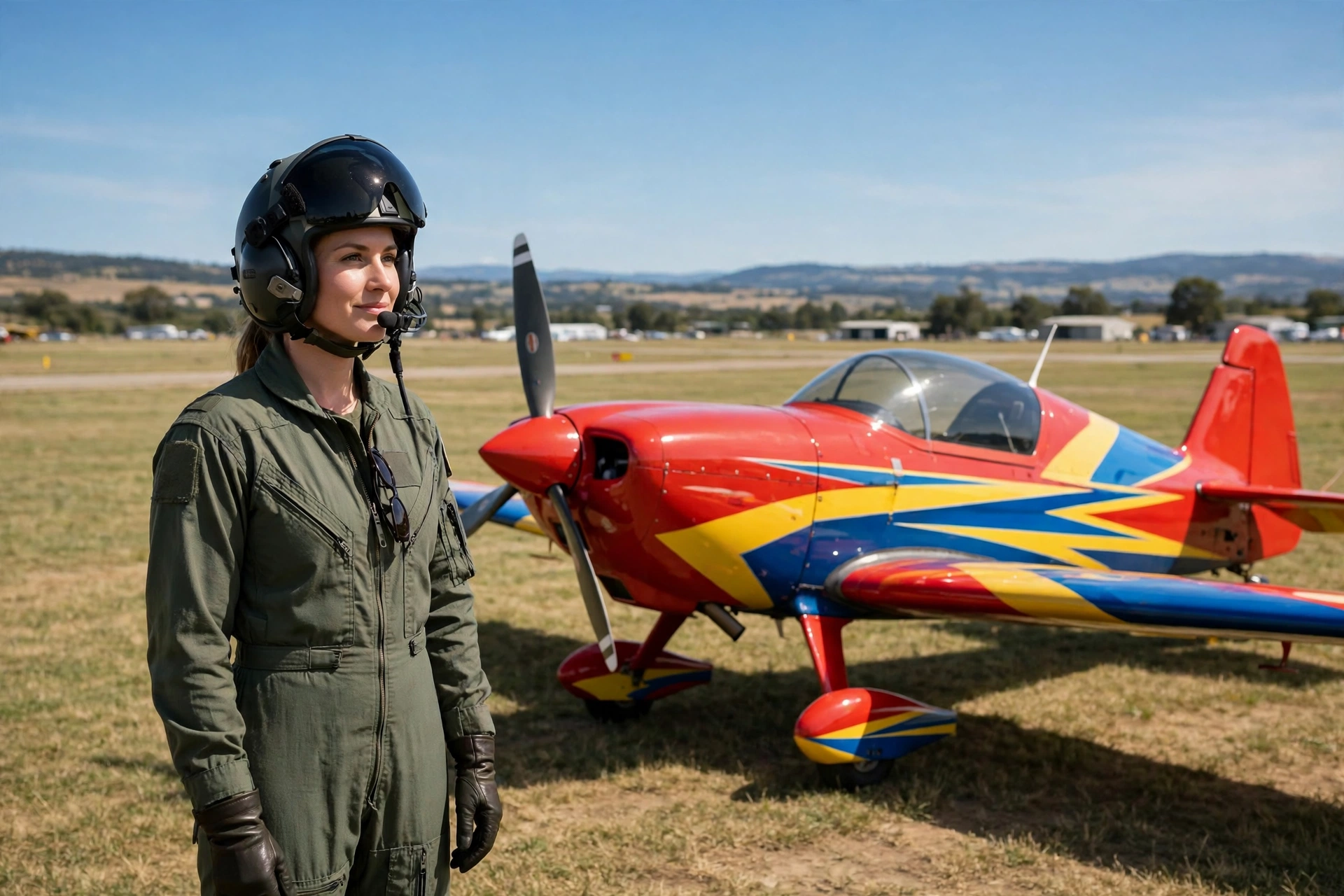
A helmet for airshow performers is a helmet worn by a pilot flying aerobatics or display routines to protect the head in a hard landing or an emergency, and in general terms every airshow performer should wear one that fits well and works with their headset and oxygen mask. An airshow performer flies a plane through rolls, loops and tight turns in front of a crowd, often at low height and high speed, and the forces on the body are far greater than in ordinary flying. A helmet gives the pilot protection if something goes wrong, and it also carries the headset and visor the pilot needs to fly safely.
The airshow pilot sits in a cockpit that is shaken by the engine and thrown around by the manoeuvres, and the head is close to the canopy, the instrument panel and the cockpit frame. A sudden jolt, a hard landing, or an emergency exit can all put the head at risk. A helmet gives the pilot a layer of protection in those moments, and it also helps to cut wind noise and to keep the sun out of the pilot’s eyes during a display.
Why do airshow performers wear a helmet?
Airshow performers wear a helmet because the flying they do is far more demanding than ordinary flight, and a problem at low height leaves very little time to react. A routine flown close to the ground means that even a small fault can become serious in seconds, and a helmet protects the head if the aircraft hits the ground hard or if the pilot has to leave the aircraft in a hurry. In general terms, a helmet spreads the force of an impact and helps to protect the skull when the pilot cannot control how the aircraft comes down.
There is also the risk of being struck by part of the cockpit, such as the canopy frame or the instrument panel, if the aircraft is thrown around by turbulence or by a sudden manoeuvre. A helmet gives a layer of protection against those knocks too. Noise is another reason: an airshow cockpit is loud, and a helmet with a good headset helps the pilot to hear the radio and the display director on the ground.
What kind of helmet is best for airshow performers?
The best helmet for airshow performers is, in general terms, a light, well-fitting flight helmet with a hard outer shell, a secure chin strap, and a fit that works with a headset, a visor and an oxygen mask. Many performers use a helmet made for military or aerobatic flying, because those helmets are light, comfortable, and made to cope with high forces and long hours in the cockpit. The key points are a snug fit, good hearing protection, and a visor that shields the eyes from sun and wind.
The helmet should also cope with the heat and noise of a display cockpit. A helmet worn in an airshow will get hot under the sun, so it should be comfortable to wear for a long time. A helmet that lets the pilot swap visors easily is a practical choice for bright and cloudy days alike. A helmet that is too heavy or too tight will become a distraction during a routine, so comfort matters as much as protection.
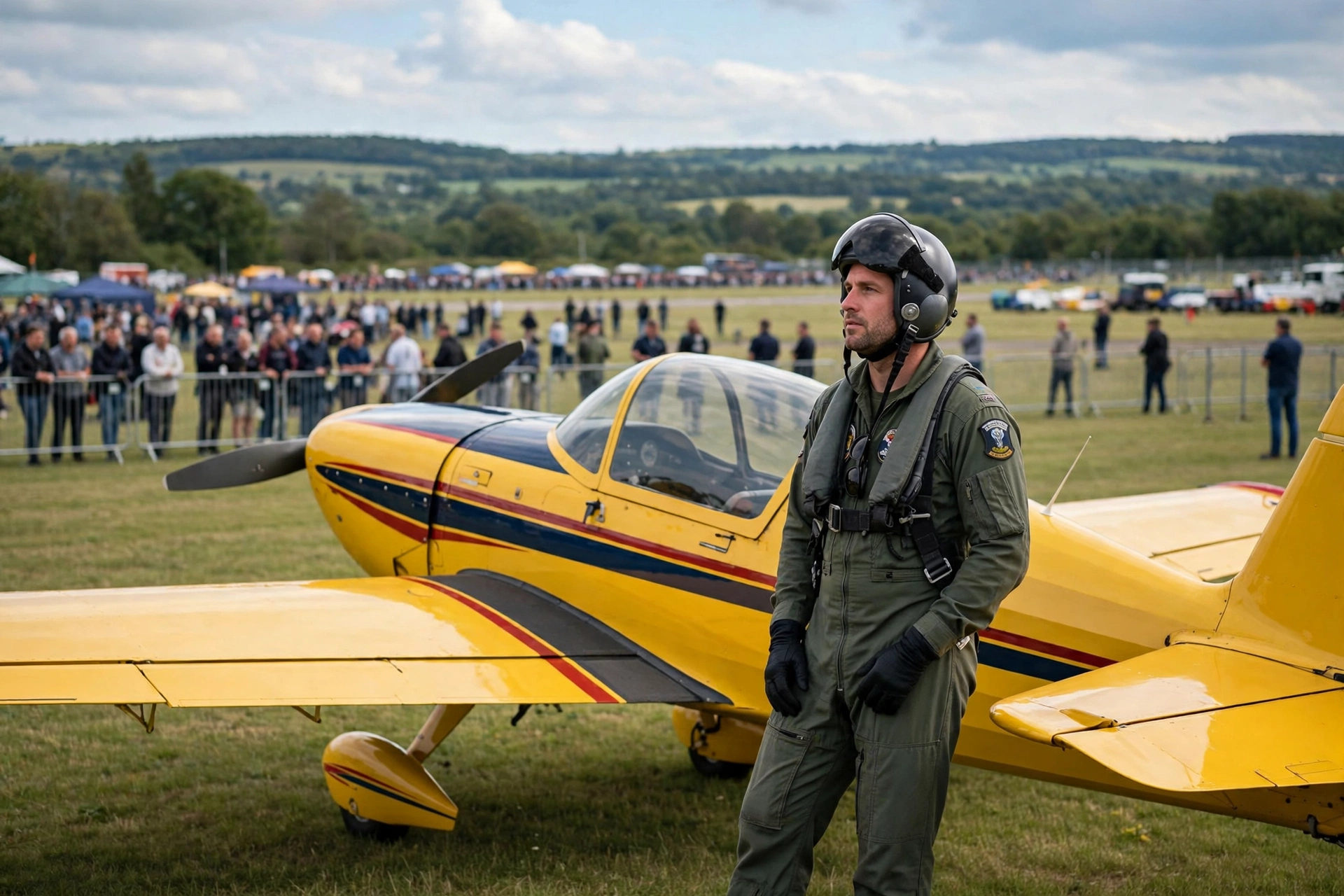
How should a helmet for airshow performers fit?
A helmet for airshow performers should fit snugly, sit level on the head, and stay in place when the pilot moves their head quickly or pulls hard through a turn. The helmet should cover the forehead and the top of the head, and the chin strap should be fastened securely every time the pilot is in the aircraft. A strap that is left loose lets the helmet lift in the airflow or slide in a jolt, and a helmet that moves around is a distraction during a display.
The fit should be checked with the headset, visor and oxygen mask the pilot will actually wear, because that equipment can change how a helmet sits. The visor should sit neatly against the helmet without leaving a gap that lets in sun or wind, and the helmet should not press on the headset or push it out of place. The pilot should also check that the helmet does not block their hearing, because they need to hear the radio and any warnings from the ground.
What should a performer check before a flight?
Before a flight, a performer should check the helmet for cracks, dents, or damage to the shell, and should look at the lining, the strap, the visor and the buckle to make sure they are sound and working. A helmet that has been dropped onto a hard surface, or that has taken a knock in the cockpit, should be looked at with care, and in general terms a helmet that has taken a serious impact should be replaced rather than used again. The damage may not be easy to see, so the pilot should think honestly about what the helmet has been through.
The performer should also check the weather, the display area, and the condition of the aircraft before taking off. A helmet is only one part of staying safe at an airshow, and it works best when the pilot also checks the display box, the wind, and the aircraft before taking off. Flying with a clear plan, a good briefing, and a ground crew the pilot trusts are sensible habits too.
How should an airshow performer’s helmet be looked after?
An airshow performer’s helmet should be looked after with regular cleaning and sensible storage, in the same way as any flight helmet. After a display, the pilot should wipe the shell and the visor clean, check the lining and the headset for wear, and let the helmet dry naturally away from direct heat. Strong heat, such as a hot cockpit or a hot car, can harm the materials in a helmet over time, so a cool, dry place is a better choice for storage between shows.
The helmet should be kept where it will not be knocked about or used as a seat or a shelf, because a hard knock can damage it even when no crack is visible. A helmet bag is a simple way to protect it between displays. Pilots who are choosing a new helmet may also want to learn about features that can help in a fall, including a system designed to reduce rotational forces, such as MIPS, which is found in some helmets made for flying and high-force sports. A well-kept helmet, worn every time, gives an airshow performer the best chance of enjoying a safe display in front of the crowd.
Do all airshow performers wear a helmet?
In general terms, most airshow performers wear a helmet today, and many display teams and events expect it. A performer who is unsure should check the rules for the display and the aircraft before flying.
Can a motorcycle helmet be used for airshow flying?
No, in general terms a motorcycle helmet is not suitable for airshow flying. A flight helmet is made to work with a headset, a visor and an oxygen mask, and a motorcycle helmet does not fit that equipment properly.
When should an airshow performer’s helmet be replaced?
An airshow performer’s helmet should be replaced after a hard impact, or when it no longer fits well, shows damage, or has been worn for a long time. When in doubt, replace it rather than keep flying in it.

Olivia
Writer at Helmet Today, covering helmet reviews, fit and riding safety.