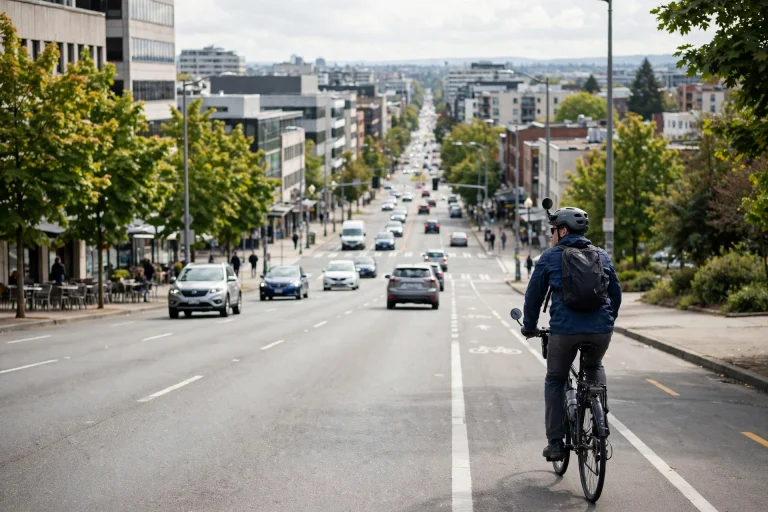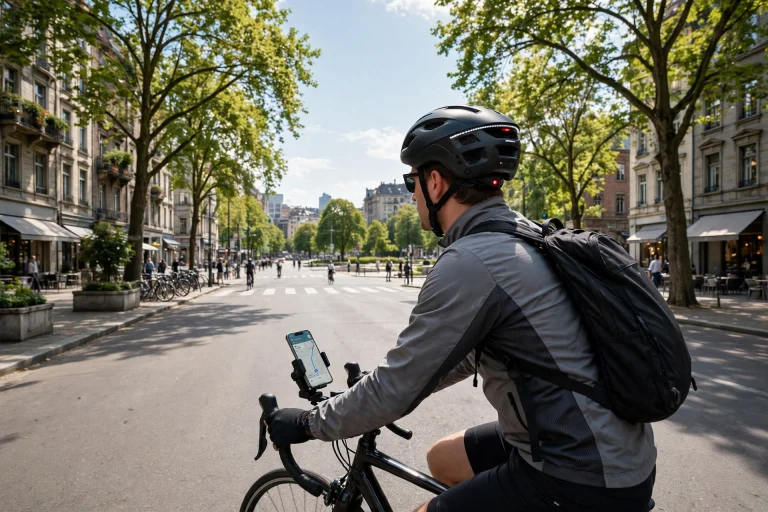
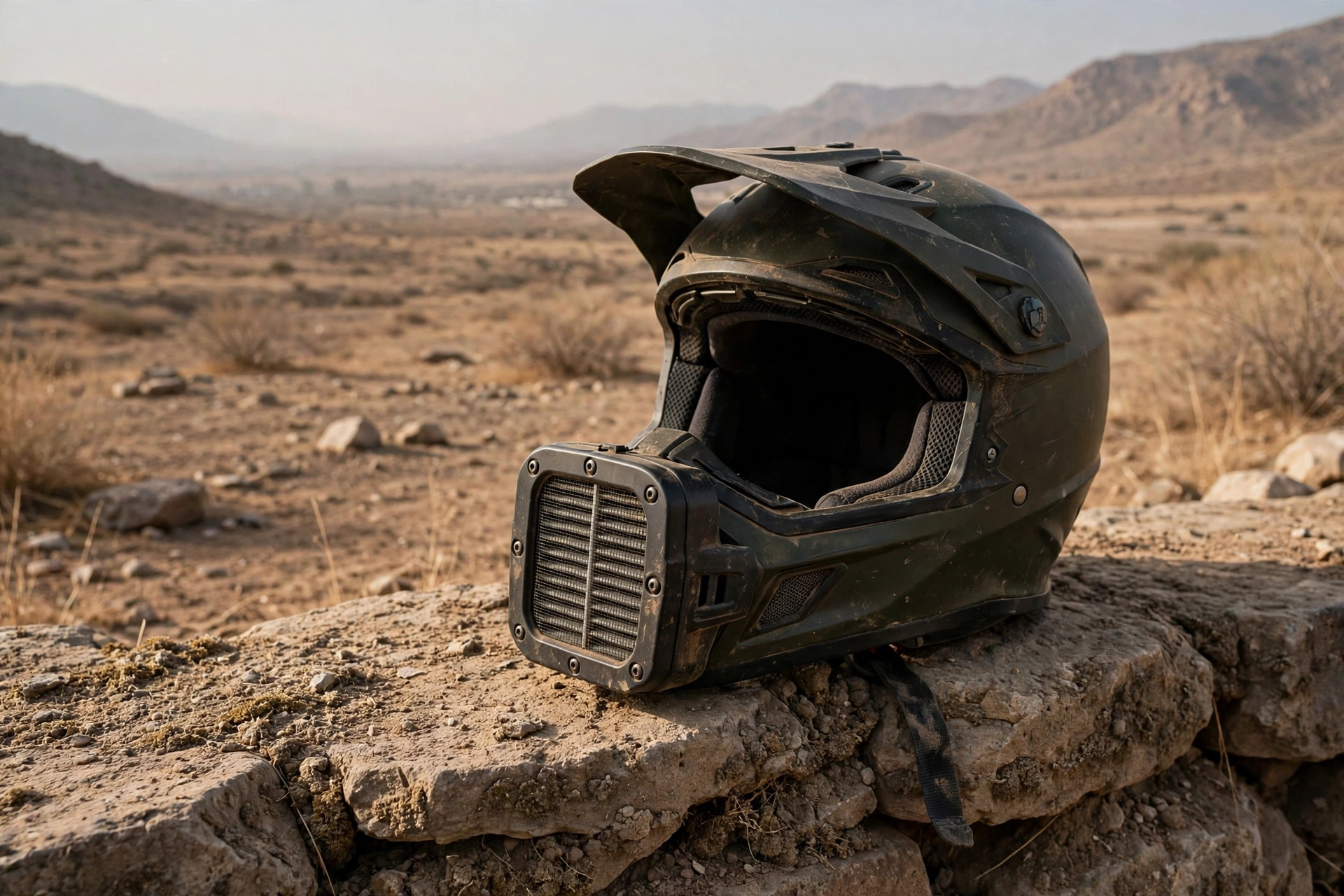
A helmet with a built-in air filter is a helmet that has a filter fitted into it, usually around the mouth and nose area, designed to clean the air the rider breathes. It catches dust, pollen, and other small particles before they reach the lungs, while still letting air flow freely enough for comfortable breathing. The filter is part of the helmet itself, so it is always in place when the helmet is worn, and there is nothing extra to carry or fit. Air filters are most useful in dusty, smoky, or polluted conditions, where the air the rider breathes is full of particles.
How Does a Built-In Air Filter Work?
The filter is a layer of fine material, such as a mesh or a fibrous pad, set across the air intake of the helmet, usually in front of the mouth and nose. As the rider breathes in, air passes through the filter, and the tiny particles in the air are caught in the fibres while the air itself flows through. The filtered air then reaches the rider’s lungs, while the dust and other particles stay trapped in the filter.
In general terms, the finer the filter, the smaller the particles it can catch, but a very fine filter can also make breathing feel harder, because it slows the air down. Helmet makers try to find a balance, using a filter that catches the common dust and pollen without making the rider feel short of breath. Some helmets have a valve that lets air out easily when the rider breathes out, so the filter only slows the air coming in.
Why Would a Rider Need an Air Filter in a Helmet?
A rider would need an air filter in a helmet when the air on the route is full of dust, smoke, or pollution. Off-road riders on dry trails can spend hours breathing in dust kicked up by their own wheels or by other riders ahead, and road riders in busy cities breathe in exhaust fumes and road dust. Construction workers and others who ride or work in dusty places face the same problem.
Breathing in dusty air is uncomfortable and can make the rider cough, sneeze, or feel short of breath, which is distracting and tiring on a long ride. For riders with asthma or allergies, pollen and dust can be a bigger problem still. A filter takes some of that load away, so the rider can breathe more easily and stay comfortable for longer. In general terms, it does not make the air perfectly clean, but it does reduce the amount of dust and particles that reach the lungs.
Does an Air Filter Make Breathing Harder?
An air filter can make breathing feel slightly harder, because the air has to pass through the filter material before it reaches the rider. In general terms, the effect is small on a well-designed helmet, and most riders get used to it quickly, especially at a steady pace. On a hard climb or a fast effort, though, when the rider is breathing deeply, the extra resistance can be more noticeable.
Some helmets deal with this by using a larger filter area, which spreads the air over more material and keeps the resistance low. Others make the filter removable, so the rider can take it out on clean-air days and fit it only when the air is dusty. If breathing feels hard with the filter in place, it may be that the filter is clogged with dust and needs cleaning or replacing, which brings the airflow back to normal.
What Is the Difference Between an Air Filter and a Face Mask?
An air filter in a helmet and a separate face mask do a similar job in different ways. A face mask is worn over the nose and mouth under or over the helmet, and it can be put on or taken off at any time. A built-in filter is part of the helmet, so it is always there when the helmet is worn, and it is held in the right position by the helmet itself rather than by straps around the ears or head.
A mask can be easier to change and can be chosen to match the conditions of the day, while a built-in filter is more convenient because it needs no extra fitting. In general terms, either can help in dusty conditions, and some riders use both, with the helmet filter for general dust and a mask for very dusty days. If you want to understand one of the safety technologies used in modern helmets, reading about what MIPS is for helmets is a good place to start, though an air filter itself is a comfort and health feature rather than a safety system.
How Do You Clean and Replace a Helmet Air Filter?
Cleaning and replacing a helmet air filter depends on the type of filter fitted. Some filters are washable and can be rinsed gently with warm water and mild soap, then left to dry fully before being put back. Others are disposable and should be thrown away and replaced when they become clogged or worn, rather than washed, because washing can damage the fibres and make the filter less effective.
It is worth checking the filter regularly, especially after dusty rides, and looking for a build-up of dust, a change in colour, or any tears in the material. A clogged filter makes breathing harder and lets less air through, so it should be cleaned or replaced rather than left in place. In general terms, the maker’s instructions will say whether the filter is washable or disposable and how often it should be changed, and following those instructions keeps the filter working as it should.
When Is a Built-In Air Filter Most Useful?
A built-in air filter is most useful on dry, dusty trails, on busy roads with heavy traffic, and in places where the air carries a lot of pollen, smoke, or dust. Off-road riders in summer, commuters in city traffic, and workers on dusty sites are the people most likely to benefit. It is also useful during harvest time in farming areas, when the air can be full of dust and plant particles for weeks at a time.
The filter is less important on clean country roads, in wet weather, or in winter, when the air is usually clearer and dust is kept down by rain. That is why some riders prefer a removable filter, so they can use it only when it is needed. In general terms, an air filter is a small feature that makes a big difference in the right conditions, and it costs the rider little to have it there on a ride when the air is clean.
Does a helmet air filter protect against all pollution?
No. A helmet filter catches dust and larger particles, but it does not remove gases or very fine fumes from the air. It helps with dusty and smoky conditions, but it is not a substitute for a proper respirator in a workplace where one is required.
Can I add an air filter to a helmet that does not have one?
In general terms, yes. Filter inserts and face masks are available as add-ons, and some can be fitted inside an existing helmet. They may not fit as neatly as a built-in filter, so it is worth checking that the filter stays in place and does not press uncomfortably on the face.
Will an air filter make my helmet hotter?
It can make the helmet feel slightly warmer, because the filter slows the air flowing through the front of the helmet. In general terms, the effect is small, and a removable filter can be taken out on hot, clean-air days if it becomes a problem.

Olivia
Writer at Helmet Today, covering helmet reviews, fit and riding safety.