In general terms, the best helmet for a weekend rider is one that fits well, meets a recognised safety standard, and suits the kind of riding you actually do — not the most expensive helmet on the shelf. Weekend riders usually ride for fun rather than for commuting or competition, which means comfort and value matter just as much as protection.
Buying a helmet can feel confusing because there are so many types, prices, and features on offer. Full-face helmets, open-face helmets, modular helmets, and off-road helmets all look different and suit different kinds of riding. With so many features on offer, it is easy to buy the wrong type altogether. This guide walks through the choices that matter most for weekend riders, so you can spend your money on the things that genuinely make your rides safer and more enjoyable.
What Kind of Riding Will You Actually Do at the Weekend?
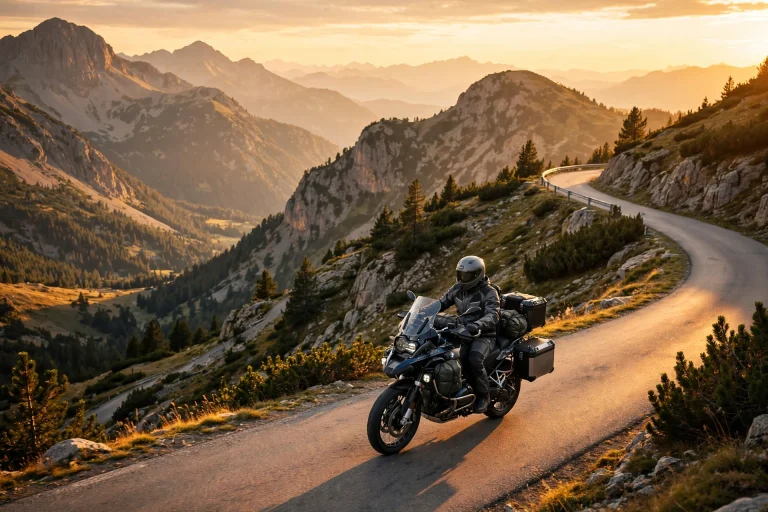
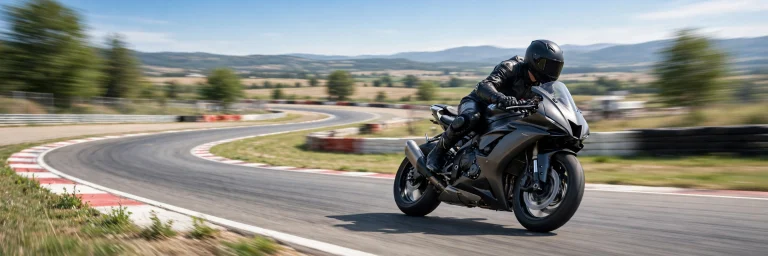
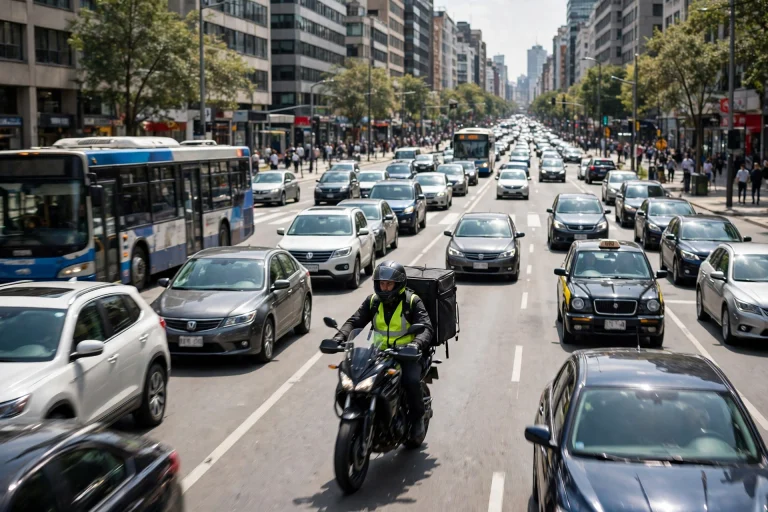
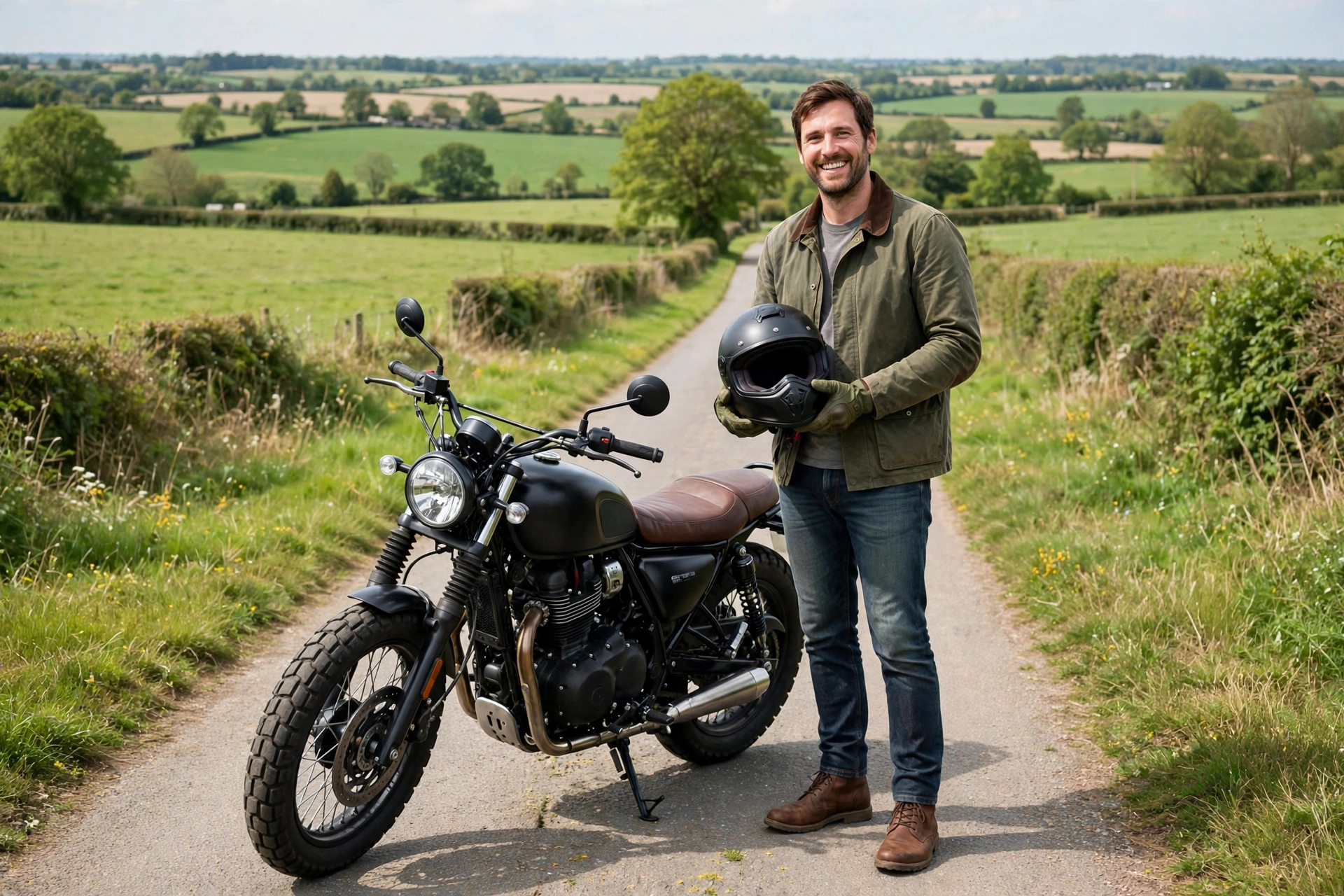
The first question to answer is an honest one: what will your weekends on two wheels actually look like? A rider who spends Saturday mornings on quiet country lanes has different needs from someone who plans long motorway stretches to reach the coast, and both differ from a rider who enjoys gentle off-road trails.
For most weekend riders, a full-face helmet is the most sensible starting point. It covers the whole head and face, protects against wind, rain, insects, and road debris, and works well across a wide range of speeds and weather. An open-face helmet can feel cooler and give a wider view, but it leaves the chin and face exposed, which is a real drawback if you come off the bike. Modular helmets, which flip up at the front, offer a useful compromise, although they tend to be heavier and more expensive than a straightforward full-face design.
If your weekends mix road and light trail riding, look for a helmet designed for that mixed use rather than a pure off-road model, which is built around goggles and a peak and offers less protection from wind and noise on the road. In general terms, the right helmet matches the riding you do most often, not the riding you dream about doing one day.
How Much Should a Weekend Rider Spend on a Helmet?
There is no single right price for a weekend rider’s helmet, but there is a sensible way to think about it. A helmet is safety equipment, so it is worth spending enough to get a well-made helmet from a reputable maker that meets a recognised safety standard. Beyond that point, extra money mostly buys comfort, quietness, lighter weight, and nicer finishes rather than a big jump in protection.
Cheap helmets from unknown makers are a false economy. They may look convincing, but a helmet that has not been tested to a recognised standard may not protect you properly when it matters. Check that any helmet you consider carries a recognised certification mark, and buy from a retailer you trust. In general terms, a mid-priced helmet from an established maker gives a weekend rider the best balance of protection, comfort, and value.
What Should You Check Before You Buy?
Before you buy, check the safety standard first. Look for a certification label inside the helmet, and make sure it matches the standard used in your country. A helmet that meets a recognised standard has been tested for impact protection, strap strength, and other safety measures. If a helmet has no clear certification, do not buy it, however good it looks.
Next, check the shell and the liner. The outer shell should feel solid and free of cracks or dents, and the inner liner should feel firm but comfortable, with no loose padding. The visor should open and close smoothly, seal well when closed, and give a clear view without distortion. If the helmet has vents, check that you can work them with gloves on.
Finally, check the weight. Hold the helmet in your hands and then try it on. A heavy helmet can become tiring on a long weekend ride, especially if you are not used to wearing one. In general terms, a lighter helmet is more comfortable over a long day.
How Do You Get the Fit Right?
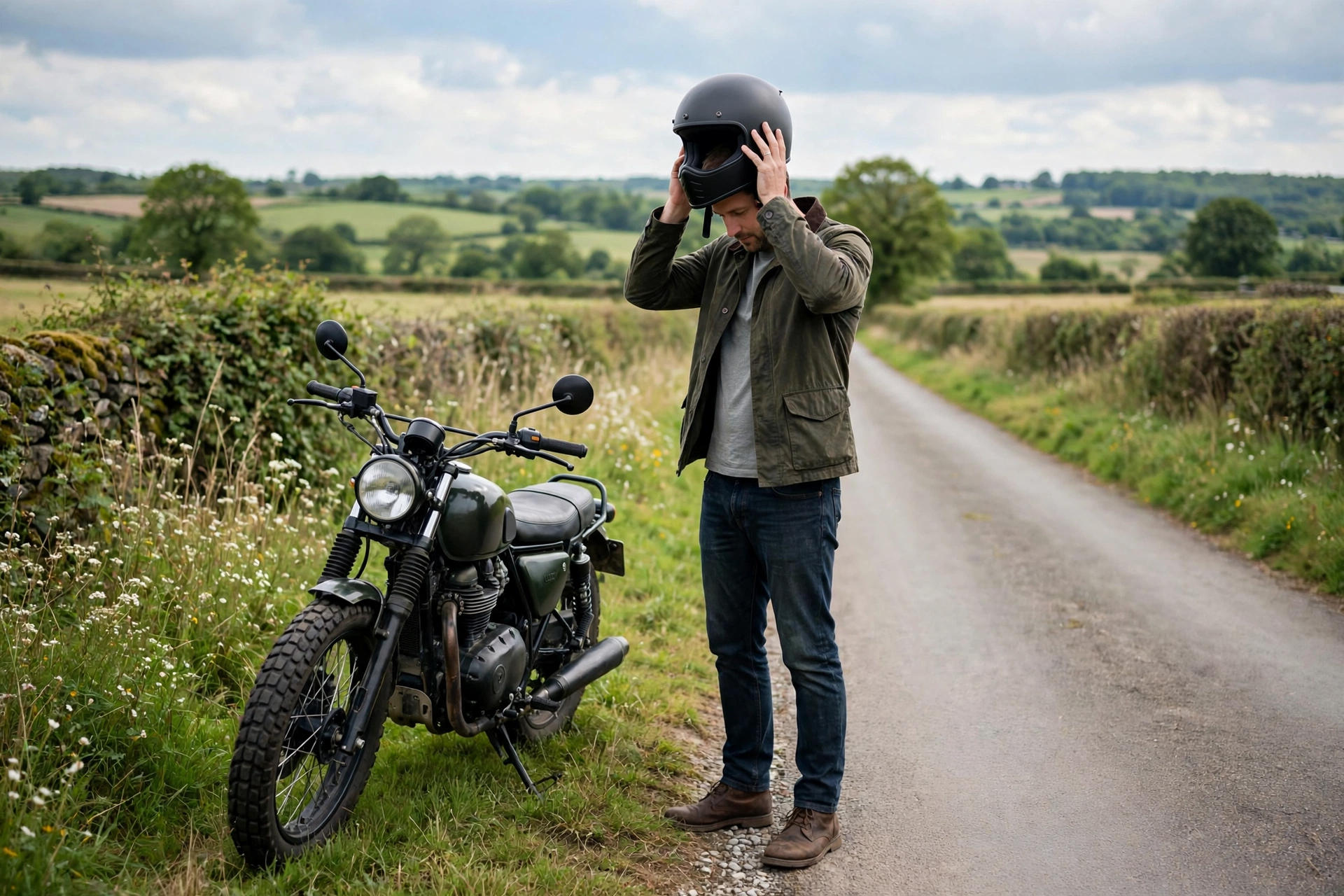
Fit is the single most important thing about a helmet, and it matters more than brand, price, or looks. A helmet that is too loose can shift in a crash, while one that is too tight will give you a headache and make you want to take it off. The right fit feels snug all the way around your head, with even pressure and no loose spots.
Start by measuring your head with a soft tape measure, just above your eyebrows and ears, and use the maker’s size chart as a starting point. Then try the helmet on. It should slide on without too much force, sit level on your head, and feel snug against your cheeks and forehead. Shake your head gently from side to side: the helmet should move with your head, not slide around on its own. If it moves freely, try a smaller size or a different shape.
Wear the helmet for at least ten minutes in the shop before you decide, because pressure points often take a few minutes to show up. If you wear glasses, try the helmet on with them. And remember that the liner will settle slightly with use, so a new helmet should feel snug rather than loose — but it should never hurt.
Do Weekend Riders Need Extra Features?
Extra features can make weekend riding more pleasant, but most of them are optional rather than essential. Good ventilation is worth having, because a helmet that stays cool and clear is one you will enjoy wearing. A visor that resists fogging is also genuinely useful on cool mornings. Beyond that, features such as built-in sun visors, quick-release straps, and removable washable liners are nice to have, but they should not decide your purchase on their own.
One feature worth learning about is the system that helps manage rotational forces in a crash. If you are comparing helmets and see this technology mentioned, reading about what MIPS is for helmets can help you decide whether it is worth paying extra for. In general terms, it is a useful addition, but it does not replace the basics of fit and certification.
Bluetooth intercoms, camera mounts, and tinted visors are extras you can add later. Choose your helmet for fit, safety, and comfort first: a well-fitting helmet with a plain visor will serve you far better than a feature-packed helmet that does not fit.
Frequently Asked Questions
Q: What is the best type of helmet for a weekend rider?
A: In general terms, a full-face helmet is the best starting point for most weekend riders, because it protects the whole head and face and works well in different weather and at different speeds.
Q: How do I know if a helmet fits properly?
A: A well-fitting helmet feels snug all the way around, sits level on your head, and moves with your head when you shake it gently. Wear it for at least ten minutes before buying, and check for pressure points or loose spots.
Q: Should a weekend rider buy the most expensive helmet available?
A: Not necessarily. Beyond a certain point, extra money buys comfort and lighter weight rather than a big jump in protection. A mid-priced helmet from a reputable maker that fits well and meets a recognised standard is usually the best value for a weekend rider.

Olivia
Writer at Helmet Today, covering helmet reviews, fit and riding safety.