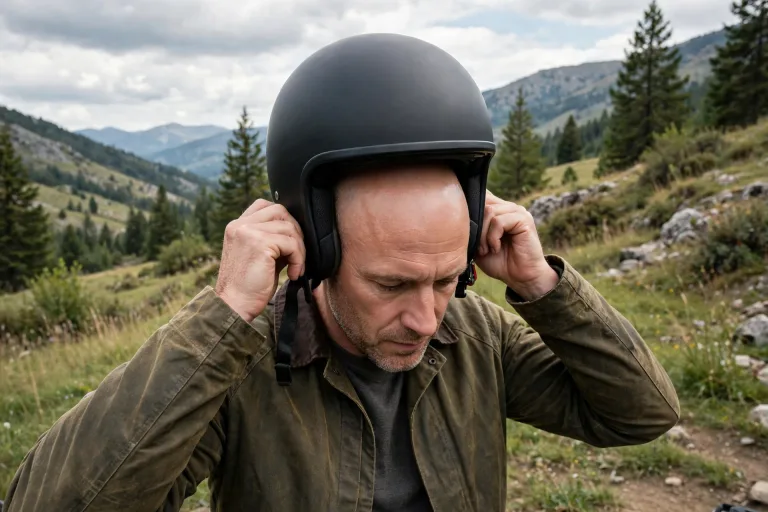
A helmet fits a rider with a small head when it sits level and snug, with no gaps at the sides or forehead, and stays in place when you shake your head gently. The right size is the one that matches your head measurement, not the size you think you should wear — and for small heads that often means a small or extra-small shell, plus the fit pads and adjustment dial to fine-tune it. A helmet that is too big will slide around and offer far less protection, however good the brand is.
How do you measure a small head for a helmet?
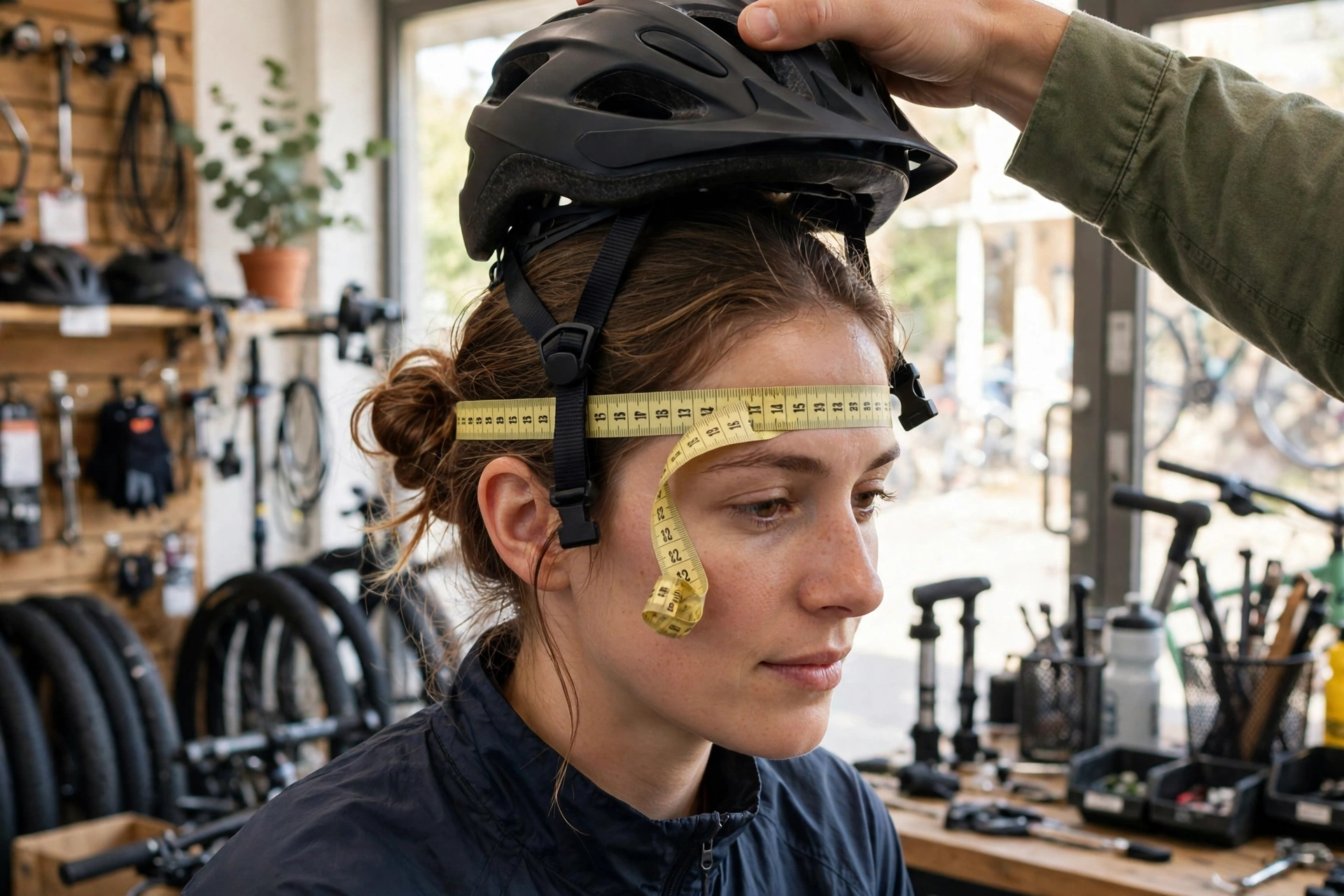
Start with a soft measuring tape and wrap it around your head just above your eyebrows and ears, at the widest point. Note the measurement in centimetres and compare it with the size chart for the helmet you are considering, because sizes vary between brands — a small in one brand may fit like a medium in another. Never guess your size from a hat size or from a helmet you wore years ago. If you do not have a soft tape, a piece of string and a ruler will do the same job: mark the string where it meets, then measure the length flat.
If you fall between two sizes, try the smaller one first. A helmet should feel snug when new, because the padding settles slightly with wear, while a helmet that feels loose on day one will only get looser. If the smaller size presses painfully on one spot, try a different model rather than jumping straight to the bigger size — different brands shape their shells differently, and one may suit a smaller, rounder head better than another.
What should you look for in a small helmet?
Look for a helmet that comes in a genuinely small shell size, not just a large shell with thick pads stuffed inside. A smaller shell sits closer to your head, looks better, and is usually lighter, which matters on long rides. Many brands now make dedicated small sizes for adults, as well as youth sizes that can suit smaller adult heads, so you have more choice than you might expect. When you compare helmets, pick the shell up and check its weight and bulk — a smaller shell should feel noticeably lighter and less bulky in your hands than a medium of the same model.
Check that the helmet has a good adjustment system — a dial at the back, adjustable cradle height, and spare pads in different thicknesses. These features let you fine-tune the fit instead of relying on size alone. A helmet with MIPS or a similar slip-plane layer is also available in small sizes, so you do not have to give up safety features to get the right fit.
How do you adjust the fit properly?
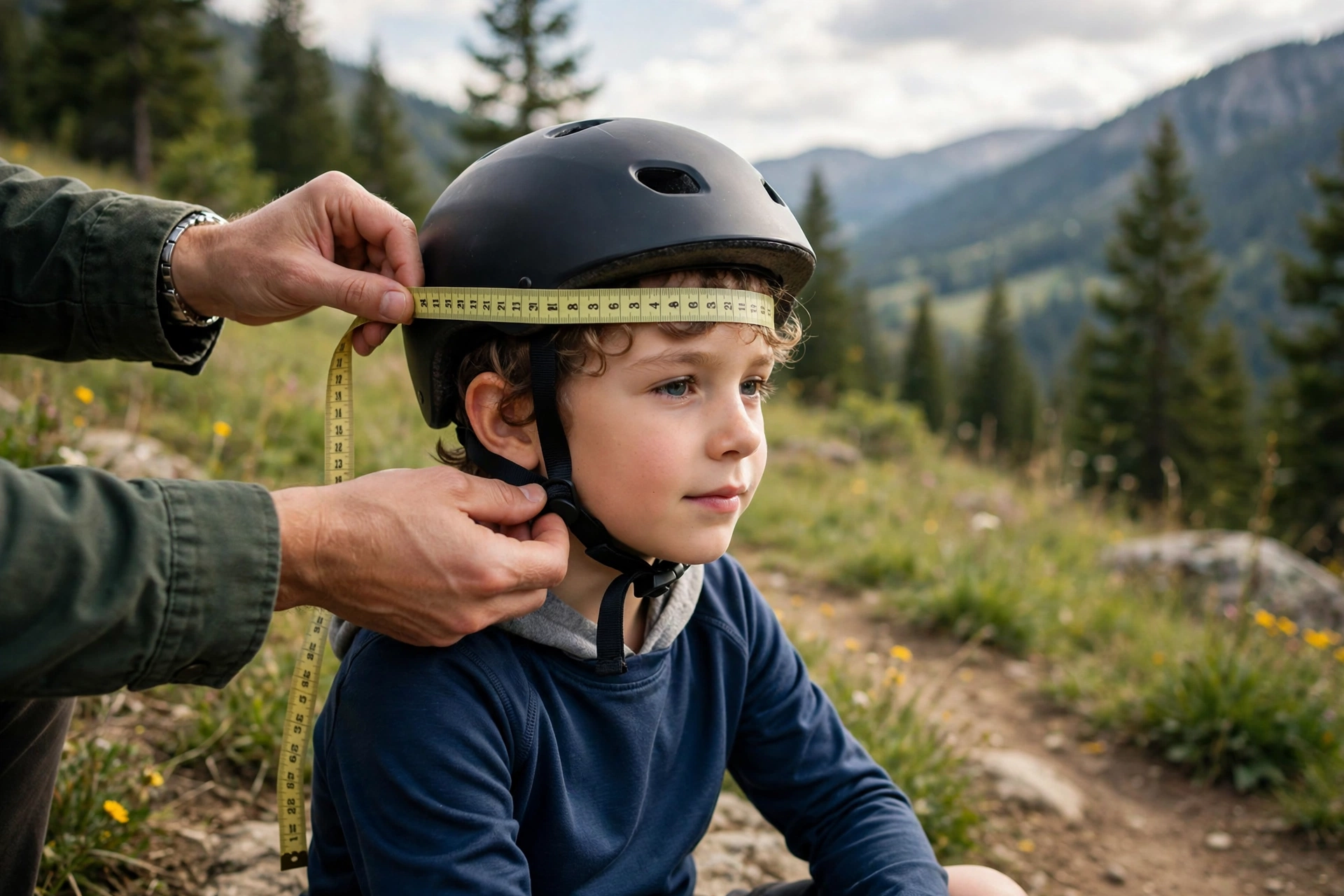
Put the helmet on level, so the front sits low on your forehead — about two fingers’ width above your eyebrows — and not tilted back like a cap. Tighten the rear dial until the helmet feels snug all round, then adjust the side straps so they meet just below your ears, and fasten the chin strap so you can fit no more than two fingers between the strap and your chin. The helmet should not rock forward or back when you push it. Take your time with this step, because a helmet adjusted in a rush at the shop is often the reason it feels wrong on the first ride home.
Do the shake test: with the straps fastened, shake your head gently from side to side and up and down. The helmet should move with your head, not slide around on its own. If it slips, tighten the dial or swap to a thinner or thicker pad. If you wear glasses, put them on before you finish adjusting, and check the helmet does not press the arms of the glasses into your head.
What mistakes do small-headed riders make?
The most common mistake is wearing a helmet that is too big, often because the shop only had a medium in stock, or because a loose helmet feels more comfortable at first. A helmet that is too big can slide forward and cover your eyes, or slide back and leave your forehead exposed — both dangerous in a fall. Comfort matters, but it should come from the right shape and good padding, not from extra space. If the shop does not have your size, it is better to wait or order it in than to settle for a helmet that does not fit.
Another mistake is wearing a hat or a thick beanie under the helmet to fill the gap, which changes the fit and can make the helmet sit too high. If you ride in cold weather, use a thin skull cap designed to fit under a helmet instead. And avoid buying a child’s helmet for an adult head without checking the safety standard — some children’s helmets are built to different standards, so check the label first.
When should you replace a small helmet?
Replace the helmet after any crash or hard knock, even if it looks undamaged, because the foam inside may have compressed and lost its ability to protect you. Also replace it if the fit system no longer holds, the straps are frayed, or the shell is cracked or faded from long sun exposure. A helmet that no longer fits snugly is not doing its job, however new it looks.
Children with small heads outgrow helmets quickly, so check the fit every few months and replace the helmet when it becomes tight or starts to leave marks. For adults, a helmet that fitted well when new can become loose as the pads compress with age and sweat, so re-check the fit at the start of each season and swap the pads if the helmet starts to move around. A quick fit check before the first ride of spring takes only a minute, and it is the simplest way to catch a helmet that has quietly become too loose over winter.
What size helmet do I need for a small head?
Measure around your head just above your eyebrows and ears, then compare the number with the brand’s size chart — for most adults with a small head that means a small or extra-small shell.
Should a small helmet feel tight?
It should feel snug all round, without painful pressure points. A little snugness is normal when new, because the padding settles slightly with wear.
Can I use extra pads to make a big helmet fit?
Thicker pads can help a little, but they cannot fix a shell that is too big. If the helmet still slides around, you need a smaller shell size.

Olivia
Writer at Helmet Today, covering helmet reviews, fit and riding safety.