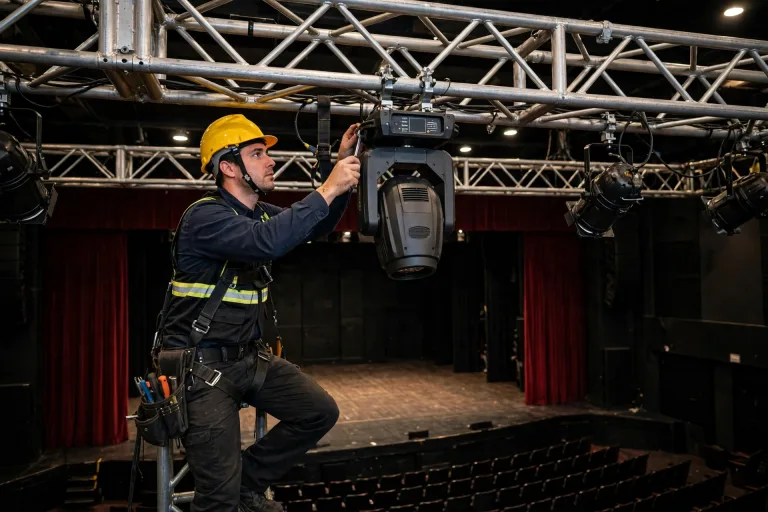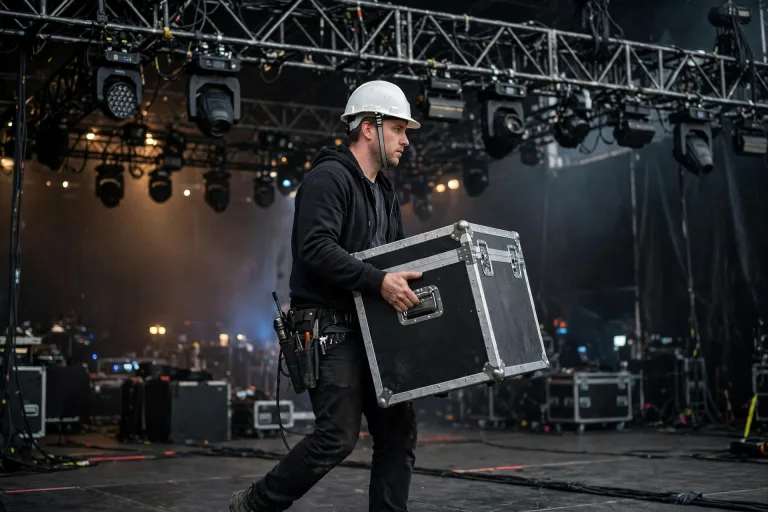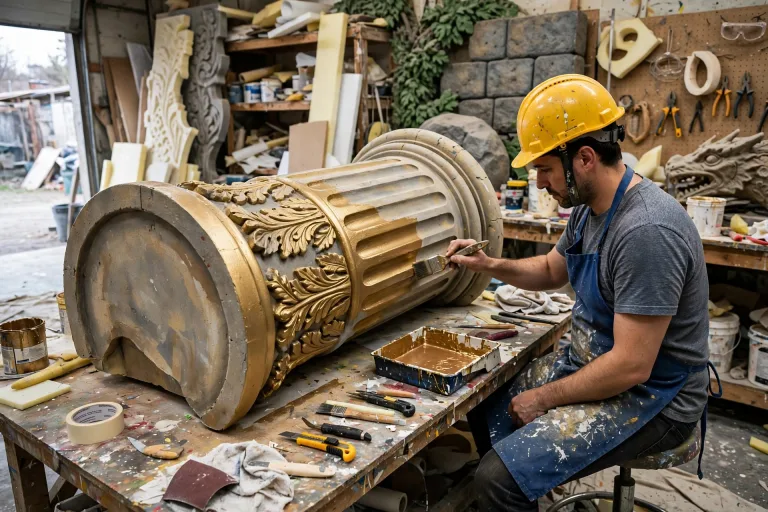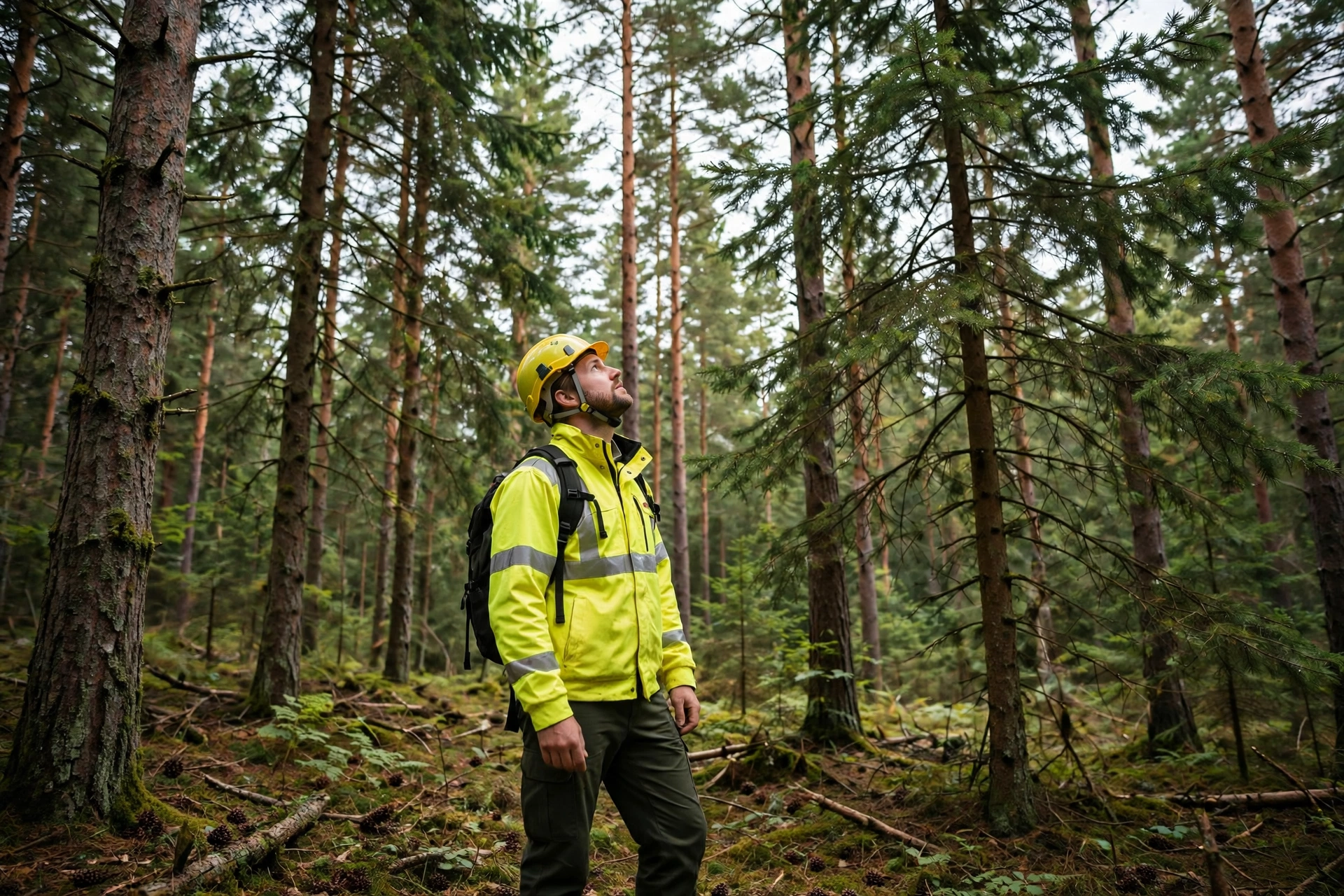
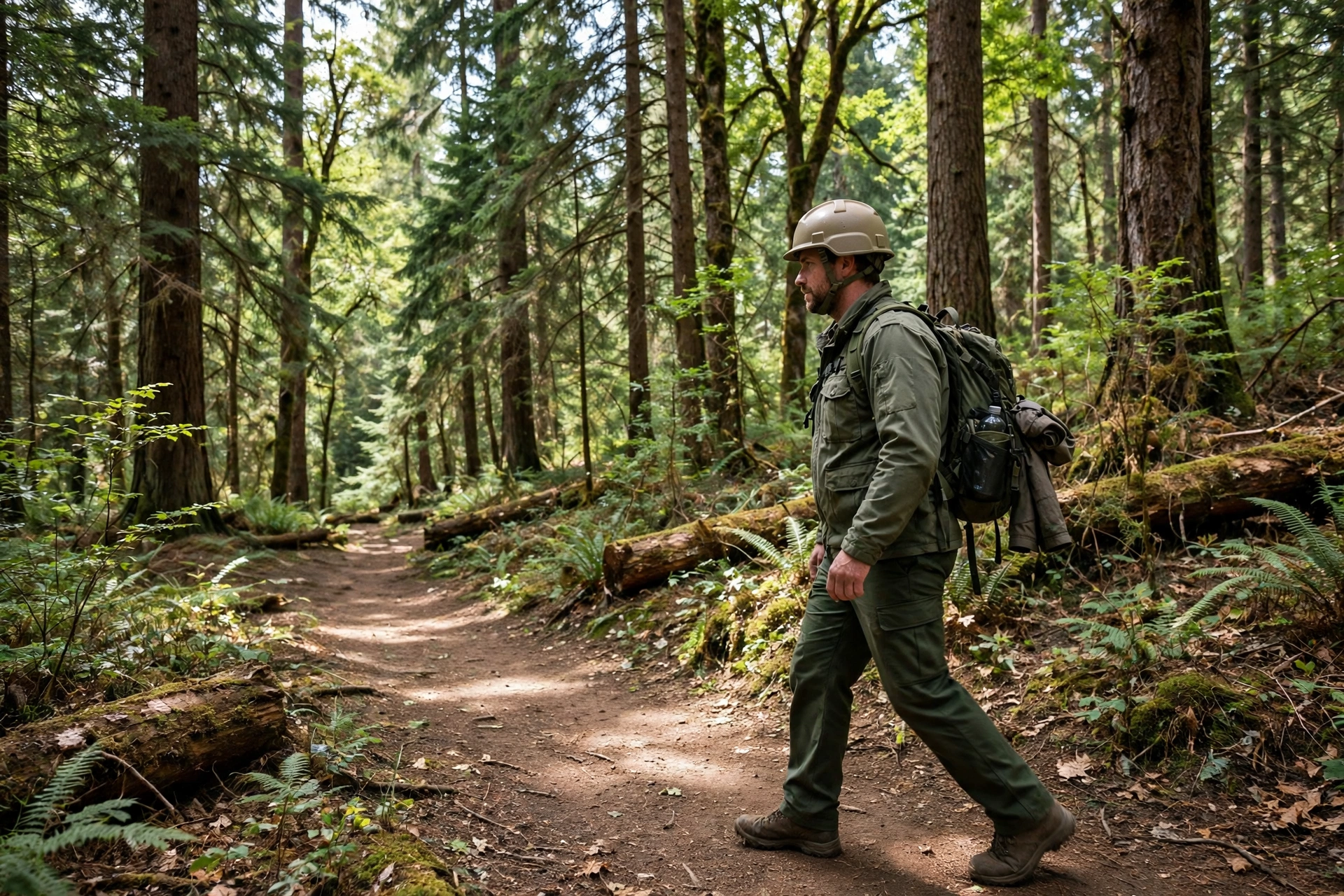
A helmet for forest rangers is a helmet worn by a ranger working in a forest, and in general terms it should protect the head from falling branches, bumps, and knocks while the ranger works outdoors. Forest rangers spend much of their working day among trees, often on uneven ground and in changing weather, and a helmet is part of the safety gear they wear on the job. The work can involve walking trails, clearing fallen trees, checking forest health, and helping visitors, so the head needs protection in many different situations.
The right helmet for a forest ranger is not just any hard hat. It should fit well, stay comfortable through a long shift, and work with the other gear a ranger wears, such as eye protection, ear protection, and a radio. Choosing carefully, and wearing the helmet every time the job calls for it, is the simple habit that keeps a ranger safe in the woods.
Why do forest rangers need a helmet?
Forest rangers need a helmet because a forest is full of hazards above head height. Dead branches, known as widow makers, can fall without warning, especially in wind or after a storm, and a falling branch can cause a serious head injury. A helmet gives a layer of protection against that kind of impact, and it also protects the head if a ranger slips on wet ground or trips over a root and falls.
There are other risks too. A ranger may work near chainsaws, brush cutters, and falling timber, where wood chips and debris fly through the air. A helmet with a visor or with eye protection helps to keep that debris away from the face and eyes. In general terms, a helmet is the most basic piece of head protection for forest work, and it is worn alongside boots, gloves, and high-visibility clothing as part of a ranger’s everyday kit.
What kind of helmet is best for forest rangers?
The best helmet for forest rangers is, in general terms, a lightweight hard hat or forestry helmet that is comfortable for all-day wear and that suits the tasks of the day. Many forestry helmets come as a complete system, with a shell, a visor or mesh face shield, and ear defenders fitted together, so the ranger can put on one unit and be protected against several hazards at once. A mesh visor is often chosen for forestry work because it lets air through while keeping wood chips and twigs away from the face.
The helmet should be chosen with the work in mind. A ranger who mostly walks trails and talks to visitors may need only a simple hard hat, while a ranger who clears trees and works with a chainsaw needs a full forestry helmet with face and ear protection. The helmet should also be light enough to wear for hours without causing neck strain, and it should have ventilation so the head does not overheat on a warm day.
How should a helmet for forest rangers fit?
A helmet for forest rangers should fit snugly, sit level on the head, and stay in place when the ranger bends down, looks up into the trees, or walks over rough ground. The helmet should cover the top of the head and sit low enough over the forehead to give real protection, and the chin strap should be fastened whenever there is a risk of the helmet falling off. A strap left loose lets the helmet tip forward over the eyes or slide back, and a helmet that moves around is a distraction as well as a risk.
The fit should be checked with the other gear the ranger will wear, such as a visor, ear defenders, and a hat or balaclava in cold weather, because these can change how a helmet sits. The suspension inside the helmet should be adjusted so the weight is spread evenly, and the helmet should not press hard on any one spot.
What should a forest ranger look for when buying a helmet?
When buying a helmet, a forest ranger should look first at the protection it offers and the standard it meets, and then at comfort, weight, and ventilation. The shell should be tough enough to take a knock from a falling branch, and the inside should have a proper suspension system that spreads the force of an impact. A helmet with a built-in visor and ear defenders can be good value, because it replaces three separate pieces of gear with one unit that works together.
Comfort is just as important as protection, because a ranger may wear the helmet for a whole shift. Ventilation slots help to keep the head cool, and a sweatband that can be removed and washed keeps the helmet fresh. The colour of the helmet matters too: a bright colour, such as orange or yellow, makes the ranger easy to see among the trees, which is useful when machinery is working nearby or when a team is spread out through the forest. A ranger should try the helmet on before buying if possible, and should check that spare parts, such as visors and sweatbands, are easy to find.
How should a forest ranger’s helmet be looked after?
A forest ranger’s helmet should be looked after with regular cleaning and sensible storage, in the same way as any work helmet. After a day in the woods, the ranger should brush off dirt, leaves, and sap, wipe the shell clean, and let the lining air out before the helmet is put away. A visor should be cleaned with a soft cloth so it does not get scratched, and ear defenders should be checked to make sure they still seal well against the head.
The helmet should also be checked for cracks, dents, or damage to the shell, and in general terms a helmet that has taken a hard impact should be replaced rather than used again. Sunlight, heat, and chemicals can wear a helmet out over time, so it should be stored in a cool, dry place, away from direct sun and away from fuel and solvents. Rangers who want to learn more about features that can help in a crash may also want to read about a system designed to reduce rotational forces, such as MIPS, which is found in some helmets. A well-kept helmet, worn every time, gives a forest ranger the best chance of a safe day in the woods.
Can a forest ranger use a normal hard hat?
Yes, in general terms a normal hard hat can be suitable for light forest work, such as walking trails and talking to visitors. For tree work or chainsaw work, a full forestry helmet with a visor and ear defenders is usually the better choice.
Does a forest ranger need a visor on the helmet?
A visor is very useful in the forest, because it keeps wood chips, twigs, and flying debris away from the face and eyes. A mesh visor is often chosen for forestry work because it lets air through while still giving protection.
When should a forest ranger replace a helmet?
A forest ranger should replace a helmet after a hard impact, or when it no longer fits well, shows cracks or damage, or has become worn out from age and sun exposure. When in doubt, replace it rather than keep working in it.

Olivia
Writer at Helmet Today, covering helmet reviews, fit and riding safety.