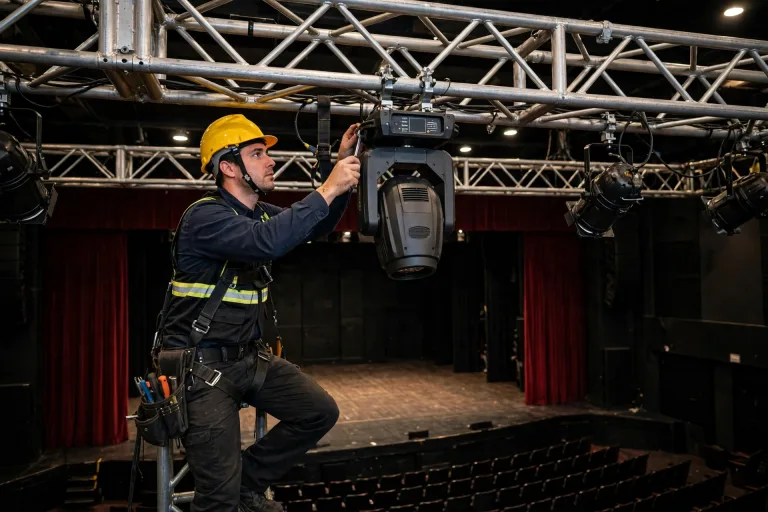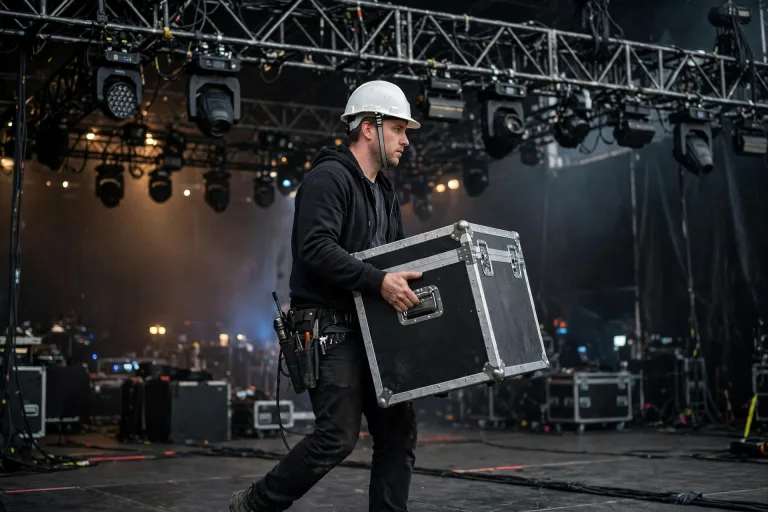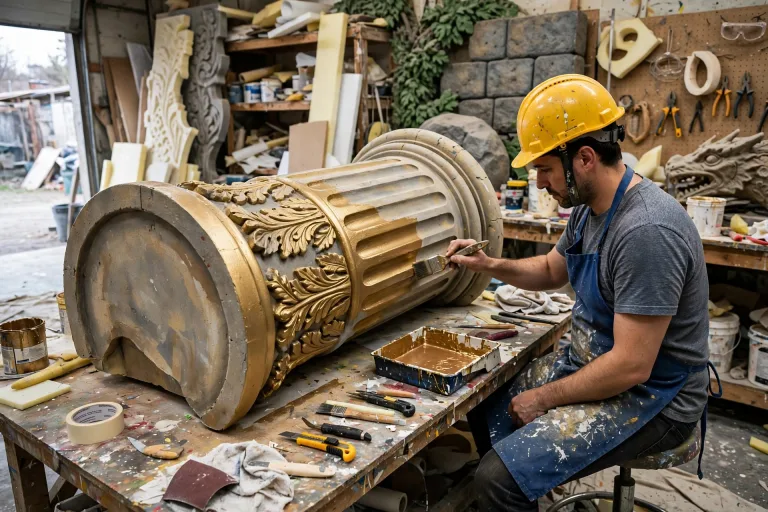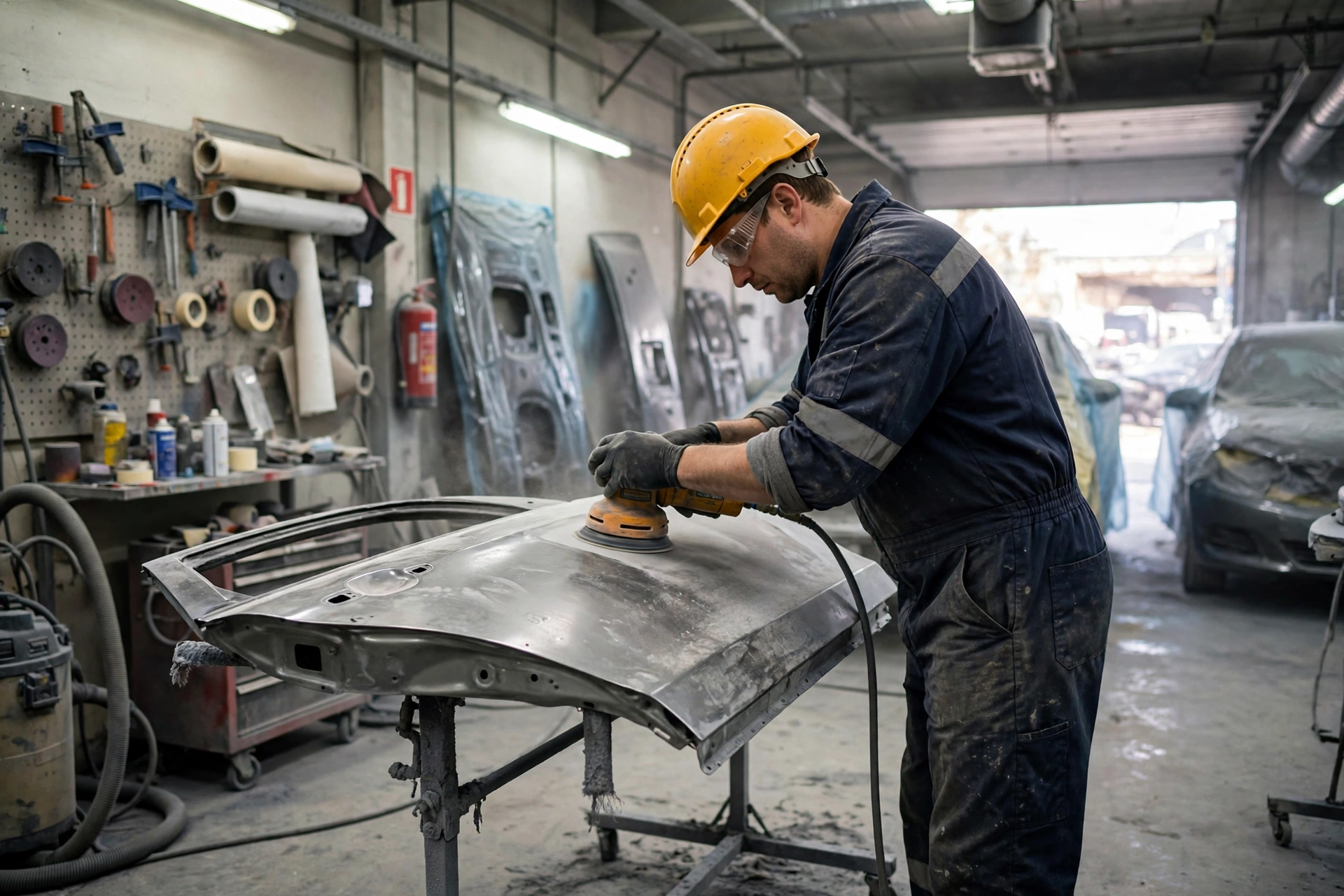
A helmet for panel beaters is, in general terms, a hard hat worn in a panel beating or body repair workshop to protect the head from falling parts, bumps, and knocks while damaged vehicle panels are repaired, straightened, and fitted. Panel beating involves hammers, dollies, grinders, and welding gear, and the work often takes place around vehicles raised on lifts or held on jigs, so a knock to the head is a real risk on an ordinary shift.
Many panel beaters spend the whole day leaning into wheel arches, reaching under bonnets, and working inside door frames and boot openings. A panel can slip from a stand, a tool can fall from a shelf, and a heavy door or bonnet can drop while it is being held in place, and any of these can strike the head. A helmet gives a layer of protection against those everyday knocks, and it also helps the beater to work with confidence in a busy workshop where other people are moving around them.
Why do panel beaters need a helmet?
Panel beaters need a helmet because their work puts them close to heavy metal parts that are lifted, clamped, and moved all day. A car door, a bonnet, or a bumper can be heavy and awkward to handle, and a panel held on a stand can slip if a clamp loosens while it is being worked on. If a panel or a tool falls from above, it can land on the head or the shoulders, and a helmet helps to spread the force of that blow.
There is also the risk of bumping the head on the vehicle itself. A beater working under a car on a lift, or leaning into a tight space to reach a dent, can easily catch their head on a suspension part, a lift arm, or the sharp edge of a cut panel. A helmet protects against those bumps as well, and it also shields the head from dust, paint flakes, and sparks that fall during grinding or welding. In general terms, a helmet is a simple piece of protection that suits the everyday risks of a panel beating workshop.
What kind of helmet is best for panel beaters?
The best helmet for panel beaters is, in general terms, a hard hat that fits well, is comfortable for a full shift, and suits the work being done. A standard industrial hard hat is the usual choice in a body repair workshop, because it is light, easy to wear, and designed to protect against falling objects and bumps. A helmet with a short peak can help to keep dust and paint out of the eyes when work moves around the spray booth or the yard.
Some panel beaters also wear a helmet with a chin strap, which keeps the helmet in place when they bend, stretch, and reach into awkward spaces. A strap is useful when the work involves a lot of leaning, because a helmet that slips forward over the eyes is a nuisance and a hazard. The colour of the helmet does not change how well it protects, but a bright colour can help other people in the workshop to see the beater, especially in a busy bay or a shared yard.
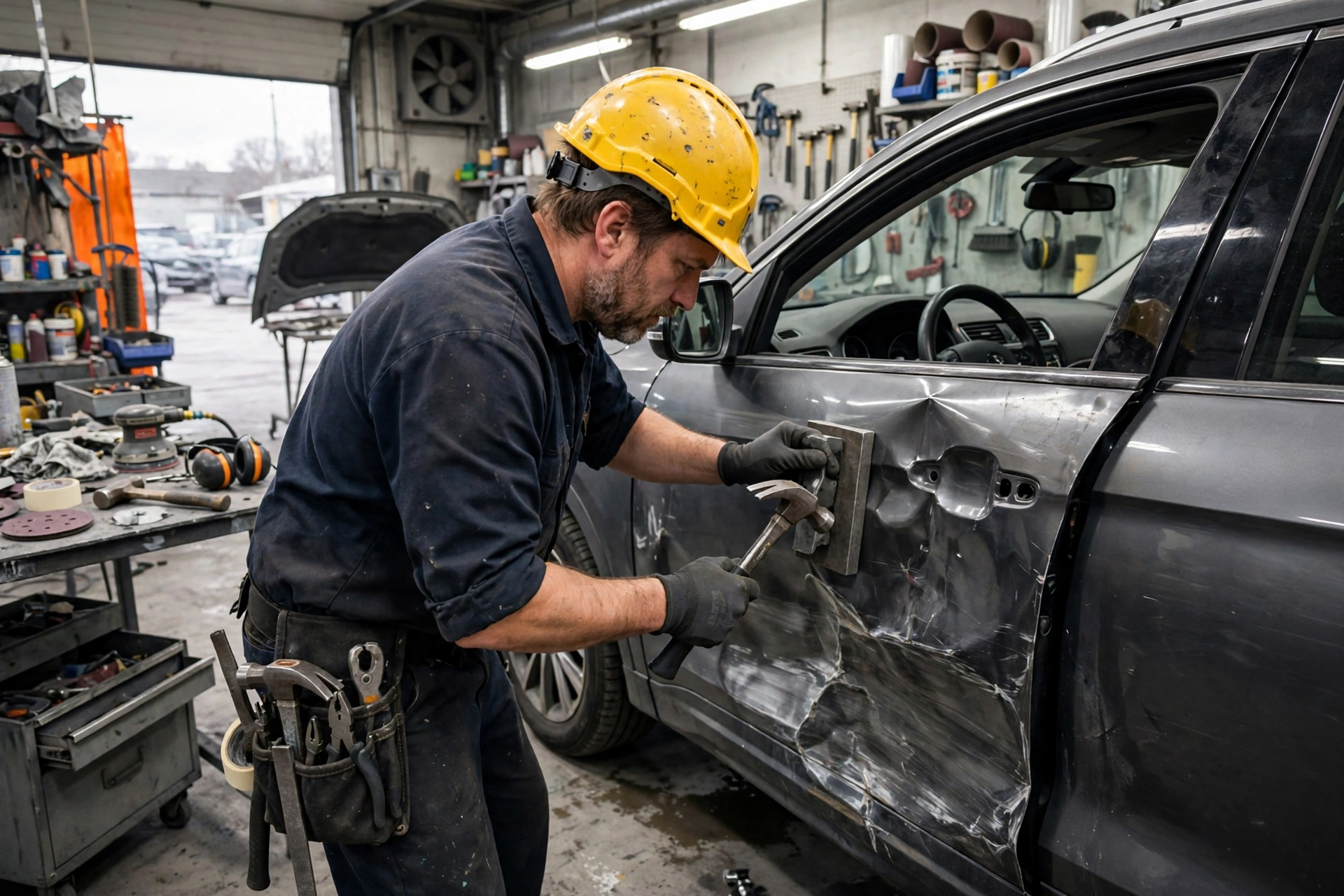
How should a helmet for panel beaters fit?
A helmet for panel beaters should fit snugly, sit level on the head, and stay in place when the beater bends down to lift a panel or reaches up to a rack. The helmet should cover the top of the head and sit just above the eyebrows, and the chin strap, where one is fitted, should be fastened securely before work begins. A strap left loose lets the helmet slide, and a helmet that slips is no help at all.
The fit should be checked with the other gear the beater wears, such as safety glasses, a welding mask, ear protection, or a dust mask, because these can change how a helmet sits. The internal harness should be adjusted so the helmet feels secure without pressing hard on one spot, and a beater who wears the helmet for a full shift should be able to wear it without a headache. If a helmet feels loose, tight, or uncomfortable, it should be adjusted or replaced before the next shift.
What should a panel beater check before buying a helmet?
Before buying a helmet, a panel beater should check the fit, the comfort, and the condition of the helmet, and should find out whether the workplace or the employer has rules about the type of helmet to wear. Some workshops ask for a helmet that meets a recognised standard, and a beater should follow those rules rather than choosing on looks alone. The helmet should be light enough to wear all day, with ventilation that keeps the head cool in a warm workshop.
A beater should also check that the helmet works with the rest of their safety gear. Safety glasses should sit comfortably under the peak, a welding mask should fit without pushing the helmet out of place, and ear defenders should sit neatly against the shell. A helmet with slots for ear protection can be useful where grinding and hammering make the workshop noisy. In general terms, the best helmet is the one the beater is happy to wear for every shift, because a helmet left on a shelf protects no one.
How should a panel beater look after their helmet?
A helmet for panel beaters should be looked after with regular cleaning and sensible storage. After a shift, the beater should wipe the shell clean of dust, paint, and grease, and let the inside dry out before the next shift. A helmet that is damp inside can become uncomfortable, and a lining that is never cleaned can start to smell. The helmet should be stored in a cool, dry place, away from direct heat and sunlight, and kept in a bag or on a hook when it is not in use.
The helmet should also be checked for cracks, dents, or damage to the shell after every knock, and in general terms a helmet that has taken a hard impact should be replaced rather than used again. A beater who wants to learn more about features that can help in a fall or a blow may want to read about a system designed to reduce rotational forces, such as MIPS, which is found in some helmets. A well-kept helmet, worn every shift, gives a panel beater the best chance of working safely in a busy body shop.
Can a panel beater wear a bump cap instead of a hard hat?
A bump cap gives less protection than a hard hat, because it is made for light bumps rather than falling objects. A panel beater should follow the workplace rules and, in general terms, choose a hard hat where heavy panels and tools are handled overhead.
Should a panel beater wear a helmet when welding?
Yes, in general terms a helmet should be worn during workshop work, and a welding mask should be worn over it when welding. The two should be checked together first, so the mask fits neatly and the helmet stays in place.
When should a panel beater replace their helmet?
A panel beater should replace a helmet after a hard impact, or when it no longer fits well, shows cracks or damage, or has reached the replacement age set by the workplace. When in doubt, replace it rather than keep wearing it.

Olivia
Writer at Helmet Today, covering helmet reviews, fit and riding safety.