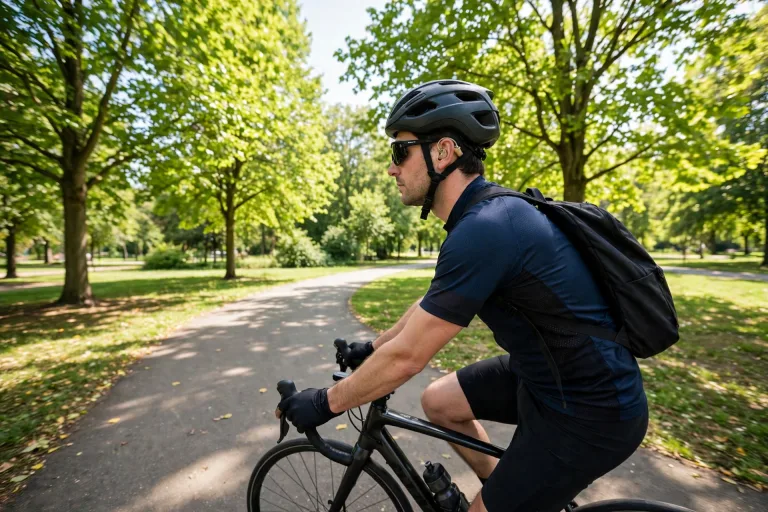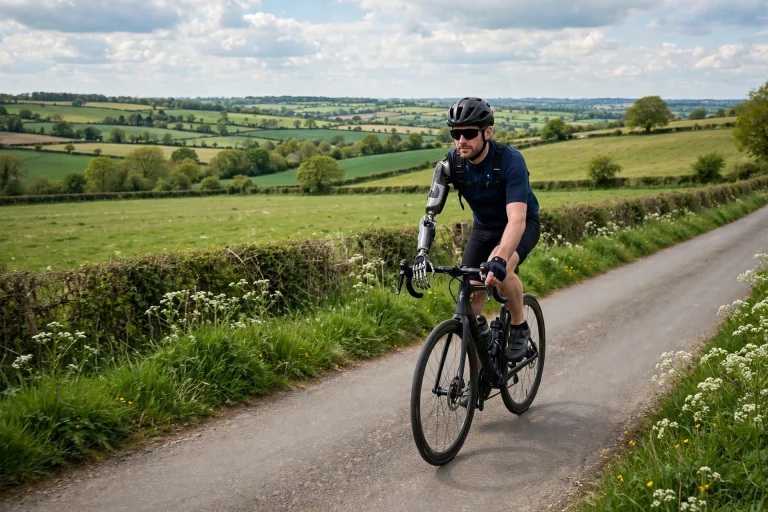
A helmet for riders with migraines is a light, well-fitting helmet chosen to avoid pressure points, excess weight and glare, so that riding is more comfortable and less likely to trigger a migraine. A migraine is a type of headache that can bring throbbing pain, sensitivity to light and sound, and nausea, and for some riders a tight, heavy or poorly ventilated helmet can be one of the things that sets it off.
Many people who live with migraines still enjoy riding, whether that means cycling, motorcycling, or horse riding. The helmet itself does not cause a migraine on its own, but pressure on the temples, a strap that digs in, heat building up inside the shell, or bright light flickering through vents can all add to the strain. In general terms, choosing a helmet with comfort in mind is a simple, practical step, and it is worth trying helmets on carefully rather than buying on looks alone.
What is a migraine?
A migraine is more than an ordinary headache. It often brings a throbbing pain, usually on one side of the head, along with sensitivity to light and sound, and sometimes nausea or visual changes such as seeing flashing lights or zigzag patterns. Attacks can last for hours, and they can leave a person tired and sensitive for a day or more afterwards.
Migraines can be set off by a range of triggers, and triggers differ from one person to another. Common ones include lack of sleep, stress, dehydration, bright or flickering light, strong smells, and pressure on the head. Because triggers are personal, what bothers one rider may not bother another, so the best approach is to notice your own patterns and choose kit that avoids the things that affect you.
Can a helmet trigger a migraine?
In general terms, a helmet can add to the strain that leads to a migraine, even though it is rarely the only cause. A helmet that is too tight can press on the temples and the back of the head, a heavy helmet can strain the neck and shoulders, and a hot, poorly ventilated helmet can leave a rider overheated and dehydrated. A strap that digs into the chin or a lining that rubs can also be a constant irritation on a long ride.
Bright light can be a trigger too. Sunlight flickering through vents, a scratched visor, or glare off a shiny shell can all bother a rider who is sensitive to light. None of this means a person with migraines should ride without a helmet, which would leave the head unprotected. It means the helmet should be chosen with care, so that protection and comfort go together.

What should riders with migraines look for in a helmet?
Fit comes first. A helmet for a rider with migraines should sit level on the head, snug all round without pressing painfully on the temples, and stay in place without needing a very tight strap. It should not tip forward over the eyes or slide back when you nod, and it should feel comfortable within a few minutes of putting it on, not only after you get used to it.
Look for a helmet with a soft, smooth lining and a fit system that spreads pressure evenly, rather than one that presses in a few spots. A dial or cradle at the back can help you fine-tune the fit, and a strap with soft padding is kinder than a thin, hard strap. Some helmets include a system designed to reduce rotational forces in a fall, such as MIPS, and it is worth asking about when you choose, although the fit and the weight are usually the things that matter most day to day for a rider with migraines.
How can weight and ventilation help?
Weight matters, because a heavy helmet pulls on the neck and shoulders, and neck strain is a common complaint for people with migraines. In general terms, a lighter helmet is easier to wear for a long ride, and it is worth comparing the weight of different helmets in the same style before you buy. A helmet that feels light in the shop is more likely to still feel comfortable after an hour on the road or trail.
Ventilation matters too. A helmet with good airflow keeps the head cooler, which helps on warm days and during hard riding. Look for vents that let air flow through the helmet, and a lining that wicks sweat away from the skin. A helmet that traps heat can leave a rider hot, sweaty and uncomfortable, which is not a good start for someone who is sensitive to overheating.
What else can make riding more comfortable?
Light management can help a great deal. Sunglasses or a tinted visor can cut glare, and a helmet with a small peak or brim can shade the eyes from bright sun. Try the helmet with the sunglasses or visor you plan to use, and make sure they do not press the helmet out of position or dig into the sides of your head.
Simple habits help as well. Drink water before and during a ride, rest when you need to, and avoid riding when you are already tired or unwell. If you feel a migraine coming on, stop riding and rest in a cool, quiet place rather than trying to push through it. If migraines are frequent or severe, it is worth talking to a doctor about them, because a helmet can only help with comfort, not with the migraine itself.
How do you look after a helmet when you have migraines?
After a ride, wipe the shell clean and let the helmet dry naturally, away from direct heat. Do not leave it in a hot car or next to a radiator, as heat can damage the materials inside over time. If the lining is removable, take it out and wash it following the maker’s instructions, and let it dry fully before you put it back.
Check the helmet regularly for cracks, dents, or loose parts, and check the chin strap and buckle for wear. A lining that has gone flat or lumpy can create new pressure points, so replace the lining or the helmet if it no longer feels comfortable. In general terms, a helmet that has taken a hard knock in a fall should be replaced, even if it looks fine on the outside, because the inner lining may have been compressed. When in doubt, replace it.
What is a helmet for riders with migraines?
A helmet for riders with migraines is a light, well-fitting helmet chosen to avoid pressure points, excess weight and glare, so riding is more comfortable and less likely to trigger a migraine.
Can a helmet cause a migraine?
In general terms, a helmet is rarely the only cause, but a tight, heavy or hot helmet can add pressure, neck strain and heat that may help trigger a migraine in a person who is already sensitive to it.
Should riders with migraines skip wearing a helmet?
No, a helmet is still important for head protection. The better choice is a light, well-fitting helmet that feels comfortable, along with sunglasses or a visor to cut glare.

Olivia
Writer at Helmet Today, covering helmet reviews, fit and riding safety.