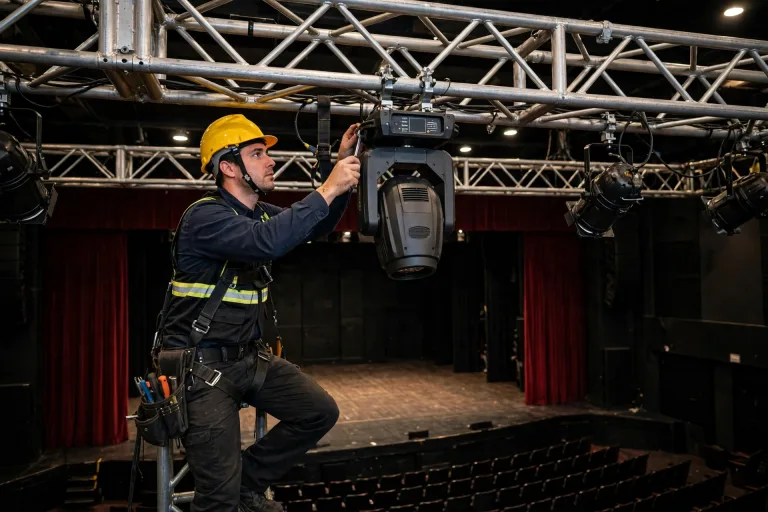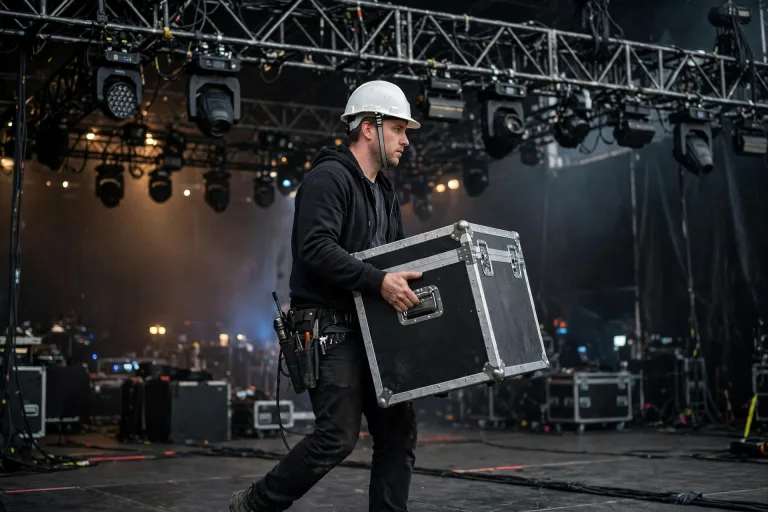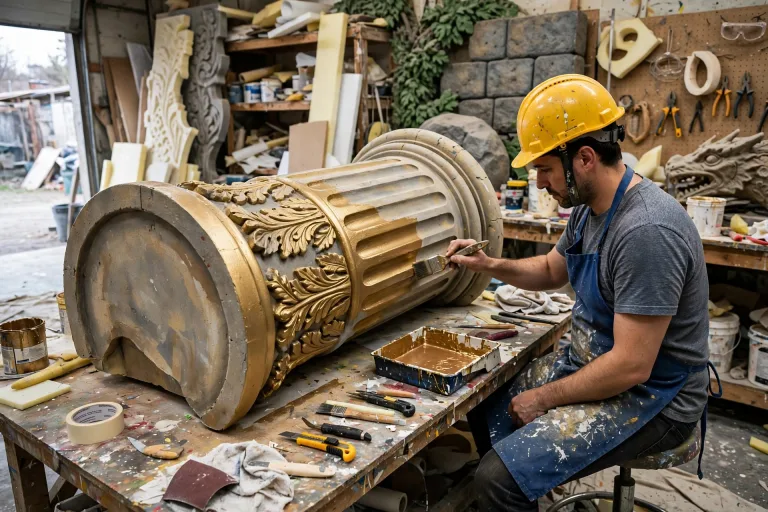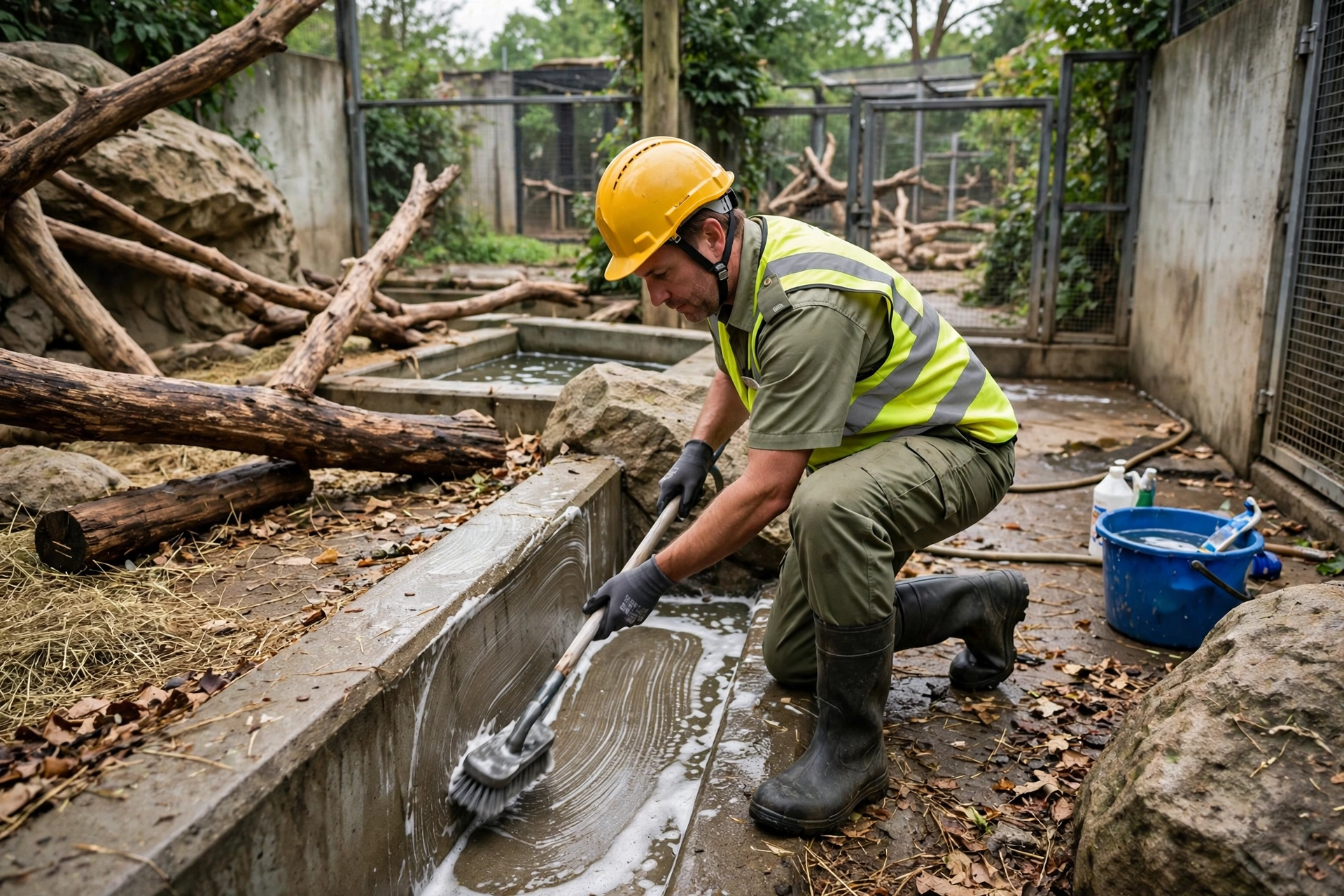
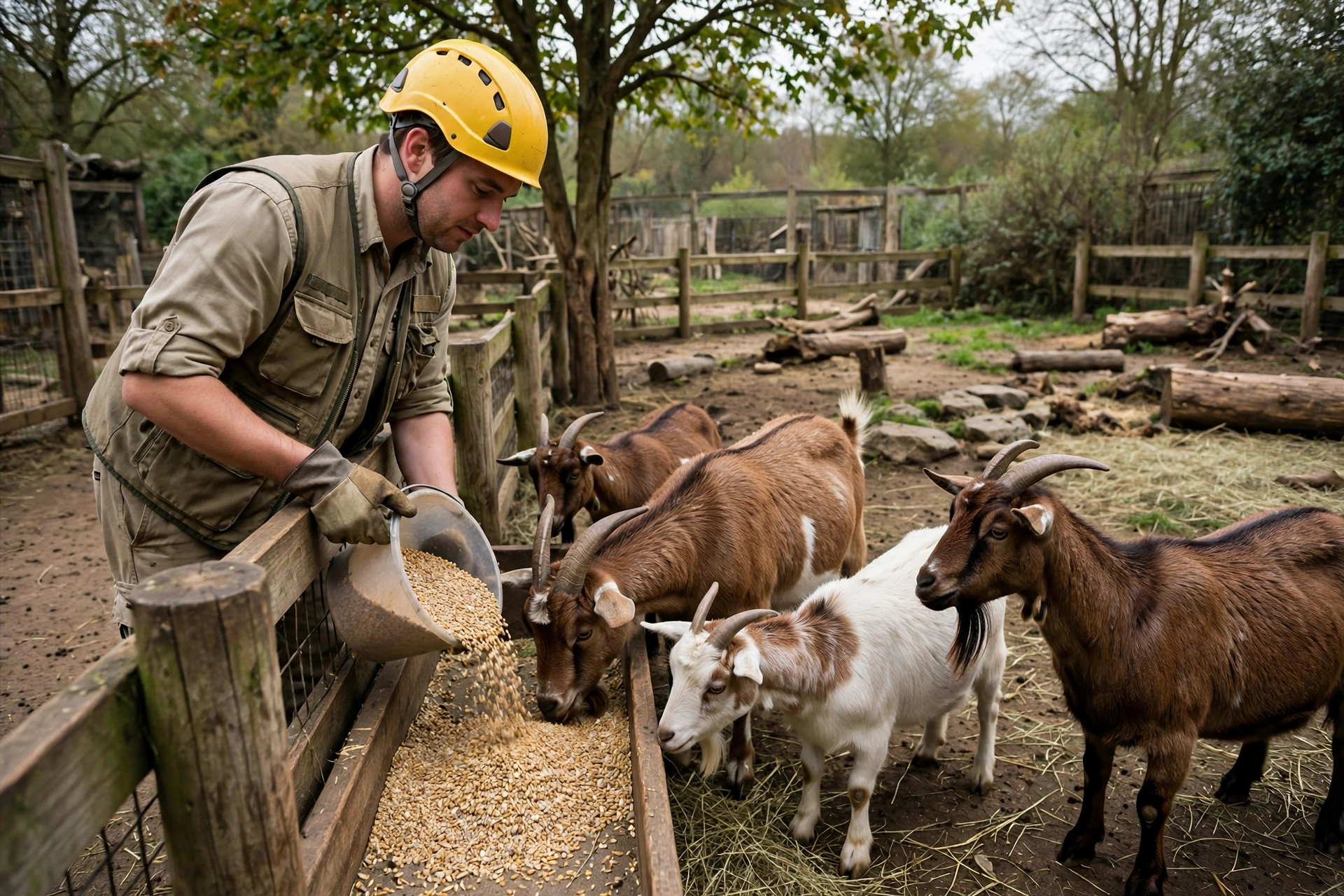
A helmet for zookeepers is, in general terms, a hard hat worn by a keeper in a zoo or wildlife park to protect the head from falling objects, bumps, and knocks while animals are fed, enclosures are cleaned, and exhibits are maintained. Zookeeping takes place around heavy gates, climbing frames, trees, and animal housing, and a keeper may be struck by a falling branch, a dropped tool, or a swinging gate, so a knock to the head is a real risk on an ordinary shift.
Many zookeepers spend the whole day moving between indoor houses, outdoor enclosures, and service areas. A branch can fall from a tree in an enclosure, a bucket or a tool can slip from a walkway above, and a keeper working in a low shelter or a service tunnel can easily bump their head on a beam or a gate frame. A helmet gives a layer of protection against those everyday knocks, and it also helps the keeper to work with confidence in a busy zoo where other staff and visitors are moving around them.
Why do zookeepers need a helmet?
Zookeepers need a helmet because their work puts them close to heavy objects that are lifted, stacked, and moved all day. A keeper may carry feed sacks, move branches for enrichment, or shift gates and panels while cleaning an enclosure, and any of these can slip and strike the head. If a tool or a piece of timber falls from a walkway or a roof, it can land on the head or the shoulders, and a helmet helps to spread the force of that blow.
There is also the risk of bumping the head on the enclosure itself. A keeper working inside a den, a shelter, or a service passage can easily catch their head on a low beam, a gate hinge, or the edge of a feeding hatch. A helmet protects against those bumps as well, and it also shields the head from dust, straw, and debris that fall during cleaning. In general terms, a helmet is a simple piece of protection that suits the everyday risks of zoo work.
What kind of helmet is best for zookeepers?
The best helmet for zookeepers is, in general terms, a hard hat that fits well, is comfortable for a full shift, and suits the work being done. A standard industrial hard hat is the usual choice in a zoo, because it is light, easy to wear, and designed to protect against falling objects and bumps. A helmet with a short peak can help to keep sun and rain out of the eyes when work moves between indoor houses and outdoor enclosures.
Some zookeepers also wear a helmet with a chin strap, which keeps the helmet in place when they bend, climb, and reach into awkward spaces. A strap is useful when the work involves climbing ladders or working on raised walkways, because a helmet that slips forward over the eyes is a nuisance and a hazard. The colour of the helmet does not change how well it protects, but a bright colour can help other staff to see the keeper, especially in a large zoo or a shared service area.
How should a helmet for zookeepers fit?
A helmet for zookeepers should fit snugly, sit level on the head, and stay in place when the keeper bends down to lift a feed sack or climbs up to a walkway. The helmet should cover the top of the head and sit just above the eyebrows, and the chin strap, where one is fitted, should be fastened securely before work begins. A strap left loose lets the helmet slide, and a helmet that slips is no help at all.
The fit should be checked with the other gear the keeper wears, such as safety glasses, ear protection, gloves, or a radio headset, because these can change how a helmet sits. The internal harness should be adjusted so the helmet feels secure without pressing hard on one spot, and a keeper who wears the helmet for a full shift should be able to wear it without a headache. If a helmet feels loose, tight, or uncomfortable, it should be adjusted or replaced before the next shift.
What should a zookeeper look for when choosing a helmet?
When choosing a helmet, a zookeeper should look first at the fit, the comfort, and the condition of the helmet, and should check whether the zoo or the employer has rules about the type of helmet to wear. Some zoos ask for a helmet that meets a recognised standard, and a keeper should follow those rules rather than choosing on looks alone. The helmet should be light enough to wear all day, with ventilation that keeps the head cool in a warm animal house.
A keeper should also check that the helmet works with the rest of their safety gear. Safety glasses should sit comfortably under the peak, and ear defenders should fit neatly against the shell without pushing the helmet out of place. A helmet that is easy to wipe clean is useful, because zoo work is dirty work. In general terms, the best helmet is the one the keeper is happy to wear for every shift, because a helmet left in the locker room protects no one.
How should a zookeeper look after their helmet?
A helmet for zookeepers should be looked after with regular cleaning and sensible storage. After a shift, the keeper should wipe the shell clean of mud, straw, and dirt, and let the inside dry out before the next shift. A helmet that is damp inside can become uncomfortable, and a lining that is never cleaned can start to smell. The helmet should be stored in a cool, dry place, away from direct heat and sunlight, and kept in a bag or on a hook when it is not in use.
The helmet should also be checked for cracks, dents, or damage to the shell after every knock, and in general terms a helmet that has taken a hard impact should be replaced rather than used again. A keeper who wants to learn more about features that can help in a fall or a blow may want to read about a system designed to reduce rotational forces, such as MIPS, which is found in some helmets. A well-kept helmet, worn every shift, gives a zookeeper the best chance of working safely in a zoo.
Do zookeepers wear helmets around animals?
In general terms, a helmet is worn for maintenance, cleaning, and construction work in and around enclosures, rather than during close contact with animals. A keeper should follow the zoo’s own safety rules for each task.
Can a zookeeper wear a bump cap instead of a hard hat?
A bump cap gives less protection than a hard hat, because it is made for light bumps rather than falling objects. A zookeeper should follow the zoo’s rules and, in general terms, choose a hard hat where branches, tools, or gates are handled overhead.
When should a zookeeper replace their helmet?
A zookeeper should replace a helmet after a hard impact, or when it no longer fits well, shows cracks or damage, or has reached the replacement age set by the zoo. When in doubt, replace it rather than keep wearing it.

Olivia
Writer at Helmet Today, covering helmet reviews, fit and riding safety.