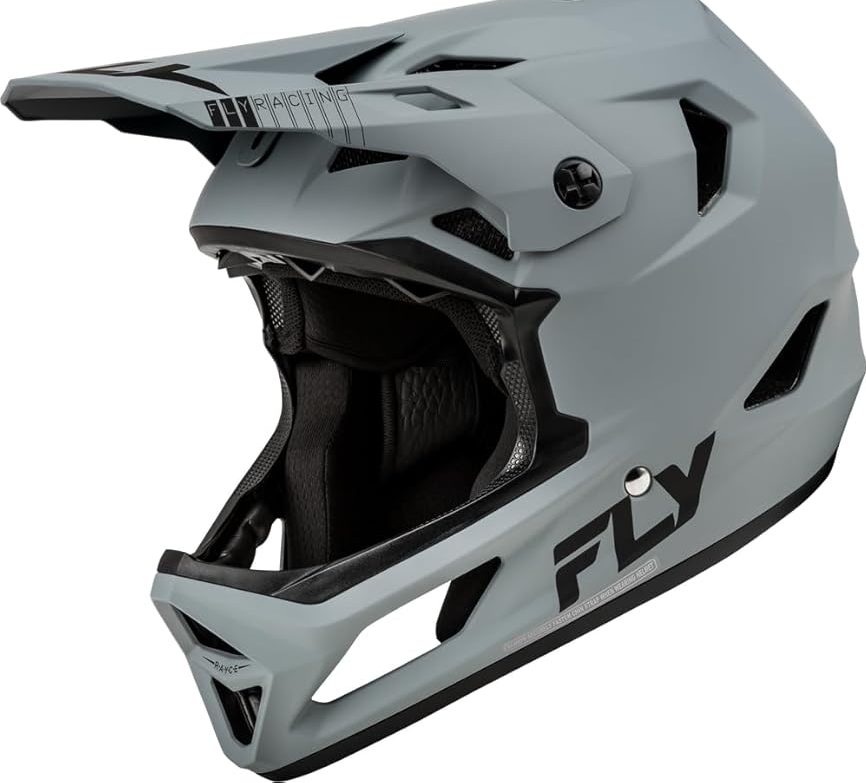

If you are wondering, is it illegal to ride a motorcycle without a helmet, the short answer in Michigan is: sometimes. Michigan has a helmet law, but some riders age 21 and older can legally ride without one if they meet specific rules.
When I looked closely at the current Michigan law, the confusing part was not the helmet itself. It was the list of conditions tied to riding without one. Your age, motorcycle endorsement, safety course history, and medical coverage can all matter.
Is It Illegal to Ride a Motorcycle Without a Helmet in Michigan?
Yes, it can be illegal. Michigan law generally requires a motorcycle operator and passenger to wear an approved crash helmet unless they qualify for a specific exception.
The exception is mainly for people who are 21 or older. For an operator, several conditions must be met before riding without a helmet is legal.
| Rider situation | Helmet rule |
|---|---|
| Under 21 | Helmet required |
| 21+ operator who meets all conditions | May ride without a helmet |
| 21+ operator who does not meet the conditions | Helmet required |
This is why saying “Michigan is a no-helmet state” is not quite right. Michigan allows some adults to ride without helmets, but it still has a helmet law.
When Can You Legally Ride Without a Helmet?
The operator exception has three key parts. You must be at least 21, have the required medical benefits, and meet the endorsement or safety-course rule.
The Three Conditions for Motorcycle Operators
For a rider to use the helmet exception, all of these must apply:
- You are at least 21 years old.
- You have at least $20,000 in first-party medical benefits insurance.
- You have held a motorcycle endorsement for at least two years or passed an approved motorcycle safety course.
Michigan State Police gives the same three-part test in its current guidance.
| Requirement | What it means |
|---|---|
| Age | You must be 21 or older |
| Riding qualification | 2-year motorcycle endorsement or approved safety course |
| Medical benefits | At least $20,000 in first-party medical benefits |
The “and” matters here. Meeting only one or two of these conditions is not enough.
For example, being 25 does not automatically let you ride without a helmet. If you do not meet the endorsement or safety-course rule and do not have the required coverage, the helmet is still required.
What Happens if You Are Under 21?
If you are under 21 and riding a motorcycle in Michigan, you must wear a crash helmet. The adult exception does not apply to you.
This is one of the easiest parts of the law to understand.
Age Matters More Than Many Riders Think
A rider can have years of experience and still need a helmet because of age. Michigan’s exception starts at 21.
| Age | Can operator use helmet exception? |
|---|---|
| Under 21 | No |
| 21 or older | Yes, if all conditions are met |
So if you are 20 and have completed a motorcycle safety course, you still cannot use the adult helmet exception.
The safe approach is simple: if you are under 21, wear the required helmet.
What About Motorcycle Passengers?
Passengers have a slightly different rule. This is another point that can cause confusion when people read Michigan’s helmet law.
A passenger can qualify for the exception if the passenger is 21 or older and the required medical benefits coverage is in place. The passenger does not have the same two-year endorsement or safety-course condition that applies to the motorcycle operator.
Passenger Rules Are Not the Same as Operator Rules
For a passenger, the focus is age and medical coverage.
| Passenger | Helmet rule |
|---|---|
| Under 21 | Helmet required |
| 21+ with required coverage | May ride without helmet |
| 21+ without required coverage | Helmet required |
If a passenger has their own qualifying medical benefits coverage, Michigan law also addresses how the operator’s required coverage works when carrying that passenger.
This is a good example of why a quick internet answer can be misleading. The rules for the person driving and the person sitting behind them are not identical.
Why Does $20,000 in Medical Coverage Matter?
The medical coverage rule is probably the most unusual part of Michigan’s motorcycle helmet law.
Michigan does not require motorcycle riders to buy ordinary PIP coverage for their motorcycle policy. However, riders who use the helmet exception must have at least $20,000 in qualifying first-party medical benefits.
The Coverage Is Different From Basic Liability Insurance
This distinction is worth checking with your insurer. Liability insurance protects against certain losses you cause to other people, while first-party medical benefits are intended to cover your own medical costs under the applicable policy.
| Coverage type | Main purpose |
|---|---|
| Liability coverage | Protects against covered harm you cause others |
| First-party medical benefits | Helps cover your own medical costs |
| Helmet exception coverage | At least $20,000 required |
Michigan DIFS specifically states that a motorcycle operator must carry at least $20,000 of medical benefits if choosing to ride without a helmet.
One mistake I would avoid is assuming that having a motorcycle insurance policy automatically means you meet this requirement. Check the actual medical-benefit amount.
Does a Motorcycle Endorsement Let You Ride Without a Helmet?
No. Having a motorcycle endorsement by itself does not give you permission to skip the helmet.
For the operator exception, Michigan requires either at least two years of motorcycle endorsement history or completion of an approved motorcycle safety course, plus the other requirements.
The Endorsement and Helmet Rules Are Separate
You also need the proper motorcycle endorsement to legally operate a motorcycle on Michigan public roads. The Michigan Secretary of State says riding without the required motorcycle endorsement can lead to penalties.
| Question | Answer |
|---|---|
| Does an endorsement allow helmet-free riding by itself? | No |
| Can 2 years of endorsement help meet the exception? | Yes |
| Can an approved safety course replace the 2-year period? | Yes |
That last point is useful for newer riders. You do not necessarily have to wait two years if you have successfully completed the approved motorcycle safety course.
What Kind of Helmet Does Michigan Require?
If you do need a helmet, it cannot simply be any helmet that happens to fit your head.
Michigan State Police says motorcycle helmets that meet the federal standards in 49 C.F.R. are considered approved in Michigan. The agency recommends looking for signs of compliance, including a DOT sticker and information supplied with the helmet.
Avoid Novelty Helmets
This is a practical detail worth remembering. Some helmets sold online or at shows may look like motorcycle helmets but are sold as novelty products.
Michigan State Police warns riders to watch for labels saying a helmet is for novelty use or not for street use.
| Helmet choice | Better approach |
|---|---|
| DOT-compliant motorcycle helmet | Use when a helmet is required |
| Helmet with unclear compliance | Avoid |
| Novelty helmet | Do not use as a legal motorcycle helmet |
I would not judge a helmet by appearance alone. Check the compliance information.
Are There Other Rules When Riding Without a Helmet?
Yes. Skipping the helmet does not mean you can skip other motorcycle safety rules.
One rule that is easy to overlook involves eye protection. Michigan requires a motorcycle operator traveling over 35 mph without a windshield to wear transparent goggles, eyeglasses, or a face shield that is shatter resistant and protects the eyes from airborne material and road debris.
No Helmet Does Not Mean No Eye Protection
This matters because some riders seem to treat the helmet exception as an all-purpose safety exception. It is not.
| Riding situation | Eye protection rule |
|---|---|
| Over 35 mph with no windshield | Required |
| 35 mph or less | This specific rule does not apply |
| Windshield-equipped motorcycle | This specific rule does not require the listed eye protection |
The rule is separate from the helmet requirement.
Is Riding Without a Helmet a Criminal Offense?
The helmet rule itself should not be confused with a serious criminal offense. Michigan law classifies violations of the relevant sections, including MCL 257.658, as civil infractions.
That does not mean the rule is unimportant. A civil infraction can still mean a citation and other consequences.
Helmet Violations Are Different From Riding Without an Endorsement
This distinction matters because Michigan has separate penalties for operating a motorcycle without the required endorsement. The Secretary of State says a first endorsement violation can bring a civil infraction and a $250 fine, while a second offense can be a misdemeanor with a possible $500 fine and jail time.
| Violation | General legal category |
|---|---|
| Violation of MCL 257.658 | Civil infraction |
| Riding without required endorsement | Separate offense with stronger penalties |
| Helmet exception requirements not met | Helmet requirement still applies |
So I would not lump helmet violations and endorsement violations together. They are separate legal issues.
Common Mistakes Michigan Riders Make
The hardest part of this law is usually not understanding the basic rule. It is assuming that one condition is enough.
Mistake: “I’m Over 21, So I Don’t Need a Helmet”
Age alone is not enough. You also need the required medical benefits and the endorsement or approved-course qualification.
Mistake: “I Have Insurance, So I’m Covered”
Not all insurance coverage meets the specific medical-benefit requirement. Check that you have the required first-party medical benefits.
Mistake: “I Took a Course, So I Can Skip Everything Else”
The safety course can satisfy one part of the operator exception. You still need to be 21 or older and have the required medical benefits.
| Common mistake | Better approach |
|---|---|
| Relying on age alone | Check all three conditions |
| Assuming any insurance works | Confirm first-party medical benefits |
| Confusing endorsement with permission | Treat endorsement and helmet rules separately |
| Using a novelty helmet | Check DOT compliance |
What I Would Check Before Riding Without a Helmet
If I were making this decision based on the current Michigan rules, I would not rely on memory or a friend’s advice. I would check the actual requirements before leaving the driveway.
Start with these questions:
- Am I at least 21?
- Have I held my motorcycle endorsement for two years?
- If not, have I completed an approved motorcycle safety course?
- Do I have at least $20,000 in qualifying first-party medical benefits?
- If I have a passenger, does that passenger meet the separate requirements?
- Am I following the eye-protection rule when traveling over 35 mph without a windshield?
If every required answer checks out, the helmet exception may apply. If one required condition fails, the safer legal assumption is that you need an approved helmet.
Final Thoughts
So, is it illegal to ride a motorcycle without a helmet? In Michigan, it can be. Riders under 21 must wear one, while some riders age 21 and older can legally go without a helmet if they meet the state’s endorsement or safety-course and medical-benefit requirements.
My biggest takeaway is not to treat Michigan as simply a “helmet” or “no-helmet” state. The law has a specific exception, and the details matter. If you are unsure about your insurance or qualification, wearing an approved helmet is the simple choice while you confirm the rules.
Frequently Asked Questions
Is it illegal to ride a motorcycle without a helmet in Michigan?
Yes, unless you qualify for Michigan’s adult helmet exception. Riders under 21 must wear a helmet. Riders 21+ need the required training or endorsement and medical coverage.
Can you ride a motorcycle without a helmet at 21 in Michigan?
Yes, but age alone is not enough. You also need $20,000 in first-party medical benefits and the required endorsement history or an approved safety course.
Do motorcycle passengers need helmets in Michigan?
Passengers under 21 must wear a helmet. A passenger 21 or older may skip it if the required medical benefits coverage is in place under Michigan law.
What insurance do you need to ride without a helmet?
Michigan requires at least $20,000 in first-party medical benefits for a rider using the helmet exception. Ask your insurer to confirm your coverage meets this rule.
Does a motorcycle safety course let you ride without a helmet?
It can satisfy the training part of the exception. You must still be at least 21 and have at least $20,000 in required first-party medical benefits.

Olivia
Writer at Helmet Today, covering helmet reviews, fit and riding safety.