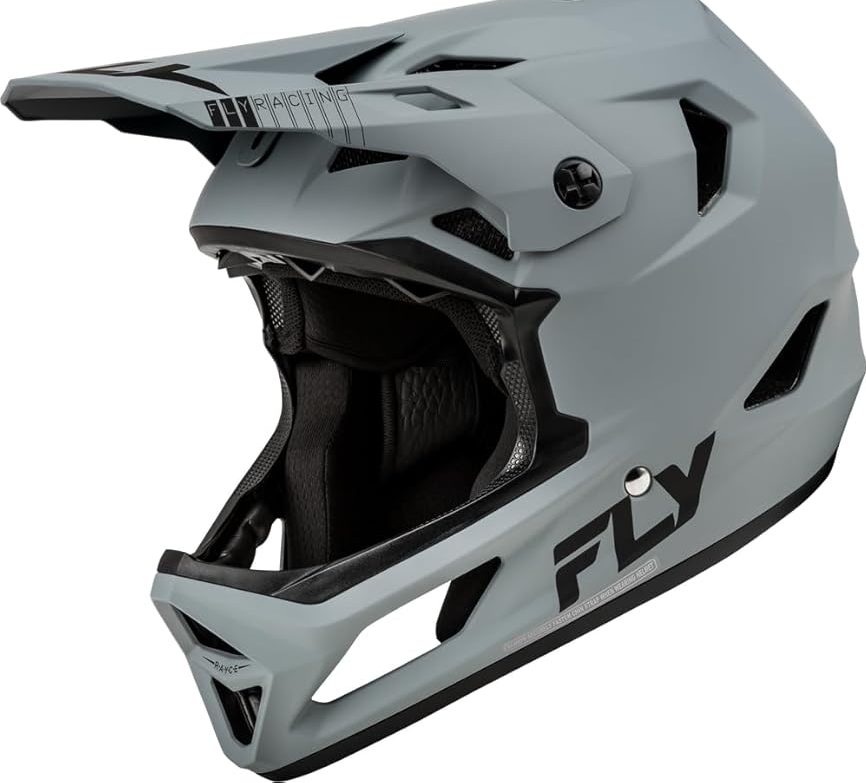

If you are wondering, is there a helmet law in Michigan for motorcycles, the answer is yes. But Michigan has an unusual rule that lets some riders age 21 and older ride without a helmet.
I wanted to sort this out because the short version you often hear is, “Michigan does not require motorcycle helmets.” That is not quite right. The real rule depends on your age, motorcycle endorsement or training, and medical coverage. Here is what matters before you ride.
Is There a Helmet Law in Michigan for Motorcycles?
Yes. Michigan has a motorcycle helmet law under MCL 257.658. The law requires a helmet unless the motorcycle operator meets specific conditions for an exemption.
This is the key point. Being over 21 does not, by itself, make you exempt.
| Rider situation | Michigan rule |
|---|---|
| Under 21 | Helmet required |
| 21+ and meets all exemption rules | Helmet may be optional |
| 21+ but misses one requirement | Helmet required |
Michigan State Police gives the same basic guidance. A rider who does not meet the exemption requirements must wear a DOT-approved motorcycle helmet.
That small detail can make a big difference during a traffic stop or after a crash.
What Are the Requirements to Ride Without a Helmet?
For an adult motorcycle operator to use Michigan’s helmet exemption, three main conditions apply.
You must be at least 21. You must have held a motorcycle endorsement for at least two years or successfully completed an approved motorcycle safety course. You also need at least $20,000 in medical insurance coverage.
| Requirement | Minimum needed |
|---|---|
| Age | 21 years old |
| Endorsement or training | 2 years of endorsement or approved safety course |
| Medical coverage | $20,000 |
I would check all three before leaving the helmet at home. The most common mistake is checking only the age requirement.
What Does the Michigan Motorcycle Helmet Exemption Mean?
The exemption means that some qualified adult riders can legally ride without a helmet. It does not mean Michigan has no motorcycle helmet law.
That difference matters when you search for information online. A headline may say Michigan is a “helmet choice” state, while another page may say helmets are required. Both can seem correct until you look at the conditions.
| Statement | Reality |
|---|---|
| “Michigan has no helmet law.” | Incorrect |
| “Everyone must wear a helmet.” | Incorrect |
| “Some adults can legally ride without one.” | Correct |
The safest way to think about it is this: Michigan has a helmet requirement with an adult exemption.
That wording is much harder to misunderstand.
Does Your Motorcycle Endorsement Affect the Helmet Rule?
Yes. Your motorcycle endorsement can be important if you want to ride without a helmet.
Michigan calls its motorcycle endorsement a CY endorsement. The state requires a CY endorsement to operate a motorcycle or three-wheeled motorcycle on public roads.
But simply having a CY endorsement does not automatically make you exempt from the helmet requirement.
For the helmet exemption, Michigan State Police says the endorsement must have been held for at least two years, unless you have successfully completed an approved motorcycle safety course.
| Endorsement status | Helmet exemption |
|---|---|
| No motorcycle endorsement | No |
| Endorsement for less than 2 years | Not by endorsement alone |
| Endorsement for 2+ years | May qualify if other rules are met |
This is one of those details I would double-check rather than rely on memory. Motorcycle licensing rules and helmet rules are related, but they are not the same thing.
Can a Safety Course Replace the Two-Year Requirement?
Yes. Completing an approved motorcycle safety course can satisfy the experience or training part of the helmet exemption.
Michigan’s Rider Education Program offers courses for new and experienced riders. The Basic RiderCourse is designed for beginners and can also be used to obtain a motorcycle endorsement.
That is useful for a newer rider. You do not necessarily have to wait two years after getting your endorsement before qualifying under the helmet exemption.
Still, I would keep your course completion record. It is much easier to answer a question about your training when you have the paperwork than when you are trying to remember a class you took years ago.
What Medical Coverage Is Required?
This is probably the least understood part of Michigan’s motorcycle helmet law.
A rider using the helmet exemption must have at least $20,000 in medical insurance coverage. Michigan State Police describes this as first-party medical benefits.
The important thing is not to assume that any insurance automatically meets this rule.
| Question | What to check |
|---|---|
| Do you have health insurance? | Check the actual coverage |
| Do you want to ride without a helmet? | Confirm at least $20,000 in required benefits |
| Are you unsure about your policy? | Ask your insurer |
There is also a useful practical point here. Michigan State Police says the law does not require the operator to carry or present proof of the duration of the endorsement or completion of a safety course. It also says the operator or passenger is not required to carry or present proof of the $20,000 medical coverage.
That does not mean the requirements disappear. It simply means the law does not require you to carry that proof while riding.
Do Motorcycle Passengers Have to Wear Helmets in Michigan?
Passengers have their own helmet exemption.
A passenger can ride without a helmet if the passenger is at least 21 and has at least $20,000 in medical insurance coverage. The operator’s medical coverage may also include the passenger, subject to Michigan’s rules.
| Passenger | Helmet rule |
|---|---|
| Under 21 | Helmet required |
| 21+ with required coverage | May qualify for exemption |
| 21+ without required coverage | Helmet required |
This is where I would avoid making assumptions. Even if the motorcycle operator qualifies to ride without a helmet, the passenger may not qualify.
It is worth checking both people separately before starting the trip.
What Kind of Helmet Is Required in Michigan?
When you are required to wear a helmet, Michigan requires a Department of Transportation-approved motorcycle helmet.
That means an old novelty helmet should not be treated as automatically legal just because it looks like motorcycle gear.
Michigan’s motorcycle safety program also requires a DOT-compliant or Snell-approved helmet for riders taking its safety courses.
| Helmet type | Practical choice |
|---|---|
| DOT-compliant motorcycle helmet | Good choice |
| Snell-approved helmet | Suitable for training requirements |
| Novelty helmet | Do not assume it meets the rule |
I would also be careful when buying a helmet from an unknown seller. A cheap helmet is not much of a bargain if you later discover that it does not meet the required standard.
Does Michigan Require Eye Protection on a Motorcycle?
Yes. This is another rule that can get overlooked when people focus only on the helmet.
Michigan requires a motorcyclist to use shatterproof goggles, a face shield, or a windshield to protect the eyes when the vehicle is traveling more than 35 mph.
| Riding setup | Eye protection |
|---|---|
| Shatterproof goggles | Acceptable |
| Face shield | Acceptable |
| Windshield | Acceptable |
So riding without a helmet does not mean riding without eye protection.
That makes sense in real life. A bug, piece of grit, or bit of road debris can hit your face very quickly. You do not want to discover that lesson at highway speed.
What About a Motorcycle Temporary Instruction Permit?
A temporary instruction permit, or TIP, is different from a full motorcycle endorsement.
Michigan says a TIP lets a rider practice before taking the motorcycle skills test. The permit lasts up to 180 days, and riders using it cannot ride at night or carry passengers. They also must remain under the constant visual supervision of a licensed motorcycle operator who is at least 18.
| TIP rule | Requirement |
|---|---|
| Permit length | Up to 180 days |
| Night riding | Not allowed |
| Passengers | Not allowed |
I would not treat a TIP as a shortcut to the helmet exemption.
If you are still working toward your endorsement, follow the restrictions that come with the permit and wear the required safety gear.
What Are the Biggest Michigan Helmet Law Mistakes?
Most confusion comes from remembering one part of the law and forgetting the rest.
For example, someone may know that Michigan lets some riders over 21 ride without helmets. They may not know about the endorsement, training, or insurance conditions.
| Mistake | Better approach |
|---|---|
| “I’m 21, so I’m exempt.” | Check every exemption requirement |
| “I have a CY, so I can skip the helmet.” | Check how long you have held it |
| “I have health insurance.” | Confirm the required medical benefit |
| “My passenger can skip it too.” | Check the passenger’s own eligibility |
| “Any motorcycle helmet is fine.” | Use a compliant helmet when required |
I also would not use another rider’s situation as proof of your own. Their license history or insurance may be completely different.
Is Riding Without a Helmet Actually a Good Idea?
Legally, some Michigan riders can do it. From a safety standpoint, I would still choose a helmet.
Michigan itself recommends protective gear for riders. Its motorcycle safety information notes that proper riding gear can help protect against crashes, weather, debris, and other hazards.
The important distinction is simple:
Legal does not always mean safest.
A helmet exemption gives an eligible rider a legal choice. It does not remove the risk of a head injury.
For everyday riding, I think that is the more useful way to look at the rule. You can understand your legal rights while still choosing the extra protection.
What Should You Check Before Riding in Michigan?
If you plan to ride without a helmet, I would run through a quick checklist first.
This takes less than a minute and can prevent a very avoidable mistake.
| Check | What to confirm |
|---|---|
| Age | You are at least 21 |
| Training | You completed an approved course or meet the endorsement rule |
| Medical coverage | You meet the $20,000 requirement |
| Eye protection | You have required protection above 35 mph |
| Passenger | Check the passenger’s separate requirements |
If one part is unclear, I would wear the helmet until you confirm the rule.
It is much easier than trying to sort out the law after a traffic stop or crash.
Final Thoughts
So, is there a helmet law in Michigan for motorcycles? Yes. Michigan requires motorcycle helmets unless the rider qualifies for the state’s adult exemption.
The biggest lesson is that being 21 is only one piece of the puzzle. For an operator, you also need the required endorsement history or approved safety course and at least $20,000 in medical coverage.
My practical advice is simple: learn the rule that applies to your exact situation, not the version you heard from a friend. And even if you qualify to ride without a helmet, wearing a proper helmet remains the safer choice.
FAQ
Is there a helmet law in Michigan for motorcycles?
Yes. Michigan requires a helmet unless the rider meets its adult exemption rules. Riders under 21 must wear a helmet.
Can you ride a motorcycle without a helmet in Michigan?
Yes. Riders 21+ may qualify if they meet the endorsement or course rule and have at least $20,000 in medical coverage.
At what age can you ride without a helmet in Michigan?
You must be at least 21. Age alone is not enough. You must also meet the training and medical coverage rules.
Do passengers need motorcycle helmets in Michigan?
Passengers under 21 must wear a helmet. Some passengers 21+ may qualify for an exemption if coverage rules are met.
What helmet is required in Michigan?
When a helmet is required, Michigan calls for a DOT-approved motorcycle helmet. Check the helmet for proper compliance before riding.
Does Michigan require eye protection on motorcycles?
Yes. Above 35 mph, riders must use shatterproof goggles, a face shield, or a windshield for eye protection.

Olivia
Writer at Helmet Today, covering helmet reviews, fit and riding safety.