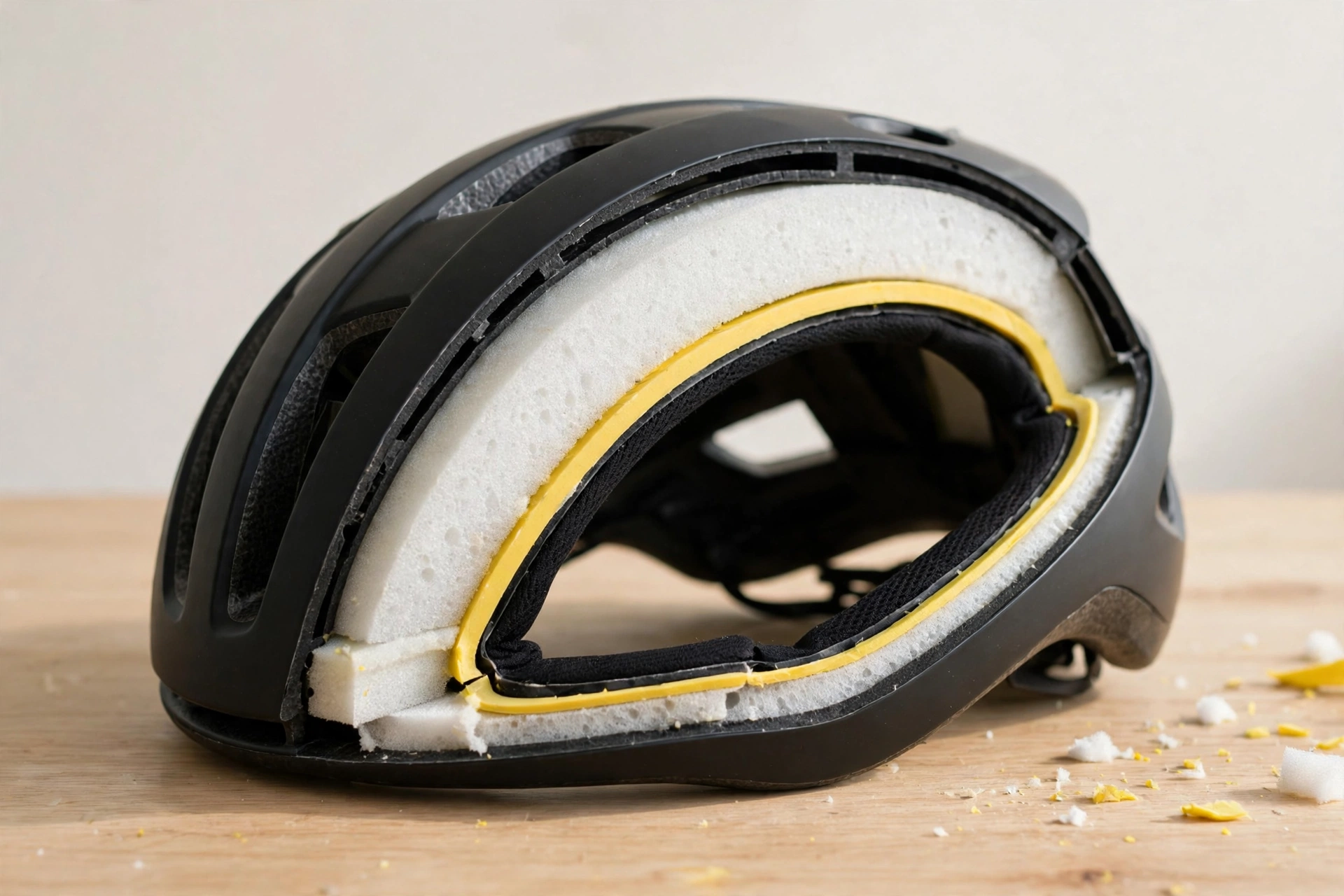
MIPS and WaveCel are both designed to do the same extra job: reduce the rotational forces that reach your head when you hit the ground at an angle. The difference is how they do it. MIPS uses a thin low-friction slip plane inside the helmet that lets the shell move slightly against your head, while WaveCel uses a collapsible cellular structure that flexes, crumples, and glides to absorb both straight and angled impacts. Both are genuine improvements over a standard EPS foam liner on its own.
Most real crashes are angled, not straight-on, and angled impacts can twist the head in ways linked to concussion and brain injury. That is why these two systems get so much attention, and why riders compare them directly. Here is how each works, where you will find them, and how to choose.
How MIPS Works: The Slip Plane
MIPS, which stands for Multi-directional Impact Protection System, is a thin plastic liner fitted inside the helmet, between the EPS foam and the comfort padding. In an angled impact, that liner allows the helmet to slide a small amount relative to your head, redirecting some of the rotational energy away from the brain instead of transferring all of it through.
Think of it as a controlled slip. Your head keeps moving in the direction it was going, while the helmet is allowed a few millimetres of movement around it during the critical first moments of the impact. The system adds very little weight or thickness, which is a big reason it has spread so widely: helmet brands can build it into existing designs without changing how the helmet looks or feels on your head.
MIPS began in bicycle helmets and is now found in motorcycle, ski, snowboard, equestrian, and construction helmets as well. If you want the fuller background first, our guide to what MIPS is for helmets explains the system in more depth before you compare it with WaveCel.
How WaveCel Works: The Cellular Structure
WaveCel takes a completely different approach. Instead of a slip layer, it is a layer of collapsible material, made of cells arranged in a wavy pattern, fitted inside the helmet in place of part of the conventional foam area. In an impact, those cells work in stages: they flex, then crumple like a car bumper, then glide against each other, which together is intended to disperse linear energy and reduce rotational forces at the same time.
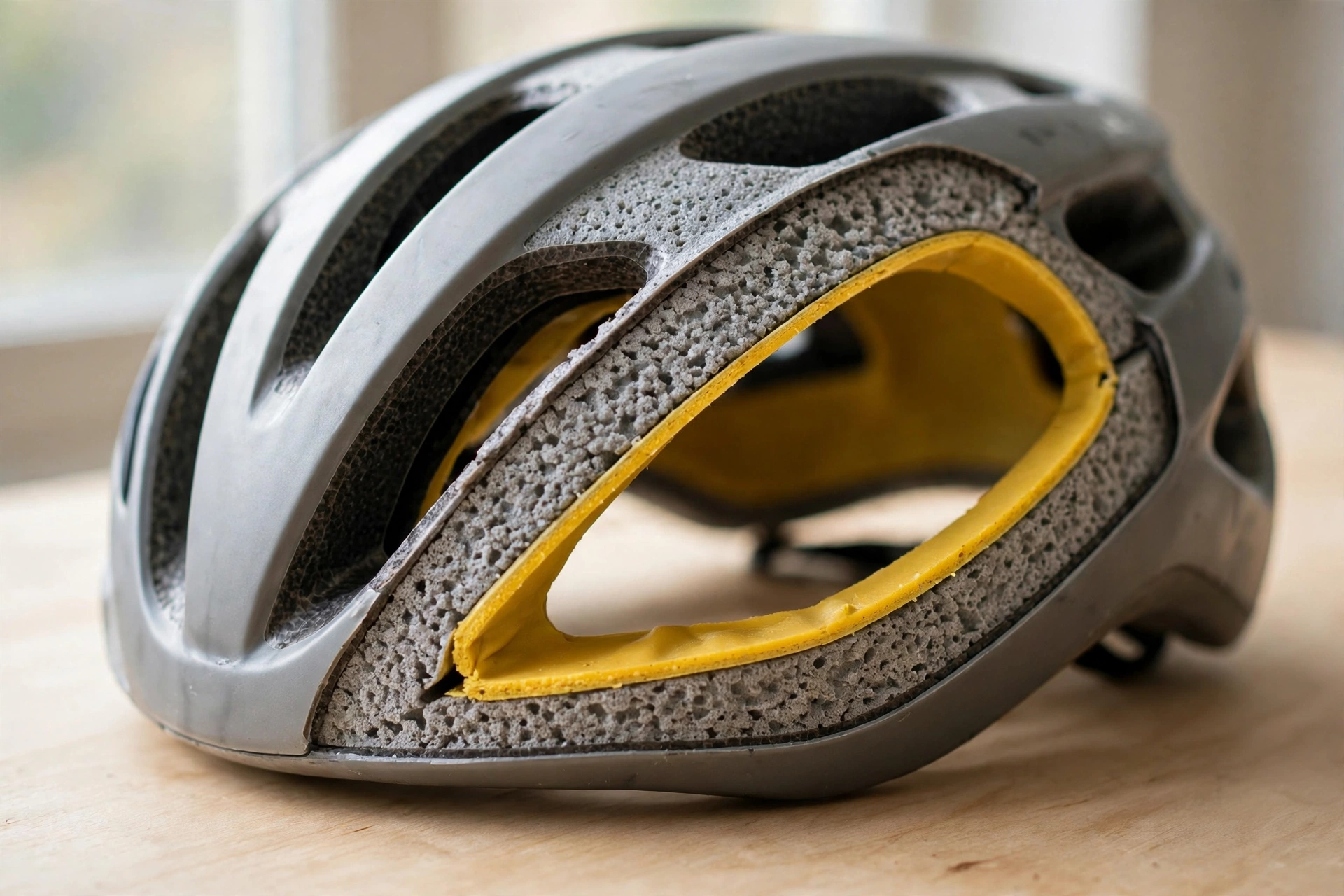
Because WaveCel is a structural material rather than a thin liner, it takes up more room inside the helmet and adds a little more complexity to the design. Helmets using it are designed around it from the start, rather than having it added to an existing model. Ventilation is handled through the cell structure itself, since air can pass through the open pattern of the material.
WaveCel was developed with support from orthopedic research into how head injuries happen, and it launched in bicycle helmets made by Trek’s Bontrager brand, which remains where you will most commonly find it.
MIPS vs WaveCel: The Key Differences
Side by side, the practical differences come down to design, availability, and feel rather than one simple winner. MIPS is a slip plane: a separate thin layer that moves. WaveCel is a working structure: the material itself flexes, crushes, and shifts. MIPS can be added to many existing helmet designs, so it appears across dozens of brands and price points. WaveCel appears mainly in one brand family of bicycle helmets, so your choice of shapes, styles, and prices is narrower.
Weight and fit differ too. MIPS adds almost nothing you can feel, while WaveCel helmets can feel slightly different in fit and ventilation because the material is thicker and forms part of the helmet’s crown. Neither difference is large enough to decide the question on its own; a helmet that fits your head properly matters more than which of these two respected systems is inside it.
You should also be honest about the evidence. Each system is supported by its own testing and published research, and both make strong claims, but truly independent, like-for-like real-world comparisons between the two are still limited. Different test rigs measure rotational forces differently, which makes headline numbers hard to compare fairly. The sensible conclusion is that either system is a step forward from a plain liner, not that one has been proven to beat the other for every rider and every crash.
Which Helmets Offer Each System?
MIPS is the far more common of the two. You will find MIPS versions of helmets for road and mountain biking, motorcycling, skiing, snowboarding, climbing, and even hard hats, from a long list of brands and at prices ranging from budget to premium. That spread means you can almost always find a MIPS helmet that fits your head shape and your budget, whichever sport you are buying for.
WaveCel is concentrated in the bicycle market, mainly in Bontrager road, mountain, and commuter helmets sold through Trek dealers. If you ride a bike and like how those helmets fit, it is a genuinely strong option. If you need a motorcycle, ski, or climbing helmet, WaveCel is generally not available in those categories, so MIPS or another rotational system will be your route to that extra protection.
Also look out for similar ideas under other names. Several brands now offer their own rotational systems, such as slip liners or low-friction layer designs developed in-house. The branding differs, but the aim is the same: managing angled-impact energy. Judge each helmet on fit, certification, and how well the system is executed, not on the logo alone.
Which One Should You Choose?
Start with fit, always. Try helmets on, wear them for several minutes, and choose the one with even pressure and no hotspots, because a helmet that shifts in a crash protects poorly whatever technology it carries. Then treat the rotational system as a strong bonus: if your shortlist includes a MIPS or WaveCel version at a price you can manage, choose it over the otherwise identical plain version.
Choose MIPS if you want the widest choice of brands, sports, and price points, or if you are buying for motorcycling, snow sports, or climbing. Choose WaveCel if you are buying a bicycle helmet, a model that offers it fits you best, and you are happy buying within that brand range. In both cases, you are making a defensible, evidence-aware choice.
Whichever you pick, replace it after any crash, look after it away from heat and solvents, and remember that no liner system makes an old, damaged, or poorly fitting helmet a good one.
Frequently Asked Questions
Is WaveCel better than MIPS?
There is no settled answer. Each is backed by its own research and both aim to reduce rotational forces, but limited independent testing compares them directly in identical conditions, so fit and availability are better deciding factors.
Does MIPS make a helmet safer in every crash?
MIPS is designed for angled impacts, which are the most common kind. It can reduce rotational energy transferred to the head, but it works alongside the helmet’s foam liner and certification, not instead of them.
Can I add MIPS or WaveCel to my current helmet?
No. Both systems are built into the helmet during manufacture and are fitted for that specific model. If you want rotational protection, you need to buy a helmet that includes it.

Olivia
Writer at Helmet Today, covering helmet reviews, fit and riding safety.