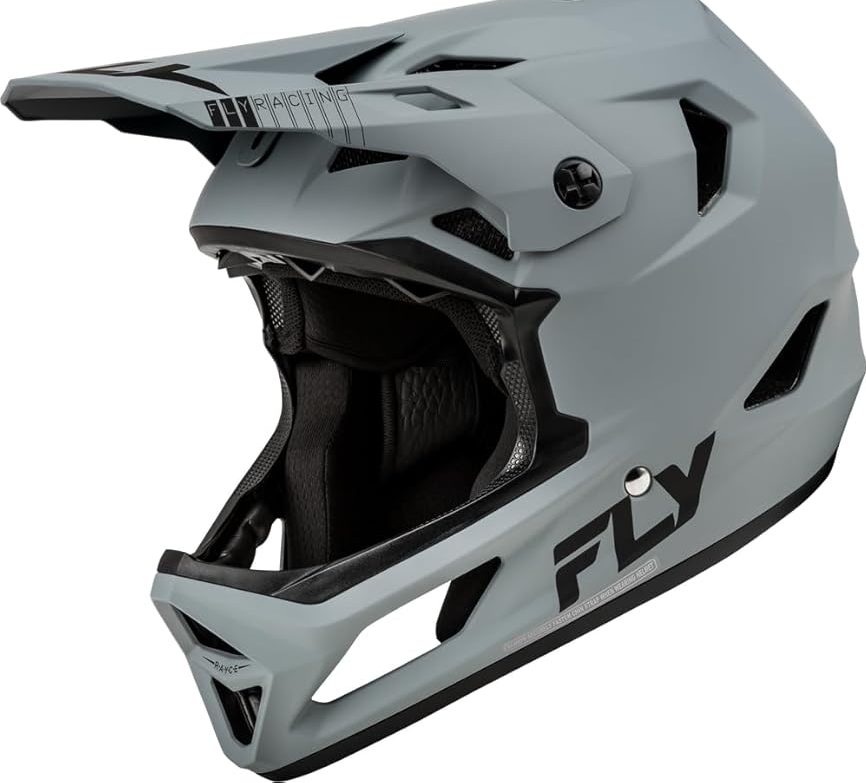

When I checked the current North Carolina motorcycle helmet law, I found one point that makes the state easy to understand: North Carolina requires helmets for motorcycle and moped riders regardless of age. The operator and every passenger must wear a proper helmet with the retention strap secured.
I also found a few details that are easy to miss. The helmet must meet federal FMVSS 218 standards, the strap must be secured, and the rule has a specific exception for certain enclosed autocycles. I dug into those details because a simple “helmets are required” answer does not tell a rider everything they need to know.
What does the North Carolina motorcycle helmet law require?
North Carolina General Statute §20-140.4 says a person cannot operate a motorcycle or moped on a highway or public vehicular area unless the operator and all passengers wear safety helmets that comply with Federal Motor Vehicle Safety Standard 218, commonly called FMVSS 218.
The helmet must also be worn on the head with the retention strap properly secured. This applies to both the person driving and anyone riding as a passenger.
| Rider | Helmet required? |
|---|---|
| Adult motorcycle operator | Yes |
| Adult motorcycle passenger | Yes |
| Minor motorcycle rider | Yes |
| Moped operator or passenger | Yes |
This is the first thing I would remember. North Carolina is not an age-based helmet state like some states. The rule applies to everyone covered by the statute.
Does North Carolina require motorcycle helmets for adults?
Yes. Adults must wear a compliant motorcycle helmet when operating or riding as a passenger on a motorcycle or moped covered by the law.
There is no general adult exemption based on age, riding experience, or motorcycle license status. Having years of riding experience does not remove the helmet requirement.
What kind of helmet is legal in North Carolina?
This is where the federal safety standard matters.
North Carolina requires a motorcycle helmet that complies with FMVSS 218. The NCDMV gives riders some practical ways to spot a compliant helmet. It says a proper helmet should have a firm inner liner, a permanently installed DOT symbol, and a permanent manufacturer label.
| Helmet feature | What to check |
|---|---|
| Inner liner | Firm protective liner, about 1 inch thick |
| DOT marking | Permanently installed by the manufacturer |
| Manufacturer label | Permanent label inside the helmet |
One thing I would not do is trust a loose DOT sticker.
NCDMV warns that some novelty helmets come with separate DOT stickers that can be purchased and attached later. That sticker alone does not make the helmet compliant.
Can you use a novelty helmet in North Carolina?
Not if it fails the required federal helmet standard.
A helmet can look like motorcycle safety gear and still lack the construction needed to meet FMVSS 218. NCDMV specifically points out the difference between a compliant helmet and a novelty-style helmet with little or no protective liner.
The safer approach is simple: buy a motorcycle helmet from a reputable maker, check the permanent markings, and make sure it fits correctly.
Does the helmet strap have to be fastened?
Yes.
The North Carolina motorcycle helmet law does not merely say that a helmet must be present. It says the helmet must be worn on the head with the retention strap properly secured.
That is a small detail, but it matters in real use. A helmet that is sitting on your head with the strap hanging loose is not the same thing as properly wearing it.
| Situation | Meets the basic rule? |
|---|---|
| Compliant helmet, strap fastened | Yes |
| Compliant helmet, strap loose | No |
| Novelty helmet with fake DOT sticker | No |
| Proper FMVSS 218 helmet, worn correctly | Yes |
I would make fastening the strap part of the normal start-up routine. It takes seconds.
Are motorcycle passengers covered by the North Carolina helmet law?
Yes. Passengers are covered just like operators.
The statute says the operator and all passengers must wear compliant safety helmets. It also says the number of people on the motorcycle or moped cannot exceed the number of people the vehicle was designed to carry.
| Passenger issue | North Carolina rule |
|---|---|
| Passenger helmet | Required |
| Passenger strap | Must be secured |
| Too many passengers | Not allowed |
| Helmet standard | FMVSS 218 |
This is worth checking before taking someone for a ride. A passenger is not exempt just because the driver is wearing a helmet.
Does a child passenger have to wear a helmet?
Yes. North Carolina does not create a general child-only helmet rule because everyone covered by the motorcycle statute must wear a compliant helmet.
So the same basic helmet requirement applies to the rider and passenger, whether the person is young or old.
Separate passenger and motorcycle equipment rules can still matter, so I would not use the helmet rule as a complete checklist for carrying a child.
Is there an exception to the North Carolina motorcycle helmet law?
There is a narrow exception for certain autocycles.
The helmet requirement in §20-140.4 does not apply to an operator or passenger within an autocycle that has completely enclosed seating or is equipped with a roll bar or roll cage.
| Vehicle setup | Helmet rule under §20-140.4 |
|---|---|
| Standard motorcycle | Helmet required |
| Standard moped | Helmet required |
| Qualifying enclosed autocycle | Exception applies |
This is not a broad exemption for three-wheel motorcycles. The vehicle has to fit the statutory description.
That is why I would avoid assuming that every three-wheeled vehicle is automatically exempt.
What happens if you violate the North Carolina helmet law?
A violation of §20-140.4 is an infraction. The statute sets a penalty of $25.50 plus applicable court costs.
There is also an important detail that people often miss: the statute says a conviction under this section does not result in driver license points or an insurance surcharge.
| Consequence | Current rule |
|---|---|
| Basic statutory penalty | $25.50 |
| Court costs | Additional costs can apply |
| Driver license points | None |
| Insurance surcharge | None |
The relatively low penalty should not be mistaken for a low-risk rule. The law sets a fine, but the real reason for wearing the helmet is protection in a crash.
How can you tell if a motorcycle helmet is legal?
I found NCDMV’s practical helmet checklist especially useful because it goes beyond simply saying “buy a DOT helmet.”
A compliant helmet should have a firm protective liner, a permanent DOT symbol installed by the manufacturer, and a permanent manufacturer label.
What should I check before buying a helmet?
I would look at four things before paying for one:
- Permanent DOT marking
- Firm inner liner
- Manufacturer label
- Secure and comfortable fit
| Buying check | Why it matters |
|---|---|
| Permanent DOT marking | Helps identify a compliant helmet |
| Firm liner | Provides the main impact-absorbing structure |
| Proper fit | Keeps the helmet stable |
| Secure strap | Helps keep the helmet in place |
The fit is easy to underestimate. A helmet can have all the right labels and still be a poor choice if it is loose or uncomfortable.
Does North Carolina require helmets on mopeds too?
Yes. The current law specifically covers motorcycles and mopeds. NCDMV also states that operators and passengers on motorcycles and mopeds must wear motorcycle safety helmets that comply with FMVSS 218.
That means switching from a motorcycle to a moped does not create a general helmet exemption.
| Vehicle | Helmet requirement |
|---|---|
| Motorcycle | Required |
| Moped | Required |
| Qualifying autocycle | Statutory exception |
This is useful for riders who move between different two- and three-wheel vehicles. The vehicle classification can change which rule applies.
Has North Carolina changed its motorcycle helmet law recently?
The current helmet requirement remains in place.
The North Carolina General Assembly’s current statutes include changes through Session Law 2026-30, and §20-140.4 continues to require helmets for motorcycle and moped operators and passengers.
There have been recent bills dealing with motorcycles and mopeds, but that does not mean the basic helmet rule has disappeared. For example, House Bill 822 addressed moped regulation and proposed changes involving §20-140.4, but its legislative history does not show it replacing the current helmet requirement with an exemption.
| Question | Current answer |
|---|---|
| Are helmets still required? | Yes |
| Does age create an exemption? | No |
| Does a motorcycle endorsement create an exemption? | No |
| Is there an autocycle exception? | Yes, if the statutory conditions apply |
This is why I would check the actual statute rather than relying on old social media posts or forum comments.
Common mistakes riders should avoid
The biggest mistake is assuming that experienced riders can skip the helmet. North Carolina does not provide that kind of general exemption.
Another mistake is treating the DOT label as the only thing that matters. NCDMV recommends checking the helmet’s construction and permanent markings as well.
| Common mistake | Better approach |
|---|---|
| Riding without a helmet because you are an adult | Wear a compliant helmet |
| Leaving the chin strap loose | Secure it before moving |
| Trusting a stick-on DOT sticker | Check permanent manufacturer markings |
| Assuming a three-wheel vehicle is exempt | Check whether it qualifies as an autocycle |
I would also replace a helmet after a serious impact rather than trying to judge its condition by appearance alone.
My practical take on the North Carolina motorcycle helmet law
After checking the current statute and NCDMV guidance, the rule is pretty straightforward. Everyone riding a motorcycle or moped in North Carolina needs a compliant helmet, unless the narrow autocycle exception applies.
The part I would focus on is not just owning a helmet. Make sure it actually meets FMVSS 218, fits well, has the proper permanent markings, and stays secured while riding. That removes most of the confusion before you even get on the road.
Final Thoughts
The North Carolina motorcycle helmet law is one of the clearer state helmet rules. There is no general age exemption for adults, and both operators and passengers must wear helmets that comply with FMVSS 218.
The current statutory penalty is $25.50 plus court costs, with no license points or insurance surcharge. Still, I would not make helmet decisions based on the fine. A good helmet is basic riding gear, and in North Carolina it is also required by law.
North Carolina Motorcycle Helmet Law FAQs
Does North Carolina require motorcycle helmets?
Yes. North Carolina requires all motorcycle and moped operators and passengers to wear a helmet that meets FMVSS 218, with a narrow exception for certain enclosed autocycles.
Do adults have to wear motorcycle helmets in North Carolina?
Yes. Adults do not get a general age exemption. Operators and passengers must wear compliant motorcycle helmets when riding a motorcycle or moped.
Do motorcycle passengers need helmets in North Carolina?
Yes. Every passenger on a motorcycle or moped must wear a compliant safety helmet with the retention strap properly secured.
What type of helmet is legal in North Carolina?
The helmet must comply with FMVSS 218. NCDMV recommends checking for a firm liner, permanent DOT marking, and permanent manufacturer labeling.
What is the fine for not wearing a helmet in North Carolina?
A violation is an infraction with a $25.50 penalty plus court costs. The law says it does not add driver license points or an insurance surcharge.

Olivia
Writer at Helmet Today, covering helmet reviews, fit and riding safety.