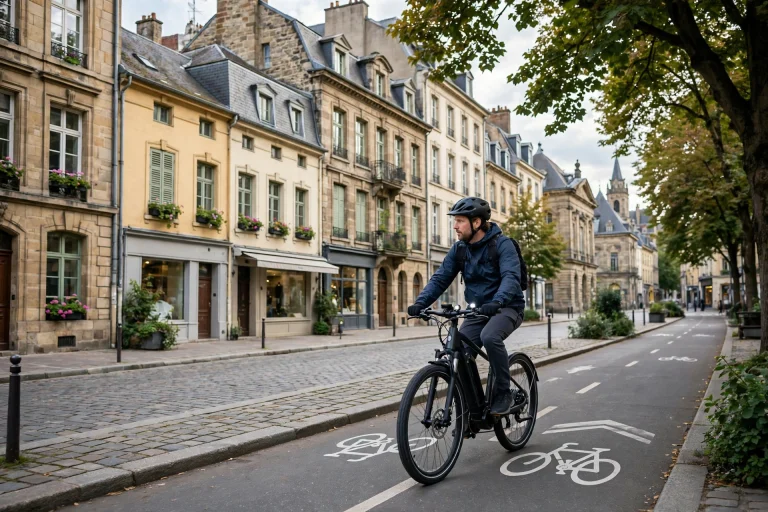
There are plenty of reasons not to wear a bike helmet that I have heard over the years. Some people dislike the fit. Others say helmets feel hot, look awkward, or make short rides feel like too much work.
When I looked past those everyday complaints, though, I found an important difference between a reason for disliking a helmet and a reason for skipping one. A helmet can be annoying and still be useful. Current research shows that bicycle helmets reduce the risk of head and brain injuries in crashes.
Why Do People Give Reasons Not to Wear a Bike Helmet?
Most objections are about comfort, habit, appearance, or the belief that the ride is too safe to need one.
I think that is worth discussing honestly. You do not have to pretend a helmet is always comfortable to understand why many riders still choose to wear one.
| Common reason | What the rider means |
|---|---|
| It feels hot | The helmet traps heat and sweat |
| It feels uncomfortable | The fit may be poor or the straps may bother you |
| Short ride | The rider feels the risk is very low |
| Looks awkward | The rider does not like the style |
| Hair gets messy | The helmet changes the hair or fit |
The key point is that these are real objections, but they do not all tell us whether riding without a helmet is safer.
1. Bike Helmets Can Feel Hot and Sweaty
Heat is one of the most common complaints.
On a warm day, even a well-vented helmet can make your head feel warmer. Add sweat, slow traffic, and a long ride, and the helmet can become one more thing you notice.
That does not mean every helmet feels the same. Vent design, helmet shape, speed, weather, and fit all make a difference.
How I Would Deal With the Heat
Rather than treating heat as a reason to give up on helmets, I would first fix the helmet itself.
| Problem | Better approach |
|---|---|
| Too much heat | Try a helmet with more vents |
| Sweat in eyes | Use a thin sweat-wicking liner |
| Heavy feeling | Look for a lighter model |
| Poor airflow | Check the helmet’s vent layout |
A helmet that fits badly can also feel much hotter than one that fits well.
That small detail gets missed a lot.
2. Some Riders Find Helmets Uncomfortable
Comfort is another fair complaint.
A helmet can press on the wrong spot. The straps can rub your ears. The chin strap can feel annoying. If the size is wrong, the whole ride can become distracting.
In my view, this is one of the better reasons to change helmets, not stop wearing one.
The CDC recommends that bike helmets fit properly and be worn correctly.
Poor Fit Can Make a Good Helmet Feel Bad
A helmet should sit securely without being painfully tight.
If it moves around every time you look left or right, the fit needs work. If you have to tighten the straps until they hurt, the helmet may not be the right size or shape.
| Fit problem | What to check |
|---|---|
| Helmet moves | Adjust the fit system |
| Strap rubs | Adjust the side straps |
| Pressure spots | Try another size or shape |
| Helmet feels loose | Check the fit before riding |
This is one lesson I think is easy to apply: do not judge all helmets by one bad-fitting helmet.
3. “I Am Only Going Around the Corner”
This sounds harmless.
A quick ride to a store or a friend’s house can feel too short to bother with a helmet. The problem is that crashes do not care how long the planned ride is.
A fall can happen on a short trip just as it can on a long ride. The CDC recommends wearing a properly fitted helmet every time you ride.
Short Trips Still Have Risks
You do not need a long mountain ride to fall.
A wet road, loose gravel, car door, pothole, or sudden turn can create trouble within seconds.
| Ride type | Better safety habit |
|---|---|
| Quick errand | Wear the helmet |
| Ride around town | Wear the helmet |
| Long bike ride | Wear the helmet |
| Quiet neighborhood ride | Stay alert and wear it |
The “short ride” argument is really about convenience. It is not strong evidence that the ride itself is risk-free.
4. Some People Think Helmets Encourage Risky Riding
This is one of the more interesting arguments.
The idea is that a rider may feel safer with a helmet and then take more risks. This is sometimes called risk compensation.
It is a real topic in safety research, but it should not be turned into a simple claim that helmets make cycling dangerous. Current public-health guidance still supports helmet use because helmets reduce head and brain injury risk in crashes.
A Helmet Should Not Replace Safe Riding
This is where I think the argument has some practical value.
A helmet is not permission to:
- Ride through red lights
- Ignore cars
- Speed through busy areas
- Ride while distracted
- Skip bike lights at night
The best approach combines protective gear with smart riding.
| Safety step | Why it helps |
|---|---|
| Helmet | Helps protect the head |
| Lights | Helps others see you |
| Safe speed | Gives you more reaction time |
| Traffic awareness | Helps avoid crashes |
A helmet is one safety layer. It should never be the only one.
5. Helmets Can Mess Up Your Hair
This may sound silly, but it is a real reason people give.
Helmets can flatten hair. They can leave marks. They can also make a carefully styled hairstyle look very different after a ride.
I would not dismiss that frustration. People care about comfort and appearance.
But hair is temporary. A head injury can have much bigger consequences.
The CDC notes that helmets help reduce the risk of serious brain or head injury, while also stressing that no helmet can prevent every concussion.
Is Messy Hair a Good Reason to Skip a Helmet?
For me, no.
If appearance is the issue, I would look for a helmet that fits the rider’s hairstyle better or carry a small comb. It is a minor hassle compared with the possible result of a crash.
6. “I Am a Very Careful Rider”
I understand this one.
If you ride slowly, follow traffic rules, and stay on quiet roads, it is easy to think your crash risk is almost zero.
The problem is that not every crash is caused by the cyclist.
Another rider can make a mistake. A driver can fail to see you. A dog can run into the road. A tire can lose air. A patch of gravel can appear around a corner.
Caution helps. It does not remove every outside risk.
Safe Riding and Helmet Use Work Together
A good safety routine does not force you to choose between careful riding and protective gear.
You can do both.
| Habit | Main benefit |
|---|---|
| Ride predictably | Helps others react |
| Watch road surfaces | Helps avoid falls |
| Wear a helmet | Helps reduce head injury |
| Use lights | Improves visibility |
That combination makes much more sense to me than relying on any single safety step.
7. Some Riders Believe Helmets Do Not Prevent Concussions
This point needs a little care.
A bicycle helmet is not concussion-proof. The CDC specifically warns against products that claim they can prevent all concussions.
But that does not mean helmets have no value.
The CDC says bicycle helmets reduce the risk of head and brain injuries. A Cochrane review also found that helmets reduce bicycle-related head and facial injuries among cyclists involved in crashes.
What Helmets Can and Cannot Do
This is the distinction I would keep in mind.
| Helmet can help | Helmet cannot guarantee |
|---|---|
| Reduce head injury risk | Prevent every concussion |
| Reduce brain injury risk | Prevent every crash |
| Protect part of the head | Make risky riding safe |
So “helmets do not prevent every concussion” is true.
“Helmets do nothing” is not supported by the evidence.
8. Some People Do Not Like the Look of Bike Helmets
Style matters more than safety experts sometimes admit.
If someone hates the look of a helmet, they may be less likely to wear it. That can become a practical problem, especially for teenagers and adults who care about appearance.
The good news is that bicycle helmets now come in many shapes and styles.
A rider does not have to choose between an uncomfortable helmet and no helmet at all.
Finding a Helmet You Will Actually Wear
I would focus on three things first: fit, ventilation, and comfort.
Style can come after that.
| Priority | What to look for |
|---|---|
| Fit | Secure and stable |
| Comfort | No painful pressure |
| Ventilation | Enough airflow for your rides |
The best helmet is not simply the one with the most features. It is one that fits correctly and gets worn.
Are There Good Reasons Not to Wear a Bike Helmet?
There are valid reasons to dislike wearing one.
You may find it hot. You may dislike the fit. You may hate helmet hair. You may prefer how cycling feels without one.
Those are personal comfort reasons.
They are different from saying that riding without a helmet is safer. Current evidence supports helmets as a way to reduce head and brain injury during bicycle crashes.
| Personal concern | Practical answer |
|---|---|
| Heat | Improve ventilation |
| Poor fit | Try another size or shape |
| Style | Find a design you like |
| Hair | Adjust your hairstyle or carry a comb |
| Hassle | Keep the helmet with the bike |
What About People Who Choose Not to Wear One?
Adults in the United States may face different laws depending on where they ride.
NHTSA notes that no state currently requires adults to wear bicycle helmets statewide, although some local jurisdictions do have all-age helmet rules.
So there are two separate questions:
Is it legal?
That depends on the state and local rules.
Is it safer?
Research supports wearing a properly fitted bicycle helmet to reduce head injury risk.
Keeping those questions separate prevents a lot of confusion.
What I Learned From Looking at the Arguments
The biggest lesson for me is that most reasons not to wear a bike helmet are really reasons people dislike the experience of wearing one.
That is useful because many of those problems have simple fixes.
A better fit can solve pressure. More vents can help with heat. A different style can solve appearance issues. Better adjustment can stop the helmet from moving around.
The one argument I would not rely on is that helmets are useless because they cannot prevent every injury. Safety gear rarely works that way. A helmet cannot make a crash harmless, but it can lower the chance of serious head injury.
Final Thoughts
There are plenty of understandable reasons not to wear a bike helmet, but most are about comfort, style, heat, or convenience. Those concerns are worth fixing rather than ignoring.
My practical takeaway is simple: find a helmet that fits well, feels comfortable, and suits the way you ride. Then pair it with safe speeds, good visibility, and attention to traffic. A helmet is not perfect, but the evidence shows that it can reduce head and brain injuries when a crash happens.
Frequently Asked Questions
What are the main reasons not to wear a bike helmet?
Common reasons include heat, poor fit, messy hair, style, and comfort. These are real concerns, but they do not show that riding without a helmet is safer.
Is it safer to ride a bike without a helmet?
No. Research shows that bike helmets reduce the risk of head and brain injuries during crashes. A helmet cannot prevent every injury, but it can add useful protection.
Can bike helmets cause more injuries?
There is no good basis for saying normal helmet use causes more overall head injury. Current health guidance supports proper helmet use to reduce head and brain injury risk.
Do bike helmets prevent concussions?
No helmet can prevent every concussion. Helmets help reduce the risk of serious head and brain injury, but they are not concussion-proof.
Should adults wear bike helmets?
Yes. While adult helmet laws vary by location, safety agencies recommend that cyclists of all ages wear properly fitted helmets when riding.

Olivia
Writer at Helmet Today, covering helmet reviews, fit and riding safety.