Short answer: A roller derby helmet and a skate helmet look almost identical, and many are literally the same shell — but roller derby demands a multi-impact helmet built for repeated falls and contact on a hard flat track. If a skate helmet is dual certified (CPSC plus ASTM F1492), it is fine for derby. A lightweight, single-impact bike-style helmet is not the right choice, even if it fits and looks the part.
Because the two helmets share the same rounded “skate style” shape, skaters often assume any of them will do for derby. The real differences hide inside the liner and on the certification label. This guide breaks down what separates a derby-ready helmet from a basic skate helmet, so you can check the label before you buy instead of finding out after your first big fall.
Why Do Roller Derby and Skate Helmets Look So Similar?
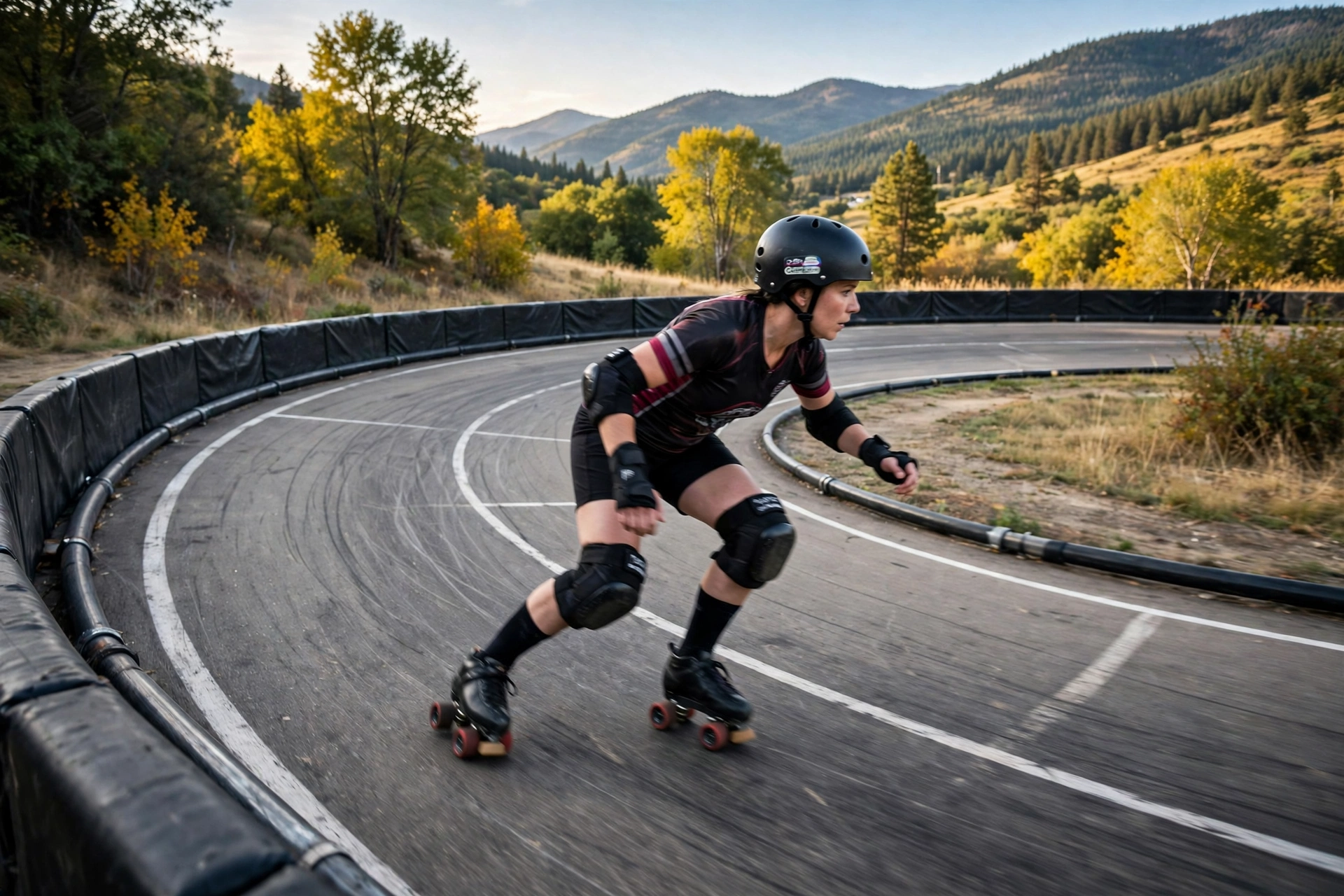
Both helmets come from the same family tree. The classic skate helmet — a hard ABS shell over foam padding, with a rounded profile and no visor — was designed for skate parks, ramps, and street skating. Roller derby adopted the shape because it suits the sport: the smooth, round shell slides instead of catching on the track, there are no vents or peaks to grab during contact play, and the low profile stays out of the way in a pack.
Roller derby leagues also standardized around this style early on, and most derby gear guides simply say “a certified skate-style or hockey-style helmet.” That is why a derby bout and a skate park session can look like everyone raided the same helmet rack. Underneath that shared shell, though, the padding systems can be built very differently.
What Is the Biggest Difference Between Derby and Skate Helmets?
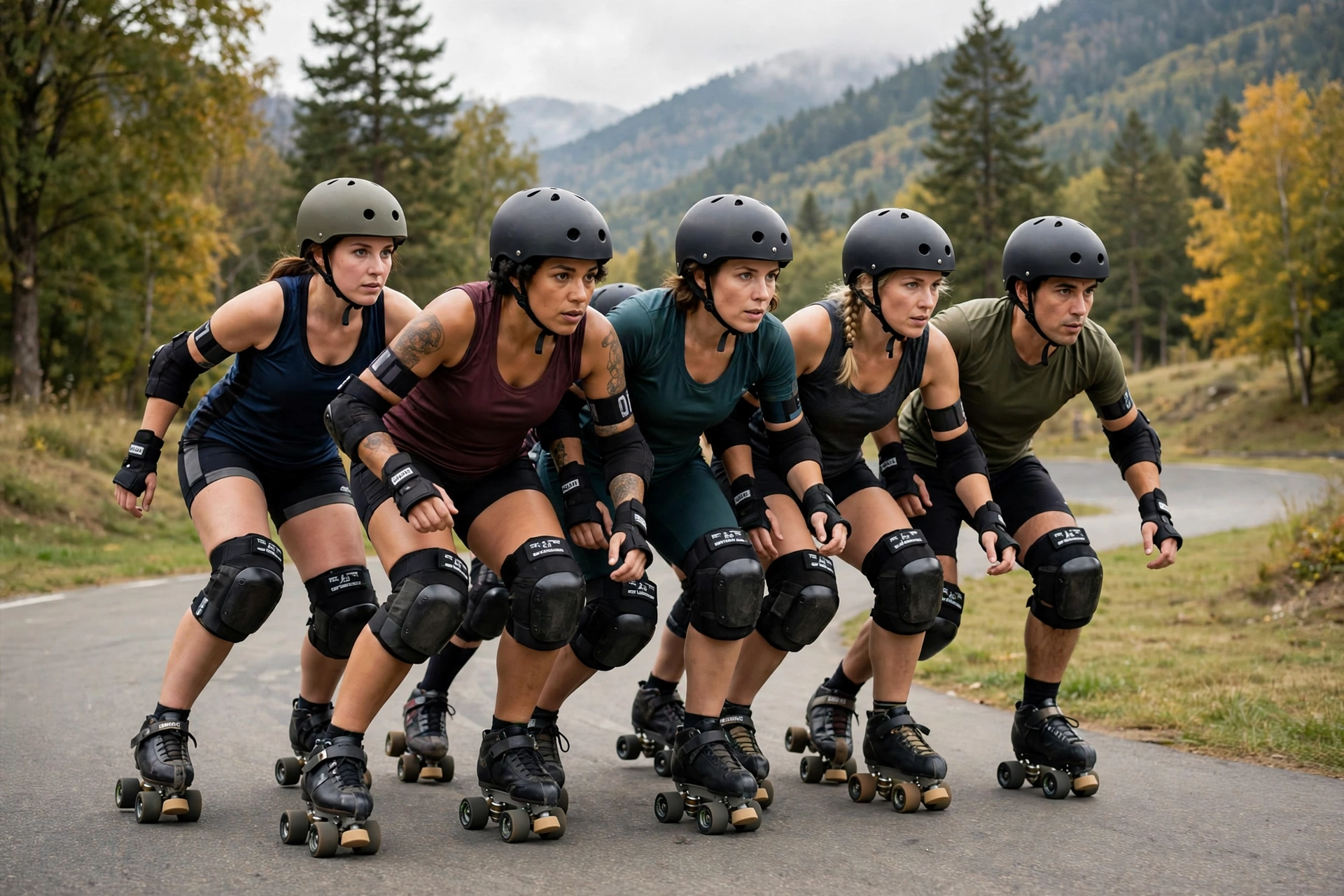
The key difference is impact design. Roller derby is a full-contact sport played on unforgiving surfaces — polished concrete, sport court, or wood. Skaters fall hard and often: hips, shoulders, and heads hit the floor multiple times in a single game, and collisions with other skaters add side and back impacts that pure skateboarding rarely produces.
That is why derby helmets use multi-impact liners, typically dual-density foam similar to hockey helmet padding. A dual-density liner pairs a softer layer that cushions low-speed knocks with a firmer layer that manages bigger hits, and it can keep doing its job fall after fall. Many traditional skate helmets use the same approach, which is why they cross over so well.
Single-impact helmets are different. A classic bike-style helmet uses crushable EPS foam that permanently deforms in one hard impact — excellent for a single cycling crash, but spent afterward. In a derby game with repeated falls, that design is a poor match. After the first solid head hit, the foam in the impact zone may already be compromised for the next one.
What Certifications Should You Check on the Label?
Certifications tell you more than brand names or price tags. Before buying a helmet for roller derby, flip it over and read the labels inside the shell. In general terms, derby skaters should look for two marks:
- CPSC certification — the U.S. safety standard required for bicycle helmets, which covers a single high-energy impact.
- ASTM F1492 certification — the standard written for skateboarding and trick roller skating, which tests helmets for multiple impacts.
A helmet carrying both labels is “dual certified,” and that combination is the sweet spot for derby: it meets the bike standard and is tested to keep protecting through repeated hits. Many popular skate helmets are dual certified, which is why they double as derby helmets so easily. A helmet with only the CPSC bicycle label may be a fine cycling helmet, but it was not tested for the multi-impact life of a derby season.
Beyond impact foam, some modern liners add rotational protection designed to reduce twisting forces in a fall. If you are comparing liner technologies, our guide to what MIPS is and how it works explains how rotational systems fit into helmet design. Whatever liner you choose, certification comes first — an uncertified novelty shell offers no tested protection at all.
Do Derby Helmets Offer More Coverage Than Skate Helmets?
Often, yes. Because derby involves contact from every direction — blockers hitting shoulders, skaters falling backward, heads swinging near the floor — derby-oriented helmets tend to sit a little lower and wrap more of the head. Extra coverage around the sides and the occipital area (the back of the skull) matters when a fall sends you over backward or a stray elbow catches you in the pack.
Fit and retention matter just as much. A derby helmet needs to stay exactly where it belongs during jostling, whips, and apex jumps, so derby skaters favor models with secure strap systems and adjustable fit pads that lock the helmet down. A loose park helmet that shifts during a jam is a problem, even if its liner is excellent.
One derby-specific extra is the optional visor. Some skaters add a short visor for a bit of face and nose protection and to keep sweat and hair out of their eyes. Visors are a personal preference in most leagues — check your league’s rules — but they are far more common in derby than in skate parks.
Can You Wear a Bike-Style Helmet for Roller Derby?
It is not recommended. A vented, bike-style EPS helmet is a single-impact device: one hard crash and the foam that crushed to save you is done. Derby delivers repeated impacts as a normal part of play, so the helmet can be silently used up long before the season ends. Bike helmets also tend to sit higher, cover less of the back of the head, and use lighter retention systems that were not designed for contact.
The practical rule is simple. If the helmet is dual certified for multi-impact use, fits securely, and covers the back of your head, it can cross over between the skate park and the derby track. If it is a cycling-only helmet, keep it for cycling. Your head will hit the derby floor more than once — your helmet should be built for that reality.
Frequently Asked Questions
Q: Is a skate helmet the same as a roller derby helmet?
A: They share the same shell style, and a dual-certified skate helmet (CPSC plus ASTM F1492) works well for derby. The difference is the liner: derby needs multi-impact protection for repeated falls, while some skate and bike helmets are single-impact designs.
Q: What certification does a roller derby helmet need?
A: Look for dual certification — the CPSC bicycle standard plus ASTM F1492, which tests helmets for multiple impacts. That combination is the widely accepted baseline for derby because the sport involves repeated falls on hard surfaces.
Q: Can I use my derby helmet for skateboarding and cycling?
A: Usually yes. A dual-certified helmet is tested for skating and cycling use, so it can serve all three. Just inspect it regularly, and replace any helmet after a significant impact or when the liner shows wear.

Olivia
Writer at Helmet Today, covering helmet reviews, fit and riding safety.