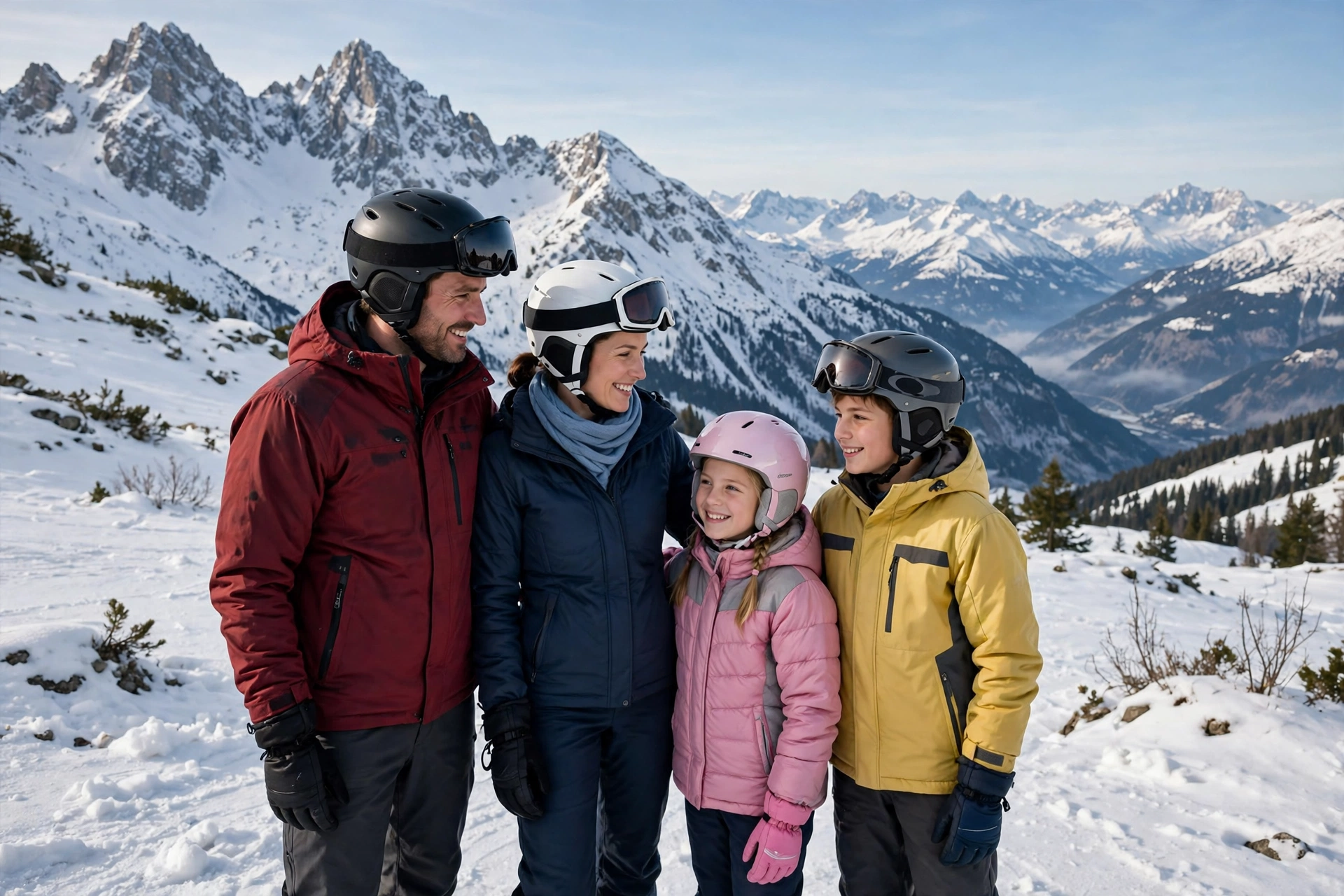
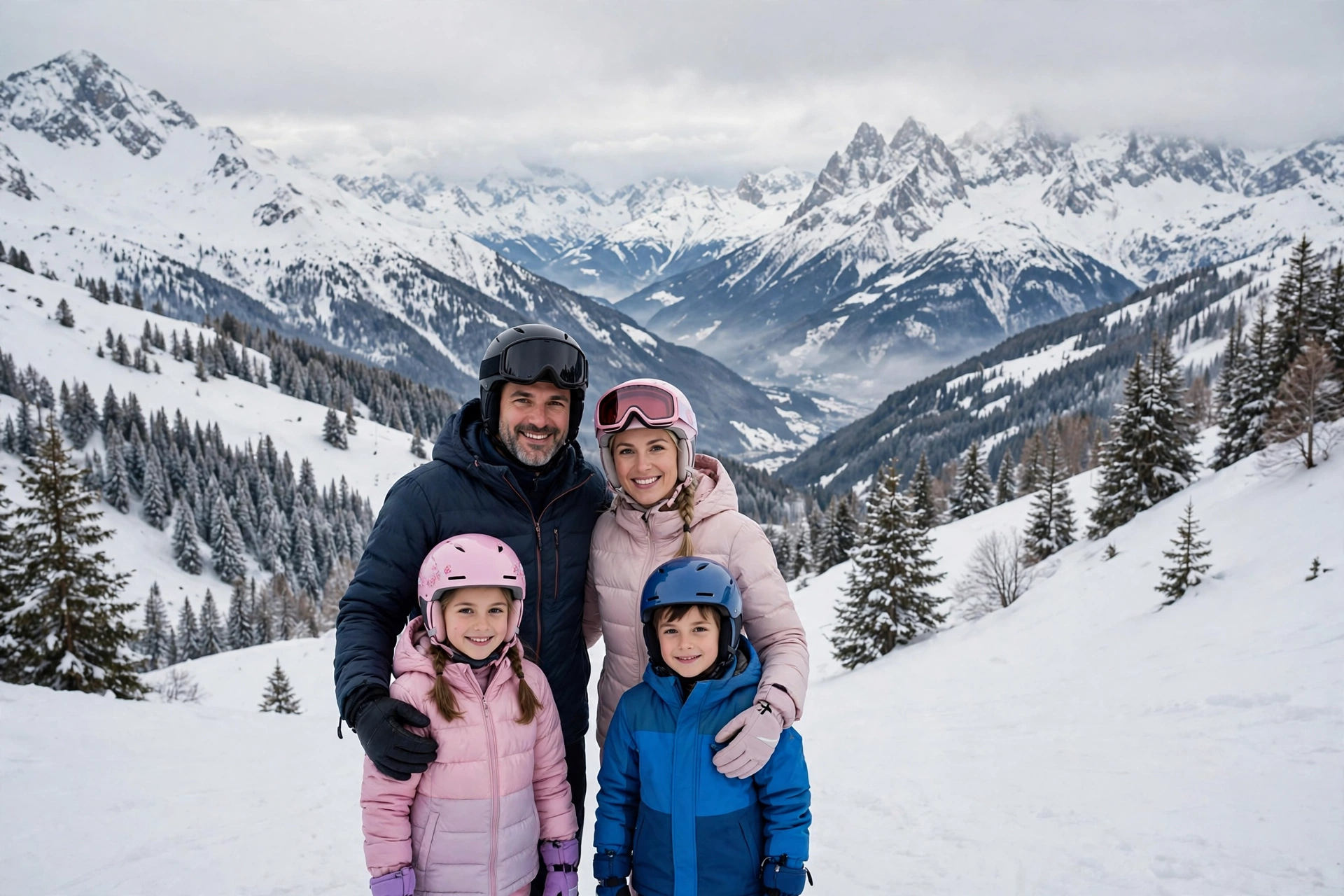
In general terms, ski helmet rules in Italy and Austria are broadly similar in spirit but differ in detail: both countries place particular emphasis on helmets for younger skiers, and many resorts and ski schools strongly encourage helmets for everyone, so visitors should check the current rules for their destination before travelling. Neither country treats helmets as an afterthought: head injuries on the slopes are a well-recognised risk, and the rules reflect that, especially for children. Adults, meanwhile, are widely expected to wear helmets even where the law does not compel them.
This guide explains, in general terms, how ski helmet rules work in Italy and Austria, where they differ, and what families and adult skiers should plan for. It is general information only, not legal advice, and it avoids specific fines or statute numbers, since those details can change and vary by region.
Do Children Have to Wear Ski Helmets in Italy and Austria?
In general terms, yes: both Italy and Austria require helmets for younger skiers and snowboarders, with the age threshold set by national or regional rules. The exact age limit differs between the two countries and, in Italy, can vary by region, so parents should check the rule for their specific resort rather than assuming one country’s limit applies in the other. Ski schools and lift operators generally enforce the requirement, and hire shops will normally supply a suitable helmet.
The reason for the focus on children is straightforward: younger skiers are still developing judgement about speed and hazards, they fall more often, and their heads are proportionally more vulnerable. A helmet requirement for children is therefore one of the least controversial rules on the mountain. Parents should also check that a hired helmet fits properly, since a helmet that is too loose or too large offers far less protection than one that fits snugly.
Do Adults Have to Wear a Ski Helmet in Italy or Austria?
In general terms, adult helmet requirements are less universal than children’s, and the position can depend on the country, the region, and the activity. Many adults wear helmets voluntarily, and on busy resort slopes the overwhelming majority of skiers of all ages now do so. Some resorts, ski schools, and organised groups require helmets for their participants regardless of age, and certain activities, such as racing or organised training, commonly carry their own helmet rules.
The practical message for adults is simple: even where the law does not require a helmet, wearing one is the norm and the sensible choice. Collisions with other skiers, falls on hard snow, and impacts with lift infrastructure or piste markers can happen at any level of ability. An adult who skis without a helmet stands out on most Alpine slopes today, and not in a good way.
How Do the Rules Differ Between Italy and Austria?
The main difference is in how the rules are set. Austria’s rules are set nationally with a clear age threshold for young skiers, while Italy’s framework allows regional variation, so the details can differ between, for example, a resort in South Tyrol and one in the Aosta Valley. That variation means a family skiing in two Italian regions on one trip could face slightly different requirements, and it makes checking the local rule worthwhile.
Enforcement also differs in style. In both countries, lift staff and ski schools are the most visible enforcers for children, and a child without a helmet may be refused a lift pass or a lesson. For adults, enforcement is lighter, and social expectation does much of the work. Visitors should not treat lighter enforcement as permission: the rules still apply, and insurance or liability questions after an accident can turn on whether a helmet was worn.
What Kind of Ski Helmet Should You Wear or Hire?
A proper ski or snowboard helmet is designed for cold conditions, with insulation, ear coverage, and vents that can be adjusted, plus compatibility with goggles. It should sit level, cover the forehead, and stay stable with the chin strap fastened. When hiring, try the helmet on with your goggles and any balaclava or hat you plan to wear, since layers change the fit.
Do not substitute a cycle helmet for a ski helmet. Cycle helmets are designed for different impacts and temperatures, and they lack the ear coverage and goggle integration that make ski helmets comfortable for a full day. Equally, a ski helmet that has suffered a hard impact should be replaced, even if it looks undamaged, since the liner may have done its job once already. Hire shops can advise on sizing, and buying your own helmet makes sense if you ski regularly.
What Should Families Plan Before a Ski Trip?
Families should confirm the helmet rule for their resort and age group before travelling, and book helmets with other hire equipment where possible, since popular sizes run out in peak weeks. Check children’s helmets on arrival rather than assuming a pre-booked size will fit, and teach children that the helmet stays on for every run, not just lessons. Adults set the example: children who see their parents helmeted are far more likely to accept their own.
It is also worth checking your travel insurance, since some policies include conditions about safety equipment, and a claim after a head injury could be complicated if a required helmet was not worn. None of this should put families off: hiring a helmet is cheap, quick, and routine in both countries, and resort staff deal with these questions every day. For background on how helmet liners are built to manage impacts, this explanation of modern helmet liner systems is a useful read.
How Can Visitors Stay Current on the Rules?
Rules can change between seasons, and regional differences make a single summary risky. Before travelling, check the resort’s website, your ski school, or the regional tourist authority for the current helmet rules, and confirm them again on arrival if anything is unclear. Hire shops and lift offices can answer questions on the spot.
The safest habit needs no legal research at all: everyone in the group wears a well-fitting ski helmet on every run. That habit satisfies the rules in both countries for every age group, and it protects against the falls and collisions that no rule can prevent.
Frequently Asked Questions
Q: Do children need ski helmets in Italy and Austria?
A: In general terms, yes. Both countries require helmets for younger skiers, with the age threshold set nationally or regionally, so check the rule for your specific resort.
Q: Do adults need ski helmets in Italy and Austria?
A: In general terms, adult requirements are less universal, but helmets are the norm on the slopes and some resorts, schools, and activities require them. Wearing one is strongly advised.
Q: Can I use a cycle helmet for skiing?
A: No, not ideally. Ski helmets are designed for cold conditions, different impacts, and goggle compatibility, so hire or buy a proper ski helmet for the trip.

Olivia
Writer at Helmet Today, covering helmet reviews, fit and riding safety.