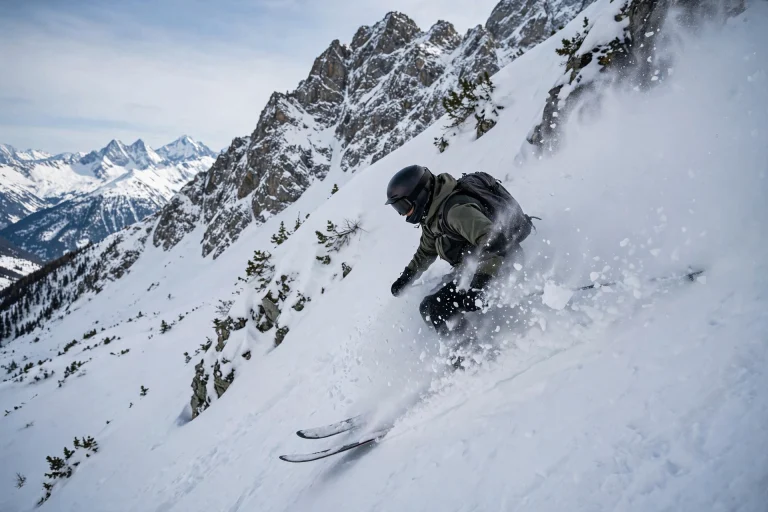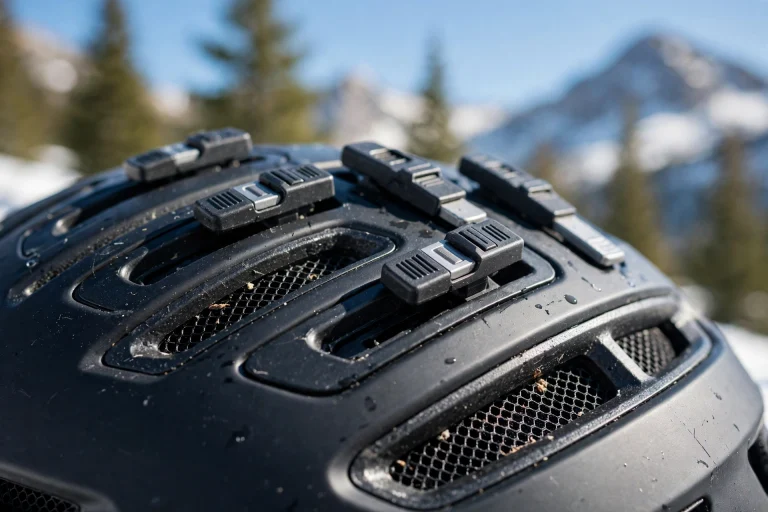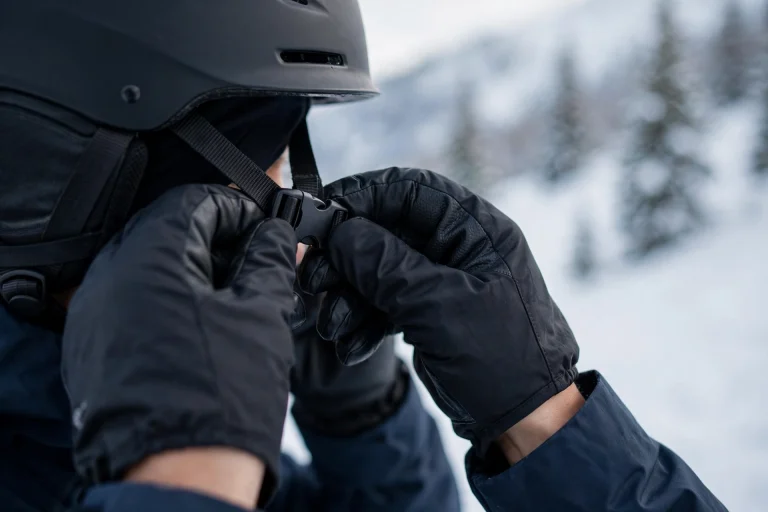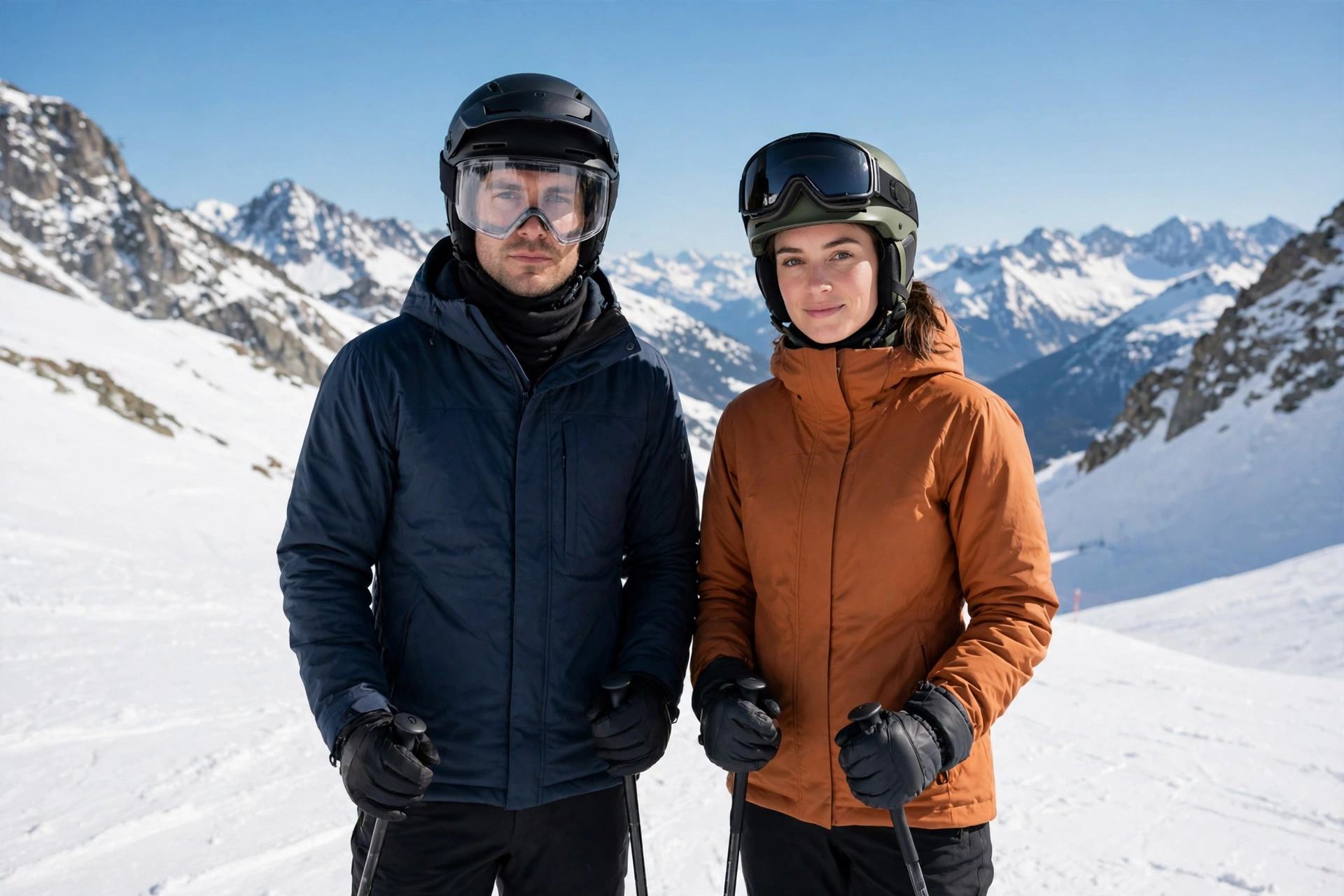
Neither setup wins for everyone: a ski helmet with a built-in visor is the more convenient, glasses-friendly choice for relaxed resort skiing, while separate goggles give a tighter seal, far more lens options for changing light, and better protection in stormy weather and hard falls. The right choice depends on your eyesight, your typical conditions, and how hard you ski.
Visor helmets — sometimes called integrated or shield helmets — have moved from rental-shop novelty to a mainstream option, and plenty of skiers now wonder whether their goggles are obsolete. They are not, but the visor case is stronger than many expect. This comparison covers how each system works, where goggles still win, fog and light performance, cost, and how to decide.
How Does a Visor Helmet Work, and Who Does It Suit Best?
A visor helmet has a flip-up eye shield mounted directly to the helmet shell, working like a motorcycle visor: down for skiing, up for lift lines, tickets, and coffee. Because the shield sits away from your face rather than strapped against it, it typically fits comfortably over prescription glasses — for many glasses wearers this is the single decisive advantage, ending the squeeze and fog battle of over-the-glasses goggles.
Convenience is the second draw. There is nothing to forget in the car, drop in the snow, or scratch in a jacket pocket; the eye protection is part of the helmet. Skiers who dislike the pressure of a goggle strap and foam on their face, who run hot, or who ski mainly groomed runs in fair weather often find visors simply more pleasant — and the shield’s generous coverage blocks wind across the whole upper face.
Visor helmets also suit people who take frequent breaks. Flipping a shield up is faster and less fussy than removing goggles, and it keeps your hands free. For casual and returning skiers, and for parents managing their own gear plus everyone else’s, that simplicity is a real quality-of-life upgrade.
Where Do Goggles Still Do the Job Better?
The seal. Goggles press foam against your face and strap firmly to the helmet, leaving almost no path for wind, spindrift, and snow to reach your eyes. In a storm, on a windswept ridge, or in deep powder with snow spraying over your head, that seal is the difference between seeing and squinting. A visor’s open bottom edge admits gusts and snow in exactly those conditions.
Goggles also behave better in a fall. A strapped goggle tends to stay where it belongs during a tumble, while a visor can flip up, knock askew, or in hard crashes take damage that ends its usefulness. Racers, freeriders, park skiers, and anyone who falls with commitment generally trust the strapped system.
Finally, goggles are a modular system: nearly any goggle pairs with nearly any helmet, lenses swap in seconds, and a scratched lens does not touch the helmet. That flexibility — and the sheer range of shapes and fits available — means almost every face can find a goggle that fits it perfectly.
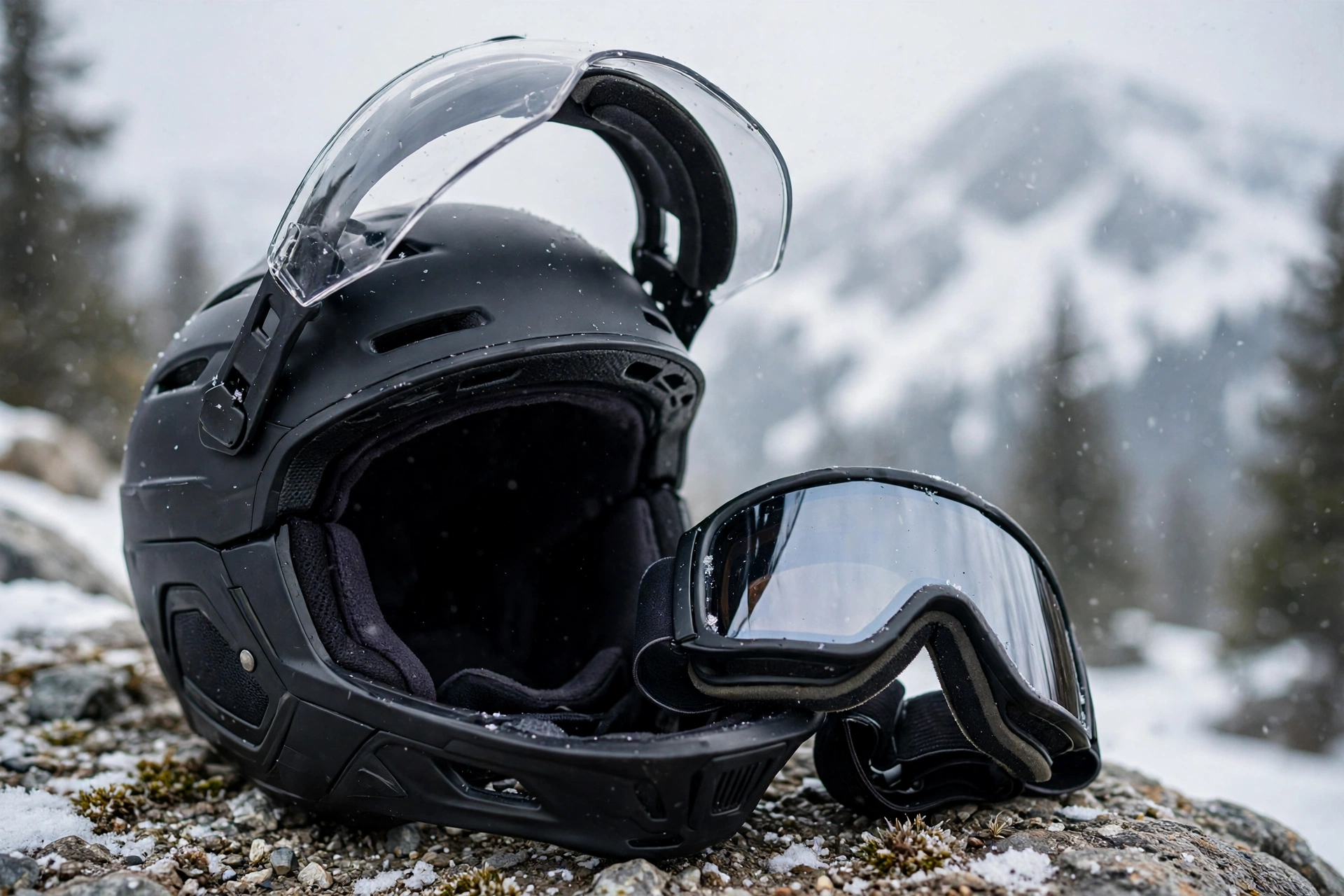
Which Fog Less and Handle Changing Light Better?
Both can fog, for the same reason: warm, moist air from your face meeting a cold lens. Goggles fight it with double lenses, foam-filtered vents, and airflow from motion, and when sealed correctly they generally stay clear while you are moving — most goggle fog happens when you stop and pull them up onto a warm forehead. Visors fog readily at standstill too, but recovery is easier: flip the shield up, let it clear, drop it again. Neither system wins absolutely; both reward keeping the lens on your face while skiing and off your forehead while waiting.
Changing light is clearer-cut. Goggles lead, because interchangeable lens systems let you swap from a dark lens for bluebird days to a high-contrast, light-amplifying lens for flat light and storms — and flat light, not sunshine, is when skiers most need help seeing the terrain. In general terms, many visor helmets now offer interchangeable shields or photochromic lenses that darken and lighten automatically, which narrows the gap considerably, but the range and price of options still favor goggles.
If your ski days swing between sun and shadow — tree runs, north-facing slopes, afternoon cloud — and you ski in all weather, lens flexibility alone can settle this comparison.
What About Cost, Care, and Replacement?
A visor helmet is one purchase that covers helmet and eye protection together, which can compare well against buying a helmet and quality goggles separately — but price the replacement shield before you commit. Shields scratch, and on some models a replacement costs a significant fraction of the whole helmet; on others they are reasonably priced and easy to swap. Check availability for the exact model, not just the brand.
Goggles split the cost and the risk. A scratched lens can be replaced without touching the helmet, the helmet can be replaced without touching the goggles, and each can be upgraded on its own schedule. Care is similar for both: rinse or dab grit away rather than wiping dry, use only the soft bag provided for cleaning, and store lenses and shields where nothing rubs against them.
Whichever system you choose, the helmet underneath must do its own job: look for a certified ski helmet — in general terms ASTM F2040 or CE EN 1077 — and consider rotational-impact technology such as the systems explained in our guide to MIPS and how it works. A great lens on a poor helmet is the wrong way around.
So Which Should You Actually Choose?
Choose the visor helmet if you wear prescription glasses on the slopes, ski mostly groomers in decent weather, value one-piece convenience, or simply hate how goggles feel. Choose goggles if you ski storms and powder, ride fast or fall hard, need specialized low-light lenses, or already own a helmet you like and want to keep it.
Try before you buy if you possibly can, with your glasses, on your head, for ten minutes. Visor shapes vary in how they sit relative to different faces, and a shield that nearly touches your nose will irritate you all day; likewise a goggle that fits the shop display may gap with your helmet.
And remember that plenty of skiers keep both: a visor helmet for spring cruising and family days, goggles and a standard helmet for storm cycles. There is no rule that says you must pick a team — only that your eyes and your head both deserve proper protection.
Frequently Asked Questions
Q: Can you wear prescription glasses under a visor helmet?
A: Yes — that is one of the visor helmet’s main advantages, since the shield sits away from your face and leaves room for frames. Not every model clears every frame, though, so always try the combination on before buying.
Q: Are visor helmets as safe as regular ski helmets?
A: The helmet itself must meet the same ski helmet standards as any other helmet — check for ASTM F2040 or CE EN 1077 certification inside. The visor is eye protection rather than impact protection, so judge the helmet by its certification and fit, exactly as you would a visorless model.
Q: Can I swap a dark visor for a clearer one in flat light?
A: On many models, yes — interchangeable shields are widely available, and some visors are photochromic and adjust automatically. Check what spare shields your model offers and what they cost before purchase, because availability varies a lot between brands.

Olivia
Writer at Helmet Today, covering helmet reviews, fit and riding safety.