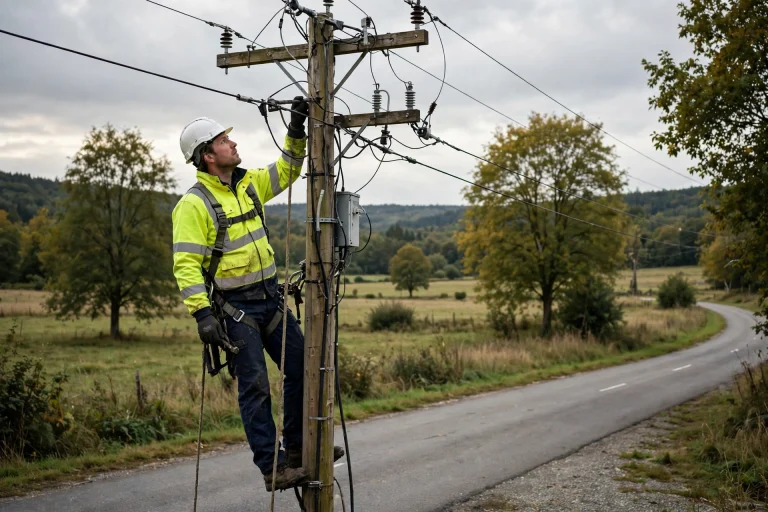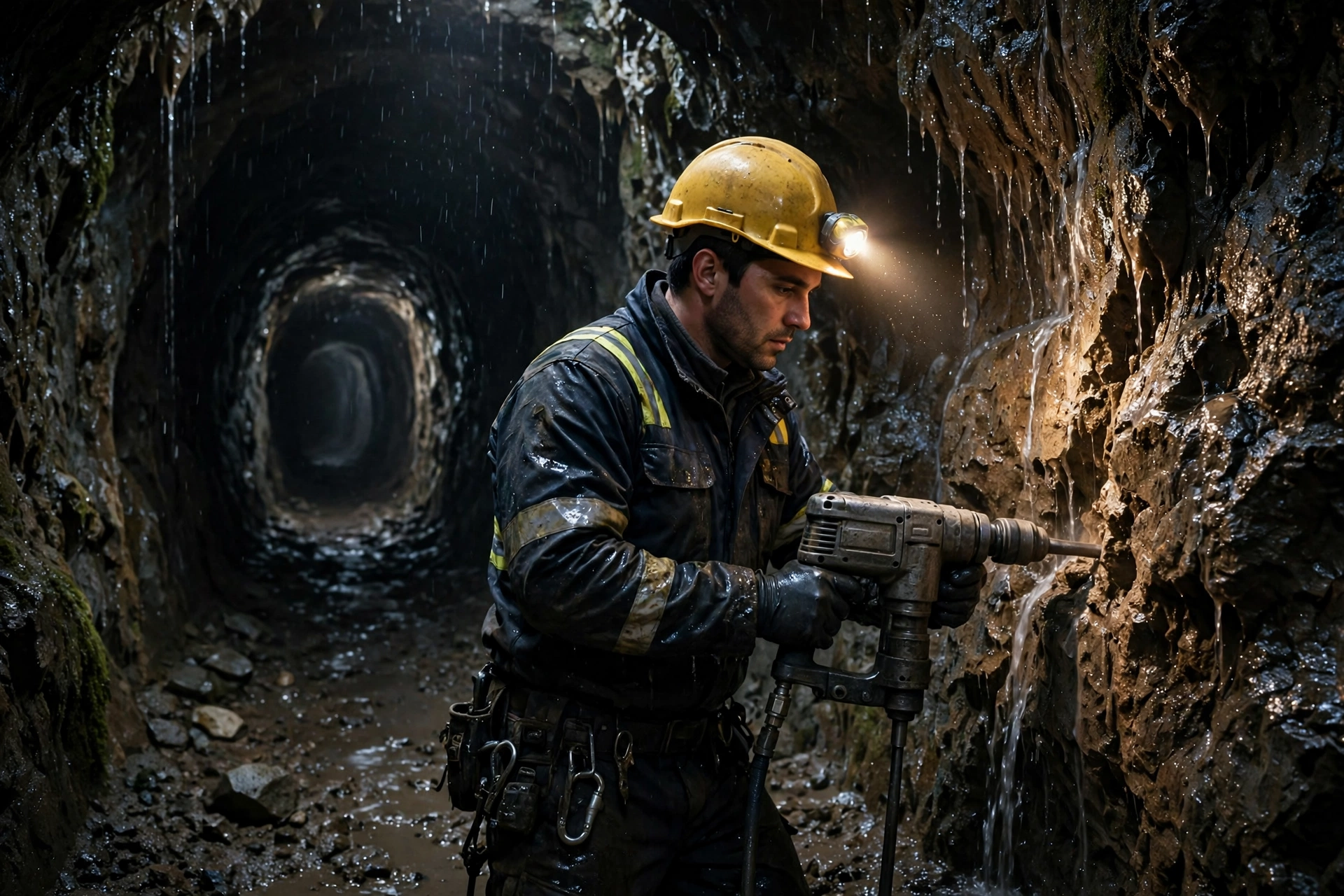
A tunnelling helmet is a hard hat designed for work underground, where the risks are different from those on a surface site: low ceilings, falling rock, poor light, dust, and water dripping from above. It protects the wearer from falling rock and head impacts in confined spaces, and it is usually fitted with a headlamp so the worker can see in the dark tunnel.
Tunnels are built for roads, railways, water, and mines, and the work inside them is slow, noisy, and often wet. Workers may be drilling, blasting, spraying concrete, or moving spoil, all in a space where the roof is close overhead and the floor is uneven. A helmet is a basic part of the protective equipment for this work, alongside a lamp, safety boots, gloves, and breathing protection where needed. This guide explains what is different about a tunnelling helmet and how to use one safely underground.
What Is Different About Working Underground?
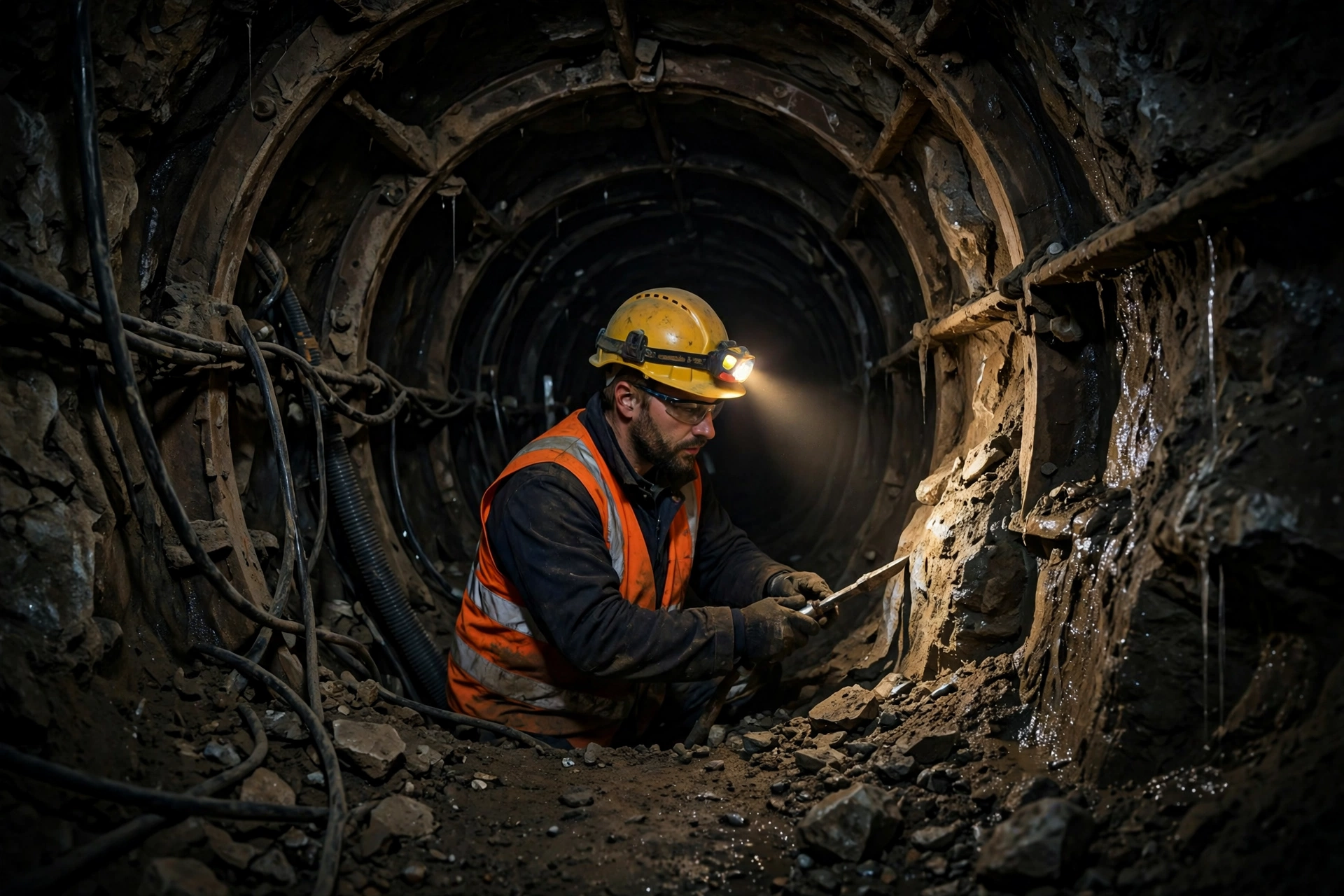
The first difference is the ceiling. In a tunnel, the roof is often only just above head height, and it can be uneven, with rock sticking out in places. A worker can bump their head simply by standing up straight or turning around, and a helmet gives protection against these constant small knocks as well as against larger falls of rock.
The second difference is light. Tunnels are dark, and workers rely on headlamps and site lighting to see. A helmet that carries a headlamp is essential, because it leaves both hands free for work and points the light where the worker is looking. The lamp bracket must be secure, so that the lamp does not fall off or swing around while the worker is moving.
The third difference is the environment. Tunnels are often damp, dusty, and noisy, with water dripping from the roof and dust in the air from drilling and blasting. A helmet must cope with wet conditions without becoming uncomfortable, and it must work with other equipment such as dust masks, earmuffs, and eye protection.
What Features Should a Tunnelling Helmet Have?
A good tunnelling helmet starts with a strong shell that can resist impacts from falling rock. The shell should be made from a tough material that does not crack easily, and the suspension inside should hold the shell away from the head so that an impact is absorbed before it reaches the wearer. The helmet should also have a brim or a peak that helps to keep dripping water out of the worker’s eyes.
A headlamp bracket is one of the most important features. The bracket should hold the lamp firmly in place, even when the worker is bending or climbing, and it should allow the lamp to be adjusted so that the beam points where it is needed. Some helmets have a cable clip for the lamp battery, which keeps the cable out of the way and stops it from snagging on equipment.
A four-point chin strap is also important underground, because the worker is often bending, climbing, or working in awkward positions. The strap should hold the helmet securely, and it should be easy to adjust with gloves on. Ventilation matters too, because tunnels can be hot and humid, but any vents should be part of the rated design and not something added afterwards.
How Do You Fit a Tunnelling Helmet Correctly?
Start by adjusting the suspension so that the helmet sits level on your head, with the front edge just above your eyebrows. It should feel snug all round, without pressing hard on your forehead or temples. If the helmet tips forward or back, or if it slides when you move, adjust the suspension until it sits steadily.
Finally, adjust the chin strap so that it sits comfortably under your chin, with no more than a finger’s width of slack. The strap should hold the helmet in place when you shake your head gently. Check that the helmet works with your other equipment, such as a dust mask and earmuffs, before you start work.
How Should a Tunnelling Helmet Be Checked and Cared For?
Inspect your helmet before every shift. Look at the shell for cracks, dents, or deep scratches, and check the suspension for frayed straps, broken clips, or worn padding. Pay extra attention to the lamp bracket, and check that the lamp is secure and working. If you find any damage, take the helmet out of service and replace it.
Clean the helmet regularly with mild soap and warm water, and let it air dry away from direct sunlight. Tunnels are dirty places, and mud, dust, and concrete can build up on the shell and in the suspension. Do not use solvents or harsh cleaners, because they can weaken the shell, and do not paint the helmet unless the maker says it is safe to do so.
Store the helmet in a cool, dry place, away from sunlight and chemicals. If you are learning about how helmets handle different kinds of impact, reading about what MIPS is for helmets can help you understand one of the technologies used in modern helmet design. Replace the helmet when the maker recommends it, or sooner if it has taken a hard impact, even if the damage is not visible on the outside.
When Should a Tunnelling Helmet Be Replaced?
A helmet should be replaced after any serious impact, such as a fall of rock or a fall onto a hard surface underground. The shell may look fine, but the material can be damaged inside in ways you cannot see. In general terms, a helmet that has taken a hard blow should not be used again, even if it still looks new.
Helmets also wear out over time, even without an impact. Sunlight, heat, sweat, and chemicals can slowly weaken the shell and the suspension, and the damp, dusty conditions underground can speed up that wear. Most makers give a recommended service life, often printed inside the helmet or in the instructions that come with it. Follow that guidance, and keep a note of when the helmet was first put into service.
If the helmet no longer fits properly, or if the lamp bracket is loose and cannot be fixed, it is time for a new one. A helmet that does not fit, or that cannot hold its lamp securely, cannot protect you properly underground. When in doubt, ask your safety officer to check the helmet, and replace it if there is any doubt about its condition.
Frequently Asked Questions
Q: Why do tunnelling helmets have a headlamp?
A: Tunnels are dark, and a headlamp on the helmet leaves both hands free for work while pointing the light where the worker is looking. The lamp bracket must hold the lamp firmly so it does not fall off or swing while the worker moves.
Q: Can an ordinary construction hard hat be used in a tunnel?
A: In general terms, it can give basic protection, but a tunnelling helmet is better suited to the job, because it is made to carry a headlamp, cope with wet and dusty conditions, and stay in place in confined spaces. Check your site’s rules for what is required underground.
Q: How do you keep a tunnelling helmet clean underground?
A: Wipe it down at the end of each shift, and wash it with mild soap and warm water when you can. Do not let mud and concrete build up in the suspension, and let the helmet air dry before you store it.

Olivia
Writer at Helmet Today, covering helmet reviews, fit and riding safety.