Choose a vented hard hat when heat is your main problem and there is no electrical hazard in your work; choose an unvented hard hat whenever you work around electricity, because in general terms vented hard hats fall into the class that offers no electrical insulation, while unvented shells can carry the electrical ratings electricians and utility workers need. For impact protection alone, both styles are built to the same kind of testing — the vents change comfort and electrical rating, not the shell’s job of stopping a blow.
The choice sounds minor but it is one of the most common hard hat mistakes: a worker buys the cooler hat and unknowingly gives up the rating their job requires. This guide sets out the real trade-offs.
What Is the Difference Between Vented and Unvented Hard Hats?
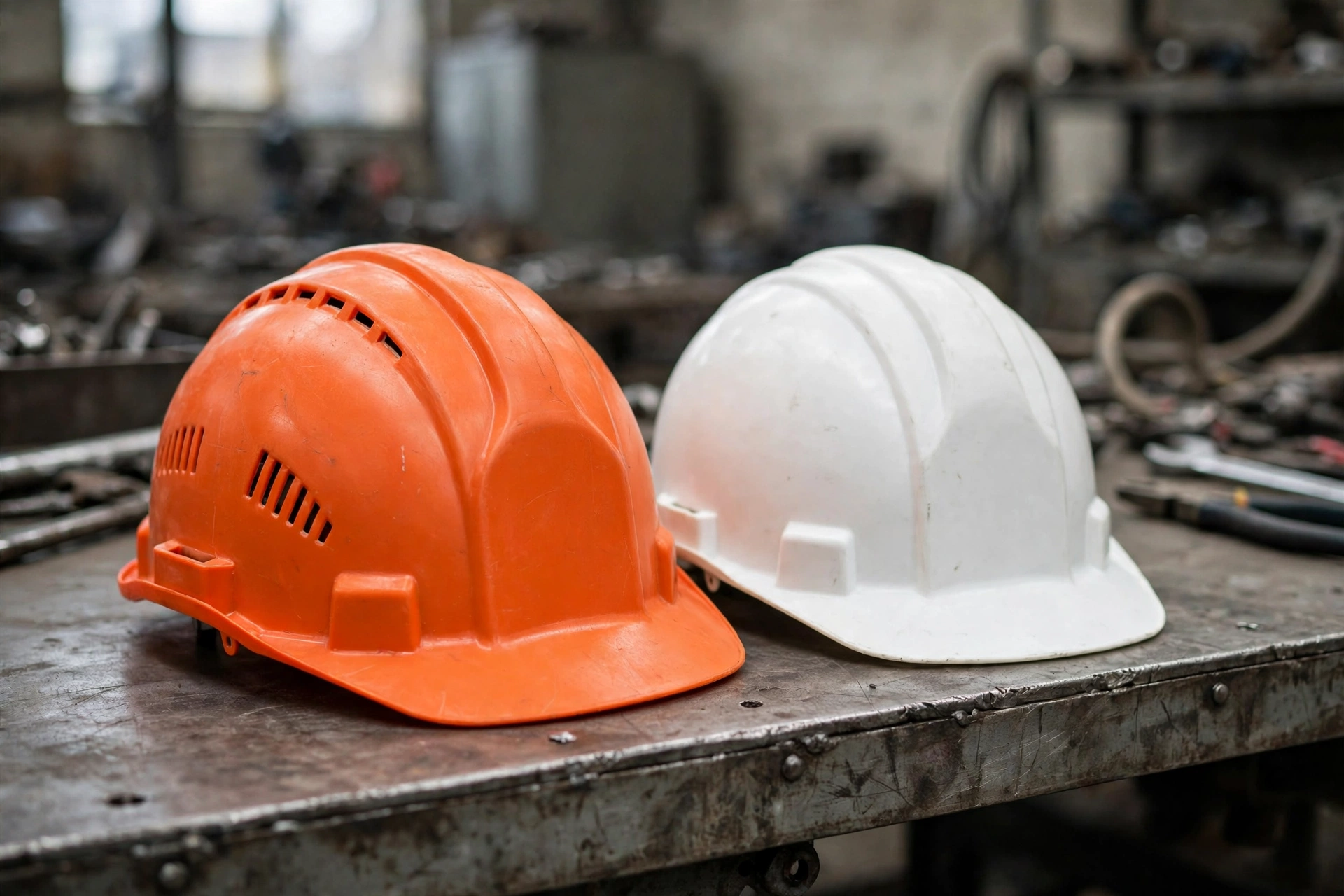
A vented hard hat has slots or openings in the shell, usually on the sides or crown, that let hot air escape and cooler air circulate. Many models have vents you can slide open and closed, so the hat can be adjusted for the weather or the task. The aim is comfort over a long, hot shift.
An unvented hard hat has a completely closed shell. Nothing passes through it — which is exactly the point when the shell is also serving as electrical insulation. A closed shell keeps the barrier between your head and the outside world unbroken.
Everything else can be identical: the same shell material, the same suspension options, the same impact testing. The vents are a comfort feature layered onto the design, not a different category of hat.
When Is a Vented Hard Hat the Better Choice?
Heat is the honest answer. Working in summer sun, in hot plants, or doing heavy physical work in a closed helmet is miserable, and miserable workers take their hats off. A vented hat that stays noticeably cooler is a hat that stays on heads, and a worn hat beats a theoretically better one sitting on a bench.
Vented hats suit general construction, landscaping, warehousing, and outdoor trades where there is no electrical exposure to speak of and no risk of molten material, sparks, or liquids entering the vents from above. Adjustable vents widen that range: open them on the hot flat work, close them when the wind or dust picks up.
Comfort features like vents also pair with the rest of a hot-weather setup — sweatbands, lighter colors that reflect sun, and regular breaks. The hat is one part of managing heat, not the whole answer.
Vents do have weather limits worth knowing: in heavy rain or very dusty, windy work, open vents let the elements straight in, which is why adjustable models earn their small premium. Slide them shut for the bad hour, open them again for the hot one.

When Must You Choose an Unvented Hard Hat?
Electrical work is the deciding case. In general terms, hard hat classes divide by electrical protection: the classes that are tested to insulate against electrical hazards require a closed shell, because slots in the shell break the insulation. Vented hard hats are therefore sold in the class that provides no electrical protection, and wearing one around live conductors means the rating you may be counting on is not there.
Unvented is also the safer pick anywhere things could enter the vents: molten metal splash, chemical splashes, sparks, or fine material falling from above. If something can drip or spray onto your hat, a closed shell keeps it out.
Site policy can settle it for you. In general terms, employers and site rules specify the class of hat required for a task, and where an electrically rated class is named, an unvented hat is the only way to meet it. Check the requirement before you shop, not after.
Does Venting Change Impact Protection?
Not in the way most people fear. A certified vented hard hat is still tested to meet the impact and penetration requirements of its type — the vents are positioned and sized so the shell passes the same kind of crown-impact testing as its unvented counterpart. You do not trade away falling-object protection by choosing vents.
What changes is everything around the impact rating: electrical insulation, and resistance to things entering the shell. It helps to think of impact protection as the shell’s core job, done the same way in every helmet category — a shell manages the blow while an inner system spreads and absorbs the energy, whether that is a hard hat’s suspension or the liner and rotational-impact systems like MIPS in a bike or motorcycle helmet.
So the vented-versus-unvented decision is not “safe versus less safe.” It is “which protections does my work need in full?” Impact protection comes with either; electrical protection only comes with the closed shell.
How Do You Choose for Your Job and Climate?
Start with your hazards, in this order: Is there any electrical exposure? Could anything fall, splash, or spray into the shell? If either answer is yes, unvented — end of discussion, whatever the weather is doing.
If neither applies, let comfort decide, because comfort decides whether the hat gets worn. Hot climate, heavy labor, long outdoor shifts: vented, ideally with closable vents for flexibility. Cool climates, light work, or frequent rain: an unvented hat loses little, and keeps wind and weather out of the shell as a bonus.
Whatever you choose, read the class marking inside the shell and keep it matched to the work as your tasks change. A hat that was right for framing work is not automatically right when the job moves next to a live panel.
Frequently Asked Questions
Q: Can a vented hard hat be electrically rated?
A: In general terms, no. Slots in the shell break the insulation that the electrical classes are tested for, so vented hard hats are sold in the class with no electrical protection. If your work needs an electrical rating, choose an unvented shell in the right class.
Q: Do closable vents give you the best of both?
A: For comfort, mostly — you can open them in heat and close them against dust, wind, or light rain. But closing the vents does not restore an electrical rating. The hat’s class is set by its design, not by the position of the vent slides.
Q: Are vented hard hats weaker?
A: A certified vented hat still has to pass the same kind of impact and penetration testing for its type. The vents change electrical protection and what can enter the shell, not the hat’s rated ability to take a blow.

Olivia
Writer at Helmet Today, covering helmet reviews, fit and riding safety.