When I dug into the history of California’s motorcycle helmet law, I found one date that clears up most of the confusion: January 1, 1992. That is the date California’s current universal motorcycle helmet law took effect.
The law was passed in 1991 through Assembly Bill 7 (AB 7), but it did not start being enforced until the following year. I also found that California had resisted a universal helmet rule for decades, which makes the 1992 date more interesting than it first seems.
When Did California Helmet Law Start?
California’s universal motorcycle helmet law started on January 1, 1992.
The law was enacted in 1991 as AB 7, authored by Assemblyman Richard E. Floyd. It amended California Vehicle Code Sections 27802 and 27803 and required motorcycle riders and passengers to wear approved safety helmets.
| Key event | Date |
|---|---|
| Helmet bill enacted | 1991 |
| AB 7 became effective | January 1, 1992 |
| Universal helmet rule began | January 1, 1992 |
That distinction matters. I often see people say California’s helmet law “started in 1991.” That is close, but not quite right.
1991 was the year the law was enacted. January 1, 1992 was when the law took effect. A California Court of Appeal decision later confirmed that the mandatory helmet law went into effect on January 1, 1992.
What Did California’s 1992 Helmet Law Require?
The new rule was broad. It covered both the person riding the motorcycle and any passenger.
California Vehicle Code Section 27803 required the driver and passenger to wear a safety helmet that met the requirements set under Section 27802. The rule applied to motorcycles, motor-driven cycles, and motorized bicycles operated on highways.
| Vehicle | Helmet required under the rule? |
|---|---|
| Motorcycle | Yes |
| Motor-driven cycle | Yes |
| Motorized bicycle/moped | Yes |
The law also defined proper helmet use. The helmet had to be on the rider’s head, secured with its straps, and fit without excessive movement.
That last part is easy to overlook. Simply carrying a helmet or resting one loosely on your head was not what the law meant by “wearing” a helmet.
Why Did California Wait Until 1992?
California’s path to a universal helmet law was unusually long.
When I looked through the history, one thing stood out: California was not simply late by a few years. The state had a long-running political fight over motorcycle helmets.
Federal pressure began in the 1960s. In 1966, federal legislation encouraged states to adopt mandatory helmet laws by tying highway funding to safety requirements. Many states responded, but California resisted. A later California legislative analysis noted that California remained one of the few states without a mandatory helmet law for many years.
| Period | What happened |
|---|---|
| 1960s | Federal pressure pushed states toward helmet laws |
| 1970s | California still lacked a universal helmet law |
| 1991 | California enacted AB 7 |
| 1992 | Universal helmet law took effect |
Historical sources show that California had repeated attempts to pass helmet legislation. Strong opposition from some motorcycle groups helped block earlier efforts.
So, if you are wondering why someone who rode in California before 1992 may remember riding without a helmet, there is a simple reason: the universal state helmet requirement did not yet exist.
Did California Have a Helmet Law Before 1992?
This is where the history can get a little tricky.
California did not have the same universal motorcycle helmet requirement that began in 1992. Earlier proposals were made, but many failed.
By the late 1970s, California was still one of the states without a mandatory helmet law. A historical review published in the American Journal of Public Health notes that California was the only state without a mandatory helmet law by September 1975.
There were later attempts to change that.
What Happened to Earlier Helmet Bills?
One important attempt came in 1988. Assemblyman Richard Floyd pushed a motorcycle helmet bill that passed both legislative chambers, but Governor George Deukmejian vetoed it. The bill would have required motorcycle drivers and passengers to wear approved helmets.
| Year | Event |
|---|---|
| 1970s | California still lacked a universal law |
| 1988 | Helmet bill reached the governor but was vetoed |
| 1991 | AB 7 was enacted |
| 1992 | Law took effect |
That history helps explain why the 1992 date is so important. It was not the first time California lawmakers tried to require helmets. It was the attempt that finally became law.
Who Created California’s Universal Helmet Law?
The law came from Assembly Bill 7, commonly called AB 7.
Assemblyman Richard E. Floyd of Carson was the bill’s author. The measure became Chapter 32 of the Statutes of 1991. California legislative records later described AB 7 as the measure that brought the state into full compliance with the federal helmet requirement.
The change was significant because it did not simply target young riders.
It created a rule covering motorcycle drivers and passengers generally.
| Person | 1992 rule |
|---|---|
| Motorcycle operator | Helmet required |
| Motorcycle passenger | Helmet required |
| Adult rider | Helmet required |
| Young rider | Helmet required |
This is one reason California is still classified as a universal helmet-law state today. The Insurance Institute for Highway Safety’s July 2026 table lists California as requiring helmets for all riders.
Has California’s Helmet Law Changed Since 1992?
Yes, the law has been amended over time, but the basic universal requirement remains.
One thing I learned while researching this is that people sometimes assume California later changed its law to let adults choose whether to wear a helmet. That is not the case.
The California Highway Patrol still states that motorcycle, motor-driven-cycle, and motorized-bicycle riders must wear a helmet that meets Federal Motor Vehicle Safety Standard 218.
CHP also notes that repeated attempts to replace the universal law with a less strict rule have failed.
What Helmet Is Legal in California Today?
California requires a motorcycle helmet that meets the applicable federal safety standard.
The CHP identifies FMVSS No. 218 as the relevant federal standard and says the helmet should be manufacturer-certified and display the DOT emblem.
| Helmet detail | California requirement |
|---|---|
| Safety standard | FMVSS 218 |
| Certification | Manufacturer certified |
| DOT marking | Required standard indicator |
| Fit | Secure and properly fastened |
This is another place where old advice can cause trouble. A helmet that looks like a motorcycle helmet is not automatically a legal motorcycle helmet.
CHP guidance also says helmets must be properly fitted and fastened.
Does the California Helmet Law Apply to Passengers?
Yes. California’s law applies to passengers as well as motorcycle operators.
The original 1992 version specifically stated that both the driver and any passenger must wear a safety helmet. The current CHP guidance continues to describe the requirement as applying to all riders, including passengers.
This matters when riding two-up.
It is not enough for the driver to wear a helmet while the passenger goes without one. Both people need to follow the helmet requirement.
Does Age Matter in California?
Not in the way it does in states with partial helmet laws.
California is currently a universal helmet state. The IIHS lists the requirement as applying to all riders, rather than only people below a certain age.
| Rider age | California motorcycle helmet rule |
|---|---|
| Under 18 | Helmet required |
| 18–20 | Helmet required |
| 21 and older | Helmet required |
So turning 21 does not create a general helmet exemption in California.
That is an important difference between California and several other states.
What About Motorized Bicycles and Mopeds?
California’s helmet rule is broader than just standard motorcycles.
CHP states that helmets meeting FMVSS 218 must be worn by riders of motorcycles, motor-driven cycles, and motorized bicycles or mopeds covered by the relevant Vehicle Code provisions.
This can create confusion because not every two-wheeled motorized device falls under exactly the same definition.
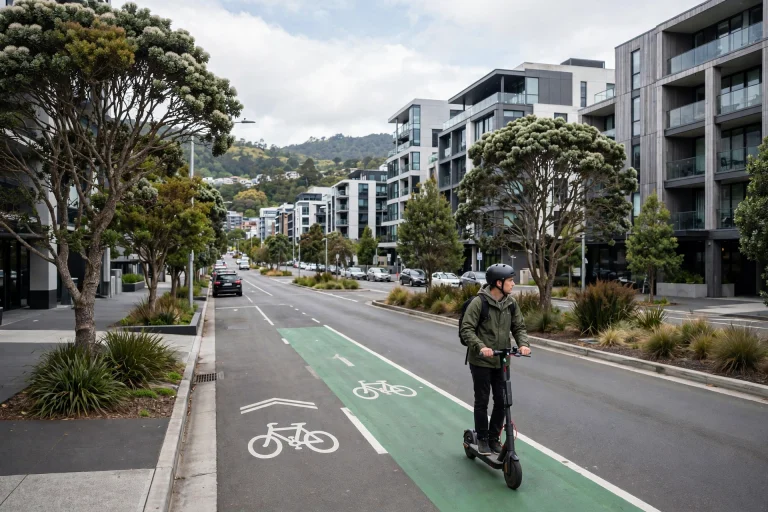
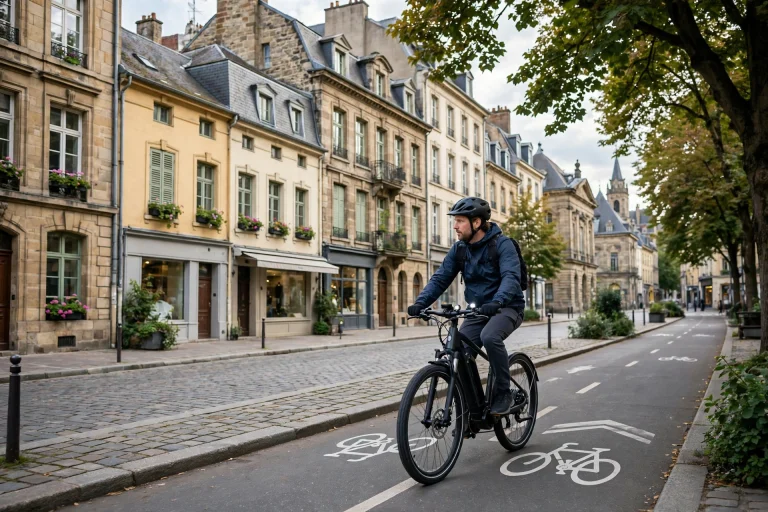
For example, electric bicycles have separate helmet rules. CHP says riders under 18 must wear a properly fitted bicycle helmet when riding an electric bicycle on a public roadway or bikeway. Motorized scooters also have their own helmet requirements.
The safest habit is to identify the vehicle first, then check the rule that applies to that vehicle.
What I Would Remember About California’s Helmet Law
After digging through the history, I think three dates and ideas are worth keeping straight.
| Question | Simple answer |
|---|---|
| When was the law passed? | 1991 |
| When did it start? | January 1, 1992 |
| Does it still cover all riders? | Yes |
The biggest mistake is saying that California’s universal helmet law “started in 1967.” The late 1960s were important because of federal pressure and the national push for helmet laws, but California’s universal state requirement did not begin then.
Another common mistake is saying the law began sometime during 1991. The bill became law in 1991, but its operative date was January 1, 1992.
Why the 1992 Date Still Matters
Knowing when the law started can be useful for more than trivia.
It helps explain old motorcycle photos, stories from longtime riders, and older discussions about California motorcycle rules. If someone tells you they rode in California without a helmet before 1992, that does not automatically mean they were breaking the current law. The legal landscape was different at the time.
Today, however, the rule is much simpler.
California remains a universal motorcycle helmet state. CHP says all motorcycle, motor-driven-cycle, and covered motorized-bicycle riders must wear a compliant helmet, and the IIHS continues to list California as requiring helmets for all riders.
Final Thoughts
If you only remember one thing, remember this: California’s universal motorcycle helmet law took effect on January 1, 1992. It was enacted in 1991 as AB 7, after years of failed efforts and debate over motorcycle helmet use.
I found the 1991-versus-1992 distinction especially useful because it clears up a common historical mix-up. California’s helmet story started long before 1992, but the universal requirement riders know today began on that January 1 date. Current rules can change, so for a real riding or legal question, it is smart to check the latest California Highway Patrol and Vehicle Code information.
Frequently Asked Questions
When did California helmet law start?
California’s universal motorcycle helmet law took effect on January 1, 1992. It was passed in 1991 as Assembly Bill 7, also known as AB 7.
Did California have a helmet law in 1991?
California passed its universal helmet law in 1991, but the law did not take effect until January 1, 1992. That date marks the start of the rule.
Who must wear a motorcycle helmet in California?
California requires all motorcycle riders and passengers to wear a proper helmet. The rule is not limited to young riders or new riders.
Did California ever try to pass a helmet law before 1992?
Yes. California lawmakers made many attempts before 1992. One major bill passed in 1988 but was vetoed by Governor George Deukmejian.
Is California still a universal helmet state?
Yes. California still requires motorcycle helmets for all riders. The helmet must meet the applicable federal safety standard, including FMVSS 218.

Olivia
Writer at Helmet Today, covering helmet reviews, fit and riding safety.