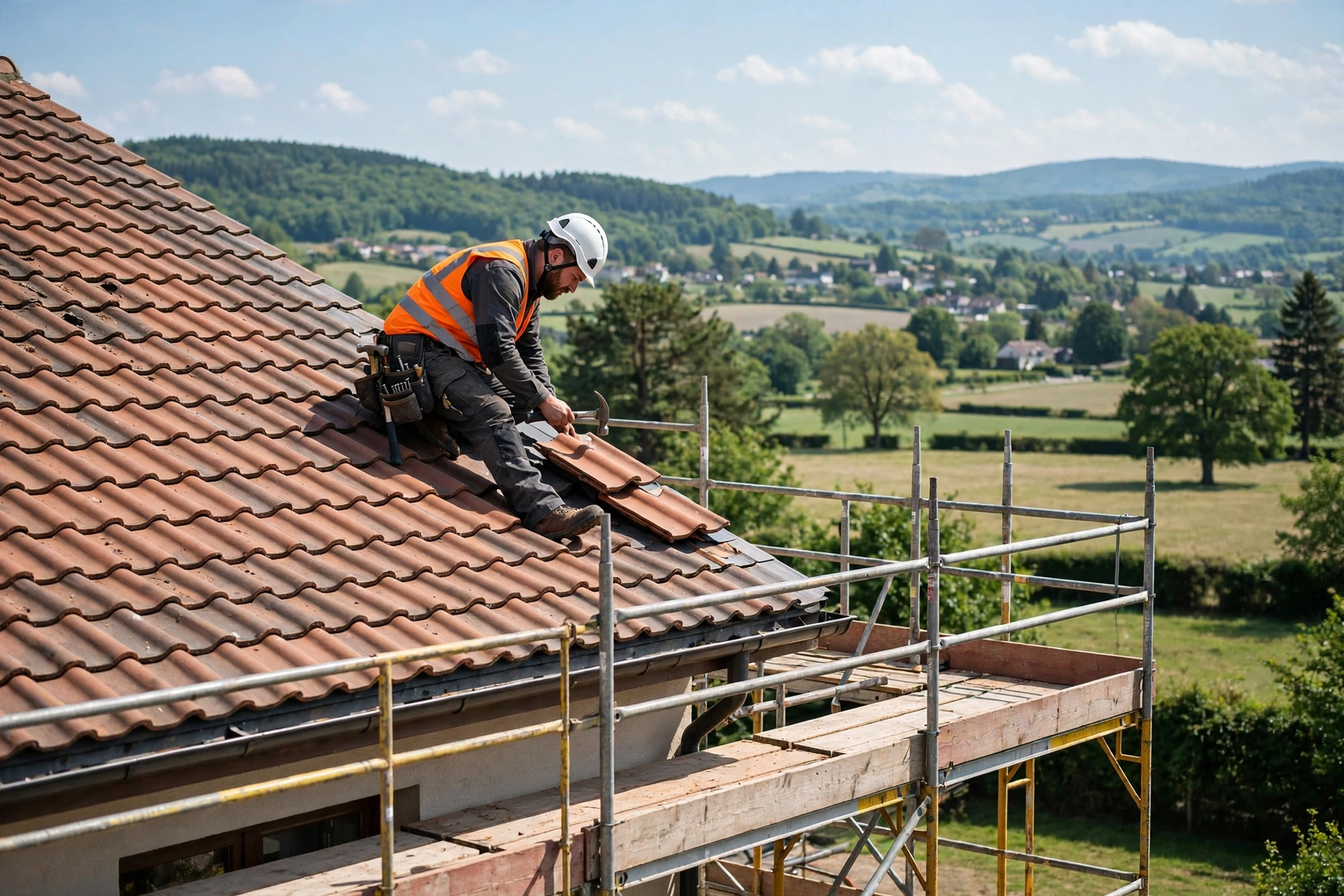
Yes, a helmet is essential for working at height on roofs — anyone on a roof should wear a helmet with a chin strap, because a fall, a dropped tool, or a slip on a slope can all lead to a head injury. Roof work combines height, sloping surfaces, and often loose materials, so the helmet must stay on during a fall rather than flying off. That is why a standard hard hat without a chin strap is not enough for this job.
Roofers face risks from above and below: tiles and tools can fall from the roof onto people on the ground, while the roofer themselves can slip, trip over a ridge, or be caught by a gust of wind. This guide explains what kind of helmet suits roof work, how it differs from a standard site helmet, and how to wear and care for it.
What Kind of Helmet Is Used for Roof Work?
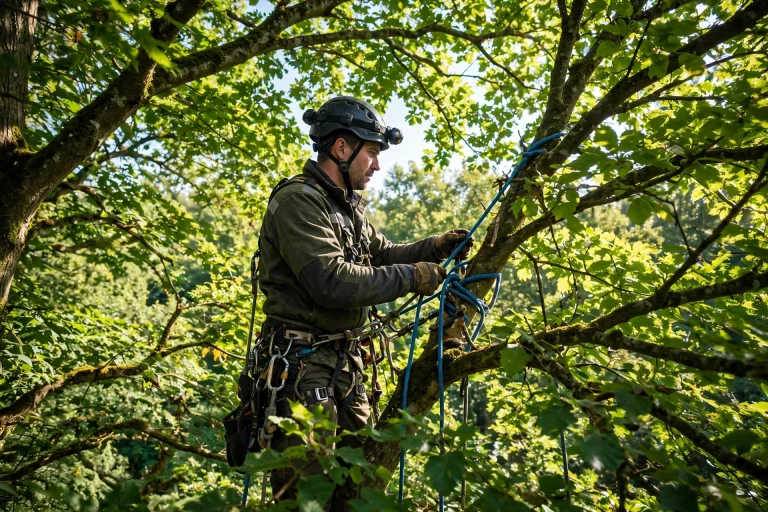
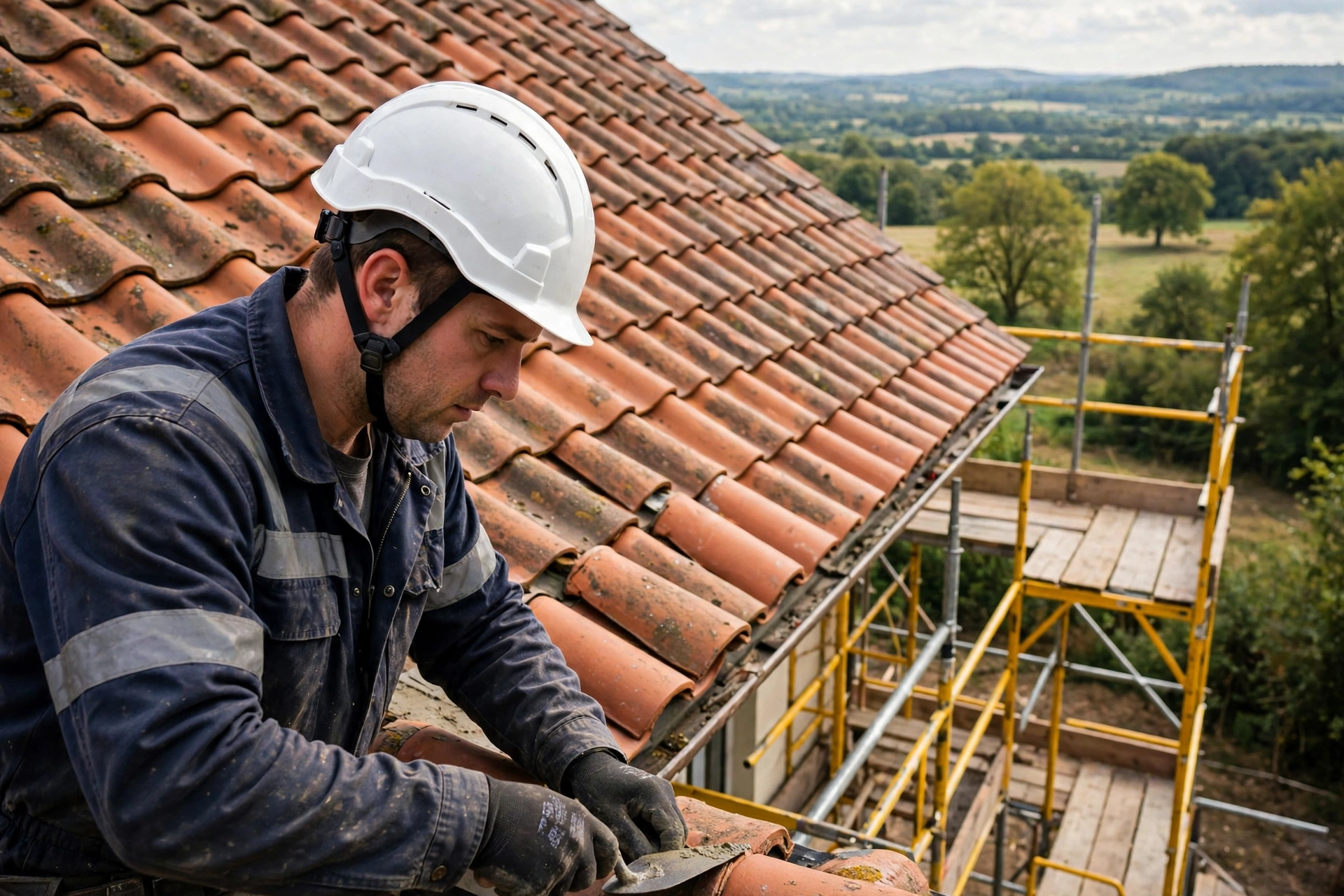
Roof work calls for an industrial helmet designed for working at height, with a chin strap that keeps it firmly on the head. These helmets are often based on climbing helmet designs, with a secure four-point chin strap and a shell shaped to protect the sides of the head as well as the top. The chin strap is the key difference: in a fall, a helmet without one can come off before it ever protects you.
The shell should be light and well ventilated, because roof work is physical and often done in warm weather. A heavy helmet causes neck strain over a long day and is more likely to be taken off. Look for a helmet that meets the standard for industrial helmets used at height in your country, and check that it is marked as suitable for that use — not every hard hat is.
Some roof helmets have a short peak or no peak at all, which helps when looking up at the work above you. A long peak can catch on scaffolding or block your upward view. If you work with power tools on a roof, a helmet that accepts clip-on earmuffs or a visor can be useful, but keep accessories simple: anything that adds weight or snags on the roof surface is a problem.
Why Does Roof Work Need a Chin Strap?
A chin strap keeps the helmet on your head during a fall, a slip, or a sudden movement. On flat ground, a helmet can stay in place by its own fit, but on a slope the forces are different: if you slip and tumble, an unsecured helmet can slide off in the first moment of the fall. Once it is off, it offers no protection at all, however good the shell is.
The chin strap also helps in high wind. Roofs are exposed places, and a gust can lift a loose helmet clean off a worker’s head. That is not only a risk to the worker, but also a danger to anyone below, because a helmet falling from a roof is a heavy object. Fastening the strap every time you step onto a roof should become a habit, like clipping on a harness.
What Other Protection Goes with a Roof Helmet?
A helmet is only part of the protection needed on a roof. Fall protection, such as a harness attached to a secure anchor point, is usually the main safeguard against falling from the roof itself, while the helmet protects against bumps, falling tiles, and the impact if a fall is arrested. The two work together: the harness stops the fall, and the helmet protects the head during it.
Scaffolding, edge protection, and safety nets are also part of roof safety. These prevent falls and catch falling materials before they reach people on the ground. A helmet does not replace any of them, and a roofer should never rely on a helmet alone to make roof work safe. If the edge protection or scaffolding looks incomplete or damaged, stop and raise it before starting work.
How Should a Roof Helmet Fit and Be Maintained?
A roof helmet should sit level on your head, low enough to cover the forehead, and feel snug all round without pressing hard on any one spot. Adjust the harness so the helmet stays put when you shake your head and when you bend forward to look down the slope. If it slides forward over your eyes, it is too loose, and it will block your view of where you are stepping — a serious problem on a roof.
Check the helmet before every job. Look for cracks in the shell, especially after it has been dropped or knocked, and inspect the chin strap, buckle, and harness for wear. Sunlight weakens helmet shells over time, so a helmet left on a roof or in a van window for months may need replacing even if it looks fine. Store it in a cool, shaded place and keep it away from paints, solvents, and fuels.
Replace a roof helmet after any hard impact, including a fall in which the helmet struck the roof or the ground. The damage may be hidden inside the shell or the liner, where you cannot see it. If you are learning how helmets handle different kinds of impact, reading about what MIPS is for helmets can help you understand one of the technologies used in modern helmet design.
Do People on the Ground Below a Roof Need Helmets Too?
Yes, anyone working on the ground below a roof where work is going on should wear a helmet. Tiles, offcuts, nails, and tools can all fall from a roof, and a person on the ground may not see them coming. The risk is highest directly below the work area, which is why sites often barrier off a drop zone and mark it clearly.
Delivery drivers, labourers moving materials, and supervisors walking the site all need helmets in the drop zone, even if they are only there for a few minutes. A helmet worn by the roofer protects the roofer; a helmet worn by the person below protects them from what the roofer might drop. Both are needed for the site to be safe.
Members of the public should be kept well away from the drop zone, with barriers and signs. If a roof overlooks a pavement or garden, the area below should be fenced off and, where needed, covered with debris netting or a fan to catch falling materials. A helmet is no substitute for keeping people out of the danger area in the first place.
Frequently Asked Questions
Q: Can I use a normal building site hard hat on a roof?
A: In general terms, no — a standard hard hat without a chin strap can fall off during a slip or a fall. Roof work needs a helmet with a secure chin strap designed for working at height.
Q: Do I need a helmet on a flat roof?
A: Yes. Flat roofs still carry risks from falling tools, overhead work, and trips near the edge. A helmet with a chin strap is sensible on any roof where a fall is possible.
Q: How do I stop a roof helmet fogging or overheating in summer?
A: Choose a helmet with ventilation slots, take shade breaks, and keep the sweatband clean. If the helmet has a visor, keep it clean so your view stays clear in bright light.

Olivia
Writer at Helmet Today, covering helmet reviews, fit and riding safety.