
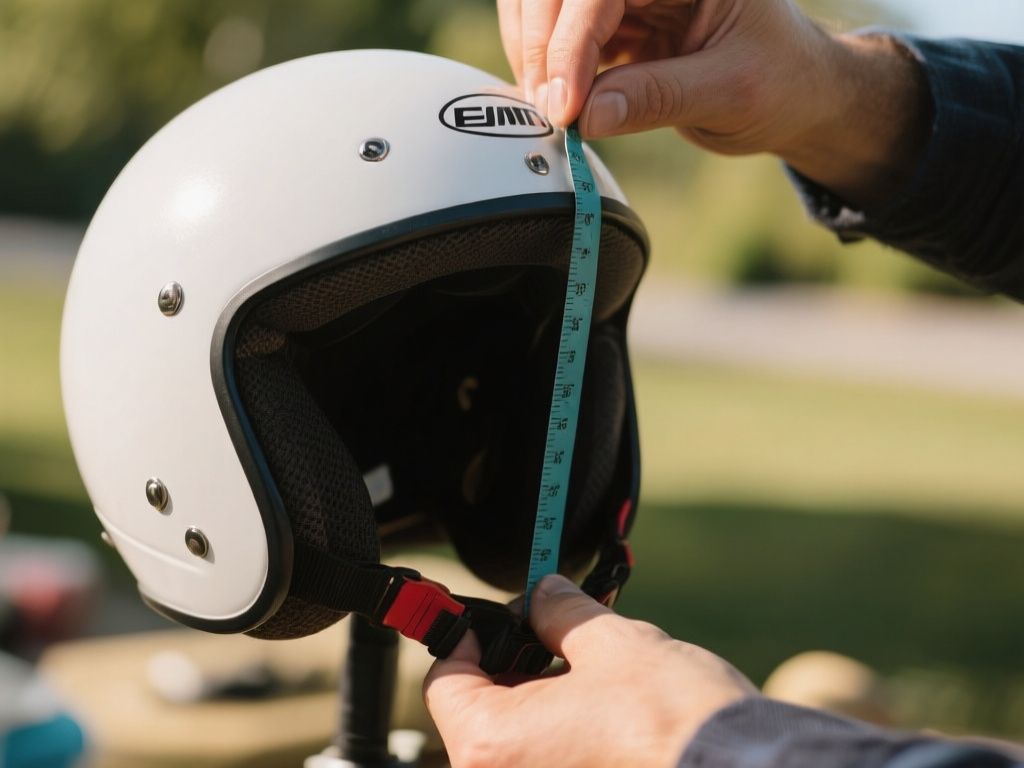
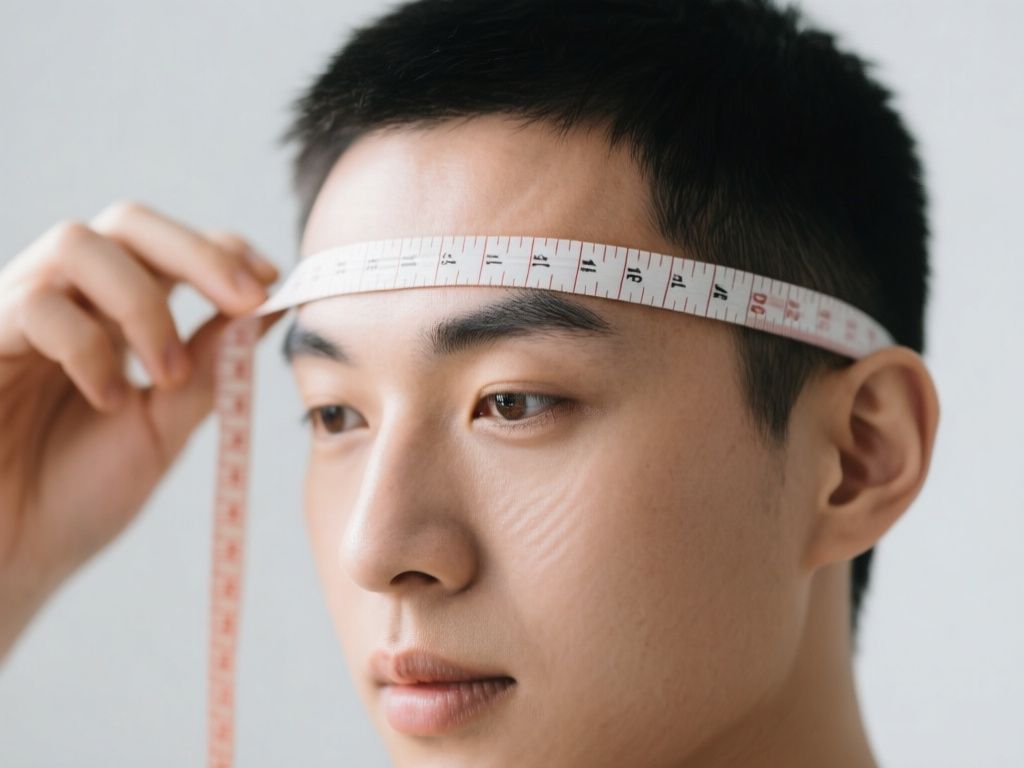
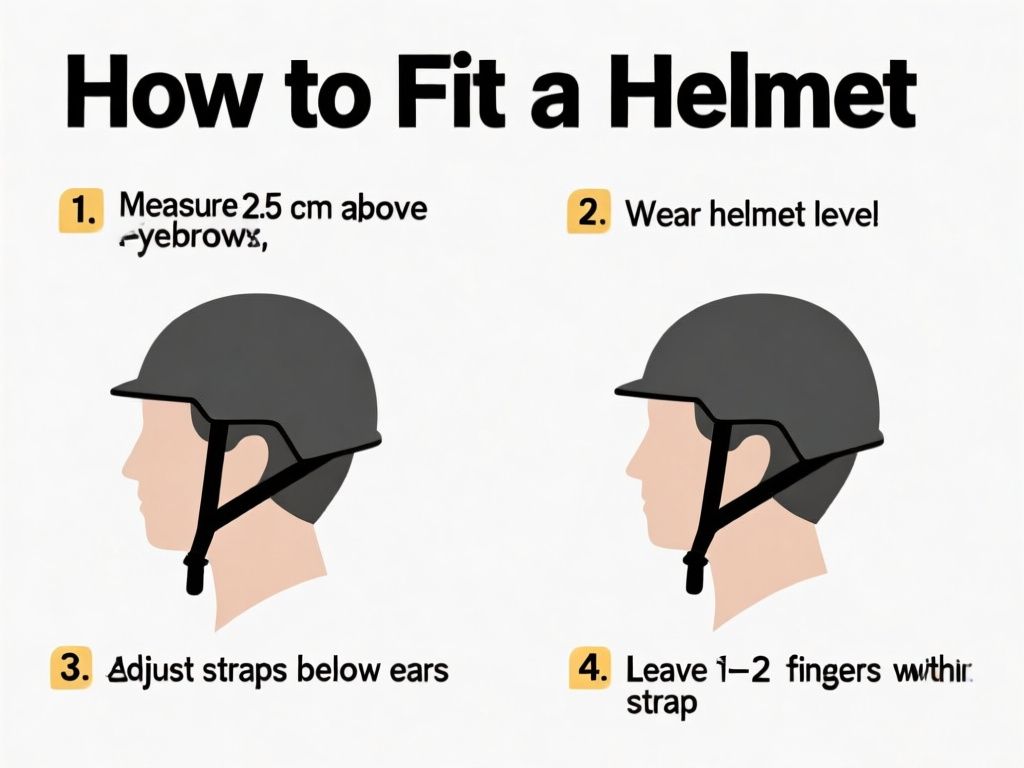
To determine helmet size, measure the widest part of the head with a soft tape, usually about 2.5 centimeters above the eyebrows and ears. Compare that measurement with the specific manufacturer’s size chart. A proper helmet should sit level, feel evenly snug, and stay in place without creating painful pressure points.
Why does helmet size matter?
A correctly sized helmet can stay positioned over the parts of the head it is designed to protect. A helmet that is too loose may shift, tilt, or come off during an impact. One that is too tight can cause headaches, numbness, and pressure points that make people loosen the straps or stop wearing it.
Helmet size is based mainly on head circumference, but circumference is only the starting point. Head shape also matters because two people can measure the same distance around the head while having different front-to-back and side-to-side proportions.
Every helmet should be checked against its own size chart. A medium from one brand may fit like a small from another, and motorcycle, bicycle, ski, equestrian, climbing, and workplace helmets often use different sizing systems. The label inside the helmet is not a substitute for trying it on.
How do you measure your head for a helmet?
The most reliable method uses a flexible measuring tape and a mirror, although a piece of string and a ruler works in a pinch. Measure with the head uncovered, because hats, thick hairstyles, and ponytails can make the result inaccurate.
- Stand or sit upright and look straight ahead.
- Place the tape around the largest part of the head.
- Position it about 2.5 centimeters, or roughly one inch, above the eyebrows.
- Keep the tape above the ears and across the fullest part of the back of the skull.
- Make sure the tape is level all the way around and rests against the head without squeezing it.
- Record the measurement in centimeters and inches.
The tape should touch the head but not compress the skin. Pulling it tightly can produce a measurement that is smaller than the fit actually needed. Taking the measurement two or three times can catch a crooked tape or a reading error.
If the measurement falls between sizes, begin by trying the larger size, then judge the fit using the manufacturer’s instructions. Some helmets have adjustable fit systems or removable pads, while others offer little adjustment. The right choice depends on the shape and construction of that particular model.
What helmet size do you need?
Helmet sizes commonly use head circumference ranges such as small, medium, large, and extra-large. The exact ranges vary, so the number printed below is an example of how charts are often organized, not a universal standard.
| Example label | Approximate head circumference | Typical measurement in inches |
|---|---|---|
| Extra-small | 51–54 cm | 20–21¼ in |
| Small | 54–56 cm | 21¼–22 in |
| Medium | 56–58 cm | 22–22¾ in |
| Large | 58–61 cm | 22¾–24 in |
| Extra-large | 61–64 cm | 24–25¼ in |
These ranges are useful for narrowing the options, but the brand’s chart takes priority. A manufacturer may measure a model differently, use a different range, or design the helmet for a distinct head shape. Some safety helmets also use a single adjustable shell that covers several head sizes.
Do not choose a helmet by age alone. Children of the same age can have very different head circumferences, and a child’s helmet should be measured and fitted just as carefully as an adult’s.
How should a properly fitted helmet feel?
A properly fitted helmet should feel snug around the entire head without causing sharp pain. When first put on, it may slightly flatten the hair and create gentle, even pressure. It should not rock freely from side to side or leave a large gap above the forehead.
Use this simple fit check:
- The front edge sits low on the forehead, generally one or two finger-widths above the eyebrows, unless the manufacturer gives different instructions.
- The helmet sits level rather than tipped backward.
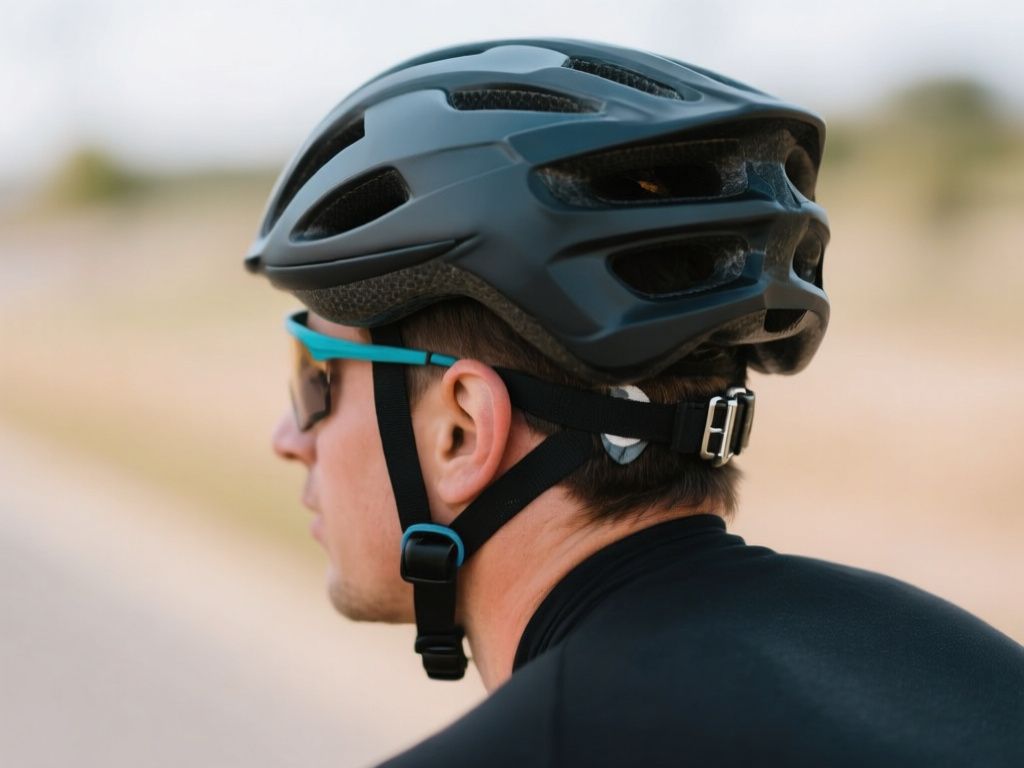
- The side straps meet just below each ear and form a comfortable “V.”
- The chin strap rests against the skin beneath the chin.
- The buckle is secure and does not press painfully against the jaw or throat.
- The helmet stays in place when the head moves normally.
Open the mouth wide, as if yawning. The helmet should pull down slightly against the top of the head. This check helps show whether the chin strap and overall fit are secure rather than merely resting on the hair.
Next, hold the helmet still and try to move the head underneath it. If the skin moves with the helmet, the fit is usually reasonably snug. If the helmet slides while the skin stays still, it may be too large or the wrong shape.
How do you adjust the helmet straps?
Strap adjustment should happen after the helmet is positioned level on the head. Tightening the straps cannot correct a shell that is too large, too small, or shaped incorrectly.
The two side straps should meet just below the ear. On many helmets, a small plastic adjuster allows the front and rear straps to be balanced. The chin strap should be snug enough that only one or two fingers fit between the strap and the underside of the chin.
The buckle should sit to one side under the jaw rather than directly on the throat. The loose end of the strap should be secured so it cannot flap into moving parts, wheels, or other equipment. After adjustment, shake the head gently and repeat the fit checks.
How does helmet shape affect sizing?
Helmet shape explains why a correct circumference can still feel wrong. Some helmets are longer from front to back, while others are wider from side to side. A person with a round head shape may feel pressure at the temples in a narrow helmet even when the circumference matches the chart.
Common signs of a shape mismatch include:
- Persistent pressure at one spot after several minutes.
- A helmet that rocks from front to back despite a snug adjustment.
- Gaps on the sides or forehead.
- The need to tighten the fit system excessively.
- A shell that sits crooked because it is trying to accommodate the head.
Do not solve a shape problem by sizing up dramatically. A larger helmet may reduce the pressure point but create dangerous movement elsewhere. Trying a different model or brand with a different internal shape is usually the better fix.
How should children’s helmets be sized?
Children’s helmets should fit snugly now, not be bought several sizes too large for future growth. A helmet that wobbles over the eyes or moves when the child shakes their head is not ready to use.
Measure the child while they are sitting still, then place the helmet level on the head. Check that the front edge does not block vision and that the straps remain fastened during movement. Children may resist a snug fit at first, so explaining that the helmet should feel like a firm hug can be more useful than simply tightening the straps.
Many helmets include an adjustable dial or rear cradle. This feature helps fine-tune the fit, but it does not replace choosing the correct shell size. The dial should not need to be tightened as far as possible to keep the helmet from sliding.
What changes for motorcycle, bicycle, and other helmets?
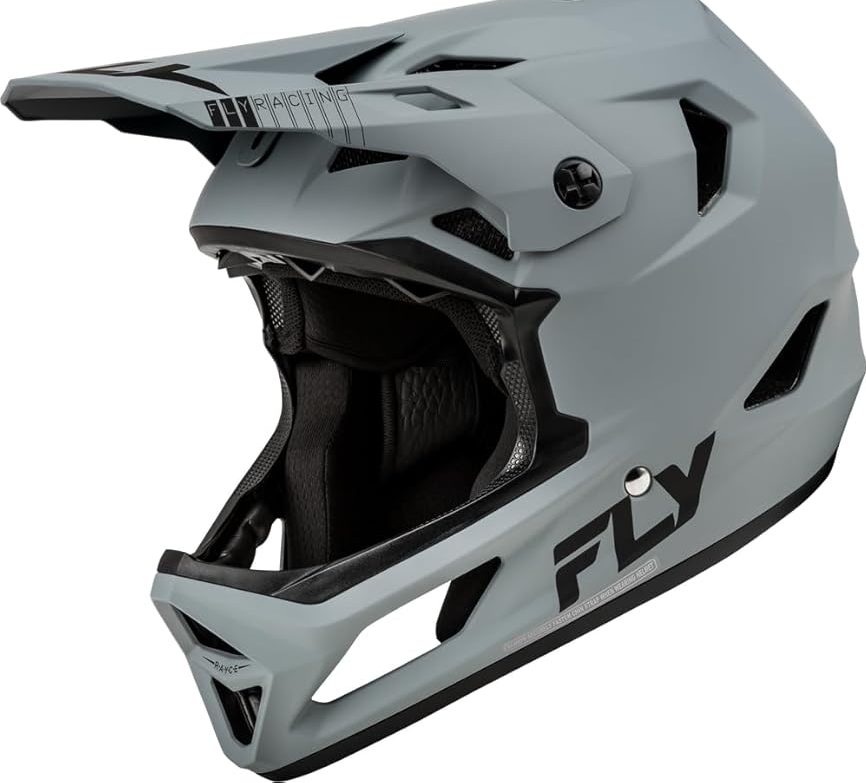
The measuring principle is similar across helmet types, but the fitting details differ. A bicycle helmet may have large ventilation openings and a rear retention cradle. A motorcycle helmet usually surrounds more of the head and face, so cheek-pad pressure and firm resistance when pulling upward are especially important.
| Helmet type | Extra fit checks |
|---|---|
| Bicycle | Keep the front low enough to protect the forehead without blocking vision; confirm the rear cradle does not lift the helmet off the head. |
| Motorcycle | Check even cheek pressure, a secure chin strap, and little upward movement when the helmet is pulled from the rear. |
| Ski or snowboard | Try it with the goggles normally worn; check that the helmet and goggles do not leave a large exposed gap. |
| Equestrian | Follow the riding-helmet manufacturer’s placement instructions and check that the harness stays secure during head movement. |
| Work or industrial | Use the approved suspension and accessories for that model; do not substitute unrelated liners or modify the shell. |
A helmet should be tested with the equipment normally worn underneath or alongside it. Thick winter hats can change the fit, and some manufacturers specifically advise against wearing them beneath a protective helmet. Goggles, face shields, communication systems, and ponytails can also affect comfort and placement.
When should you replace a helmet?
Replace a helmet after a significant impact, even if the outside looks undamaged. Protective foam can compress or crack internally and may not provide the same protection during another impact.
Replacement is also sensible when the shell, foam, straps, buckle, or adjustment system shows damage. Excessive heat, chemicals, paint, solvents, and long-term wear can weaken some materials. Follow the product’s care and replacement guidance, and contact the manufacturer when the history of a helmet is unknown.
A used helmet with an uncertain impact history is difficult to evaluate by appearance alone. For that reason, a secondhand helmet is a poor choice unless its age, storage conditions, and impact history are known.
Frequently Asked Questions
Can you determine helmet size without a measuring tape?
Yes. Wrap a strip of string around the head at the same location, mark where it meets, and measure the string against a ruler. Keep the string level and use the resulting centimeter measurement with the manufacturer’s size chart.
Should a helmet feel tight?
A helmet should feel evenly snug, not painfully tight. It should stay in place when the wearer shakes their head, but it should not cause numbness, sharp pressure, or a headache after a short fitting period.
What if the head measurement is between two helmet sizes?
Try both sizes if possible and follow the brand’s guidance. Choose the one that sits level, remains secure with normal strap adjustment, and has no painful pressure points; do not rely on a loose helmet simply because it feels more comfortable.
Can wearing a hat change helmet size?
Yes. A hat adds volume and can make a correctly fitted helmet too tight or alter its position. Use only liners or cold-weather accessories approved by the helmet manufacturer, and never use a thick hat if it prevents the helmet from sitting correctly.
How much space should be between the helmet and the forehead?
The front edge should sit low on the forehead, commonly about one or two finger-widths above the eyebrows. A large gap or a helmet tipped backward leaves the forehead less protected and usually indicates incorrect positioning or fit.
Can helmet padding fix the wrong size?
Minor adjustments may improve comfort when the helmet is already the correct size and shape. Padding cannot safely compensate for a shell that is too large, too small, or badly matched to the wearer’s head shape.
The practical sequence is simple: measure the head, check the brand’s chart, try the helmet on, adjust the straps, and test for movement. If it cannot sit level and snug without painful pressure, choose a different size or model.

Olivia
Writer at Helmet Today, covering helmet reviews, fit and riding safety.