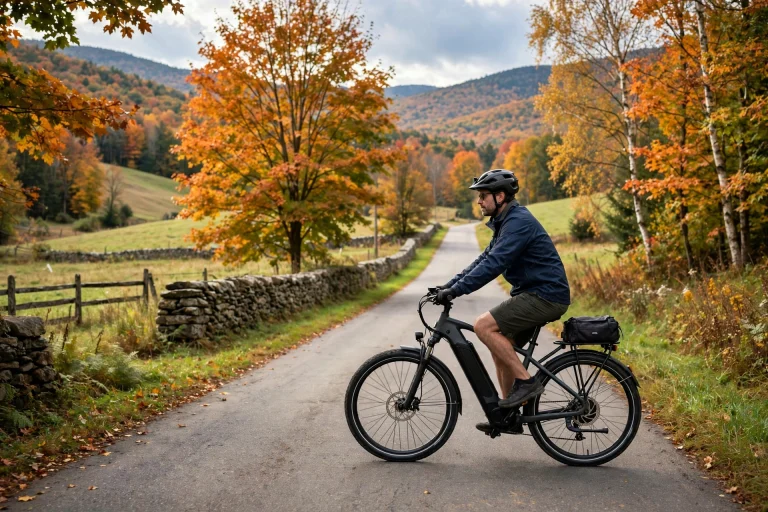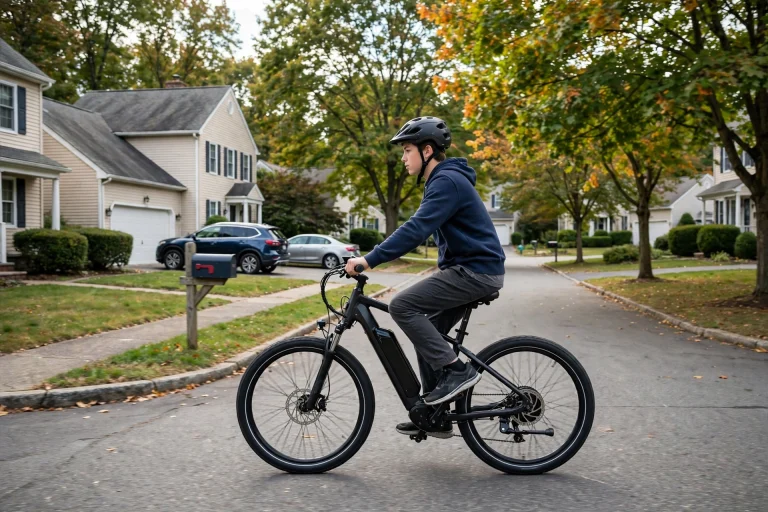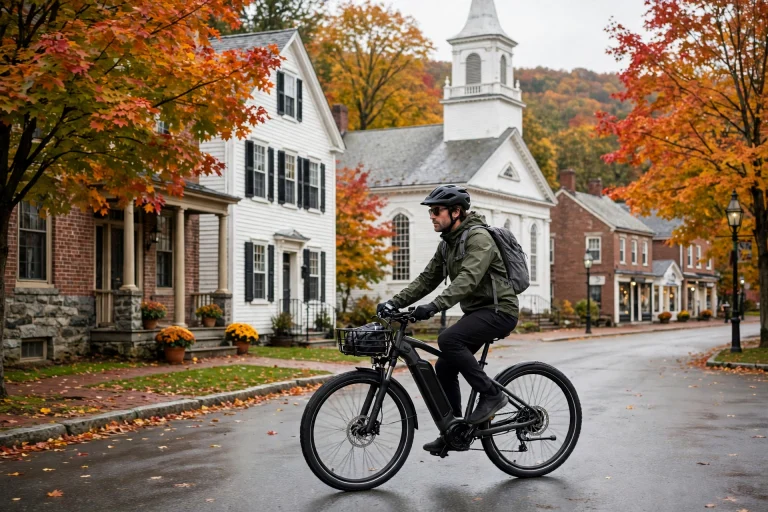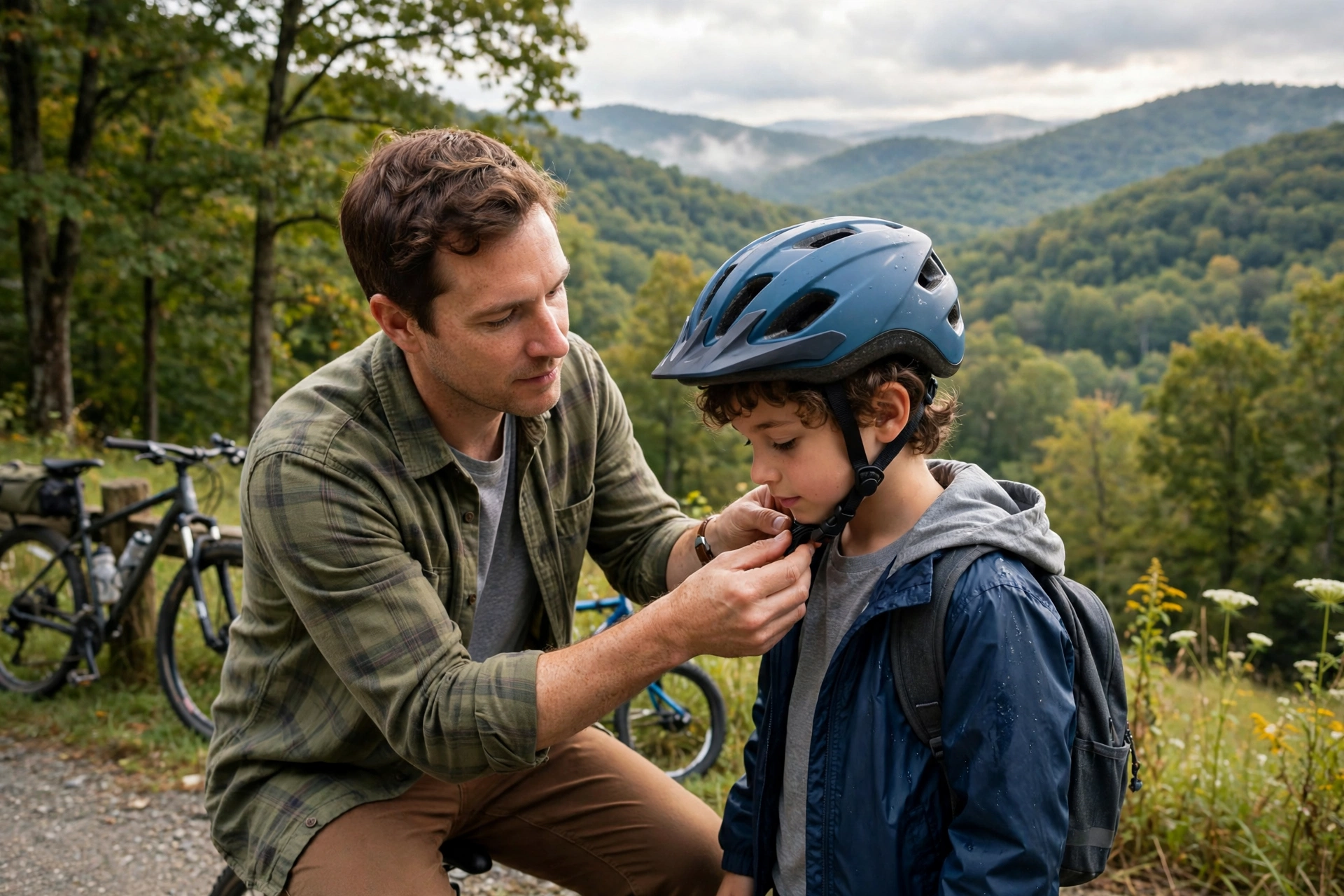
West Virginia law requires every bicycle rider and passenger under the age of 15 to wear a helmet. Parents and guardians share legal responsibility for making sure younger children comply. Once a rider turns 15, the state no longer requires a helmet, though it remains a smart idea at any age.
West Virginia’s under-15 cutoff sits in the middle of the national range. Here is what families in the Mountain State need to know.
What age does West Virginia’s bicycle helmet law cover?
The law covers children under 15 years old. Any child age 14 or younger who rides a bicycle in West Virginia must wear a helmet, and the same applies to a child that age riding as a passenger — for example, in a child seat mounted on an adult’s bike.
The helmet must be a proper bicycle helmet: one that meets federal CPSC safety standards, fits the child’s head correctly, and is worn with the chin strap fastened. A helmet carried on the handlebars or worn pushed back on the head does not count as compliance and provides almost no protection.
For the youngest riders, there is an extra practical consideration. Very small children riding in mounted child seats or trailers are passengers under the law’s under-15 umbrella, and they need helmets sized for toddlers, with full coverage and a secure buckle they cannot easily open themselves. Because a passenger child cannot brace or react in a fall the way the rider can, their helmet fit matters even more. Parents should check that a seated child’s helmet does not push their head forward uncomfortably against the seat back — if it does, look for a toddler helmet with a flatter rear profile designed for child seats.
What is the parent’s responsibility under the law?
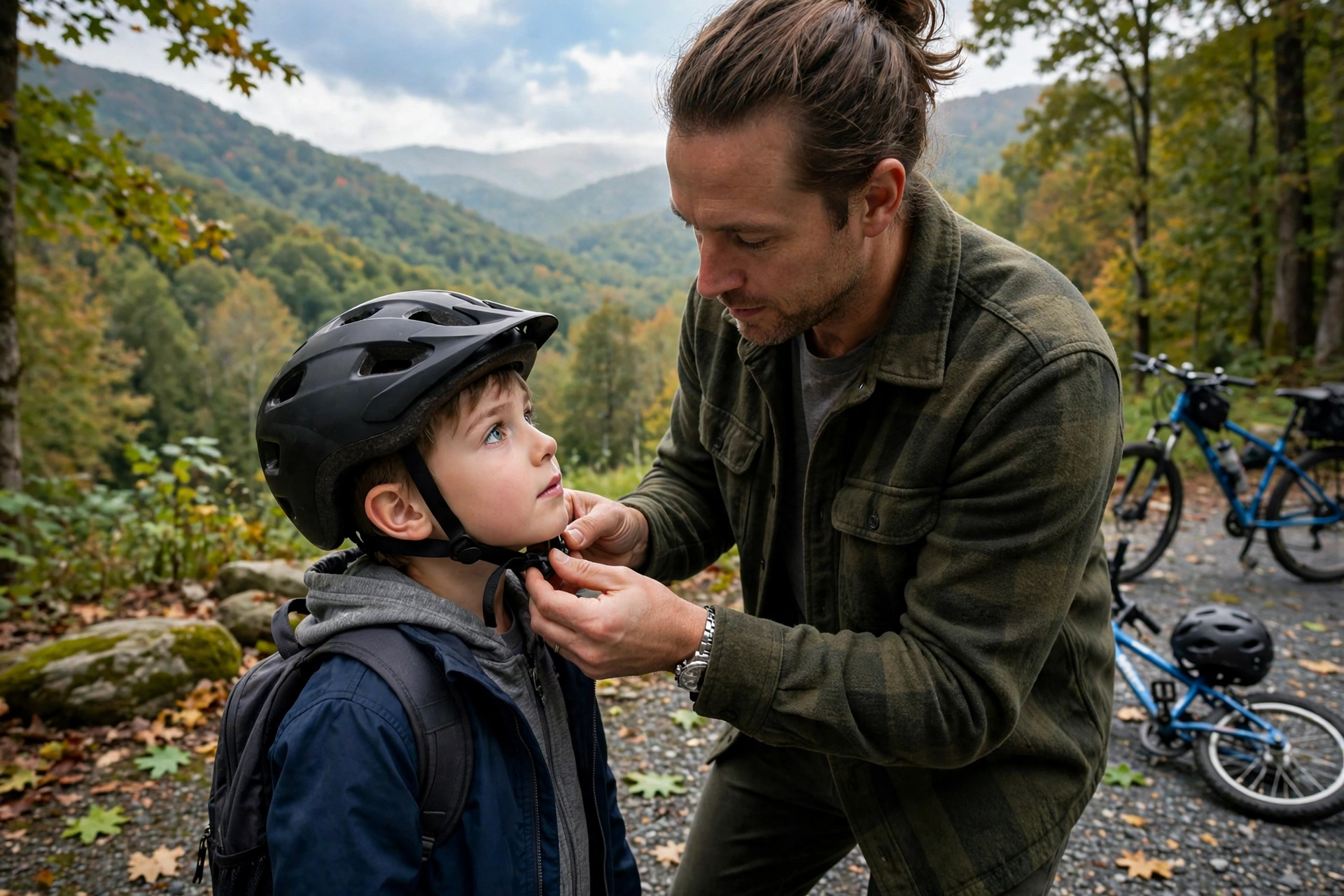
West Virginia’s law makes parents and guardians part of the rule. Adults are expected to ensure that the children in their care wear helmets as required, and a parent or guardian can face consequences if they knowingly allow a child under 15 to ride without one. In practical terms, the law treats a young child’s helmet use as an adult’s job, not just the child’s.
The best way to meet that responsibility is to build the habit early and keep it simple: the helmet lives with the bike, it goes on before the bike moves, and it stays on until the ride is over. Checking the fit every few months matters too, because growing children can outgrow a helmet mid-season.
Does the law apply everywhere a child rides in West Virginia?
The requirement is aimed at riding in public places — roads, streets, paths, and other areas open to the public. West Virginia’s terrain means many children also ride on private land, farms, and trails where the state rule may not formally reach, but the risks of a fall are exactly the same.
If your family rides in neighboring states as well, be aware that the age cutoffs change at the border: nearby states use different ages, and some have no statewide child helmet law at all. Our guide to what states have helmet laws lays out the differences so you can check before a trip.
What happens if a child rides without a helmet?
A violation of West Virginia’s bicycle helmet law can result in a fine, and fines vary depending on the circumstances; responsibility can fall on the parent or guardian who allowed the child to ride unprotected. Enforcement typically emphasizes getting children into helmets rather than heavy punishment, but the legal exposure for parents is real and deliberate — the statute is designed to make adults take the rule seriously.
Beyond the legal side, the safety math is one-sided. Helmets substantially reduce the risk of serious head injury in a bicycle fall or crash, and head injuries are the leading cause of serious harm to child cyclists.
What should West Virginia parents check before every ride?
Three quick checks cover most problems. First, fit: the helmet should sit level, cover the forehead, and not rock side to side. Second, straps: the side straps should form a V under the ears and the chin strap should be snug, with room for only one or two fingers underneath. Third, condition: look for cracks, crushed foam, or frayed straps, and replace the helmet after any crash that involves a head impact.
When a child turns 15 and the legal requirement ends, consider keeping a family helmet rule in place anyway. Teen riders travel farther and faster, often on rural roads with higher vehicle speeds, which is exactly where a helmet matters most.
Choosing the right helmet in the first place makes all of this easier. Measure around the child’s head about an inch above the eyebrows and match that measurement to the size range printed inside the helmet rather than guessing by age — children’s head sizes vary a great deal at the same age. Budget helmets that carry the CPSC certification label offer the same tested level of protection as far more expensive models; the extra money in premium helmets buys comfort, ventilation, and style, not a higher safety grade.
Storage and care also play a part in staying legal and protected. Keep helmets indoors away from heat and direct sun, hang them rather than dropping them on concrete, and never let a child use a helmet that has been painted with solvents or decorated with drilled holes or heavy glued additions, all of which can weaken the shell or foam. A clean, undamaged, correctly stored helmet is one that will pass both a parent’s inspection and the law’s expectation of a proper helmet.
Finally, model the behavior. West Virginia only requires helmets for under-15s, but children copy what adults do far more than what adults say. A parent who buckles on their own helmet for every family ride rarely has to argue about the child’s.
Frequently Asked Questions
Do adults need a bicycle helmet in West Virginia?
No. West Virginia’s law applies to riders and passengers under 15. Adults and teens 15 and older are not required to wear one under state law, though it is strongly recommended.
Can a parent be fined if their child rides without a helmet?
Yes, parents and guardians share responsibility for compliance and can face a fine if they knowingly let a child under 15 ride without a helmet. Fines vary by situation.
At what age can a child stop wearing a bike helmet in West Virginia?
Legally, at 15. Until then, every rider and passenger under 15 must wear a properly fitted, fastened bicycle helmet.

Olivia
Writer at Helmet Today, covering helmet reviews, fit and riding safety.