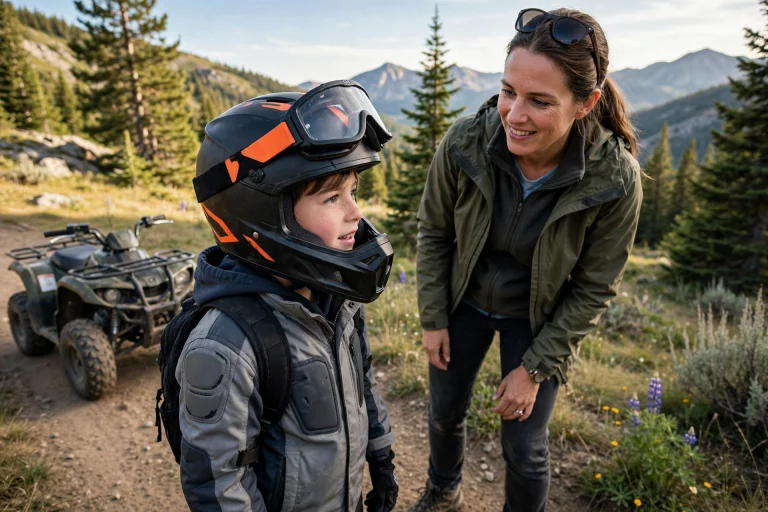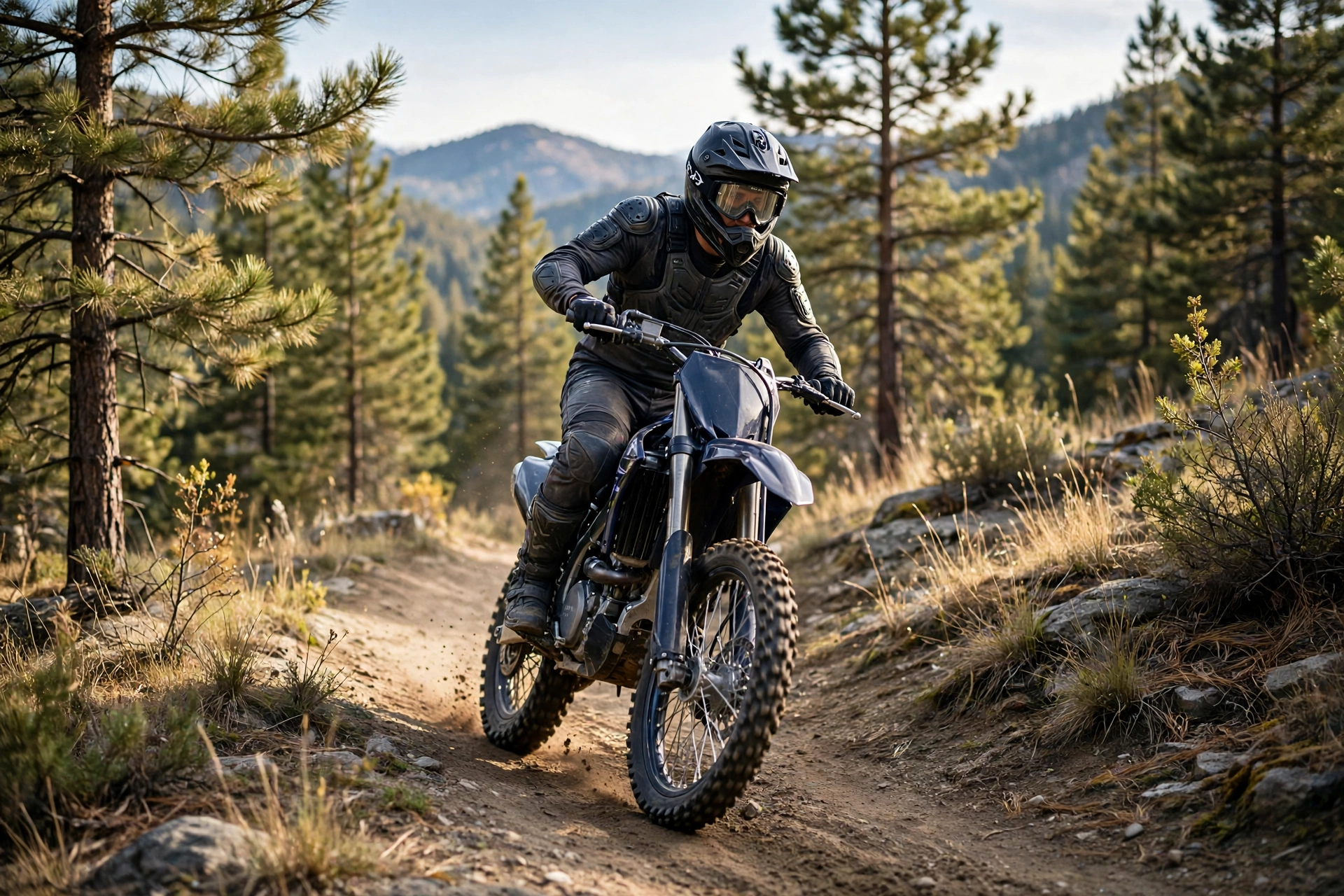
Yes, there is a right way to wear goggles with a dirt bike helmet — and getting it wrong is one of the most common reasons new riders fight dust, fog, and a loose fit all day. The correct order is simple: put the helmet on and fasten the chin strap first, then pull the goggles on over the helmet so the strap rests on the outside of the shell, running slightly upward toward the back of your head. Next, seat the goggle frame fully inside the helmet’s eye port so the foam seals evenly against your face with no gaps at the nose or temples.
Done properly, your goggles should feel like part of the helmet, not an accessory hanging off it. This guide walks through each step, the strap tricks experienced riders use, quick-release systems, and the mistakes that quietly ruin an otherwise good ride.
What Is the Correct Order for Putting On a Helmet and Goggles?
Always start with the helmet. Put it on, settle it level on your head, and fasten the chin strap snugly. A helmet that is even slightly loose will shift the moment you pull a tight goggle strap over it, so the helmet needs to be stable first.
With the helmet secured, hold the goggles by the strap with both hands, stretch the strap wide, and pull the goggles down over the helmet from above. Let the strap settle onto the shell at the back of the helmet. Then work the frame forward into the eye port, centering it on your face.
To remove them, reverse the motion: lift the goggles up and off over the helmet, then unstrap the helmet. Never yank goggles forward off your face — that stretches the strap and grinds dust into the foam.
Where Should the Goggle Strap Sit on the Helmet?
The strap should sit on the helmet shell, above the bottom edge, and angle slightly upward toward the rear. That upward angle matters: it pulls the frame down and into your face, keeping the seal tight when you are looking down at the trail or standing on the pegs.
If the strap sits too low at the back — down near the helmet’s bottom edge or on your neck — the goggles get pulled downward and the frame slides off your nose. If it sits too high, the frame can creep up and break the seal at the bottom. Aim for the strap to cross the back of the shell roughly in its upper third.
Most modern helmets have a textured strip at the back of the shell to grip the strap, and many straps have silicone gripper lines inside. If yours keeps sliding, wipe the dust and dried mud off the silicone — a quick clean restores the grip.
How Do You Know the Goggles Are Seated Correctly?
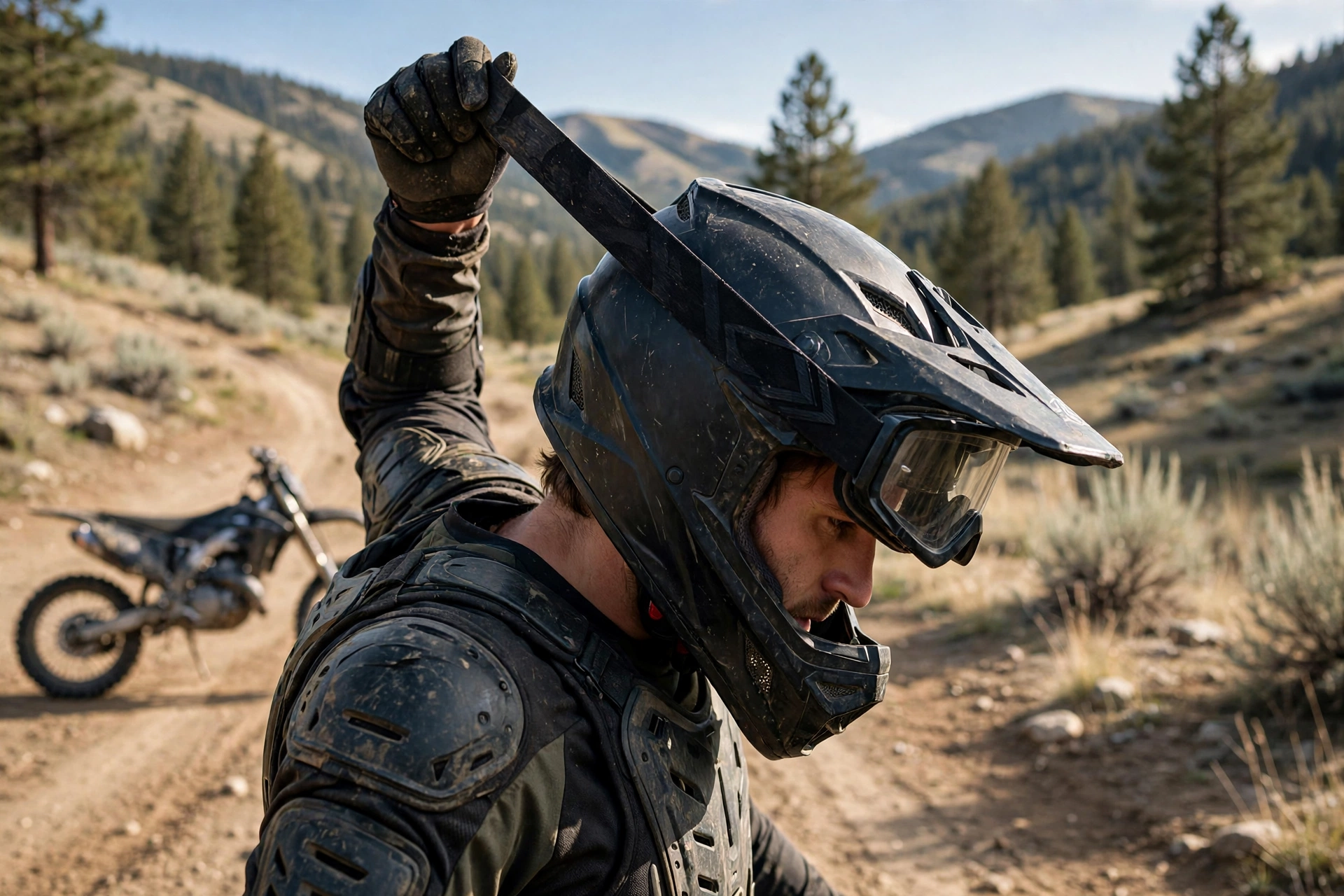
A correctly seated goggle frame disappears into the helmet’s eye port. The frame should not overlap the shell anywhere, and the foam should contact your skin evenly around your eyes, across the brow, down the temples, and over the bridge of your nose.
Run these checks before you start the bike:
- Nose check: Breathe out through your nose. If air escapes up into the goggles, the nose seal is gapped — recenter the frame or adjust the nose guard.
- Temple check: Press lightly at each side. Pinching usually means the frame is too narrow for the helmet’s eye port or the strap is over-tightened on one side.
- Shake check: Shake your head side to side and nod. The goggles should not bounce, slide, or rattle against the shell.
- Vision check: You should see the frame edges only at the far periphery. A frame sitting too low cuts your upward view on climbs.
Fit varies by combination — a frame that seals in one helmet may gap in another — so try goggles on with your own helmet before buying.
What Are the Most Common Goggle Mistakes Riders Make?
Three mistakes show up again and again. The first is wearing the goggles under the chin bar or resting them on the helmet’s peak between motos. Goggles stored on the peak get scratched, collect dust, and stretch the strap; carry them in a goggle bag or soft case instead.
The second is riding with the goggles hanging around your neck “just for the slow section.” Around your neck they protect nothing, bounce against your chest protector, and the lens ends up filthy. If you must ride a short transfer without eye protection down, flip them up onto the helmet shell backwards — frame on the back of the helmet, strap around the front — so they stay clean and secure.
The third is ignoring strap condition. A stretched, frayed strap cannot hold tension, so the goggles sag mid-ride no matter how well you positioned them at the truck. Inspect the strap when you clean the goggles, and replace goggles whose strap has lost its elasticity.
Should You Use a Quick-Release Strap System?
Quick-release systems replace the standard strap with a short strap and a pair of posts or hook-and-loop anchors fixed to the helmet sides. The goggles clip on and off in seconds, which is genuinely useful for riders who swap between goggles and sunglasses, race in changing light, or hand goggles to a pit crew mid-event.
The trade-offs: the anchors must be mounted at exactly the right height or the frame will not seal, and the shorter strap gives less adjustment range. If you go quick-release, mount the anchors with the goggles and helmet together, check the seal from every angle, and carry the original strap as a backup.
How Do You Stop Goggles Fogging and Filling With Dust?
Fogging happens when warm, moist air from your face meets a cold lens. A tight foam seal actually helps here, because it limits how much breath reaches the lens — one more reason seating matters. Beyond that:
- Keep moving when you can; airflow through the foam vents clears fog fast. Most fogging happens at a standstill with the engine warming your face.
- Lift the goggles briefly at stops rather than pulling them down around your neck.
- Use a dual-pane or anti-fog-treated lens in cold or humid conditions.
- Never wipe the inside of the lens when it is wet — the anti-fog coating smears. Blot gently or let it air dry.
For dust, the seal is everything — a gap at the nose or temples acts like a vacuum intake at speed, and some riders add a nose guard in very dusty conditions. Helmet technology keeps improving protection too: our explainer on what MIPS is in a helmet shows how modern liners manage rotational impact.
Frequently Asked Questions
Q: Do goggles go over or under the dirt bike helmet?
A: Over. The strap always runs around the outside of the helmet shell, with the frame seated in the eye port. Only the foam touches your face — never wear the strap directly against your head under the helmet.
Q: Why do my goggles keep sliding down my nose while riding?
A: Usually the strap is sitting too low at the back of the helmet or has lost elasticity. Move the strap higher on the shell with a slight upward angle toward the rear, and check that the frame is fully inside the eye port.
Q: Can I wear sunglasses instead of goggles with a dirt bike helmet?
A: For slow road transfers some riders do, but sunglasses leave gaps that dust and roost pour through, and they are not retained in a crash. Goggles with a proper seal are the right eye protection for off-road riding.

Olivia
Writer at Helmet Today, covering helmet reviews, fit and riding safety.