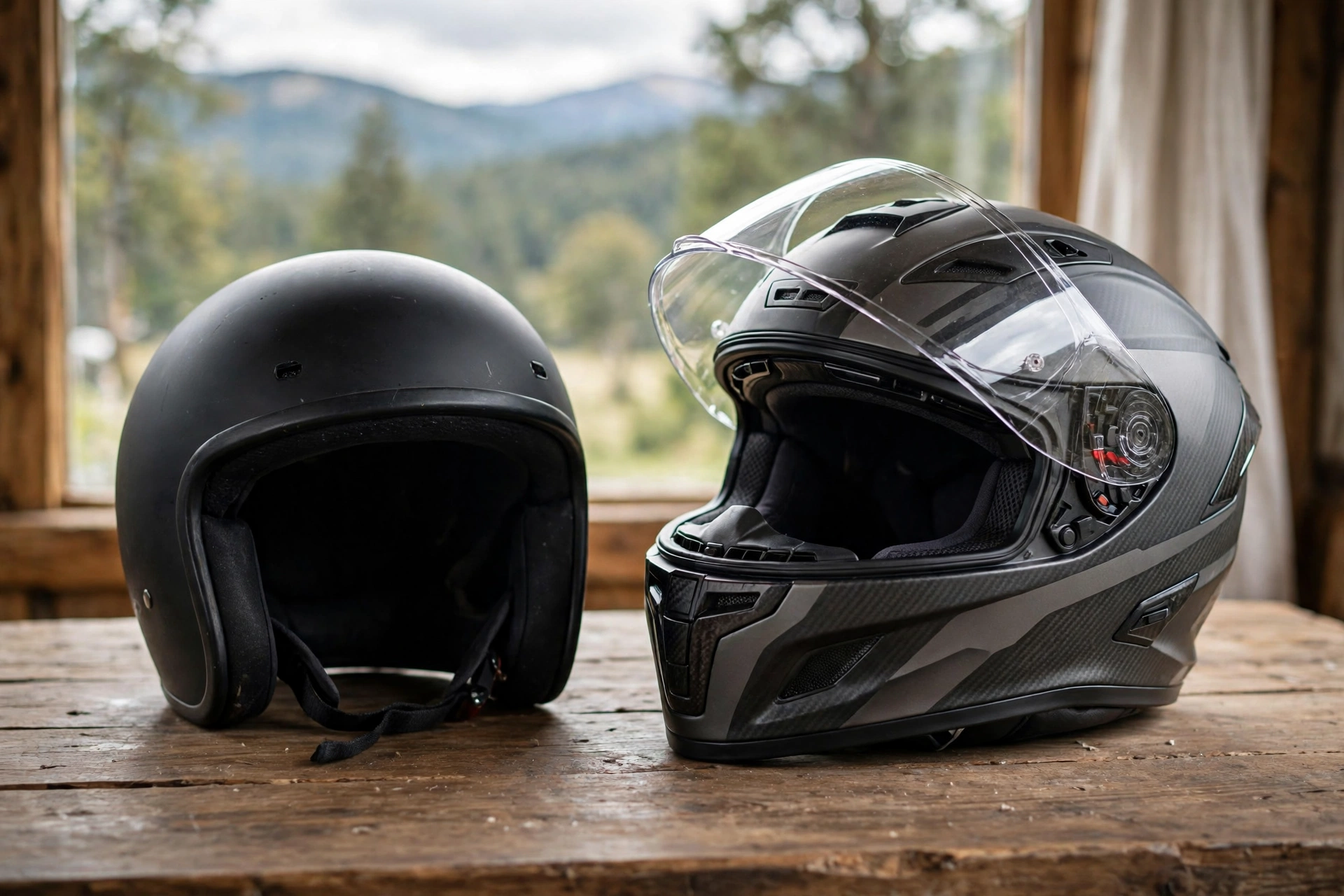
A certified budget helmet and a premium helmet both meet the same legal safety standard — the extra money buys you comfort, lighter weight, better ventilation, quieter aerodynamics, and nicer materials, not extra crash protection on paper. So the honest answer to “budget vs premium helmet” is: spend for the features you will feel every ride, but never let price replace fit and certification as your first checks.
That does not mean the cheapest helmet on the shelf is always the smart buy, or that premium models are a rip-off. The differences are real; they just live in the daily riding experience rather than in the test lab. This guide breaks down where the money goes so you can decide which tier makes sense for how you ride.
Do Expensive Helmets Protect You Better?
Every helmet legally sold for road use in the US must meet the DOT standard, and helmets sold in Europe must meet the current ECE standard. A budget helmet and a premium helmet on the same shelf have both passed the same minimum impact tests. Price alone does not raise that baseline.
Where premium helmets can add protection is in the extras: some use multi-density foam liners tuned for different impact zones, some offer more shell sizes so the fit is closer, and some add rotational-impact systems designed to reduce twisting forces in a slide. If you want to understand one of those systems, our explainer on how MIPS works inside a helmet is a good place to start.
Fit is the protection factor that matters most and costs nothing extra. A premium helmet in the wrong size or shape protects worse than a budget helmet that fits your head correctly. Buy the tier you like, but choose the individual helmet by fit first.
What Does the Extra Money Actually Buy?
Step up in price and the improvements are mostly things you feel within the first hour of riding:
- Weight. Premium shells in general terms use lighter composite materials, so the helmet puts less strain on your neck over a long day.
- Ventilation. Better helmets move more air through shaped internal channels instead of relying on a couple of simple holes, and the vent sliders work with gloves on.
- Noise. Tighter seals, smoother shell shapes, and padded neck rolls make premium full-face helmets noticeably quieter at highway speed.
- Liner quality. Plush, moisture-wicking, fully removable liners that survive repeated washing instead of packing down in a season.
- Visor hardware. Smoother mechanisms, better seals against rain, tool-free visor swaps, and drop-down sun visors on many models.
- Finish. Paint, graphics, and hardware that still look good after years of daily use.
None of these change the certification sticker. All of them change whether you enjoy wearing the helmet — and a helmet you enjoy wearing is a helmet you wear on every trip, which is a safety benefit of its own.
Where Do Budget Helmets Cut Corners?
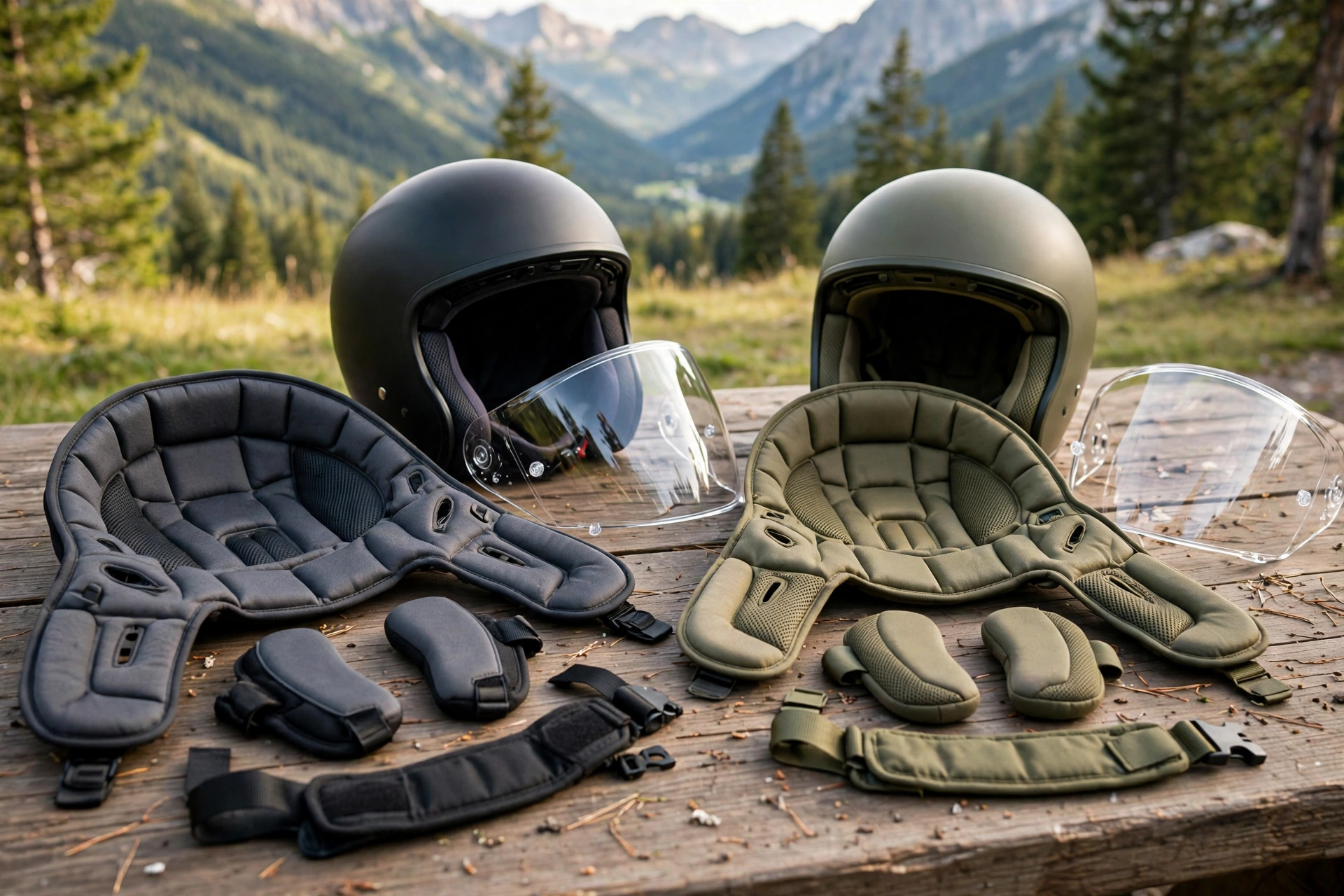
Budget helmets are usually built around a single polycarbonate shell in one or two shell sizes, with thicker or thinner pads making up the size range. That keeps cost down but can mean a larger, heavier-feeling helmet, especially at the extremes of the size range.
Ventilation tends to be simpler: fewer vents, basic sliders, and less internal channeling, so budget helmets often run warmer and louder. Liners may be only partly removable, cheek pads can feel thin, and visor mechanisms can develop play over time. Straps and buckles do the job but feel less refined.
None of this makes a budget helmet unsafe — it passed the same standard. It makes it less pleasant on a two-hour ride than on a twenty-minute one. Riders covering short urban distances may never notice the compromises; touring riders usually notice all of them by lunchtime.
Which Features Are Worth Paying For?
Match the upgrade to your riding. Daily commuters get the most value from a removable washable liner, a drop-down sun visor, and ventilation that works in slow traffic. Highway and touring riders benefit most from low weight and low noise, because fatigue is their real enemy.
A mid-priced helmet is often the sweet spot: in general terms, the middle tier captures most of the comfort gains — decent shell materials, real vent channeling, a good liner — without paying for racing aerodynamics or exotic finishes. The top tier makes the most sense for high-mileage riders who will wear the helmet for hours every day and keep it for years.
Whatever tier you choose, budget for the whole system. A premium helmet worn with a scratched visor you never replace is worse than a mid-priced helmet with a fresh visor and clean liner. Helmets are consumables with a service life, not lifetime purchases.
How Do You Choose Between Budget and Premium?
Start with the non-negotiables: certification for your market, your measured size, and an internal shape that matches your head. Try helmets on for at least ten minutes and reject anything with a pressure hotspot, whatever its price tag says.
Then be honest about use. Short trips on a scooter or city bike a few times a week? A well-fitting budget or mid-range helmet serves you fine. Daily commuting, long weekend tours, or hours at highway speed? The premium comfort features stop being luxuries and start being the difference between a helmet you love and one you tolerate.
Finally, remember that both tiers age out the same way. Sweat, UV, and daily knocks degrade any helmet, and manufacturers in general terms suggest replacing a helmet after several years of use — sooner after any crash. A sensible mid-range helmet replaced on schedule beats a premium helmet kept a decade past its prime.
Frequently Asked Questions
Q: Is a cheap helmet safe enough for everyday riding?
A: Yes, if it carries the proper certification for your market and fits your head correctly. A certified budget helmet has passed the same minimum impact tests as a premium one. Fit and consistent use matter far more than price.
Q: What is the biggest difference you feel with a premium helmet?
A: Comfort over time: less weight on your neck, better airflow, less wind noise, and a liner that stays comfortable on long rides. On short trips the difference is small; on all-day rides it is hard to miss.
Q: Should I buy a premium helmet or replace a budget one more often?
A: Replace any helmet on schedule and after any crash, whatever it cost. If your budget forces a choice, a fresh, well-fitting mid-range helmet is a better buy than an aging premium helmet kept beyond its service life.

Olivia
Writer at Helmet Today, covering helmet reviews, fit and riding safety.