Replace a snowmobile helmet immediately after any crash or hard impact — even if it looks undamaged — and otherwise when it shows its age: in general terms most helmets have a service life of several seasons of regular use, and worn fit, cracked foam, damaged straps, or a failing shield seal all mean it is time regardless of the calendar. A helmet that has done its job once, or quietly aged past it, cannot be trusted to do it again.
Snowmobile helmets age differently from summer helmets — cold, moisture, and long off-seasons all play a part. This guide walks through the real replacement triggers and the ones that are just cosmetic.
Should You Replace a Snowmobile Helmet After Any Crash?
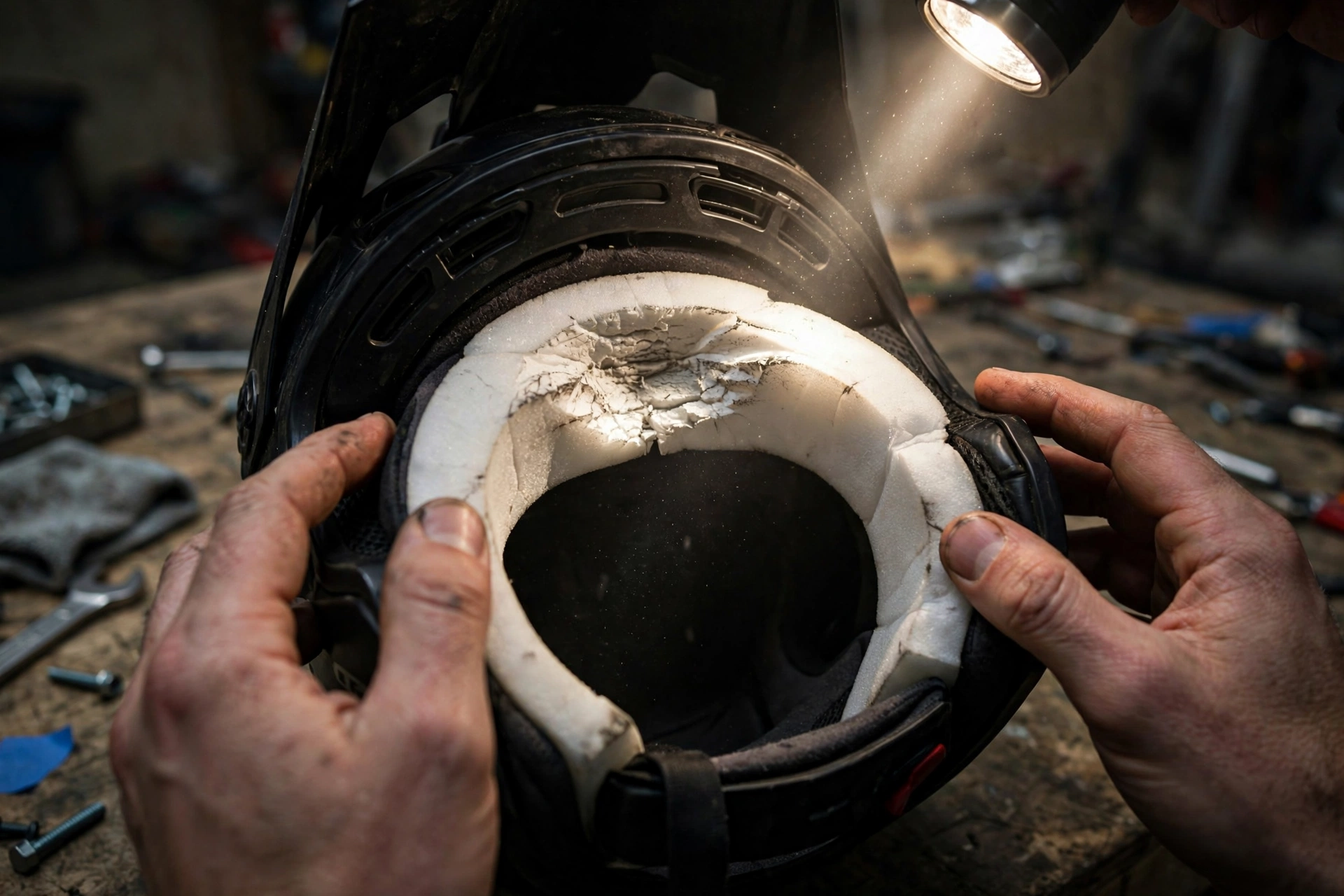
Yes. The energy-absorbing foam liner inside the shell is designed to crush once, permanently, to absorb the energy of an impact. After a crash — a roll, a tumble into hardpack, an ejection into a tree well — that foam may be crushed in one spot while the shell springs back and looks fine. The damage is hidden, and the crushed zone will not absorb a second hit the same way.
The same rule covers hard drops. A helmet that falls from a truck bed or trailer onto concrete has taken a real impact to one point of its liner. Riders argue about small drops onto soft surfaces, and those are judgment calls, but any drop onto a hard surface that you heard from across the yard deserves a serious inspection at minimum.
There is no test you can do at home that proves a crashed helmet is still good. When in doubt, the price of a replacement is small next to what the helmet is for.
How Old Is Too Old for a Snowmobile Helmet?
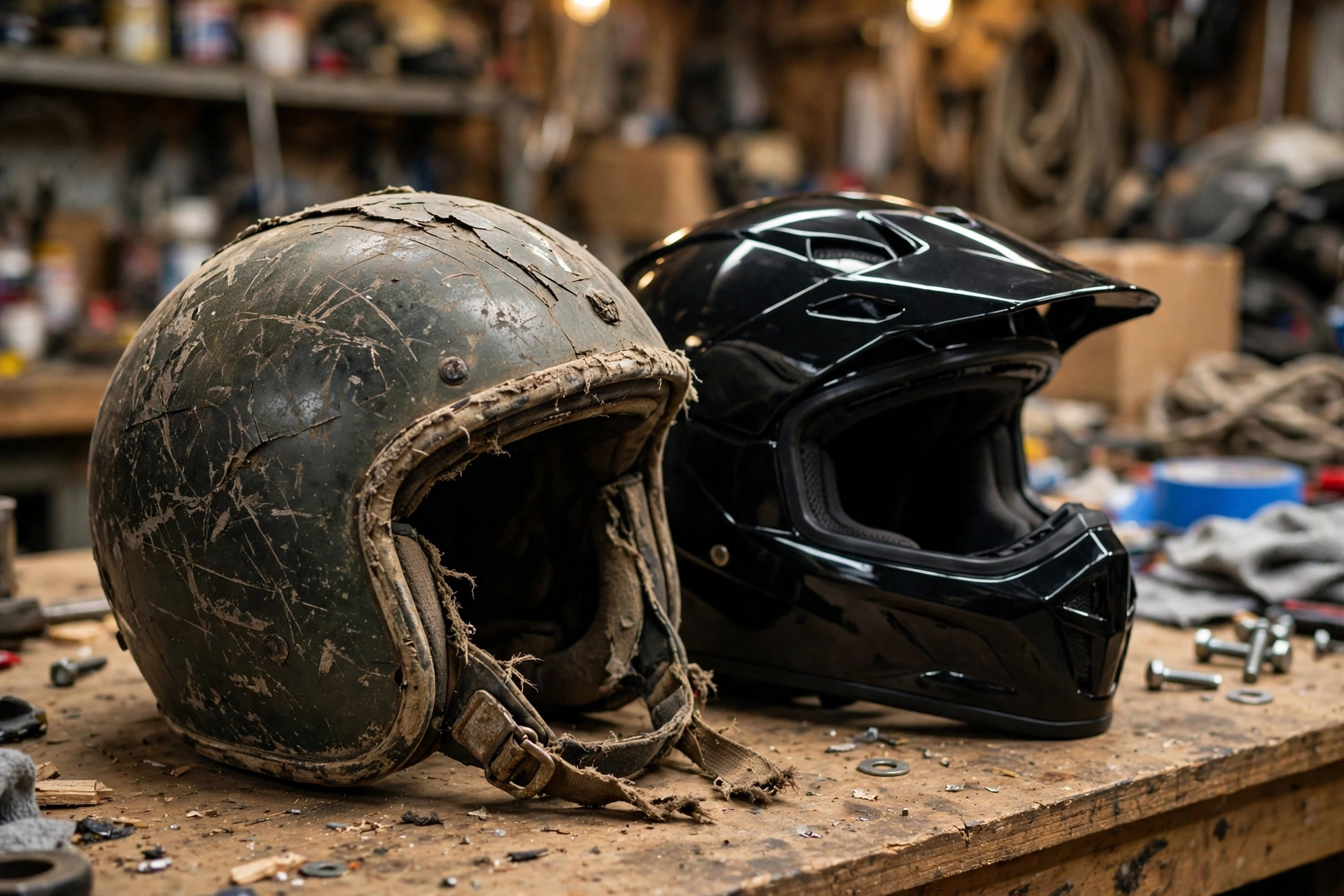
In general terms, makers commonly suggest replacing a helmet after several years of use — often around five — because the materials age even without a crash. The foam liner can slowly become less resilient, comfort padding compresses, adhesives and plastics degrade, and straps and buckles wear.
Snowmobiling adds its own ageing agents. A helmet lives through freeze-thaw cycles, gets put away damp after rides, bakes in a trailer in July, and freezes in the same trailer in January. Moisture in the liner and repeated temperature swings are hard on foams and fabrics, so a snowmobile helmet that is stored badly can age faster than one used more but stored well.
Count seasons of real use rather than birthdays alone. A helmet ridden every weekend for four winters is older, in every way that matters, than a spare helmet worn twice a season for six. When age and wear signs arrive together, believe them.
What Wear Signs Mean It Is Time to Replace?
Fit is the clearest signal. If the helmet has become loose — it rocks, lifts, or turns on your head when it once sat snug — the comfort liner has compressed beyond what washing will restore. A loose helmet shifts in a fall and lets cold air pour in while you ride, so looseness alone justifies replacement.
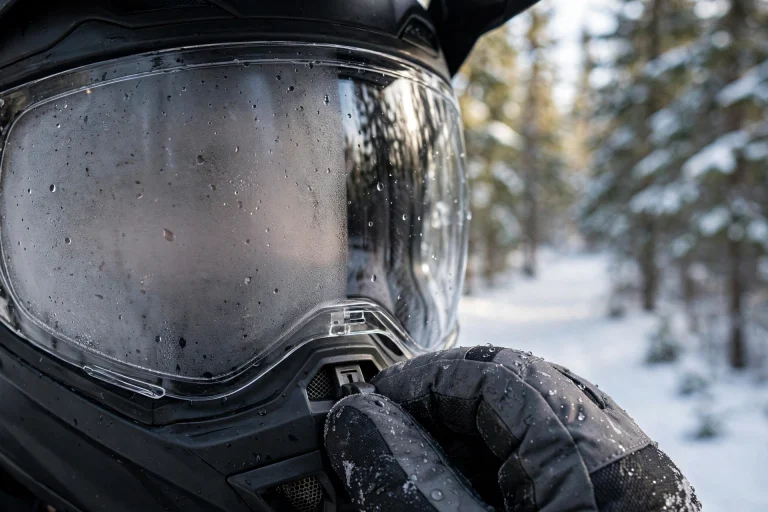
Inspect the working parts. Look for cracked, flaking, or chalky foam under the liner; frayed or stiff straps; a buckle that does not click home positively; a shield whose dual-lens seal has failed so it fogs between the panes; and a breath box or chin curtain that is torn, stiff, or no longer seals. Shell cracks, deep gouges, or brittle, faded vent plastic all say the same thing.
Finally, smell and feel the liner. Padding that stays sour after proper washing, or foam that feels hard and dead instead of resilient, is padding at the end of its life.
Can You Replace Parts Instead of the Whole Helmet?
Often, yes — for comfort and function parts. Comfort liners and cheek pads are replaceable on most helmets and restore fit and freshness. Shields, breath boxes, chin curtains, peaks, and vent sliders are all wear items the makers expect you to renew, and a fresh dual-lens shield can transform a helmet that fogs.
What you cannot replace is the protective core. The energy-absorbing foam is bonded into the shell and is not a service part; if it is crushed, cracked, or aged out, the helmet is finished no matter how new the liner looks. Straps, too, are structural — if they are damaged rather than merely dirty, that is a replacement-helmet conversation, not a parts order.
Use parts to maintain a sound helmet, not to resurrect a finished one. And no repair restores a helmet’s certification story the way a new one does — modern replacements also bring current thinking on energy management, including rotational-impact systems such as MIPS in many models, which an older helmet may predate entirely.
How Do You Choose the Replacement Helmet?
Start from your riding, not the catalogue. Trail riders usually want a warm, well-sealed shield helmet, possibly heated; off-trail riders may prefer a lighter goggle setup. Fit comes before features: a snug, even fit with no pressure points, tried on with your balaclava, matters more than any vent layout.
Check the certification label and buy from a source you trust, and be wary of second-hand helmets — a used helmet’s crash history is unknowable, and that history is exactly what decides whether a helmet still works. A new, modestly priced helmet is a safer buy than a premium one with an unknown past.
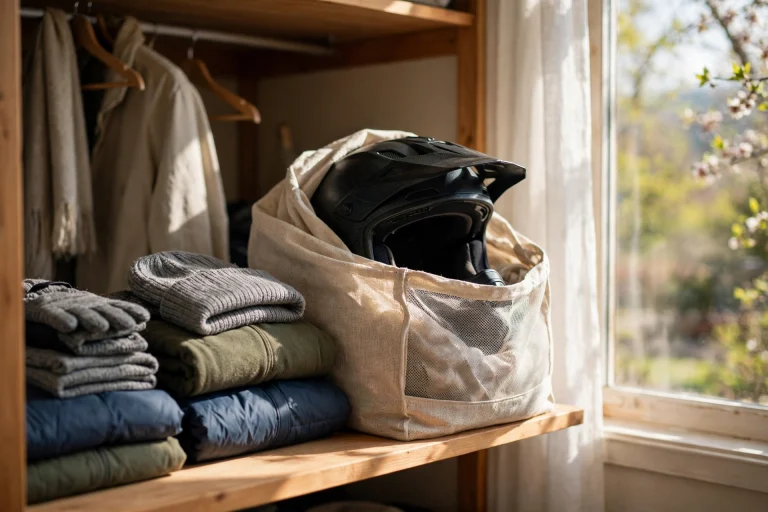
Then look after the new one better than the old: dry it after rides, store it indoors away from heat and chemicals, and keep a rough note of its first season. The helmet you retire on schedule is far cheaper than the one you retire in an ambulance.
Frequently Asked Questions
Q: Can I keep riding in a snowmobile helmet after a small crash?
A: If the helmet hit the ground or any hard surface with your head in it, retire it. Foam crush is often invisible under the shell, and a liner that has absorbed one impact cannot be trusted to absorb the next one the same way.
Q: Does a snowmobile helmet expire if it sits unused for years?
A: Materials age slowly even in storage, and heat, sunlight, and damp speed it up. A helmet stored indoors, cool and dry, keeps its condition far longer — judge a long-stored helmet by fit, foam condition, and straps, not by how rarely it was worn.
Q: My helmet fogs between the shield panes. Does that mean a new helmet?
A: No — that is a failed dual-lens seal, and the shield is a replaceable part. A new shield fixes it. Replace the whole helmet when the liner foam, fit, straps, or shell are the problem instead.

Olivia
Writer at Helmet Today, covering helmet reviews, fit and riding safety.