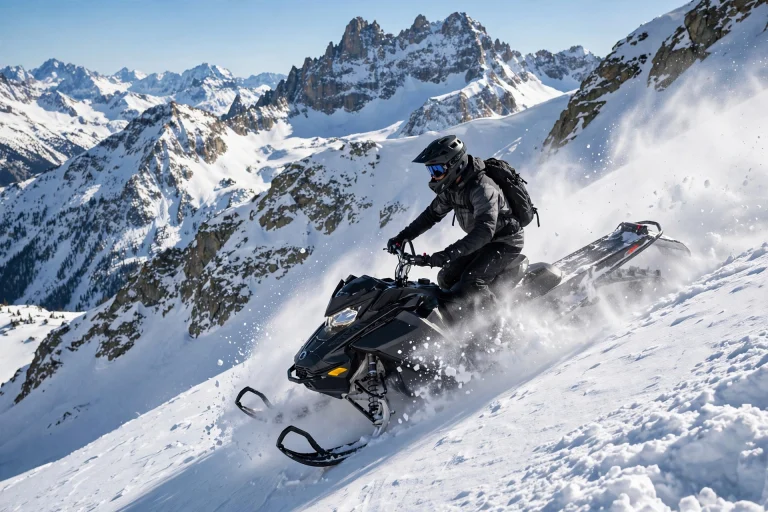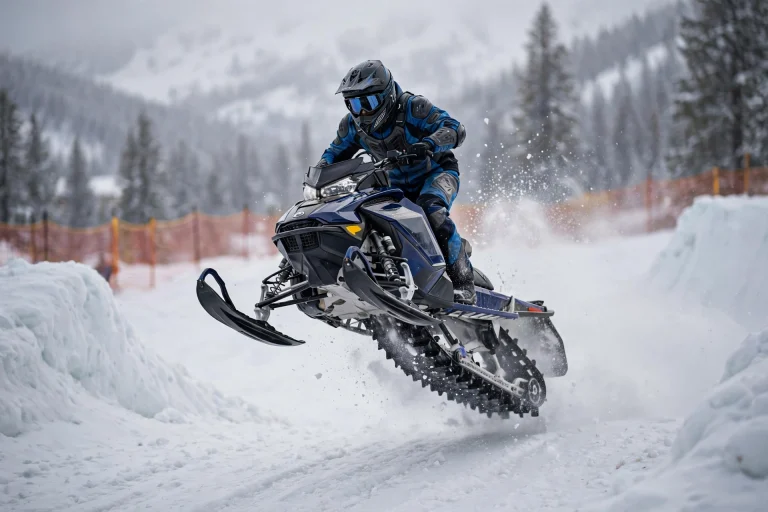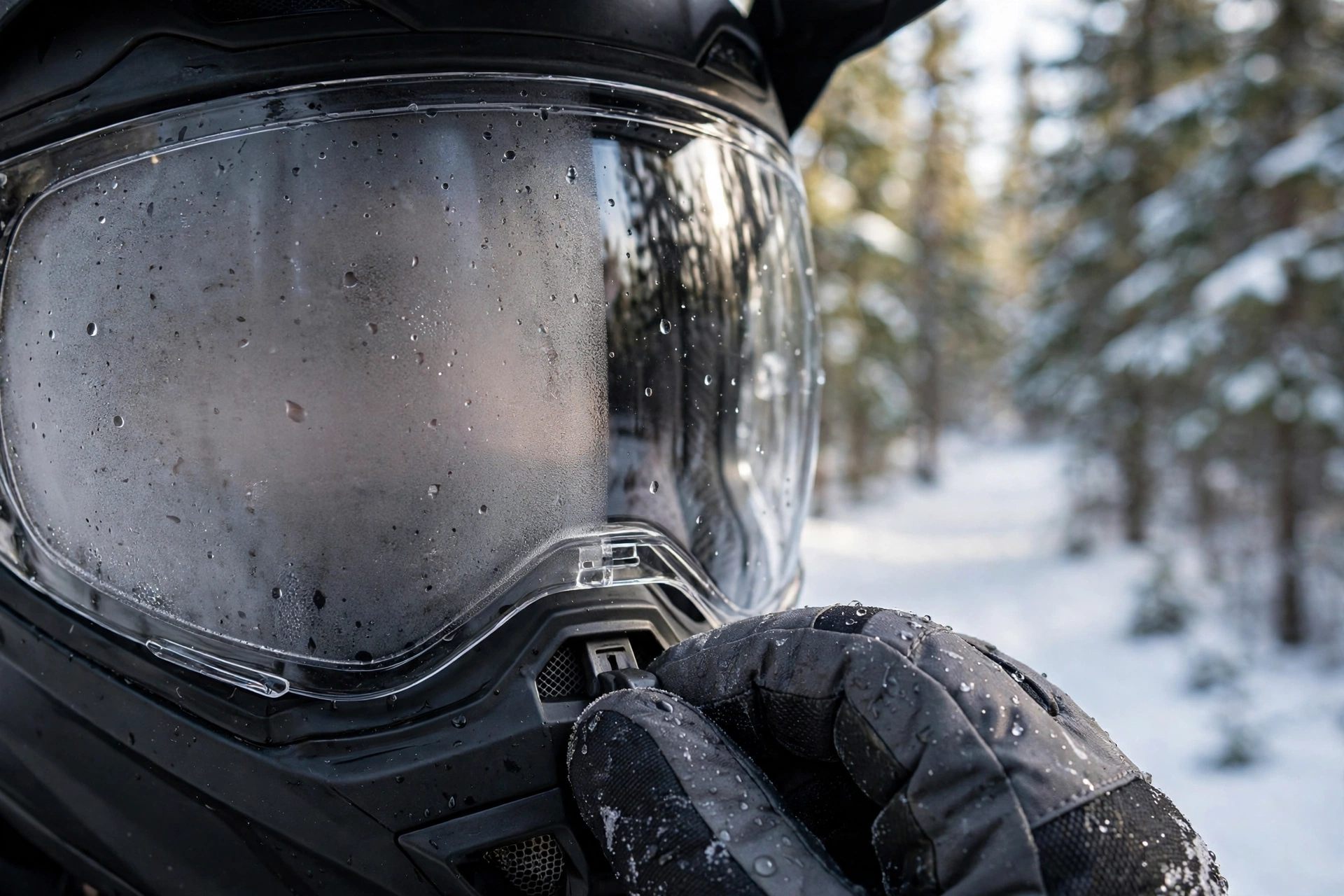
The rule is simple: open your snowmobile helmet vents when you are working hard and overheating, close them when you are cruising fast in deep cold or getting wind-chilled — and manage them actively through the ride, because your effort and speed change far more often than the weather does. Vents are a control you ride with, not a set-and-forget switch.
Riders tend to pick one vent setting in the morning and suffer with it all day. This guide explains how helmet airflow actually works and how to use it as conditions and effort change.
How Does Snowmobile Helmet Ventilation Work?
A snowmobile helmet moves air through a small network: intake vents, usually on the chin bar and forehead or crown, channels in the foam liner that route air over your head, and exhaust ports at the back where the slipstream pulls air out. Moving air enters the front, picks up heat and moisture from your scalp, and leaves at the rear. The faster you go, the harder the system pumps.
Two different jobs run through the same hardware. The chin bar vents mostly serve your breath and face — feeding air to the breath box area and influencing fog. The crown and top vents serve cooling, dumping the heat your head generates. Knowing which vent does which job tells you which one to reach for when a problem appears.
Winter complicates the airflow picture with snow itself. Fine powder gets driven into open intakes, melts against your warmth, and can ice mechanisms or soak liner foam. Good snowmobile vents are designed with this in mind — foam filtering, sheltered exhausts — but a vent left open in a blizzard of powder is still an invitation.
When Should You Ride With Vents Open?
Open them when heat is building: slow technical riding, deep snow, digging out, climbing, and any stop-and-go work where your effort is high and your speed is low. At low speed the vent system barely pumps on its own, so open vents plus your own heat is what keeps air exchanging — and keeps sweat from soaking your liner and balaclava, which would chill you later.
Open vents also help at stops. When you halt after hard riding, your head is still shedding heat and moisture into a now-still helmet, and that moisture is fog looking for a cold surface. Cracking vents — and the shield, if you have one — at stops lets the moisture escape instead of condensing.
Spring riding shifts the balance open. In mild temperatures, the risk flips: overheating and sweat management matter more than wind chill, and many riders run vents open most of the day. Judge by your own temperature, not the calendar — the correct vent setting is the one that keeps you dry and comfortable, because a sweat-soaked rider gets cold fast when the pace drops.
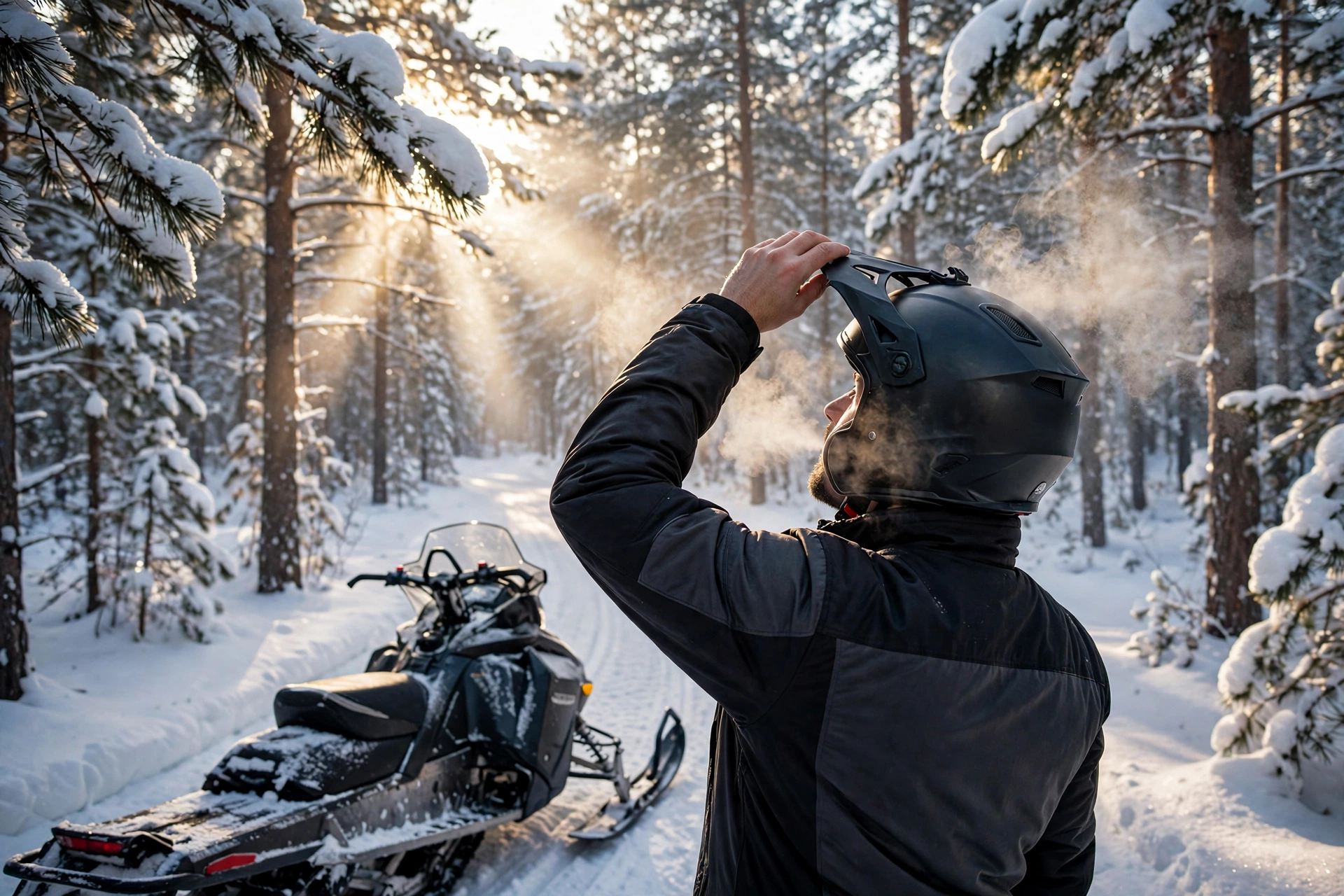
When Should You Close the Vents?
Close them when speed and cold combine: fast trail sections, lake crossings, and any sustained running in deep cold, where open intakes blast frigid air onto your forehead and scalp faster than your body can replace the heat. The symptoms are unmistakable — a cold stripe across the forehead, watering eyes, a creeping headache — and they mean close the top vents now.
Close them in heavy falling or blowing snow, too. Powder driven into intakes melts, wets the liner, and can freeze vent sliders in whatever position they are in. Riding through the storm with vents shut keeps the system dry and working for when you need it later.
And close them when you are cold, full stop — descending after a climb, waiting for the group, riding home at dusk as temperatures fall. This is the phase where the sweat from earlier turns against you, and conserving heat matters more than dumping it. Managing vents is really managing phases: the same ride usually needs both settings at different times.
How Do Vents Interact With Fogging?
Fog is moisture meeting a cold surface, and vents change both sides of that equation. Crown vents that dump warm, moist air from the top of the helmet reduce the total moisture available inside, which helps the shield. Chin vents are double-edged: they can feed the breath box a helpful stream of dry outside air, but poorly directed air can also push your exhaled breath upward toward the lens on some designs.
What vents cannot do is fix a sealing problem. If your breath is leaking past the breath box nose seal straight onto the shield, no vent setting will save the lens — fix the seal first, then use vents for fine-tuning. Similarly, a dual-lens shield with a failed internal seal fogs from inside itself, and vents are irrelevant to that too.
Think of the helmet as a system — seal, lens, vents, and even the way its liner and features like rotational-impact systems such as MIPS are packaged inside a shell that must stay in position to work. Airflow management is one part of keeping that system comfortable enough that you wear it properly fastened, all day, every ride — which is where its protection actually comes from.
How Do You Manage Airflow on a Long Ride?
Build the habit of adjusting at transitions. Leaving the truck, set vents for the first phase — usually closed for a cold trail run out. Starting a climb or a play area, open them before you are hot, not after. Regrouping, crack things open to dump moisture; setting off again into speed, close down. Each adjustment takes two seconds with practice, and doing it at transitions means you are never riding a phase behind.
Learn your helmet’s controls by touch. On the trail you are adjusting with thick gloves, a moving sled, and no mirror — vent sliders you cannot find or operate by feel effectively do not exist. Practice at home with gloves on, and favor helmets whose vents you can work blind.
Use your own signals. Sweat at the hairline means open something; a cold stripe on the forehead means close something; fog beginning at the shield’s lower edge means check the breath seal and chin vents before touching anything else. Riders who read those signals early stay comfortable all day, while riders who ignore them spend the afternoon alternating between roasting and freezing in the same helmet.
Frequently Asked Questions
Q: Should snowmobile helmet vents stay open or closed in very cold weather?
A: Mostly closed at speed, because open intakes in deep cold blast your scalp with frigid air and cause real discomfort. Open them during hard, slow work — digging out or climbing — when your own heat output is high, then close them again when the pace picks up.
Q: Do open vents make a helmet noisier?
A: They can. Open intakes and exhausts give wind more edges and paths, and many riders notice more whistle and roar with vents open at speed. That is one more reason to close them for fast, cold sections — you gain warmth and quiet together.
Q: My vents keep icing shut. What can I do?
A: Powder is usually the culprit — it enters open vents, melts, and refreezes. Ride with vents closed in heavy powder, clear snow from intakes at stops before it melts, and work the sliders occasionally so they do not freeze in place. A helmet stored dry also starts the day with dry, free-moving vents.

Olivia
Writer at Helmet Today, covering helmet reviews, fit and riding safety.