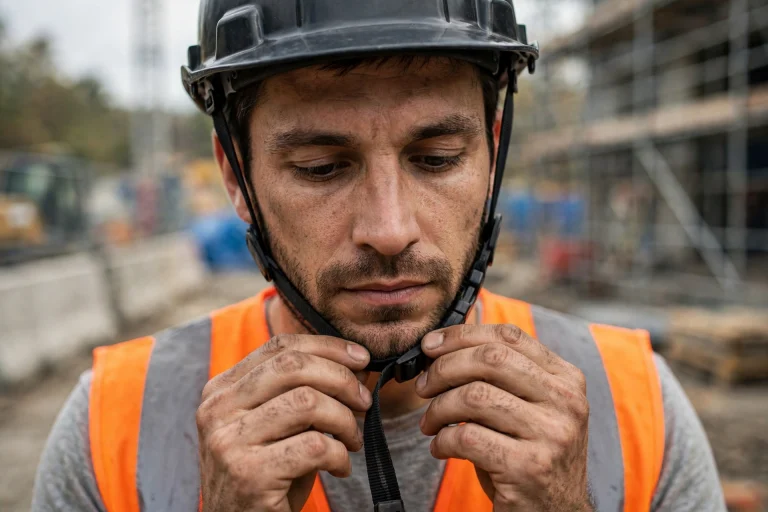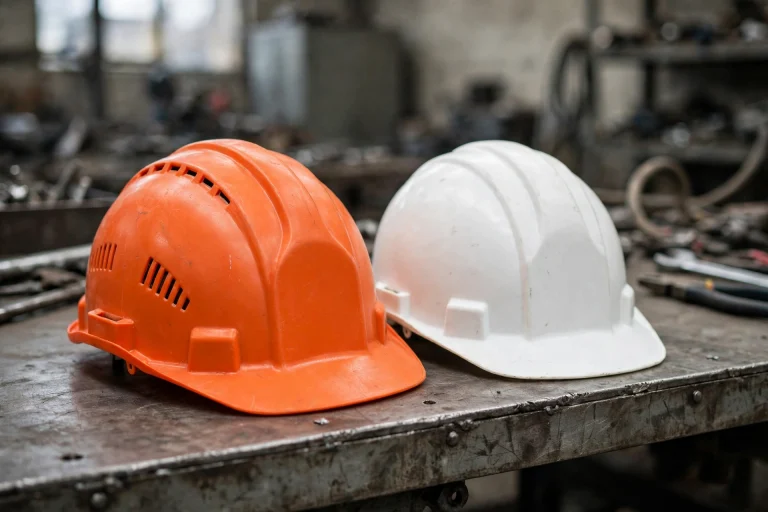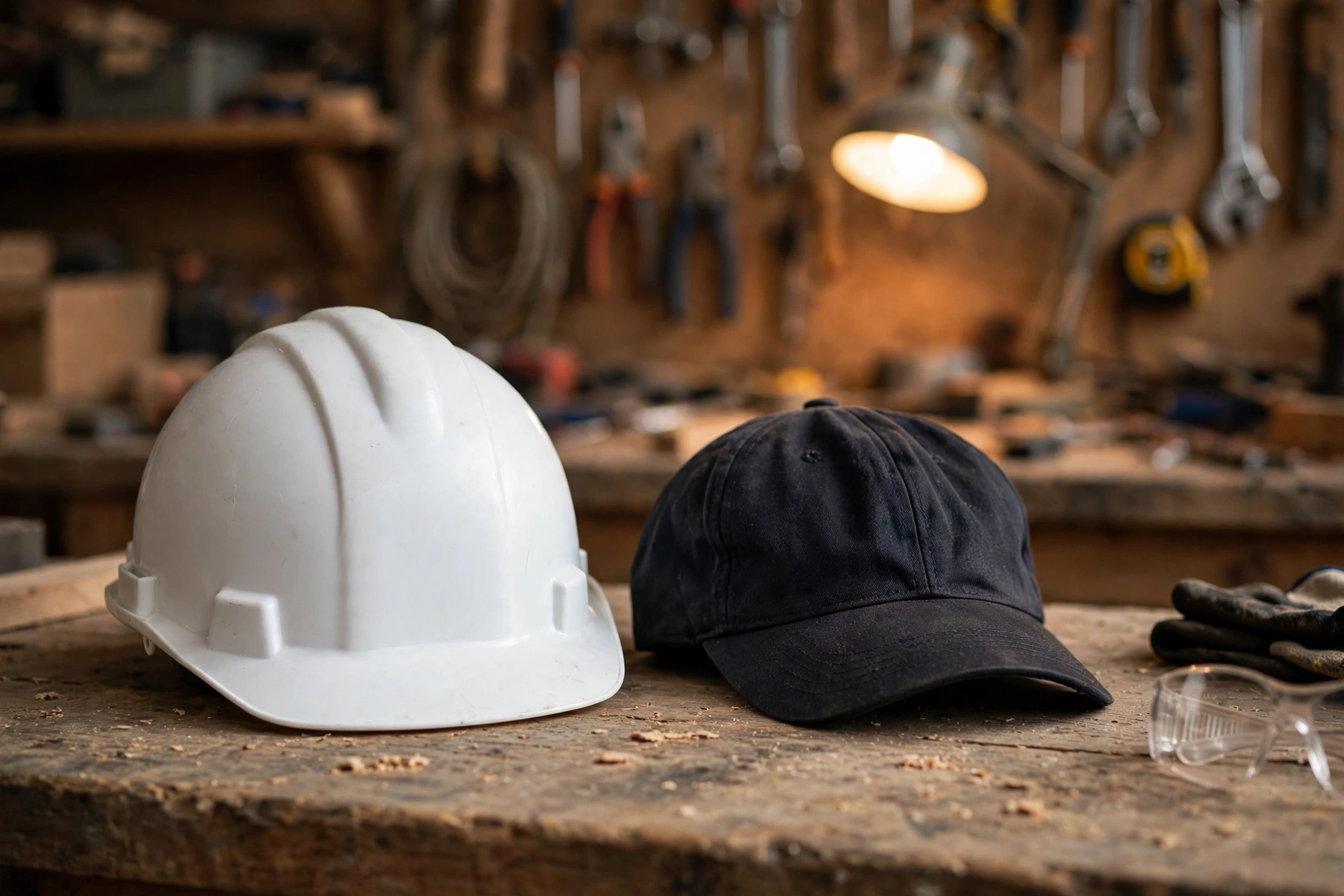
A hard hat is certified protective headwear built to absorb serious impacts — falling objects, heavy knocks, and in some classes electrical hazards — while a bump cap is a lightweight cap with a padded insert that only protects against minor bumps and scrapes when you knock your head on something stationary. If anything can fall on you, you need the hard hat; a bump cap is for workplaces where the only head risk is you walking into things.
The two look superficially similar and are constantly confused, sometimes on purpose in product marketing. This guide sets out what each one is tested to do, and how to tell which your work actually calls for.
What Is a Hard Hat Actually Designed to Do?
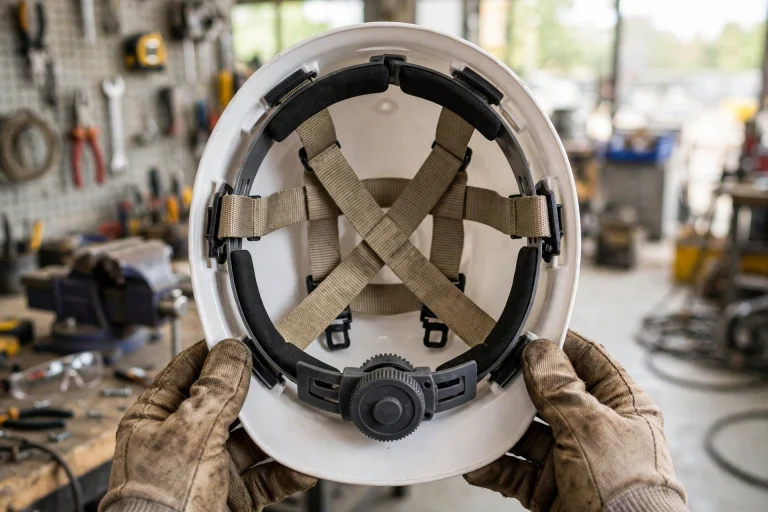
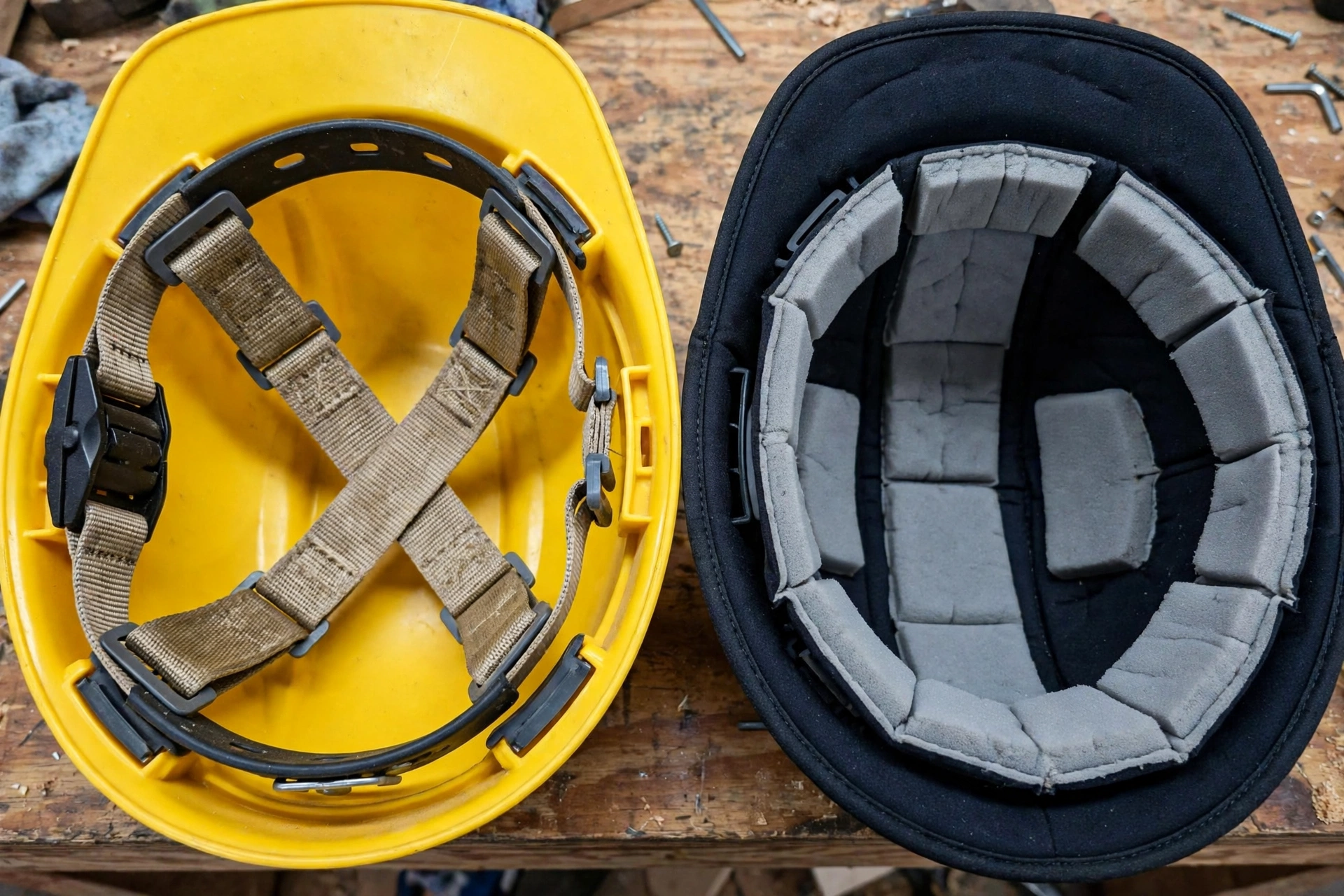
A hard hat is a rigid shell held away from your skull by a suspension system of straps, and that gap is the whole design: a falling object strikes the shell, the shell and suspension spread and absorb the energy, and only a reduced share reaches your head. Hard hats are built and tested against defined impact and penetration forces from objects striking the top of the head, and in some designs the sides as well.
Hard hats also divide into classes by electrical protection in general terms — some are tested to insulate against electrical hazards, others are not and may even be vented or conductive by design. The markings inside the shell tell you the type, class, and standard a given hat meets, and on a regulated site those markings are the difference between a hard hat and a plastic hat.
Because it is certified equipment, a hard hat comes with rules: inspect it, replace it after a significant impact, retire it as it ages, and never modify the shell.
What Is a Bump Cap Designed to Do?
A bump cap is essentially a baseball-style cap with a hard plastic insert and padding inside. It protects the wearer from the low-energy end of head injuries: bumping your head on a low pipe, catching a shelf edge, scraping against machinery. The impacts it handles are the ones where your head moves into a stationary object, not where objects fall onto you.
That narrower job is a real one. Mechanics, warehouse pickers, food-processing workers, and maintenance staff in plants where nothing is stored or lifted overhead genuinely benefit from bump protection, and because a bump cap is light, cool, and looks like ordinary workwear, people actually wear it all shift.
The danger is purely one of mismatch. A bump cap carries no rating for falling-object protection, and wearing one where a hard hat is required gives the appearance of protection without the substance. Some bump caps are made to look deliberately like hard hats, which makes reading the label — not the silhouette — essential.
How Do Their Standards and Testing Differ?
Hard hats are tested to formal industrial standards in general terms: defined weights dropped from defined heights onto the crown, penetration tests with pointed strikers, and for electrical classes, insulation testing — with pass levels set so a certified hat meaningfully reduces the force reaching the wearer’s head. The standard, type, and class are marked inside the hat, and sites that mandate hard hats mandate a standard, not just a shape.
Bump caps are tested to a much lighter standard intended for impacts against stationary obstacles: the energies involved are a fraction of falling-object energies, there is no falling-object or penetration rating, and no electrical class system. A bump cap that meets its standard is doing its job honestly — the standard itself is simply aimed at a different, smaller hazard.
It is worth contrasting both with sports helmets, which are tested for yet another impact profile — a falling wearer rather than falling objects — and which add features industrial hats do not, such as rotational-impact systems like MIPS for angled falls. Every category of head protection is tested for its own accident; none of them substitutes for another.
Which Jobs and Sites Call for Each?
The deciding question is: what can hit your head, and how does it arrive? If objects can fall, be dropped, swing, or be carried overhead — construction, warehousing with racking and forklifts, tree work, utilities, manufacturing with overhead handling — the answer is a hard hat, and in general terms regulated sites will specify the type and class. If the layout also puts electrical hazards near your head, the hat’s class matters as much as its presence.
If nothing is overhead and the risk is entirely self-inflicted bumps — low doorways, vehicle interiors, plant rooms, shelf edges, working under vehicles or machinery — a bump cap is the proportionate tool, and its comfort advantage means it gets worn. Many employers formalize this with a site assessment that zones areas: hard hat zones where overhead work happens, bump cap zones where it does not.
When in doubt, the assessment rules, not habit. Workers sometimes prefer bump caps everywhere because they are cooler and lighter, but preference does not change the physics of a dropped tool. If your site says hard hat, wear a hard hat — and if you genuinely believe a zone is misclassified, raise it through the safety process rather than downgrading your protection.
Can a Bump Cap Ever Replace a Hard Hat?
No — not where a hard hat is required, and not where falling-object risk exists. There is no version of “the light option is fine” that survives a falling-object impact: the bump cap’s insert and padding are designed for energies far below what a hard hat’s shell and suspension absorb, and it offers no tested protection against penetration or electrical hazards at all.
The reverse substitution is legal but impractical: you may wear a hard hat in a bump-cap zone if you like, and some workers do when moving between zones all day. The cost is comfort — more weight, more heat, a bulkier profile in tight spaces — which is exactly the trade the bump cap exists to solve in its own territory.
The honest summary is that neither is “better.” They are answers to two different questions, and nearly every head-injury story involving the wrong one starts with someone treating them as interchangeable. Read the label, match the protection to the hazard, and replace either one after it has taken the kind of hit it was built for.
Frequently Asked Questions
Q: How can I tell a bump cap from a hard hat at a glance?
A: Check the label, not the look. A hard hat is a rigid shell on a suspension, marked with its standard, type, and class inside. A bump cap is a soft cap shape with an insert, marked to the lighter bump-cap standard — and some bump caps are styled to resemble hard hats, so the markings are the only reliable test.
Q: Is a bump cap better than nothing on a construction site?
A: It protects against minor bumps, but it is not a substitute where a hard hat is required, and wearing one can create false confidence around falling-object hazards it cannot handle. On a construction site, wear the hard hat the site specifies.
Q: Do hard hats and bump caps need replacing after an impact?
A: Yes, in principle for both. A hard hat that takes a significant impact should be replaced even if it looks undamaged, and both types age and should be inspected regularly and retired per the maker’s guidance. Protective equipment that has done its job once has spent what it had.

Olivia
Writer at Helmet Today, covering helmet reviews, fit and riding safety.