For stand up paddleboarding, a helmet matters far more on the river than on the ocean: on moving water, with rocks, current, and a hard board around you, a watersports helmet is strongly sensible, while on calm ocean water most paddlers reasonably go without one and rely on a leash and a buoyancy aid instead. The dividing line is simple — the harder and faster the water around you, the stronger the case for protecting your head.
SUP looks gentle, and on flat water it usually is. But paddleboards are big, hard, and attached to you by a leash, and rivers add current that can sweep a fallen paddler into rock. This guide compares the river and ocean cases honestly, then explains what to look for if you decide to wear one.
Do You Need a Helmet for Stand Up Paddleboarding at All?
It depends entirely on where you paddle. A helmet is head protection against hard impacts, so the question is really: what hard things could your head meet, and how likely is a fall? On a calm lake or sheltered bay, falling means landing in open water away from obstacles, and the honest risk is low — which is why most casual paddlers there do not wear one.
The other hard thing in SUP is the board itself. A paddleboard is large and rigid, and in a fall it can be thrown by wind or washed back at you, while your paddle adds another hard edge. That risk exists everywhere, but it rises sharply in surf, wind, and moving water, where falls are harder and the board moves faster.
So the practical answer is by environment, not by sport. Calm, deep, uncrowded flat water: a helmet is optional for most adults. Anything with current, rocks, surf, traffic, or shallow hard bottom: the case becomes strong. The next two sections take the two settings in turn.
Why Do River Paddleboarders Wear Helmets?
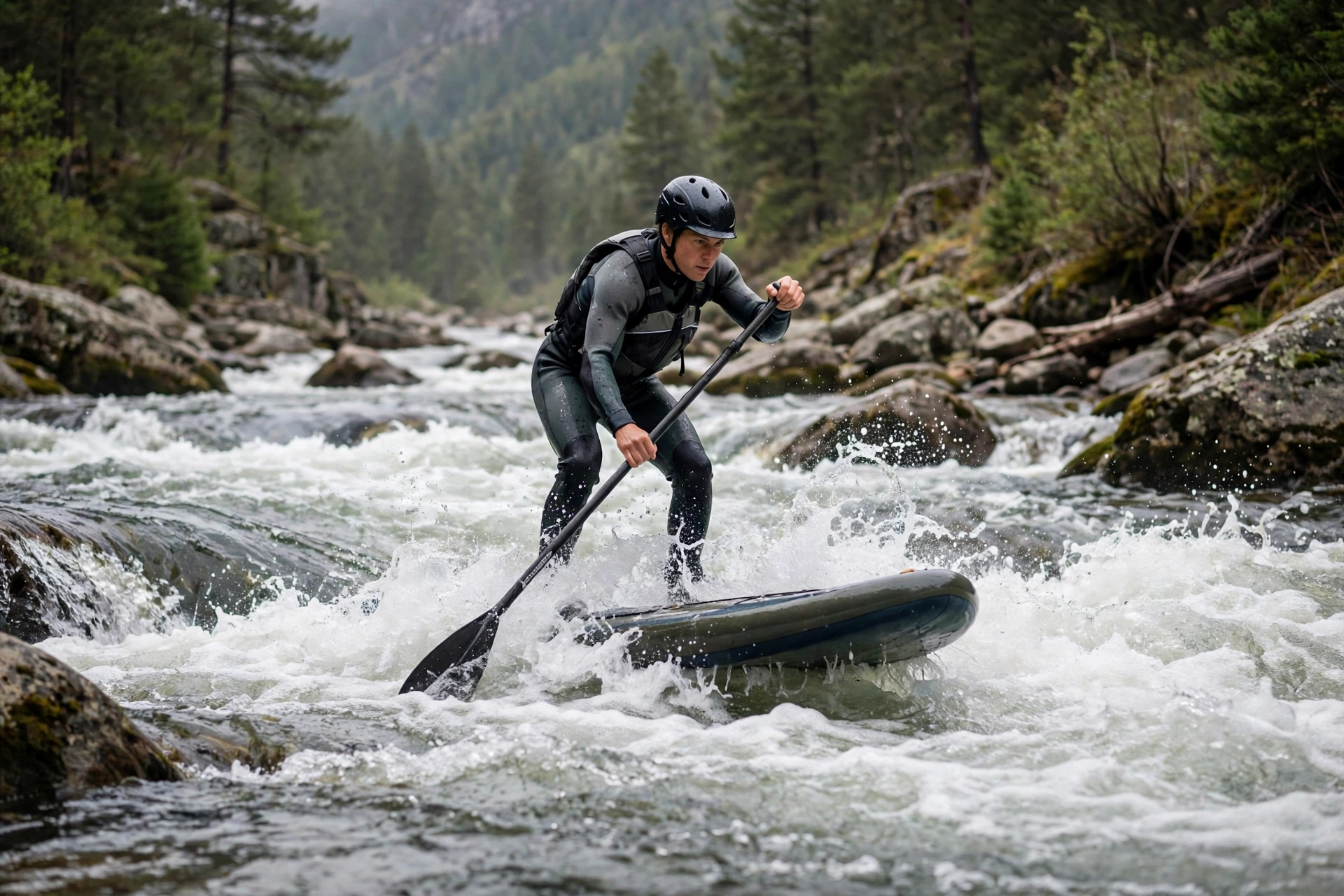
Because rivers combine every risk at once. Moving water has real force: if you fall, the current can carry you feet-first downstream and swing you against rocks you never saw from the board. Unlike a swimmer, a paddleboarder falling from standing height hits the water with more speed, close to a big board that the current can push into them.
River bottoms are also unforgiving. Shallow rapids, boulders, bridge footings, and fallen trees all sit in the path of a swimmer being carried along, and a knock to the head in current is far more serious than the same knock on still water, because it can leave you dazed in moving water. That combination is why, in general terms, organised river SUP, whitewater SUP, and downriver racing treat helmets as standard kit alongside a buoyancy aid and a quick-release leash.
The leash point matters on rivers. A standard ankle leash can snag on rocks and branches, so river paddlers typically use a quick-release waist leash that can be freed under load. Helmet, buoyancy aid, and the right leash work as one safety system — none of them replaces the others.
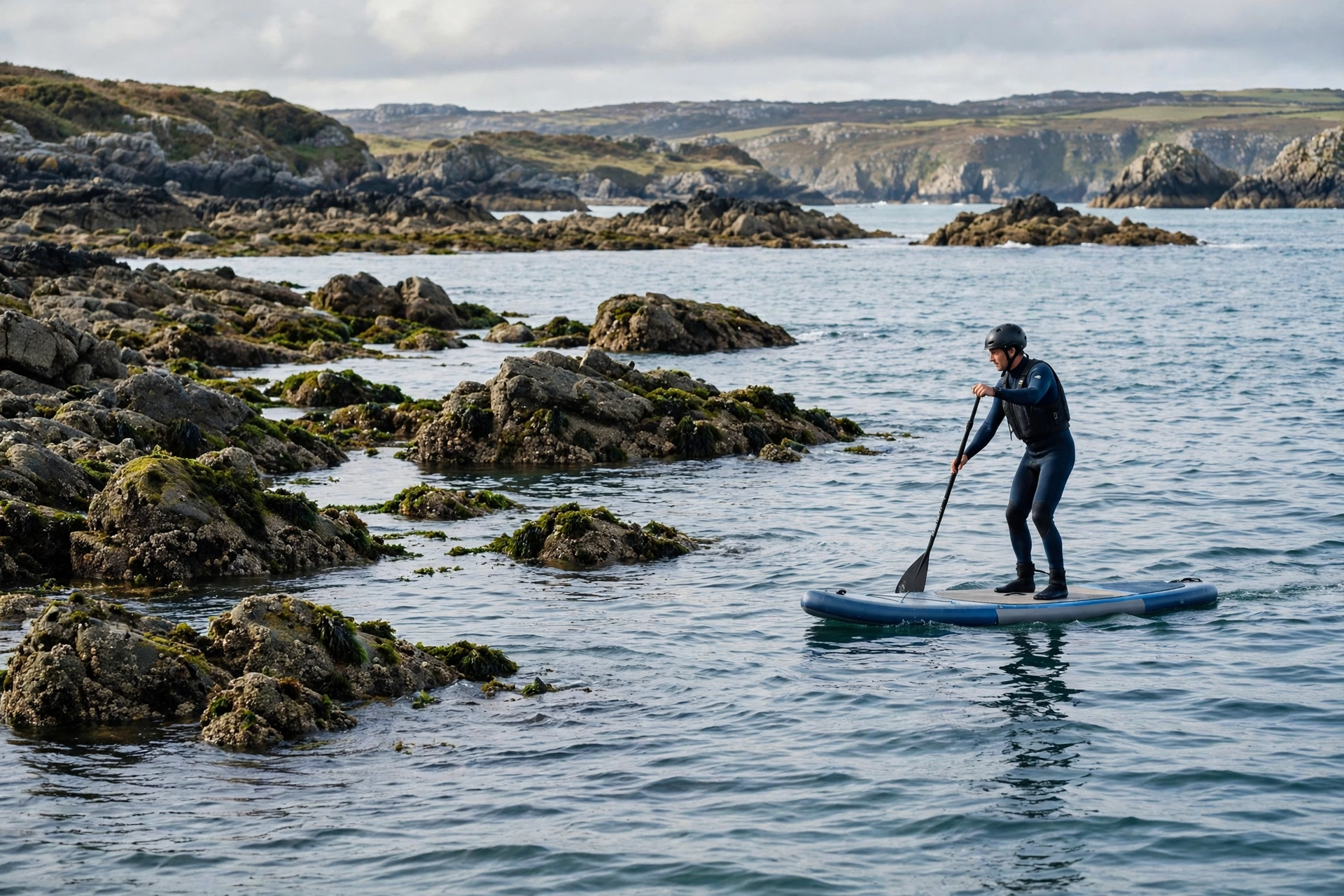
When Does a Helmet Make Sense on the Ocean?
Ocean SUP covers a wide range, and the helmet case grows with the energy of the water. At one end — calm bays, gentle touring along a soft shoreline, SUP yoga in sheltered water — falls are slow, water is deep, and most paddlers sensibly skip a helmet and prioritise a leash and, where conditions call for it, a buoyancy aid.
At the other end, the picture changes. SUP surfing puts you on breaking waves over what may be a shallow or rocky bottom, falling alongside a large board in churning water — a setting much closer to the river case. Downwind runs in strong wind and chop also raise the stakes: falls are frequent, the board can be blown back hard, and you may be far from shore. Busy harbour entrances and areas with boat and jet-ski traffic add collision risk on top.
A reasonable ocean rule is this: if you are surfing waves, paddling over reef or rock, heading out in rough downwind conditions, or learning in a crowded surf zone, a helmet earns its place. For gentle flat-water cruising, it is a personal choice most paddlers decline.
What Kind of Helmet Should a Paddleboarder Choose?
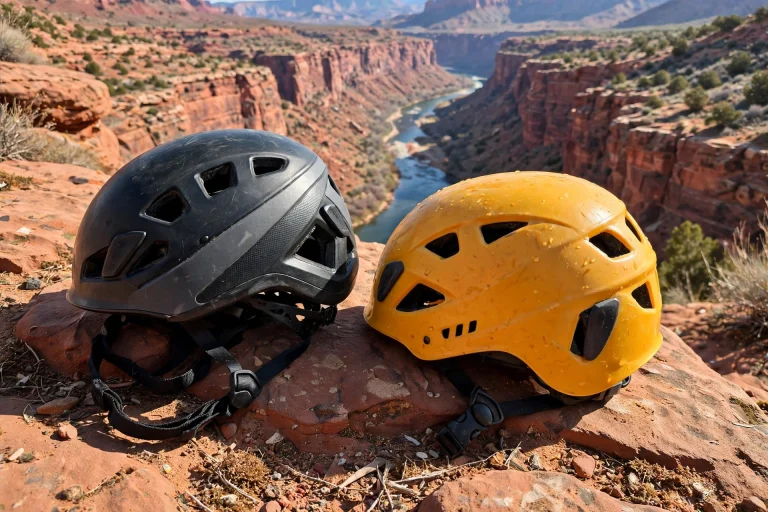
Choose a helmet made for watersports, with closed-cell foam that does not absorb water, a shell and drainage suited to repeated immersion, and a strap system that keeps it secure in a swim. In general terms, look for a label showing it meets a recognised standard for watersports or whitewater use, and check the maker’s stated purpose rather than trusting looks alone.
Fit should be snug and level, staying put when you shake your head and when you push it firmly — remembering that on a river it must stay on while current tugs at you. Many water helmets use pad kits or an adjustment dial to fine-tune fit, and ear coverage is common for river use, protecting the ears and helping the helmet stay positioned.
Think about how angled impacts are handled, too. A swim in current rarely delivers a neat, straight blow; more often your head glances off rock or board at an angle. Reading up on what MIPS is for helmets explains how rotational-protection systems try to reduce the twisting forces in those glancing hits. Such systems are a plus where offered, but secure fit and a proper watersports rating remain the essentials.
How Do You Look After a Paddleboarding Helmet?
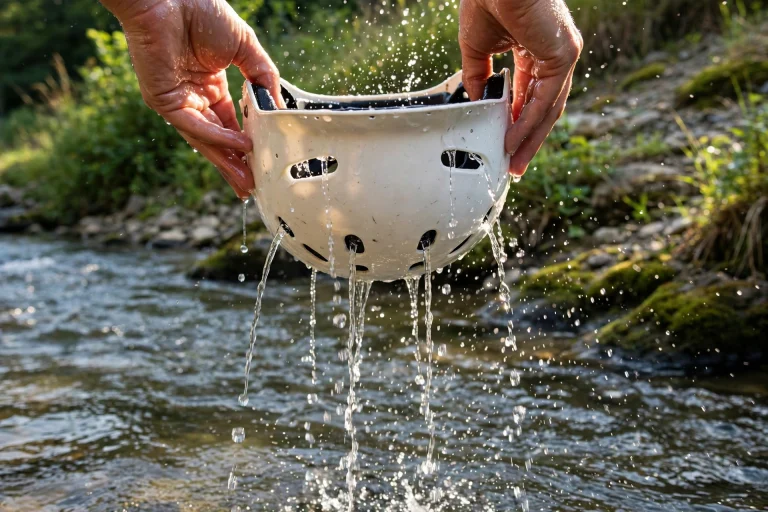
Rinse it in fresh water after every session, especially after salt water, and let it dry fully out of direct sunlight before storing it. Salt, sand, and grit work into straps and padding, and steady sun ages shells and foams, so a shaded, ventilated spot indoors is the best home for it.
Inspect it regularly: straps for fraying, the buckle for firm hold, padding for compression that has loosened the fit, and the shell for cracks or deep damage. Replace it after any hard impact, even one that leaves no visible mark, because foam that has crushed once may not protect the same way again.
In general terms, a well-kept watersports helmet gives several seasons of service, but river paddlers who hit rocks regularly should judge by condition, not the calendar. If the fit has gone loose or the shell is battered, the helmet has already told you it is time.
Frequently Asked Questions
Q: Is a helmet more important than a buoyancy aid for SUP?
A: No — they do different jobs. A buoyancy aid keeps you afloat, a leash keeps your board close, and a helmet protects your head. On rivers, all three are standard together.
Q: Can I use a bike helmet for paddleboarding?
A: It is a poor fit for the job. Bike helmets are not made for repeated immersion, can soak up water, and lack the secure retention watersports helmets are designed with. A water-rated helmet is the better choice.
Q: Do children need a helmet for paddleboarding?
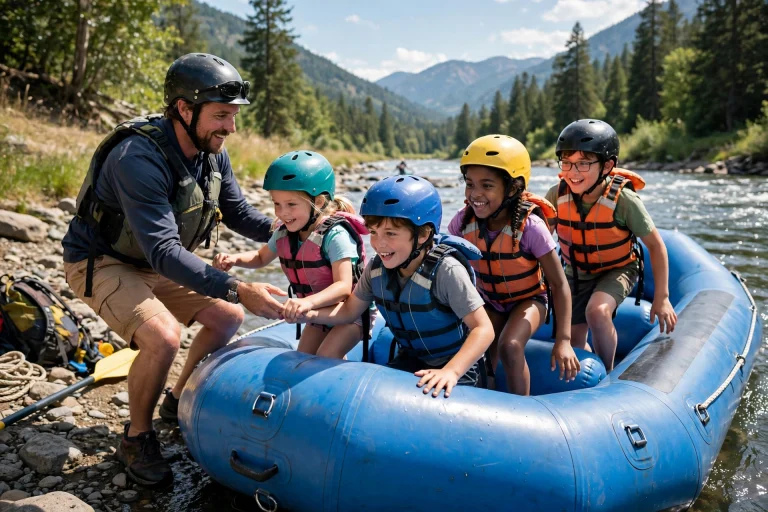
A: On rivers, surf, or anywhere with rocks and other boards around, a properly fitting watersports helmet is a sensible choice for children. On calm flat water it remains a judgement call for parents, alongside a buoyancy aid and supervision.

Olivia
Writer at Helmet Today, covering helmet reviews, fit and riding safety.