In general terms, no — a climbing helmet is not a good substitute for a whitewater helmet, because it is designed for a different job: protecting mainly the top of the head from falling debris and knocks against rock while standing or climbing, not for repeated immersion, strong current, and side impacts during rolls and swims. On calm, deep water it is better than nothing in a pinch, but on real whitewater you should wear a helmet made for the river.
This guide explains how the two designs differ, why the differences matter in current, and the narrow situations where the honest answer is “it depends”.
What Is a Climbing Helmet Designed to Do?
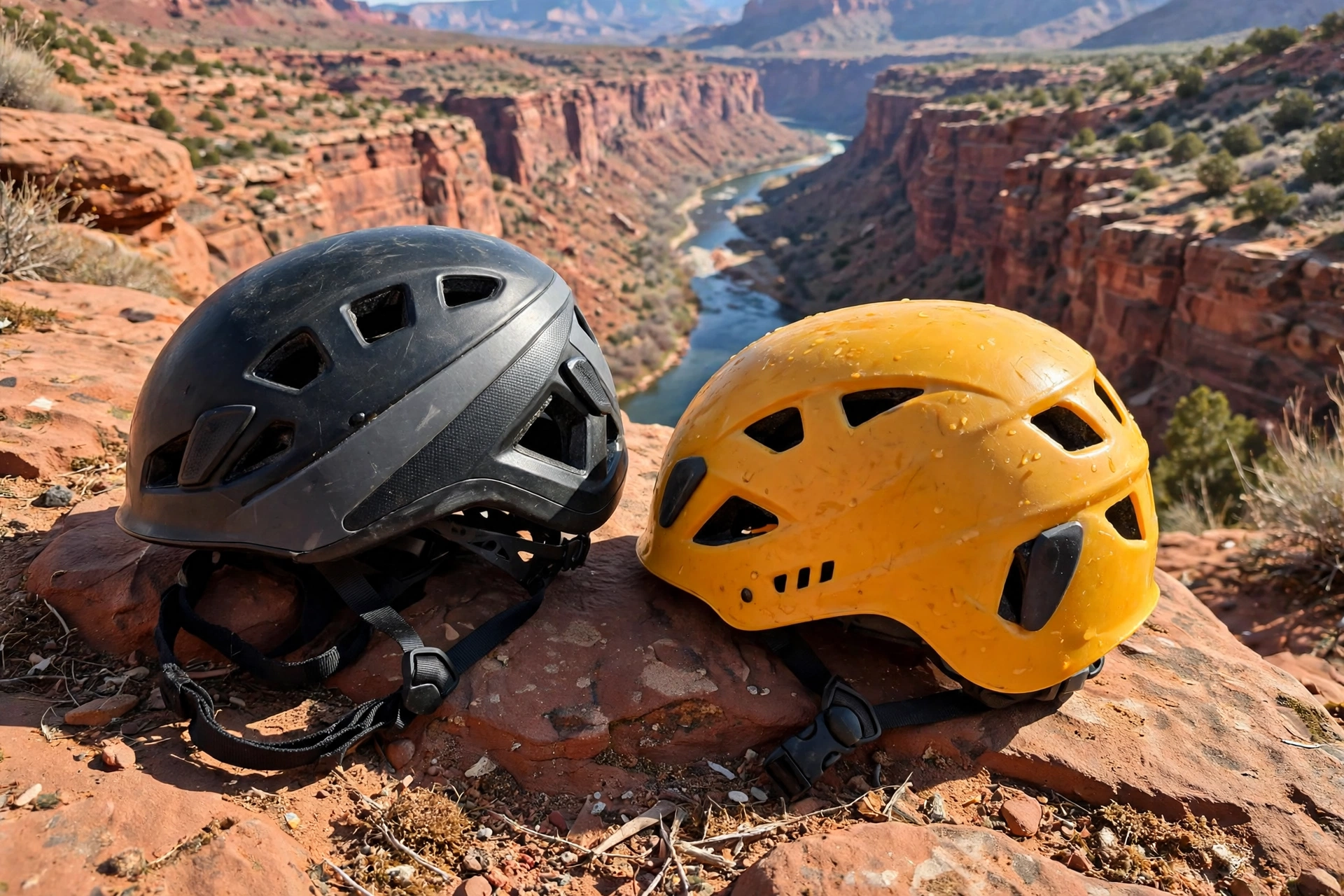
A climbing helmet is built around falling objects and vertical life. Its classic job is to shield the crown — the top of the head — from stones, ice, and dropped equipment falling from above, and to cushion knocks when a climber swings into the rock face. Coverage reflects that: many climbing helmets sit high, protect the top thoroughly, and cover the sides and back less than a paddling helmet does.
The construction matches the mountain, not the river. Ventilation is generous because climbers overheat on long approaches. Straps and buckles assume dry hands and no current. Many models use a hard shell over foam; others use a lightweight foam construction closer to a bike helmet’s, designed around a significant impact followed by replacement.
None of that is a flaw. A climbing helmet is excellent equipment — for climbing. The problems start only when a design brief written for altitude meets moving water.
How Does a Whitewater Helmet Differ in Design?
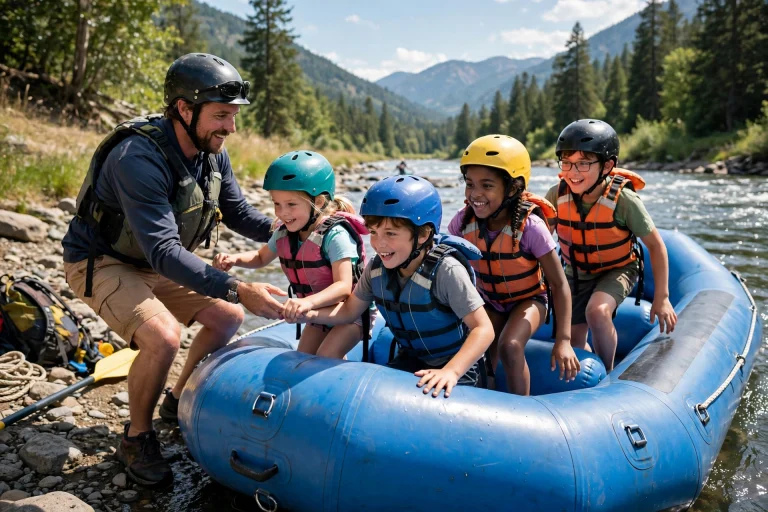
A whitewater helmet assumes your head will go underwater, repeatedly, surrounded by rock. Its coverage runs lower — over the ears and further down the back of the head — because rolls and swims put the sides of the head against boulders at close range. Its retention is built to keep the helmet in place against current tugging at it from every direction while you are upside down or swimming.
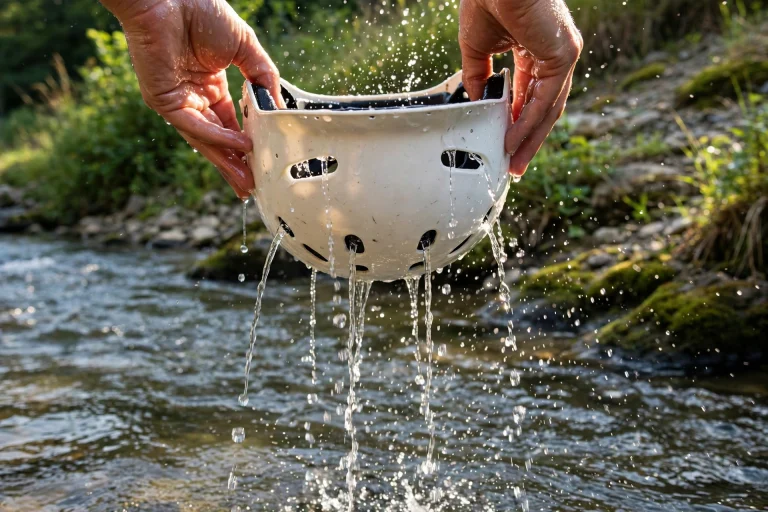
Its materials are chosen for immersion: foams and liners that tolerate being soaked daily without degrading, drainage that clears water in seconds, and straps and fittings that survive constant wetting. Many whitewater liners are also made to handle repeated smaller knocks across a season, where some climbing constructions are nearer to one big hit and done.
- Coverage: climbing emphasises the crown; whitewater covers ears, sides, and back
- Retention: whitewater fit is locked against current; climbing fit assumes air
- Materials: whitewater foam and straps are made for daily soaking; climbing gear is not
- Drainage: essential on the river; irrelevant on the crag
Standards differ for the same reason: each helmet is tested against the hazards of its own sport, and a pass in one test says nothing about the other environment.
What Goes Wrong in Moving Water?
Start with position. In a roll or a swim, a climbing helmet’s higher, looser fit can be pushed back off the forehead or tipped by the current, leaving exactly the areas the river targets — forehead, temples, ears — exposed at the moment they meet rock. A helmet displaced is barely better than no helmet, and adjusting it mid-rapid is not an option.
Then consider the water itself. A climbing helmet’s open vents and absorbent padding take on water and hold it, adding weight and drag to every roll. Its straps, never designed for immersion, can stretch and slip when soaked, loosening the fit further through the trip.
Finally, impact pattern. River hits come from the side and back as often as from above, angled and twisting as the helmet slides on rock — the rotational side of impact that modern helmet design studies, as set out in this explanation of what MIPS is for helmets. A crown-focused climbing lid is simply not shaped or retained for that pattern of abuse.
Are There Any Situations Where It Is Acceptable?
The honest exceptions are at the gentlest end of paddling. On a deep, slow river or lake with no rapids, no shallows, and no realistic chance of striking rock, a climbing helmet worn snugly is better than a bare head against an unlikely knock — the same logic as any helmet being better than none for a one-off, low-risk outing. Some expedition paddlers on remote flatwater have made exactly that pragmatic choice when one helmet had to be carried.
The line is moving, rocky water. The moment your trip includes rapids, shallow rock gardens, surf, or swimming in current, the substitution stops being pragmatic and becomes a false economy: the hazards are precisely the ones the climbing helmet was not built for.
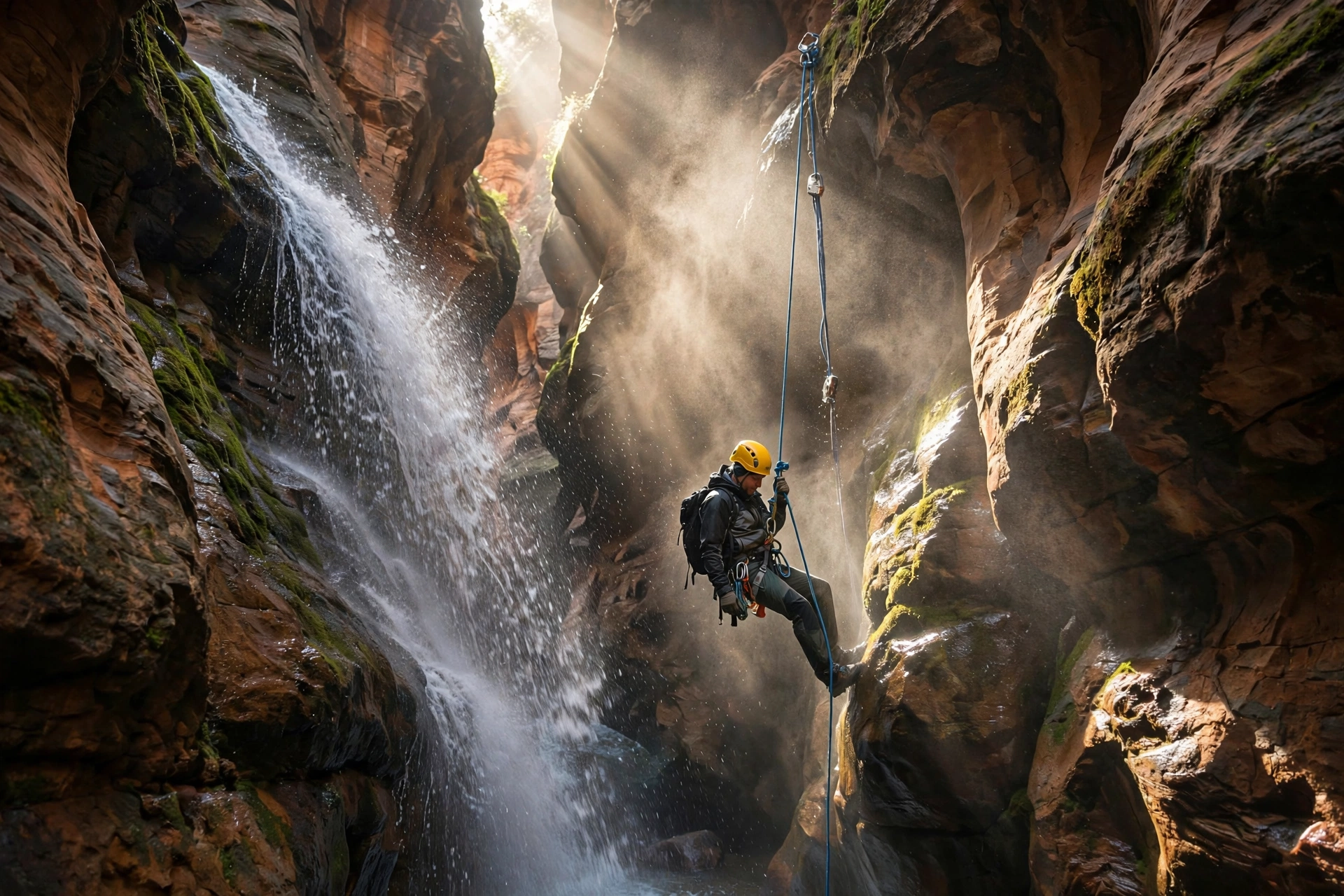
Canyoning deserves a mention, because it straddles both worlds — and notably, canyoners overwhelmingly choose watersport or dedicated canyoning helmets with drainage and immersion-proof construction for the wet sections, treating the climbing lid as the wrong tool even in a sport that also climbs. That should tell a paddler something.
What Should You Do If You Paddle and Climb?
Own both, and keep each for its own job. Helmets are among the cheaper items of safety kit in either sport, and each is compromised the moment it is asked to do the other’s work. A whitewater helmet also dislikes mountain use: its low coverage and minimal ventilation make it hot and awkward on a climb, and it is not tested for falling-rock strikes from height.
When you buy the whitewater helmet, apply the river’s checklist: coverage over ears and back of head, a locked fit proven by shake and roll tests, quick drainage, immersion-proof straps, and condition with no crash history. When you store the climbing helmet, keep it for the crag and inspect it by climbing’s rules.
If budget truly forces a sequence, buy the helmet for the sport you do most, and borrow or hire the correct helmet for the other until you can own both. Borrowing the right design beats owning the wrong one in both sports.
Frequently Asked Questions
Q: Is a climbing helmet better than no helmet on whitewater?
A: On gentle, deep water with minimal rock risk, yes, a snug climbing helmet beats a bare head. On rapids, shallow rocky water, or anywhere you might swim in current, it can shift, soak, and leave the sides of your head exposed — wear a proper whitewater helmet there.
Q: Can I use my whitewater helmet for climbing instead?
A: It is not a good swap in that direction either. Whitewater helmets are not designed or tested for falling-rock impacts from above, their low coverage and padding make them hot and clumsy on climbs, and their ventilation is poor for mountain exertion. Use each helmet for its own sport.
Q: What about a skate or bike helmet for whitewater?
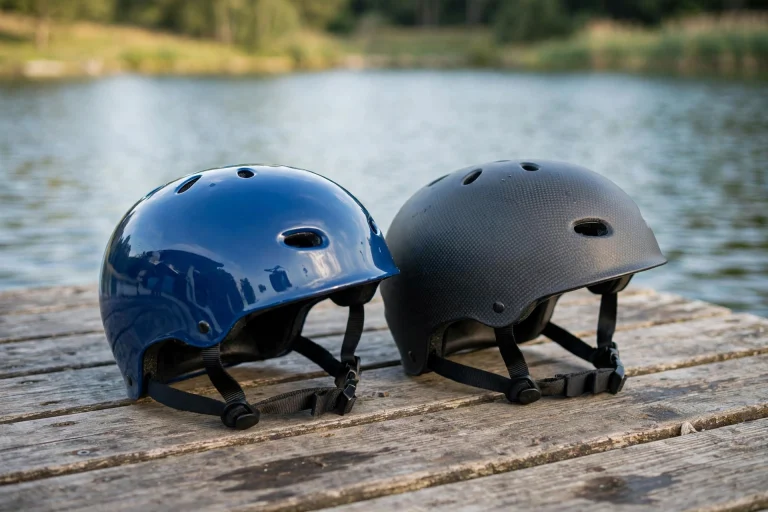
A: The same principle applies, only more so. Bike helmets are single-impact land designs not built for soaking, and their straps and foams behave badly in water. Skate helmets cover more but are still not made for immersion or current. Watersports helmets exist for a reason; use one.

Olivia
Writer at Helmet Today, covering helmet reviews, fit and riding safety.