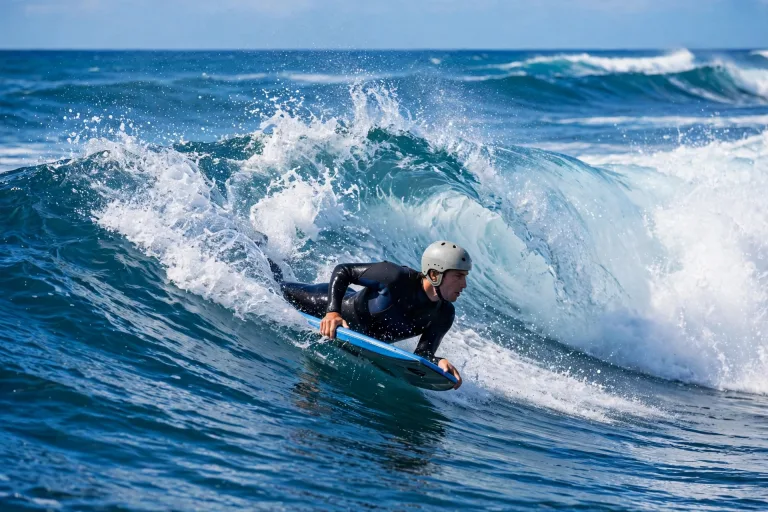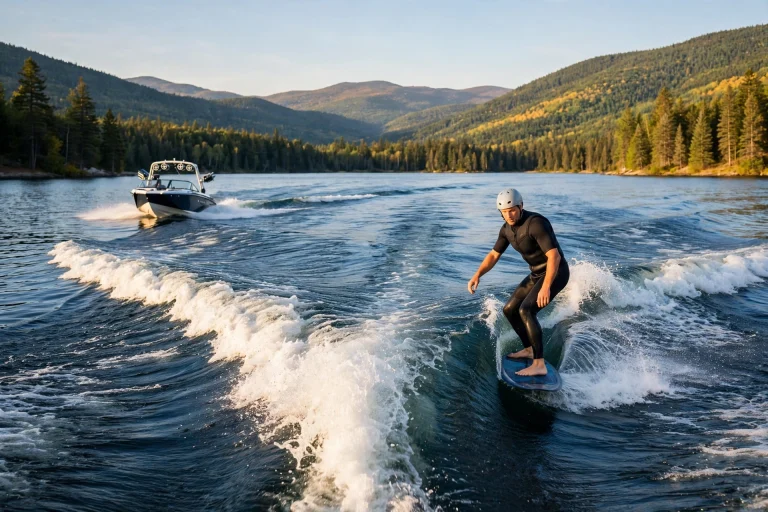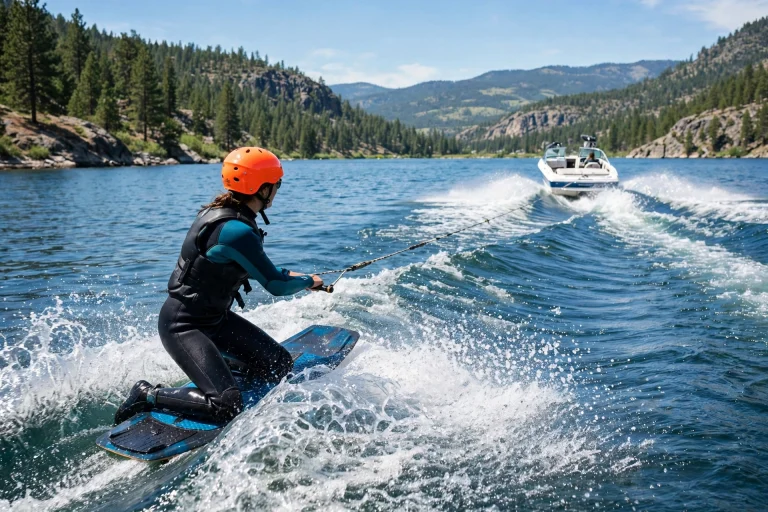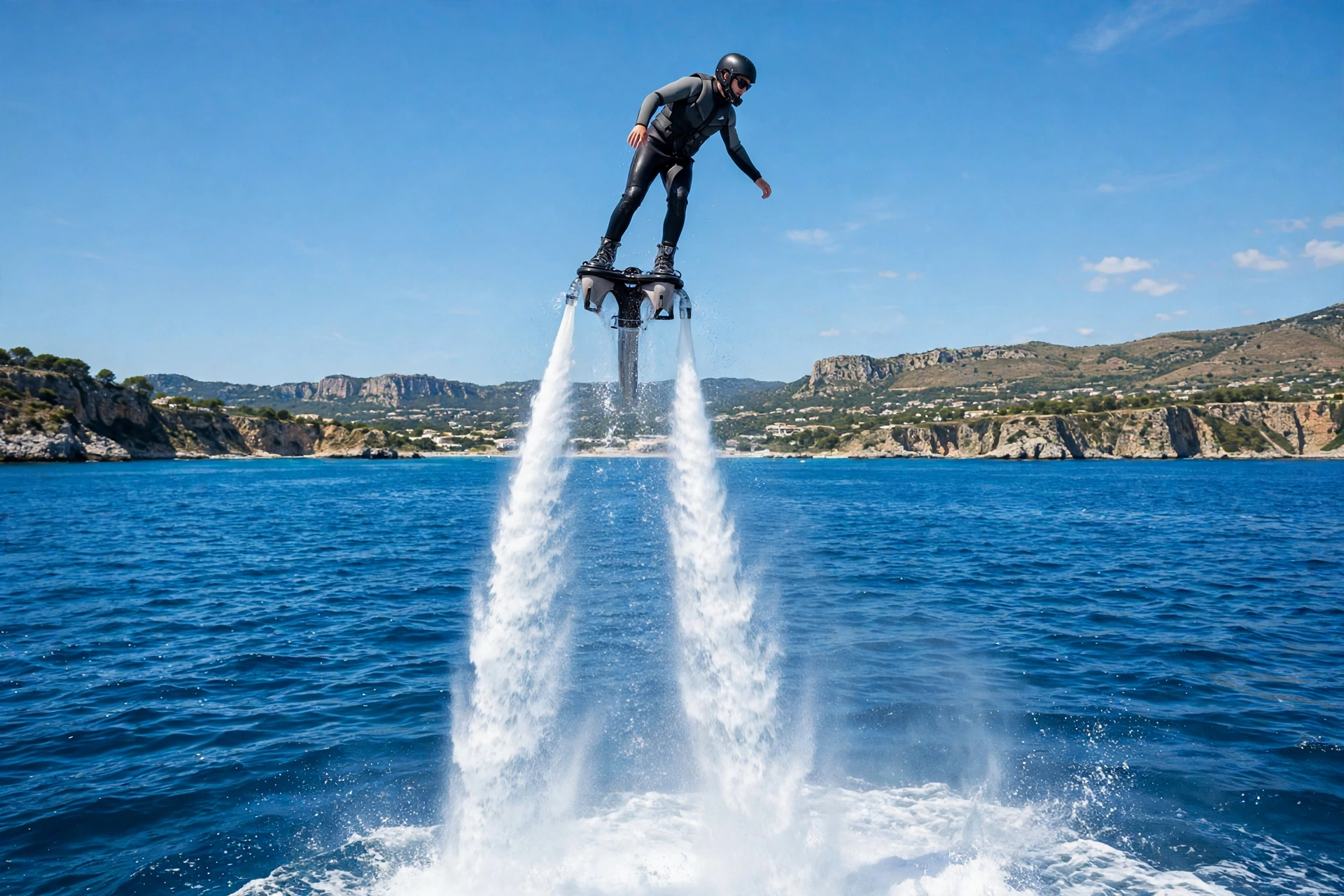
A helmet for flyboarding is a protective helmet worn to guard the head while flyboarding, and in general terms a well-fitting water sports helmet is the usual choice. Flyboarding lifts the rider into the air on a board powered by jets of water, so a fall can mean dropping from a height onto the water or onto the board itself, and a helmet is a sensible part of the kit.
Flyboarding looks graceful when it is done well, with the rider hovering above the sea and steering by shifting their weight. But the board is powerful, the rider is high above the water, and balance is everything. A slip can send the rider down fast, head first, and a helmet can reduce the force of a knock to the head if that happens. Most flyboard schools provide a helmet as part of the hire, and it is worth wearing one even if you are only trying the sport for a few minutes.
What is flyboarding?
Flyboarding is a water sport in which the rider stands on a small board that is connected by a long hose to a personal watercraft, usually a jet ski. The watercraft pumps water through the hose and out of nozzles under the board, and the force of the water lifts the rider into the air. The rider steers by leaning and shifting their weight, and the operator on the jet ski controls how much power is sent to the board.
A beginner usually starts just above the water, learning to balance and to stay upright, and builds up to hovering higher as they gain confidence. Experienced riders can rise well above the surface and perform turns and tricks. The sport is done on the sea, on lakes, or on other open water, and it is usually offered as a short taster session or a lesson with an instructor. Because the rider is lifted into the air with nothing around them, protective gear matters, and the helmet is the most important piece of it.
What kind of helmet do flyboarders wear?
In general terms, flyboarders wear a water sports helmet, which is a light helmet made to be worn in and around water. It usually has a hard outer shell and a soft lining, with vents or drain holes that let water run out instead of pooling inside. A water sports helmet is designed to stay in place when it gets wet, and it should not soak up water and become heavy.
Some riders wear a wakeboard or kayak helmet, which is made for the same kind of water impact and works well for flyboarding. A cycle helmet is not a good choice, because it is not made to be worn in water and it can fill with water and slip. A full-face water helmet is an option for riders who want extra protection for the chin and jaw, though most flyboarders wear an open-face helmet that leaves the face free. Whatever style you choose, the helmet should fit well, fasten securely under the chin, and be in good condition.
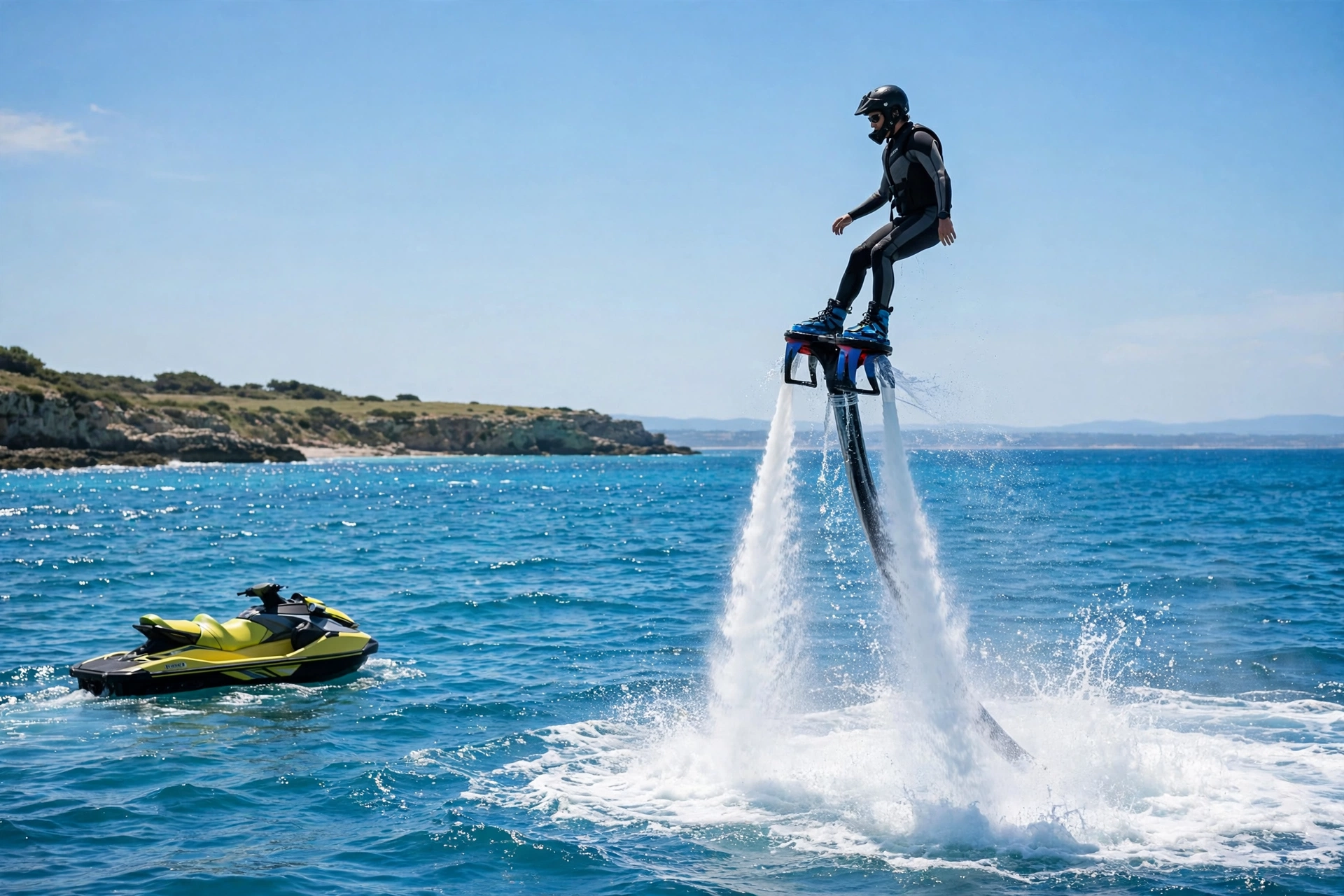
How should a helmet for flyboarding fit?
A helmet for flyboarding should sit level on your head, low enough at the front to cover your forehead, and snug all round without pressing painfully on your temples. It should not tip forward over your eyes or slide back when you nod, and it should stay in place when you shake your head gently from side to side.
The chin strap is especially important in the water, because a fall can pull a loose helmet off or push it over your eyes just when you need to see where you are going. Fasten the strap snugly enough that only a finger or two fits between the strap and your chin, and check the fit while the helmet is wet if you can, because a wet lining can feel different from a dry one. Try the helmet on with any sunglasses or goggles you plan to wear, and make sure nothing pushes it out of position. If you wear a life jacket, check that the helmet and the jacket do not push against each other when you move.
Why do flyboarders need a helmet?
Flyboarders need a helmet because a fall from height onto water can be harder than it looks. Water feels soft at low speed, but a fall from several metres up can hit the surface with real force, and a rider can also strike the board, the hose, or the jet ski on the way down. A helmet can reduce the force of a knock to the head in any of these cases.
What other gear do flyboarders wear?
Alongside a helmet, flyboarders usually wear a life jacket or buoyancy aid, which keeps the rider afloat if they fall into the water and cannot swim well or are winded by the fall. A wetsuit or rash vest protects the skin from the sun and from grazes, and it also keeps the rider warmer in cool water. Some riders wear water shoes to protect their feet on the board and on the shore.
The helmet should work with the life jacket, sitting clear of the collar so the rider can turn their head freely. If you are hiring gear from a flyboard school, the instructor will usually check the fit of the helmet and the life jacket before you start. Some helmets include a system designed to reduce rotational forces in a fall, such as MIPS, and it is worth asking about when you choose a water sports helmet. The key point is that the gear should be comfortable and secure, so you can focus on balancing instead of worrying about it.
How do you look after a flyboarding helmet?
After a flyboarding session, rinse the helmet with fresh water to wash away salt and sand, and let it dry naturally in the shade, away from direct heat. Salt water left in the lining can cause smells and wear over time, and sand trapped in the vents can make the helmet uncomfortable. Do not leave the helmet in a hot car or next to a radiator, as heat can damage the materials inside.
Check the helmet regularly for cracks, dents, or loose parts, and check the chin strap and buckle for wear, especially after the helmet has been used in salt water. If the lining is removable, take it out and wash it following the maker’s instructions, and let it dry fully before you put it back. In general terms, a helmet that has taken a hard knock in a fall should be replaced, even if it looks fine on the outside, because the inner lining may have been compressed.
Do you need a helmet for flyboarding?
In general terms, yes, a helmet is sensible for flyboarding. The rider is lifted into the air over water and falls can happen without warning, so a well-fitting water sports helmet is a simple way to protect your head.
Can you wear a cycle helmet for flyboarding?
No, a cycle helmet is not a good choice for flyboarding. It is not made to be worn in water, it can fill with water and slip, and a water sports helmet is made for this kind of use instead.
Do flyboard schools provide a helmet?
Most flyboard schools provide a helmet and a life jacket as part of the session. Check with the school before you go, and if you bring your own helmet, make sure it is a water sports helmet that fits well.

Olivia
Writer at Helmet Today, covering helmet reviews, fit and riding safety.