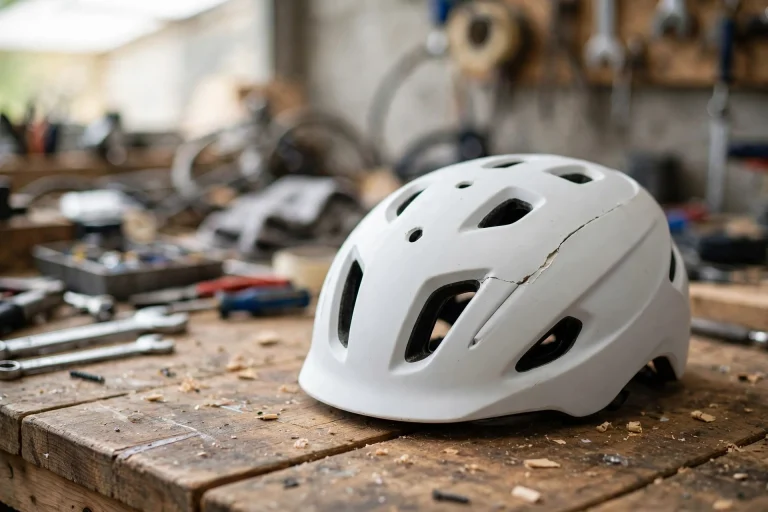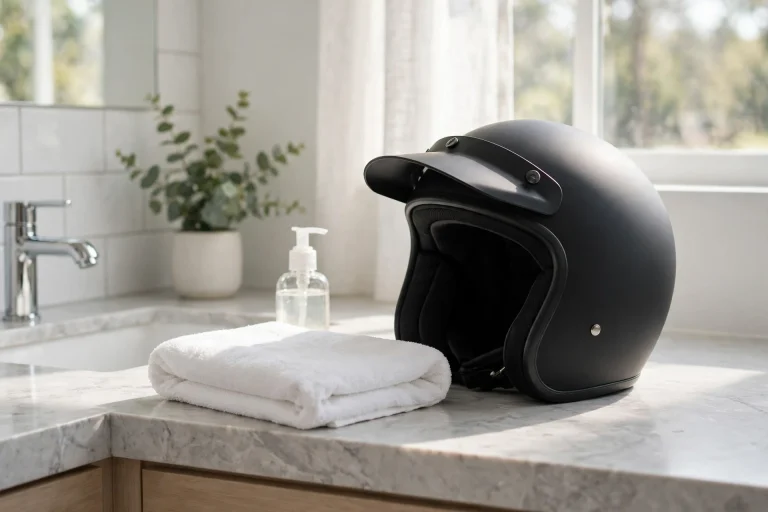
Do helmets protect your neck? In general terms, no, a helmet is designed to protect your head, not your neck, although it may help in some falls by spreading the force of a knock and by reducing the force that reaches the head. A helmet covers the skull and, in some styles, part of the jaw, but it does not support or brace the neck, and it is not a substitute for a neck brace or for safe riding and driving habits.
That does not mean a helmet is useless for the neck. In a fall, the head and the neck move together, and a blow to the head can twist or bend the neck. By softening the blow to the head, a helmet may reduce the forces that are passed on to the neck. Yet the effect is indirect, and it depends on the type of fall, the speed, and the helmet itself, so it is best to think of a helmet as head protection first and foremost.
What does a helmet actually protect?
A helmet is designed to protect the head, and in particular the brain, from the force of a knock. The hard outer shell spreads the force of an impact over a wider area, and the soft lining inside absorbs some of that force by compressing. Together, they reduce the force that reaches the skull in a fall or a collision, which is why a helmet is such a simple and useful piece of kit.
Some helmets also cover more of the head than others. A full-face helmet covers the chin and jaw as well as the top and sides of the head, while an open-face helmet leaves the face open. A skate-style helmet covers more of the back and sides of the head than a light cycle helmet. In every case, though, the helmet is built around the head, and the neck sits below it, outside the helmet’s protection.
Can a helmet hurt your neck in a fall?
This is a question many people ask, and in general terms a well-fitting helmet should not hurt your neck. A helmet adds a little weight to the head, and in a fall that weight can add to the forces on the neck, but the effect is small compared with the protection the helmet gives to the head. A helmet that is very heavy, or one that fits badly and moves about, is more likely to be a problem than a light, well-fitting one.
Some people worry that a helmet could catch on something in a fall and twist the neck. Most helmets have smooth shells that are designed to slide rather than catch, so choose one with no loose parts that could snag. If a helmet feels heavy or uncomfortable, try a lighter style, because a helmet you wear comfortably is safer than a heavy one you leave at home.

Do helmets help with whiplash?
Whiplash is a neck injury caused by a sudden forward and backward movement of the head, most often in a road collision. A helmet is not designed to prevent whiplash, because whiplash comes from the movement of the head and neck together, not from a blow to the head itself. A helmet cannot hold the head still, and it cannot brace the neck against that sudden movement.
That said, a helmet may help in a collision where the head also strikes something, because it softens the blow to the head. It is not a treatment for whiplash, and it should not be worn as one. If you have a neck injury, or if you are worried about whiplash, the right step is to talk to a doctor, and to look at the safety features of the vehicle or the activity itself, rather than relying on a helmet alone.
What protects your neck if a helmet does not?
Your neck is protected by a mix of good habits, good kit, and good design. In a car, the headrest and the seat belt are the main protection for the neck, because they limit how far the head can move in a collision. On a motorcycle, a neck brace or a collar designed for riding can help to limit neck movement in a fall, and it is worn together with a helmet, not instead of one.
In sport, the best protection for the neck is often technique and awareness. Learning how to fall safely, keeping your head up, and avoiding risky moves can reduce the chance of a neck injury. Strengthening the muscles around the neck and shoulders can also help, in general terms, because strong muscles support the head. None of these replaces a helmet, but together they give the neck more protection than a helmet alone could.
Should you wear a neck brace with a helmet?
A neck brace is a separate piece of kit that sits around the neck and shoulders, and it is designed to limit how far the head can move in a fall. It is most often used in motocross, downhill mountain biking, and other fast off-road sports, where falls can be hard and the neck is at risk. A neck brace is worn with a helmet, and the two are designed to work together.
Whether you need one depends on what you do and how fast you go. For everyday cycling or for a gentle ride, a neck brace is not usually needed, and it can feel restrictive. For fast off-road riding, it is worth considering, and worth trying on with your helmet before you buy, because the brace and the helmet need to fit together well. Some helmets include a system designed to reduce rotational forces in a fall, such as MIPS, and it is worth asking about when you choose a helmet for faster riding.
How can you reduce the risk of a neck injury?
The simplest step is to wear a well-fitting helmet every time, because it protects your head, and a protected head puts less strain on the neck in a fall. Make sure the helmet sits level, fastens snugly under the chin, and does not move about when you shake your head. A helmet that fits well is more likely to stay in place in a fall, which is when you need it most.
Beyond the helmet, ride or drive within your limits, and pay attention to the road or the trail ahead. Avoid sudden moves that could throw you off balance, and take care on wet, icy, or uneven surfaces. If you play a contact sport, learn the safe techniques for tackling and falling, and follow the rules of the game. In general terms, a helmet is one part of staying safe, and the way you ride, drive, or play is the other part.
Do helmets protect your neck directly?
No, in general terms a helmet is designed to protect your head, not your neck. It may help indirectly by softening a blow to the head, but it does not support or brace the neck.
Can a helmet make a neck injury worse?
A well-fitting, light helmet should not make a neck injury worse. A very heavy helmet, or one that fits badly and moves about, is more likely to be a problem, so choose a light helmet that fits well.
What should I wear to protect my neck?
For fast off-road riding, a neck brace worn with a helmet can help to limit neck movement. In a car, the headrest and seat belt are the main protection, and in sport, safe technique matters most.

Olivia
Writer at Helmet Today, covering helmet reviews, fit and riding safety.