A helmet buying guide for budget buyers is a simple plan for choosing a safe, comfortable helmet without spending more than you need to, and in general terms the best budget helmet is one that fits well, feels comfortable, and meets the safety standard for the activity you do. You do not need the most expensive helmet to be well protected, and a lower-priced helmet that fits properly is a better choice than a costly one that is loose or uncomfortable.
Buying on a budget is about knowing what matters and what does not. Fit, comfort, and certification matter a great deal, while extra features, bright colours, and brand names matter much less. If you focus on the basics first, and compare a few helmets side by side, you can find a good helmet at a fair price, and you can feel confident that it will do its job when you need it.
What should budget buyers look for first in a helmet?
The first thing to look for is fit, because a helmet that does not fit will not protect you well, however much it cost. It should sit level on your head, low enough at the front to cover your forehead, and snug all round without pressing painfully on your temples. It should stay in place when you shake your head gently from side to side, and the chin strap should be snug enough that you can fit only a finger or two between the strap and your chin.
The second thing to look for is the safety standard for your activity. In general terms, a helmet sold for cycling, motorcycling, or another activity should meet the standard that applies to that activity in your country, and the label or the maker’s description should say so. If a helmet has no clear standard, or if the seller cannot tell you which one it meets, it is best to choose another one, even if the price looks tempting.
How much should you spend on a budget helmet?
There is no single right amount to spend, because prices differ by activity, by country, and by maker. In general terms, a budget helmet is one that covers the basics well without the extra features that push the price up, such as very light materials, extra vents, or a fancy finish. A helmet in the lower price range can still meet the same safety standard as a more expensive one, because the standard is about protection, not about price.
The best approach is to set a budget before you shop, and then compare the helmets inside that budget, rather than stretching to a dearer one because it looks better. Try on as many as you can, and judge them by fit and comfort, not by the price tag.
What features are worth paying for on a budget helmet?
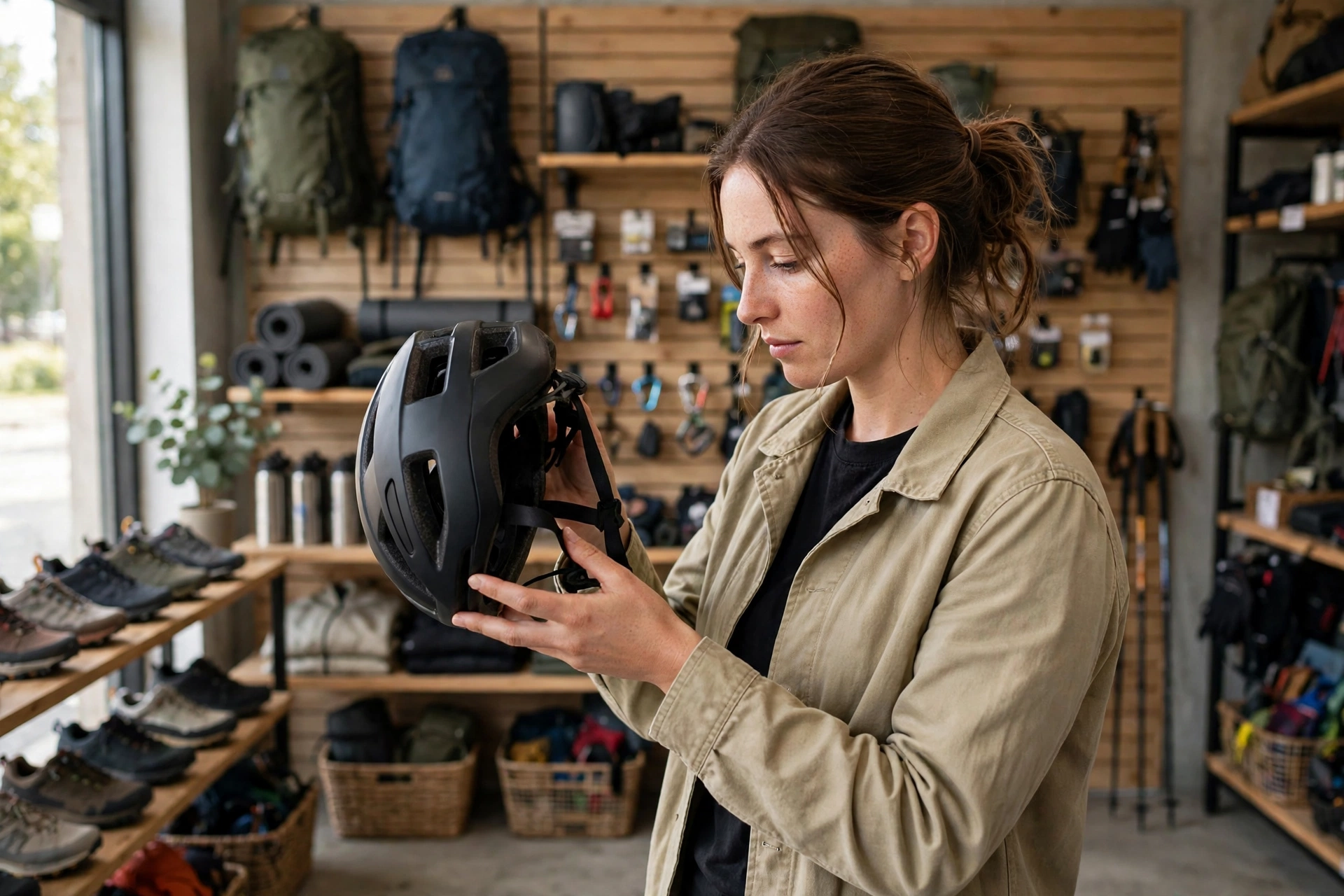
An adjustable fit system is worth paying for, because it lets you tighten or loosen the helmet to suit your head shape, and it makes the difference between a helmet that fits and one that does not. Look for a dial or a strap at the back that you can adjust easily, even with gloves on. Removable, washable padding is also worth having, because a helmet worn every day will need cleaning, and fresh padding keeps it comfortable.
Ventilation is worth considering too, especially if you ride in warm weather or for a long time. A helmet with vents that let air flow through will feel cooler and more comfortable than one with no vents at all. Some helmets include a system designed to reduce rotational forces in a fall, such as MIPS, and it is worth asking about when you choose, although it may add to the price. A visor, a peak, or a light mount may be useful, but they are not essential, and they should not come before fit and comfort.
What features can budget buyers skip?
Very light materials are one feature you can often skip, because a slightly heavier helmet that fits well is better than a very light one that does not. The weight difference between a budget helmet and a premium one is usually small, and you are unlikely to notice it on a short ride. A fancy finish, a bright paint job, or a well-known brand name are also things you can skip, because they do not make the helmet safer.
Extra vents, aerodynamic shapes, and built-in gadgets are other features that can be skipped on a budget. They do not change the basic job of the helmet, which is to protect your head in a fall. If you are choosing between a helmet with extra features and one that fits better, choose the one that fits better every time.
Where is the best place to buy a budget helmet?
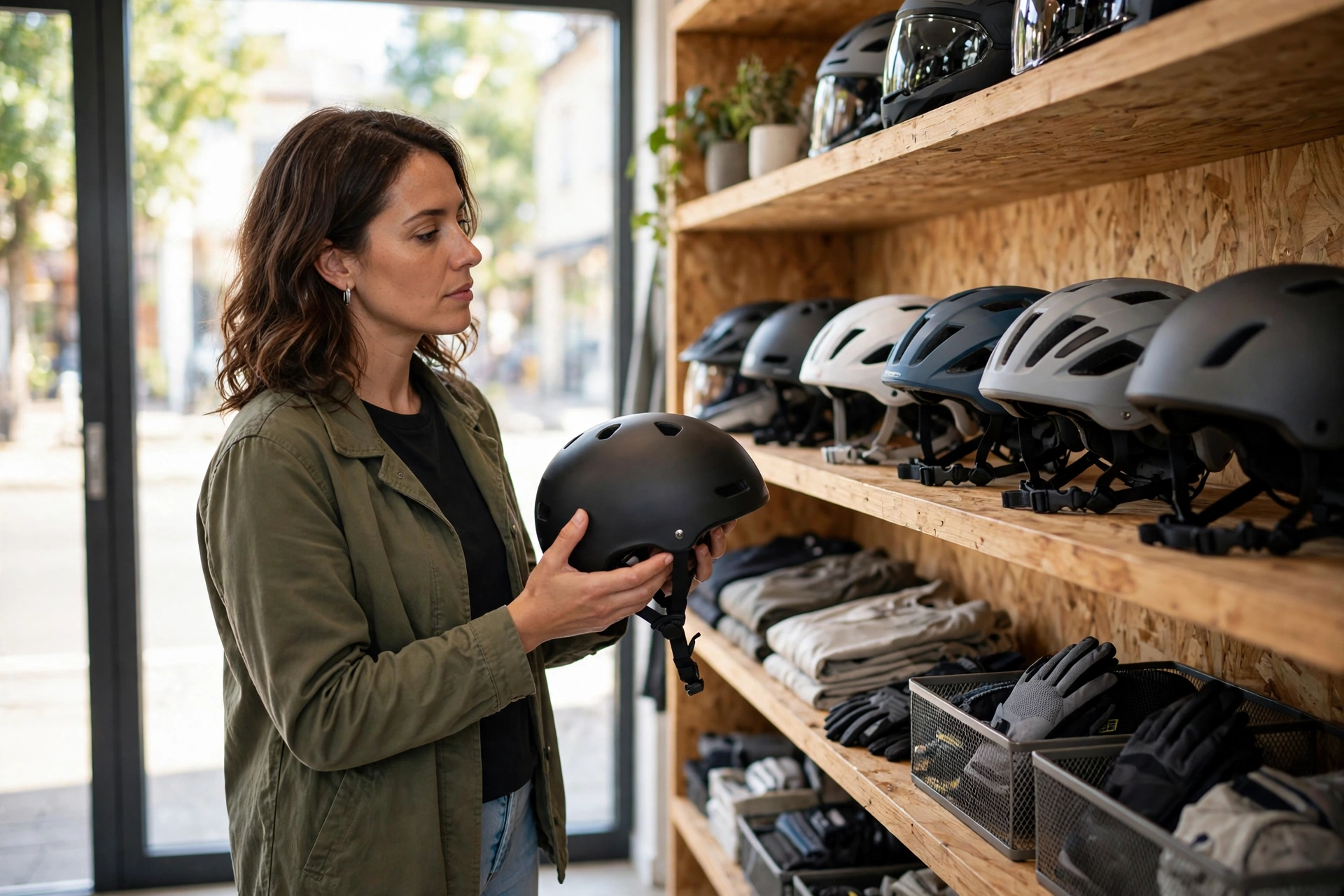
A sports shop is often the best place to buy a budget helmet, because you can try helmets on, compare sizes, and ask staff for advice. Trying a helmet on is the only reliable way to know if it fits, and a shop lets you do that before you pay. Many shops also have sales and clearance lines, where last season’s helmets are sold at a lower price, and these can be a good way to get a well-made helmet for less.
Buying online can work too, but only if you know your head measurement and you have checked the maker’s size chart. Read the returns policy before you order, so you can send the helmet back if it does not fit. Be careful with very cheap helmets from unknown sellers, because they may not meet the safety standard for your activity. In general terms, buy from a seller you trust, and check the label and the maker’s name when the helmet arrives.
What mistakes should budget buyers avoid?
The most common mistake is buying a helmet that is too big, because it feels comfortable at first and the buyer thinks it will be fine. A helmet that is too big will move about in a fall, and it may not stay in place when you need it most. Another common mistake is buying a second-hand helmet, because you cannot tell from the outside whether it has taken a hard knock, and the lining inside may already be compressed.
Another mistake is choosing a helmet by looks alone, or by price alone, without trying it on. A helmet that looks good but hurts after ten minutes is the wrong helmet, and a very cheap helmet with no clear safety standard is a false saving. Take your time, try on several helmets, and check the fit, the strap, and the label before you buy. A little patience at the shop will save you from buying twice.
Can a cheap helmet still be safe?
Yes, in general terms a lower-priced helmet can be safe if it fits well and meets the safety standard for your activity. Price alone does not decide how well a helmet protects you, so check the fit and the label first.
Should I buy a second-hand helmet to save money?
No, it is best not to buy a second-hand helmet, because you cannot tell whether it has taken a hard knock, and the lining inside may already be damaged. A new budget helmet is a safer choice.
What is the most important thing when buying a budget helmet?
Fit is the most important thing. A helmet that sits level, feels snug without hurting, and stays in place when you move is the right helmet, whatever the price.

Olivia
Writer at Helmet Today, covering helmet reviews, fit and riding safety.