Dirt jump riders do not always need a full face helmet, but in general terms, a full face helmet is the safer choice once jumps get bigger, faster, or more technical. For small, low-speed jumps and casual sessions, many riders wear an open-face BMX-style helmet. For larger dirt jumps, gaps, and tricks where a fall could send you face-first, a full face helmet protects your jaw, teeth, and chin in a way an open-face helmet cannot.
The right answer depends on how you ride. A rider rolling gentle tabletops at low speed faces a different risk from a rider clearing large doubles or trying tricks. This guide explains when a full face helmet makes sense, its trade-offs, and how to choose one you will actually wear.
What Makes Dirt Jumping Different From Other Riding?
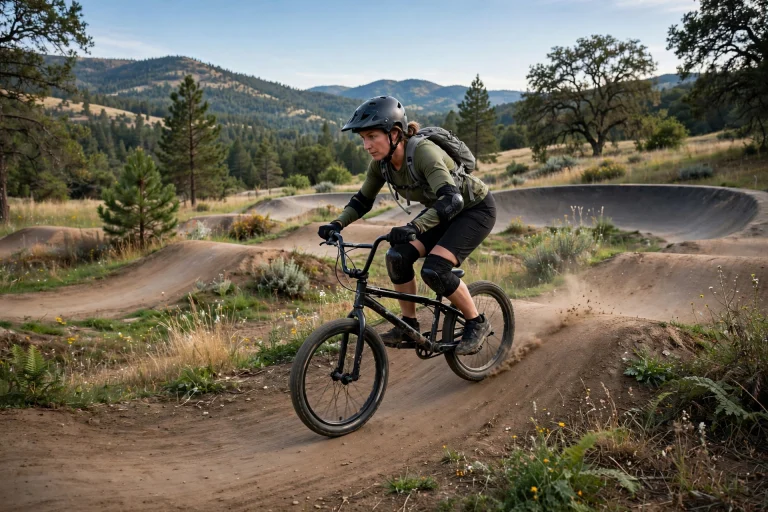
Dirt jumping packs a lot of risk into a short moment. You approach a lip at speed, launch into the air, and land on a shaped landing that may be hard-packed dirt. If something goes wrong, you can come down nose-heavy, overshoot the landing, or clip a wheel on takeoff. Falls in dirt jumping often happen at forward speed, which means your face and chin can be the first things to meet the ground.
That is different from, say, cruising a pump track or riding flat ground, where falls tend to be lower and slower. It is also different from trail riding, where trees and rocks are the main hazards. On dirt jumps, the jump itself creates the risk: height, speed, and the hard landing surface. A helmet choice that feels fine for mellow riding can feel thin once the jumps grow.
When Does a Full Face Helmet Make Sense for Dirt Jumps?
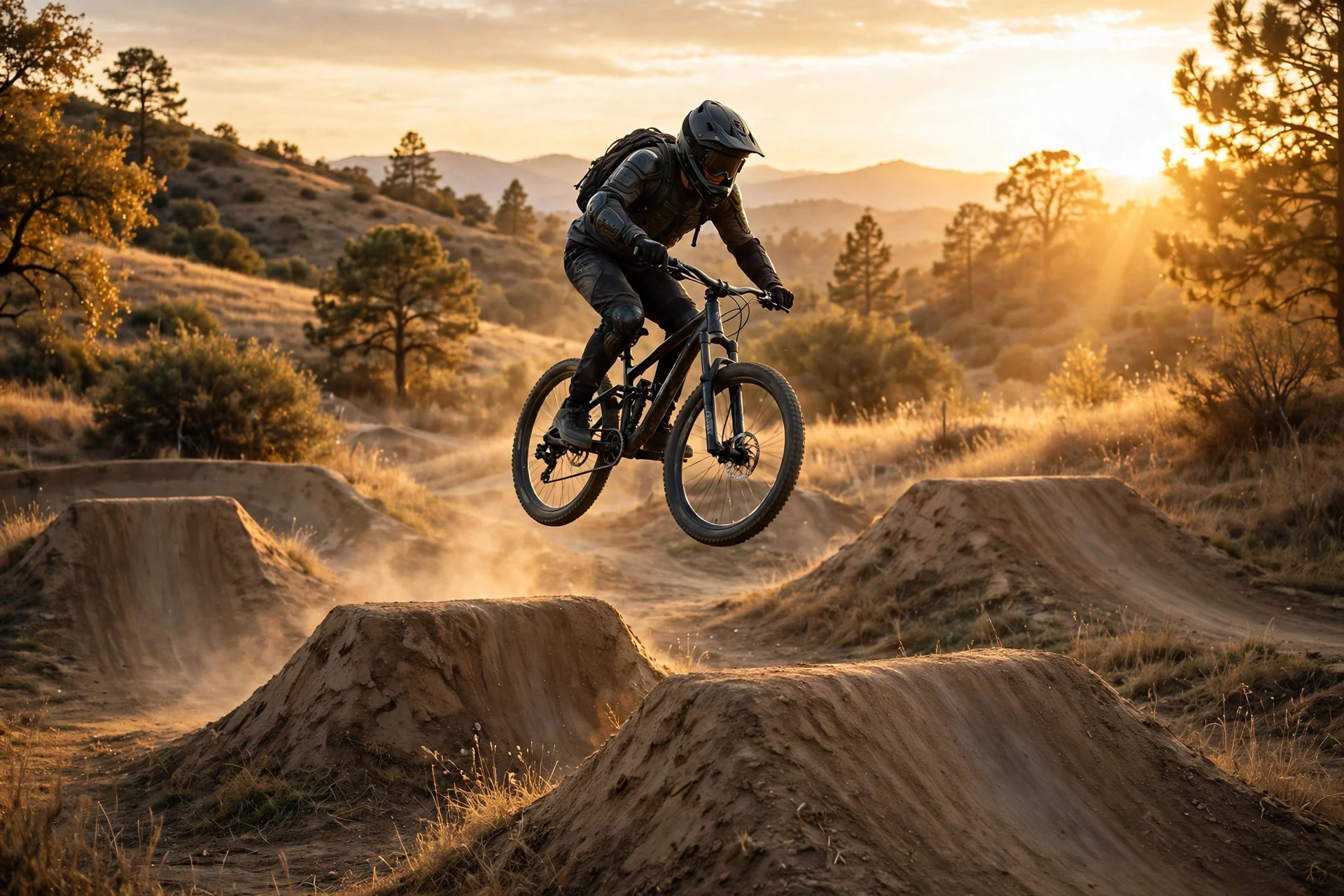
A full face helmet makes the most sense when the consequences of a face-first fall are high. That includes large jumps, gaps between takeoff and landing, steep lips that throw you upward rather than forward, and any trick where you take a hand off the bars or rotate in the air. In those cases, the chin bar is not cosmetic: it is the part of the helmet that takes the hit your jaw otherwise would.
Speed matters as well. In general terms, the faster you hit the lip, the harder a bad landing can be, and the more protection is worth having. Riders who are progressing — moving from tabletops to doubles, or from doubles to gaps — are often the ones who benefit most from switching to a full face helmet before they feel they need it. Protection bought after a crash is protection bought too late.
At many dirt jump parks, most experienced riders wear a full face helmet, and some organised sessions require it. If you are unsure what is expected where you ride, asking the park staff can settle the question quickly.
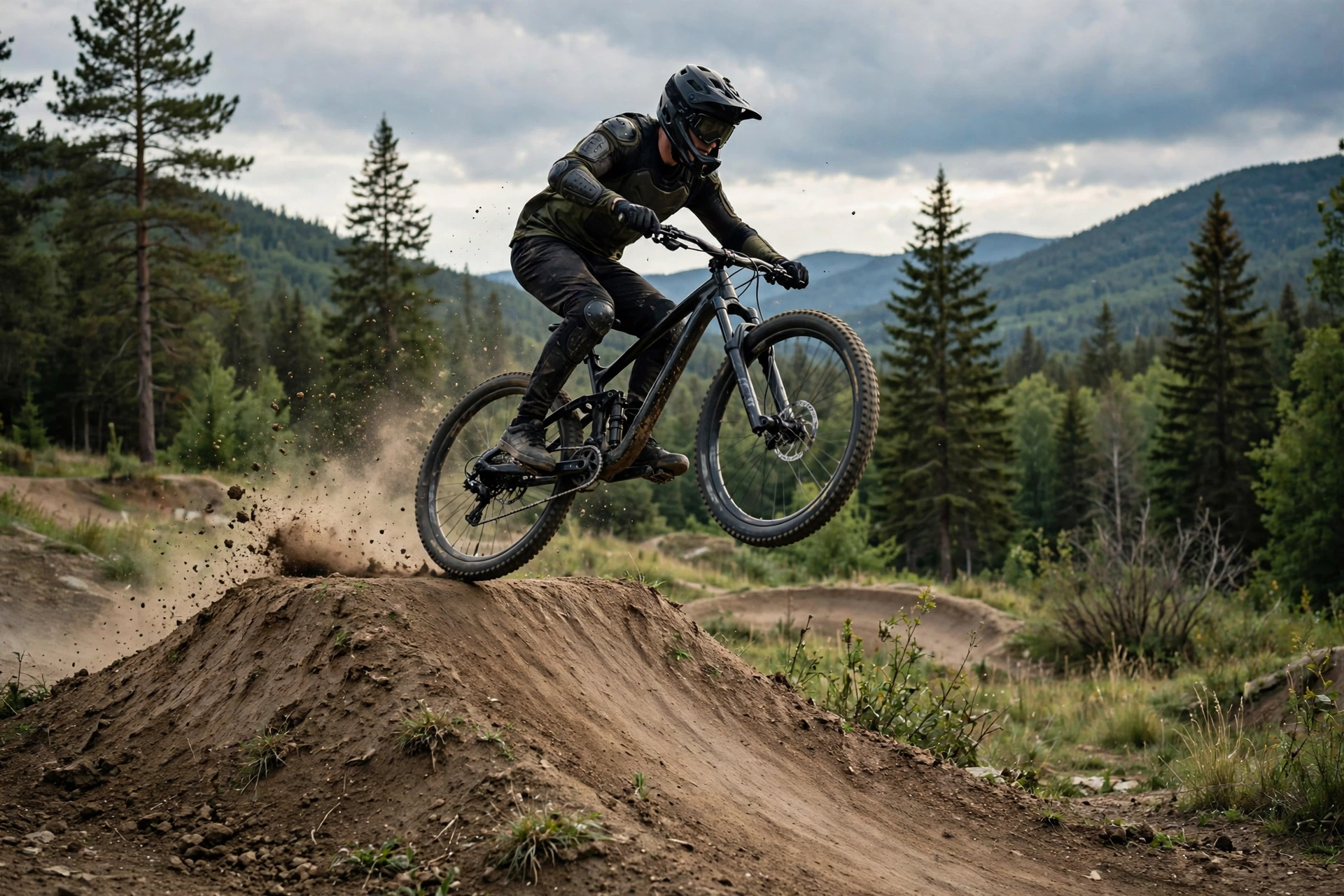
What Are the Downsides of a Full Face Helmet on Dirt Jumps?
Full face helmets are not without trade-offs, and it is honest to name them. They are heavier than open-face helmets, they are warmer in summer, and they can feel restrictive when you are used to an open face. On a hot day of repeated runs, with the climb back to the start each time, the extra weight and heat are noticeable. Some riders also find that a chin bar limits how easily they can drink, talk, or breathe hard between runs.
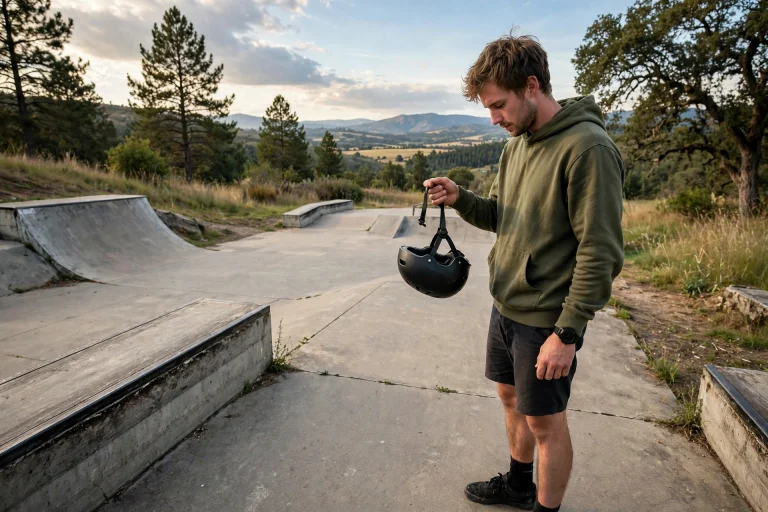
Fit is another consideration. A full face helmet that is too loose can shift in a fall, and one that is too tight becomes a distraction you will want to take off. Because dirt jump sessions involve a lot of pedalling and climbing, comfort over a full session matters more than comfort in a shop. A helmet you leave in the car because it is uncomfortable protects no one.
None of this makes a full face helmet a bad choice, but it does explain why some riders stick with an open-face helmet for small jumps. The best helmet is the one that matches the risk of the riding and that you will wear every run. If a full face helmet makes you ride less, or tempts you to ride without one, that trade-off deserves thought too.
How Should a Dirt Jump Helmet Fit?
Whether you choose a full face or open-face helmet, fit decides how much protection you actually get. The helmet should sit level on your head, low enough to cover your forehead, without tilting back. It should feel snug all around with no pressure points that throb after a few minutes, and it should not rock side to side or slide forward when you shake your head.
For a full face helmet, check the chin bar separately. It should sit close to your chin without pressing hard against it, and the cheek pads should hold your cheeks gently without squashing them. Do the strap up snugly under your chin — a helmet with a loose strap can come off in a crash, which defeats the purpose of wearing one at all.
Try the helmet on with anything else you wear, such as goggles or glasses, before committing. Goggles that do not sit well against the helmet can leave gaps or press uncomfortably. And remember that sizing varies between makers, so a size label is only a starting point. If you are learning about helmet technology, reading about what MIPS is for helmets can help you understand one of the features you may see listed on the box.
What Should You Look for When Choosing a Dirt Jump Helmet?
Start with coverage and certification rather than colour or style. A dirt jump helmet should meet a recognised bicycle helmet safety standard for your region, and the label inside the helmet will say which standard it meets. Beyond that, look at ventilation: a helmet with good airflow will be far more bearable during long sessions, especially a full face model.
Weight is worth checking too, but do not chase the lightest helmet at the expense of coverage. A few grams matter less than a chin bar when a fall goes wrong. Removable, washable padding is a practical plus, because dirt jump helmets get sweaty and dusty fast, and padding you can wash lasts longer and smells better.
Finally, think about how the helmet works with the rest of your kit. Does it fit your goggles? Does the peak, if it has one, sit where you want it? Can you hear well enough to hear other riders calling out on the line? Small details like these decide whether a helmet becomes part of your riding or a chore you resent.
Frequently Asked Questions
Q: Can I wear a skate-style helmet for dirt jumping?
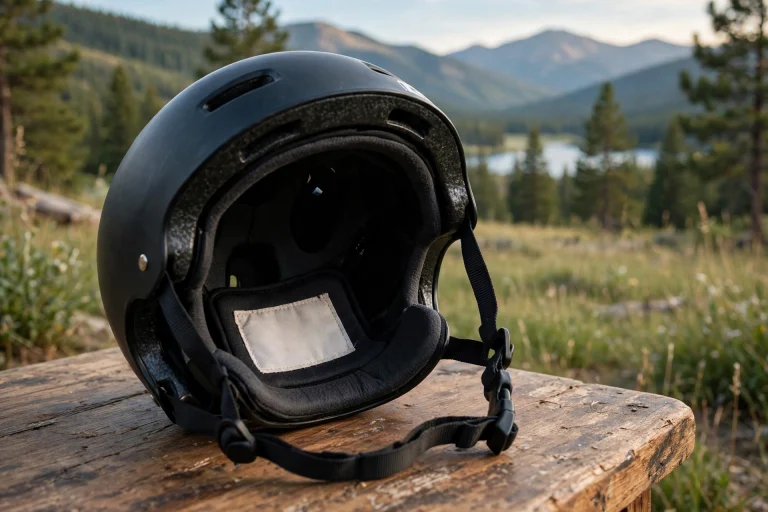
A: In general terms, a skate-style helmet covers the back and sides of the head well and suits low, slow riding, but it leaves your face exposed. For larger jumps, a full face helmet gives protection a skate-style helmet cannot match.
Q: Do I need a full face helmet for small tabletop jumps?
A: Not necessarily. For small, low-speed tabletops, many riders wear an open-face helmet. As jumps get bigger or you start trying tricks, a full face helmet becomes the safer choice.
Q: Is a downhill full face helmet too much for dirt jumps?
A: A downhill full face helmet will protect you well, but it may be heavier and hotter than a dirt-jump-oriented full face helmet. If you already own one, it is a reasonable choice; if you are buying fresh, a lighter full face model may suit dirt jumping better.

Olivia
Writer at Helmet Today, covering helmet reviews, fit and riding safety.