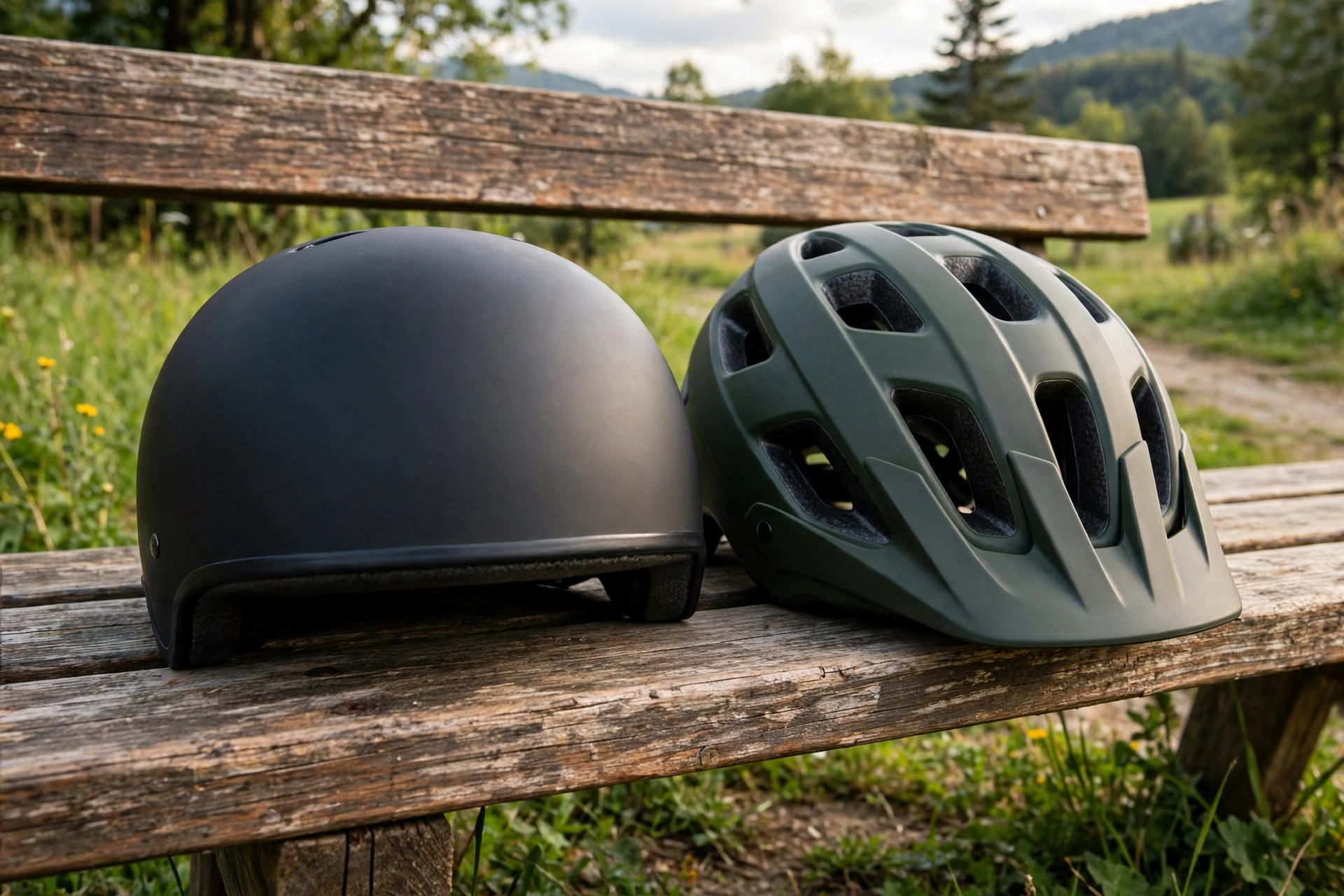
The main difference between a BMX freestyle helmet and a BMX racing helmet is what each is built to protect against: freestyle helmets prioritise coverage and durability for repeated low-speed falls, while racing helmets prioritise light weight, ventilation, and aerodynamics for high-speed gate starts and jumps. In general terms, a freestyle helmet tends to cover more of the back and sides of the head, while a racing helmet tends to be lighter and more open at the front.
That does not mean one is simply better than the other. The right helmet depends on how you ride. A park rider who falls often on concrete needs different protection from a racer sprinting a groomed track. This guide breaks down the differences in shape, weight, ventilation, and certification so you can pick the helmet that matches your riding.
What Does a BMX Freestyle Helmet Look Like?
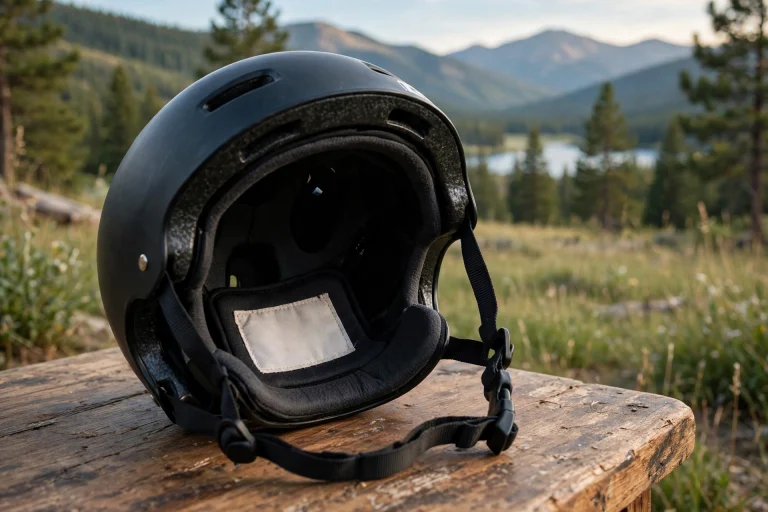
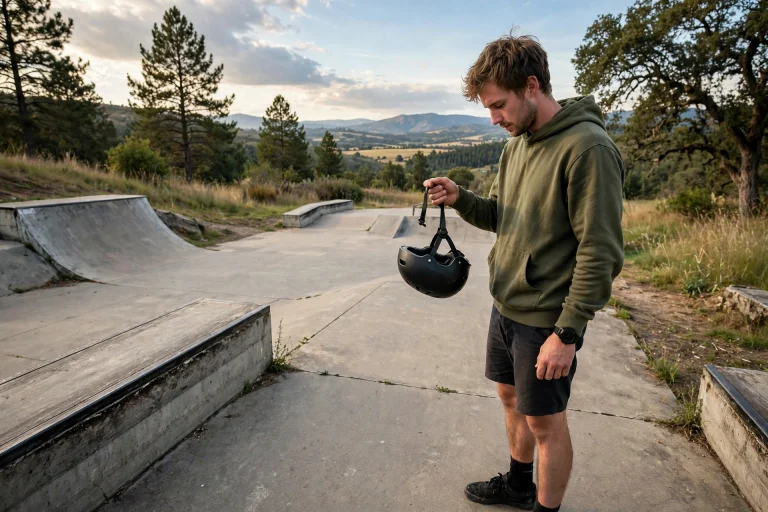
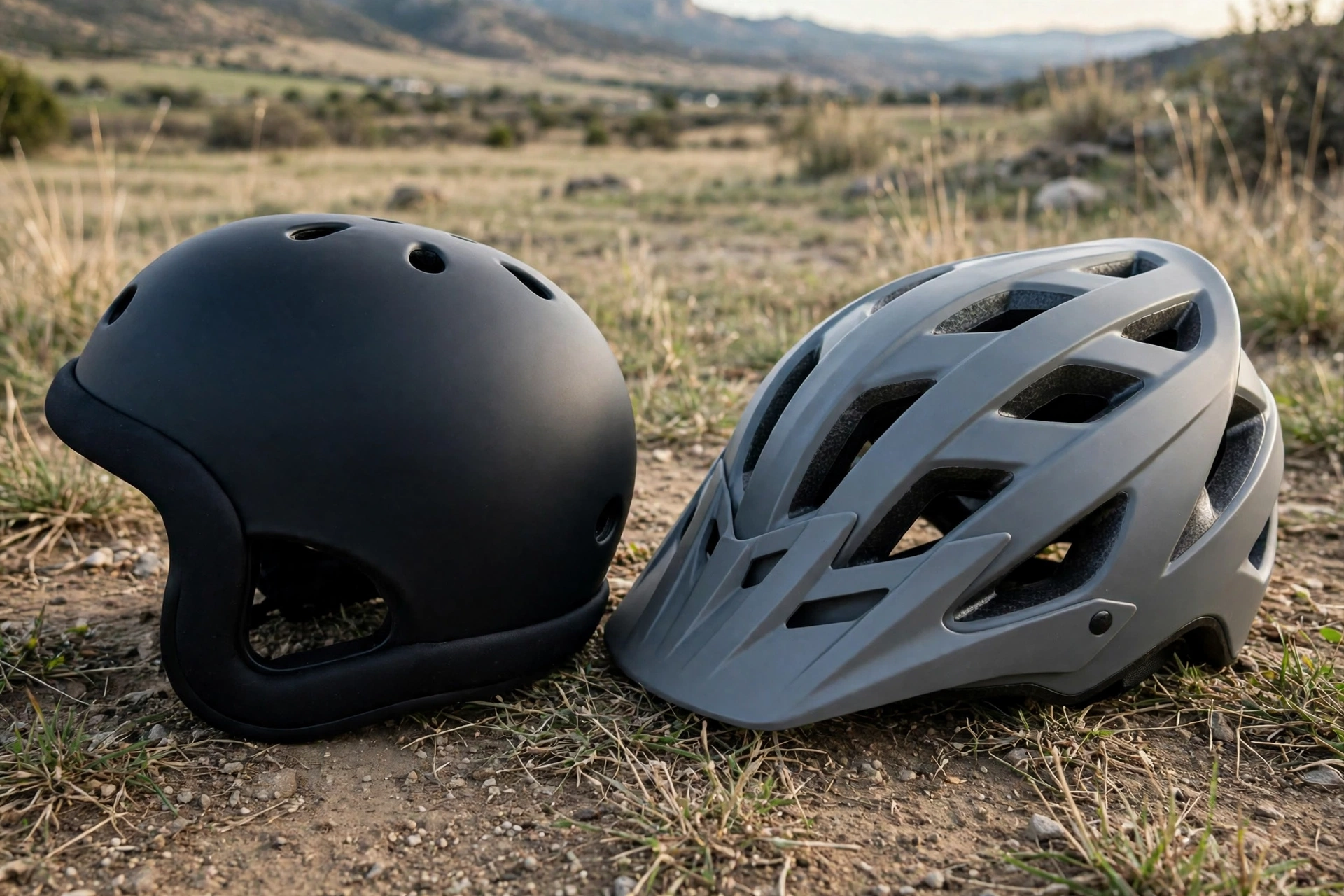
A BMX freestyle helmet is usually the classic “skate-style” shape: a rounded shell that sits low over the back and sides of the head, with a small brim or peak at the front. It is built for street, park, and flatland riding, where falls are frequent, often sideways or backwards, and often at moderate speed. The extra coverage at the back of the head matters because a looped-out manual or a missed trick can send you straight backwards onto concrete.
Freestyle helmets also tend to be tough. They are made to be dropped, scraped, and knocked around, and many use a hard outer shell over foam that can take repeated small knocks without falling apart. That durability suits riders who treat their helmet as daily kit rather than race-day equipment. The trade-off is weight and heat: a freestyle helmet is usually heavier and less ventilated than a racing helmet, which can feel warm during a long park session.
Another freestyle trait is simplicity. There are usually fewer vents, thicker padding, and a fit that feels secure and planted rather than airy. For riders who value coverage and toughness over speed, that is exactly the point.
What Does a BMX Racing Helmet Look Like?
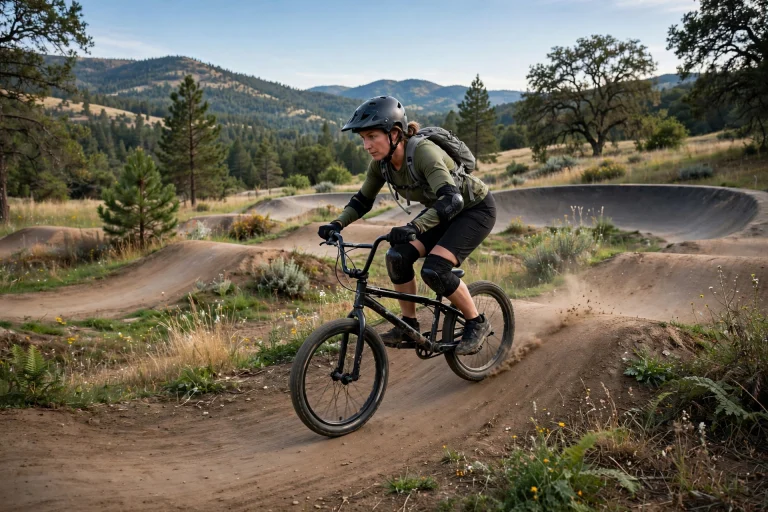
A BMX racing helmet is built for the track: gate starts, sprint pedalling, and jumps taken at speed. Racing helmets are usually lighter, with more and larger vents to keep a rider cool during short, intense efforts. Many look more like a road or mountain bike helmet, with an elongated shape and a peak that helps with sun and roost, and some racers wear full face helmets for added protection at speed.
Weight matters in racing because every gram counts when you are sprinting out of the gate and pumping through rhythm sections. A lighter helmet is also less tiring over a day of motos. Ventilation matters because race efforts are short and hard, and overheating costs speed and focus. Racing helmets therefore tend to trade some rear coverage for airflow and a lighter feel.
How Do Freestyle and Racing Helmets Differ in Protection?
Both types of helmet are designed to absorb impact by crushing their foam liner, but they distribute that protection differently. A freestyle helmet spreads coverage lower around the sides and back of the head, which suits the falls freestyle riders actually have: sideways, backwards, and onto hard surfaces at moderate speed. A racing helmet concentrates on a lighter structure with strong frontal and top protection, suited to high-speed forward falls on a groomed track.
Certification is where the difference can become formal. In general terms, helmets sold for cycling should meet a recognised bicycle helmet safety standard, and racing bodies may require specific certifications for competition. If you race, check what your race organisation requires before buying, because a helmet that is fine for the park may not be accepted on the start gate.
It is also worth remembering that no helmet makes a rider crash-proof. A freestyle helmet does not protect your face, and a racing helmet does not protect you from every kind of fall. The helmet is one part of riding safely, alongside good bike setup, progression at your own pace, and a track or park ridden within your ability. Learning about features like rotational impact protection can help too — see what MIPS is for helmets for a plain explanation of one such system.
Which Helmet Suits Your Riding Style?
If you ride street, park, or flatland, a freestyle helmet is usually the natural fit. Its coverage suits repeated falls on concrete, its toughness suits daily use, and its planted fit feels right for tricks. Many street and park riders never need anything else, and a good freestyle helmet can last a long time if it is not crashed hard.
If you race, a racing helmet is usually the better tool. The light weight and ventilation pay off on the track, and the shape suits the forward, high-speed nature of racing falls. Some racers choose a full face racing helmet for extra protection on bigger tracks, which is a separate decision worth weighing on its own.
If you do both, you may end up owning both types — and that is fine. Using the right helmet for the session you are actually riding is better than forcing one helmet to do two jobs. If budget only allows one helmet, pick the one that matches the riding you do most, and the falls you are most likely to have.
Can You Use One Helmet for Both Freestyle and Racing?
In general terms, yes, you can use one helmet for both, as long as it meets the safety requirements of any racing you enter. A freestyle helmet worn on a race track will protect you, but it will be heavier and hotter than a racing helmet. A racing helmet worn in the park will protect you too, but it may offer less coverage at the back of the head, which matters for backwards falls.
The practical question is comfort and confidence. A helmet that feels hot and heavy may distract you on the track, while a helmet that feels exposed may make you hold back in the park. Neither is ideal. If you ride both disciplines regularly, the cost of a second helmet is often worth it for the simple reason that you will wear the right one without thinking about it.
Whatever you choose, fit comes first. A helmet that fits well, stays put, and meets a recognised standard will serve you far better than a discipline-perfect helmet that wobbles or pinches. Try helmets on, ride in them, and replace any helmet after a hard impact, even if it looks fine from the outside.
Frequently Asked Questions
Q: Is a freestyle helmet safe for BMX racing?
A: In general terms, a freestyle helmet that meets a recognised bicycle helmet standard offers real protection, but check your race organisation’s rules first, as some require specific certifications. A racing helmet will also be lighter and cooler on the track.
Q: Why are racing helmets lighter than freestyle helmets?
A: Racing helmets use less material and more ventilation to cut weight for sprint efforts, while freestyle helmets use thicker shells and padding for durability and extra coverage during repeated falls.
Q: Do I need a full face helmet for BMX racing?
A: Not always, but many racers choose one, especially on bigger tracks or at higher speeds, because it protects the jaw and face in a forward fall. Check your race rules and weigh the extra weight and heat against the added coverage.

Olivia
Writer at Helmet Today, covering helmet reviews, fit and riding safety.