Yes, vents matter for park sessions — a well-ventilated BMX helmet keeps your head cooler, reduces sweat build-up, and helps you stay comfortable and focused through a long session. In general terms, ventilation is not just about comfort: a helmet that overheats you is a helmet you are tempted to take off, and a helmet left on a bench protects no one.
That said, vents are one part of a helmet, not the whole story. More vents do not automatically mean a better helmet, and a helmet with huge vents but poor coverage or fit is a bad trade. This guide explains how BMX helmet ventilation works, when it matters most, and how to balance airflow against protection.
How Does Helmet Ventilation Actually Work?
Helmet ventilation works by channelling air over your head as you ride. Front vents let air in, internal channels guide it across your scalp, and rear vents let warm air out. The faster you move, the more air flows through, which is why ventilation feels most effective when you are riding lines and pumping around the park rather than standing still.
The design of those channels matters as much as the number of holes. A helmet with a few well-shaped channels can cool better than one with many small vents that lead nowhere. Padding plays a role too: thick, non-breathable padding can block airflow and trap sweat, while thinner, moisture-wicking padding lets air reach your head.
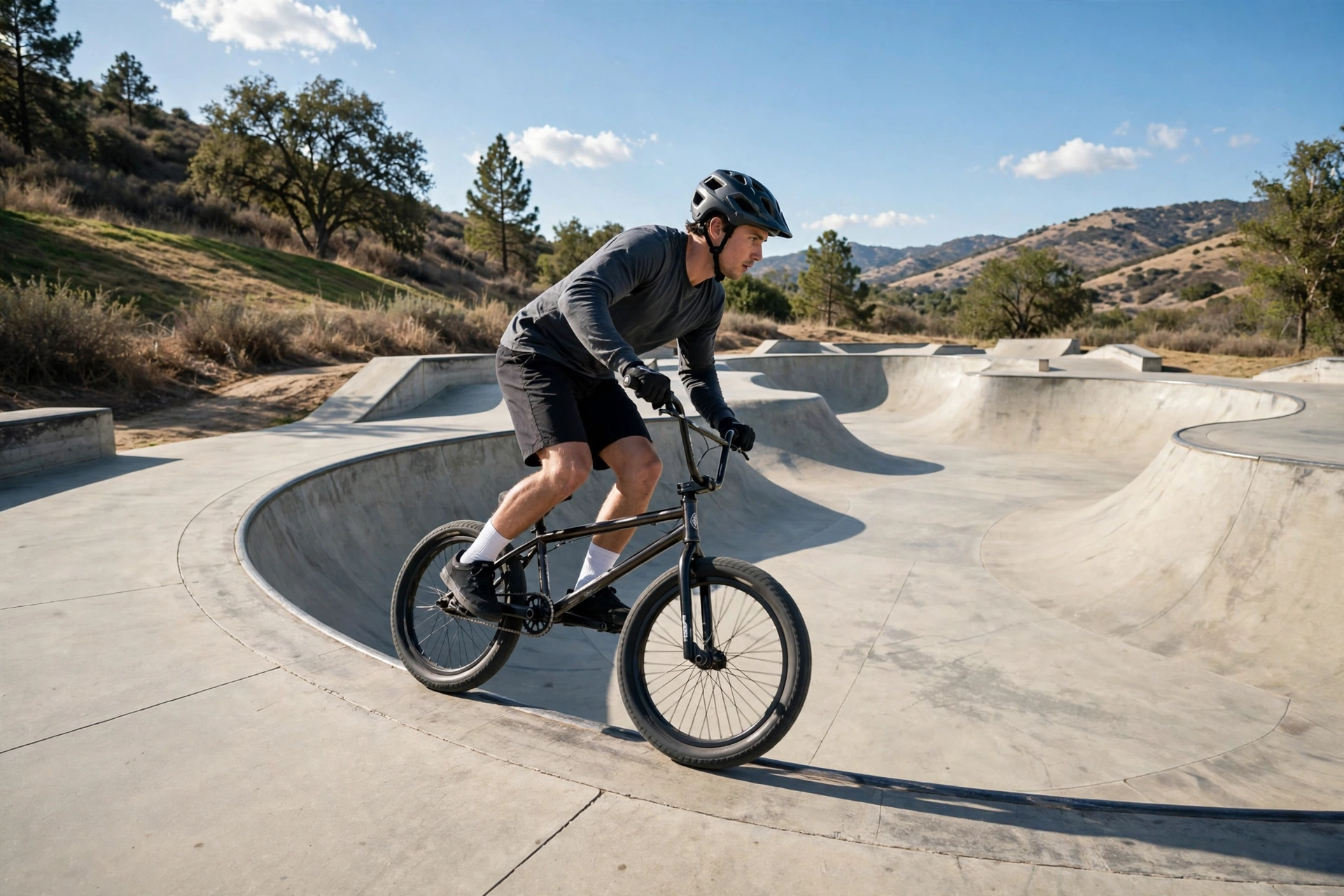
BMX freestyle helmets traditionally have fewer, smaller vents than racing or mountain bike helmets, because their priority is coverage and durability. That means ventilation varies a lot between BMX helmets, and two helmets that look similar can feel very different after an hour in the park.
Do Vents Matter More in a Park Session Than Elsewhere?
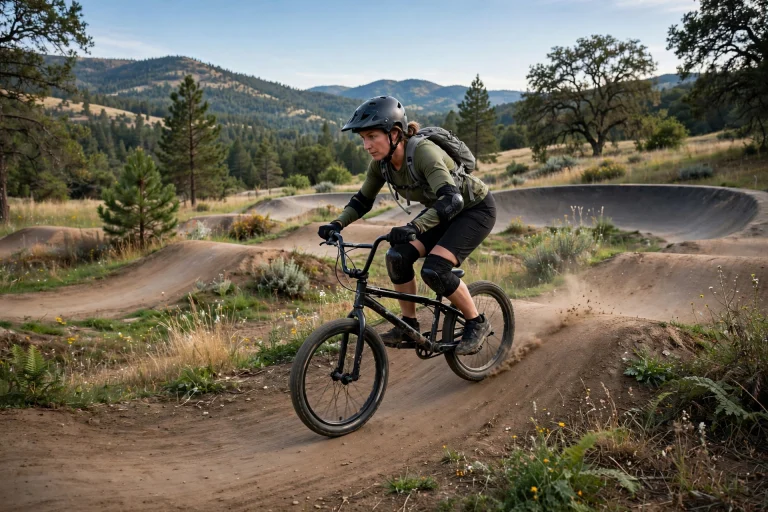
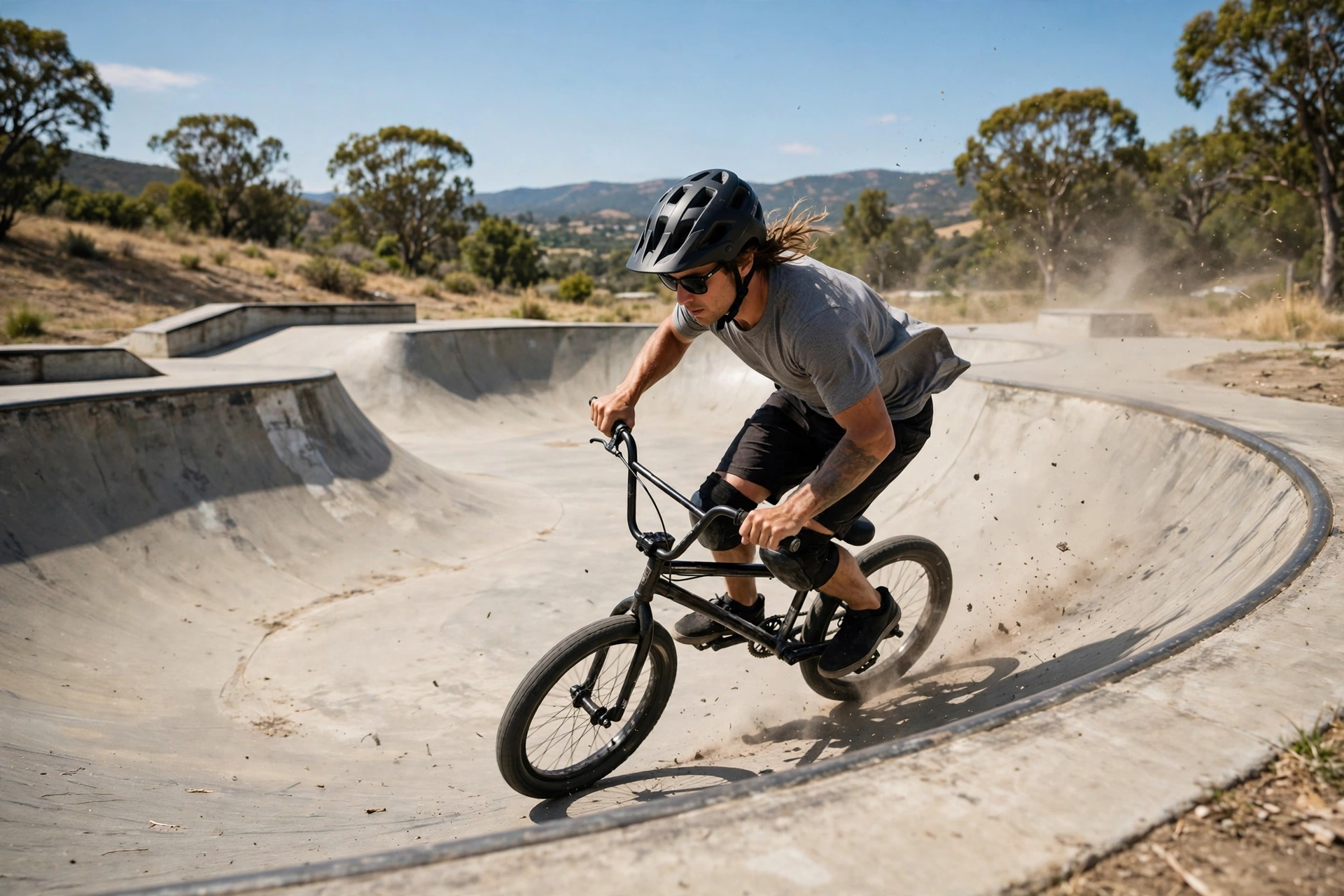
Park sessions are where ventilation earns its keep. A typical session involves repeated runs, climbing or pushing back to the start, and waiting in the sun between turns — all in a concrete bowl that radiates heat. You are working hard in bursts, then standing in the sun, which is a recipe for a sweaty head.
In that setting, a well-ventilated helmet makes a real difference. It keeps sweat out of your eyes, reduces the clammy feeling that builds up under a hot helmet, and helps you stay focused on the next run instead of on your discomfort. Riders who have switched from a poorly vented helmet to a well-vented one often notice the difference within a single session.
Vents matter less on short, cool-weather rides, where any decent helmet will do. But most park riding happens in warm weather and lasts hours, not minutes, so ventilation is worth weighing seriously if the park is your main scene. If you ride in winter, the same vents can feel cold — a thin skull cap under the helmet is a simple fix that many riders use.
Does More Ventilation Mean Less Protection?
This is the question riders worry about most, and the honest answer is: it depends on the helmet, not just the vent count. A helmet with large vents still has to meet the same safety standards as one with small vents, and makers design the foam structure around the vent layout. A well-designed ventilated helmet is not automatically weaker than a solid one.
That said, there is a real trade-off at the extremes. A helmet that is mostly holes has less shell and foam in some areas, and a helmet with a fully closed shell has maximum material coverage. In general terms, the difference between a sensibly vented helmet and a poorly vented one is small, while the comfort difference is large. Chasing the absolute maximum number of vents is not necessary; choosing a helmet with good, well-channelled airflow is.
Coverage matters too. A freestyle helmet that sits low over the back of your head may have fewer vents precisely because it prioritises coverage there. If your falls tend to be backwards, that coverage may matter more than a few extra vents. The goal is a balance that suits your riding, not a single number to maximise.
What Should You Look for in a Ventilated BMX Helmet?
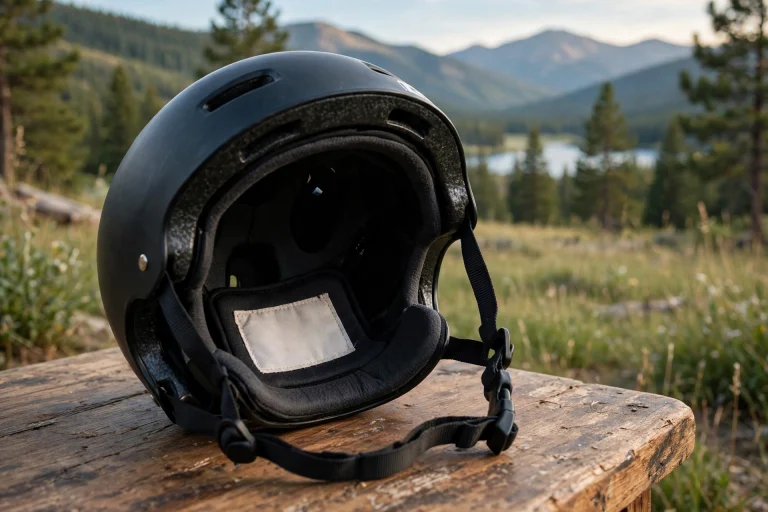
Start by looking at vent placement, not just vent count. Front vents that sit where air actually hits them while you ride, and rear exhaust vents that let warm air escape, matter more than decorative holes on top. Internal channels, which you can often see by looking inside the helmet, show whether air has a path across your head or just enters and stops.
Padding is the second thing to check. Removable, washable, moisture-wicking padding keeps airflow working and makes the helmet far more pleasant after sweaty sessions. Padding that soaks up sweat and stays damp will make even a well-vented helmet feel clammy over time.
Finally, try the helmet in conditions close to real riding if you can. A helmet that feels airy standing in a shop may feel different after twenty minutes of riding. If you are comparing helmets, it is also worth learning about other features that affect comfort and safety, such as what MIPS is for helmets, so you can judge the whole helmet rather than vents alone.
How Can You Stay Cool in a Helmet During Summer Sessions?
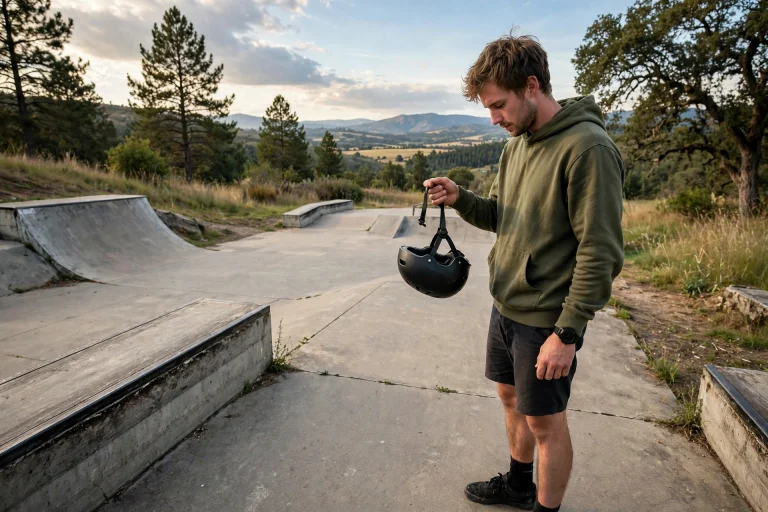
Even the best-ventilated helmet benefits from a few simple habits. Riding earlier or later in the day, when the sun is lower, cuts heat dramatically. Taking your helmet off between runs, rather than wearing it while standing in the sun, lets both your head and the helmet cool down. And keeping your helmet out of direct sun when you are not wearing it stops it from starting each run already hot.
Hydration matters too, though it is easy to forget in the middle of a session. A cooler head helps, but a hydrated rider thinks clearer and rides better. Keep water handy, drink between runs, and treat dizziness or heavy overheating as a signal to stop and rest in the shade.
Cleaning also helps ventilation work. Sweat, dust, and grime can clog vents and padding over time, reducing airflow. A regular wipe-down and a wash of removable pads keeps the vents doing their job. A helmet that is looked after will ventilate better, smell better, and last longer.
Frequently Asked Questions
Q: Do vents make a BMX helmet less safe?
A: Not in general terms. A ventilated helmet must still meet the same safety standards, and makers design the foam around the vent layout. Very large vents can mean less material in spots, but a sensibly vented helmet is not meaningfully weaker than a closed one.
Q: How many vents should a BMX helmet have?
A: There is no magic number. Vent placement and internal air channels matter more than the count. Look for front intake vents, rear exhaust vents, and channels inside the helmet that guide air across your head.
Q: Can I improve ventilation in a helmet I already own?
A: Partly. Washing removable pads, clearing dust from vents, and wearing a thin moisture-wicking cap underneath can all help. But you cannot add vents to a helmet without damaging it, so if airflow is poor, a new helmet is the real fix.

Olivia
Writer at Helmet Today, covering helmet reviews, fit and riding safety.