A lighter BMX helmet helps mainly with comfort and reduced neck fatigue over long sessions — it does not automatically make you faster or safer. In general terms, the weight difference between BMX helmets is small compared to the difference between a helmet that fits well and one that does not, so weight should be a secondary consideration, not the first one.
Helmet weight is easy to obsess over because it is a single number you can compare. But for most BMX riding, the practical effect of a few dozen grams is modest, while fit, coverage, and ventilation affect every minute of every session. This guide puts helmet weight in perspective so you can judge it sensibly.
How Much Do BMX Helmets Actually Weigh?
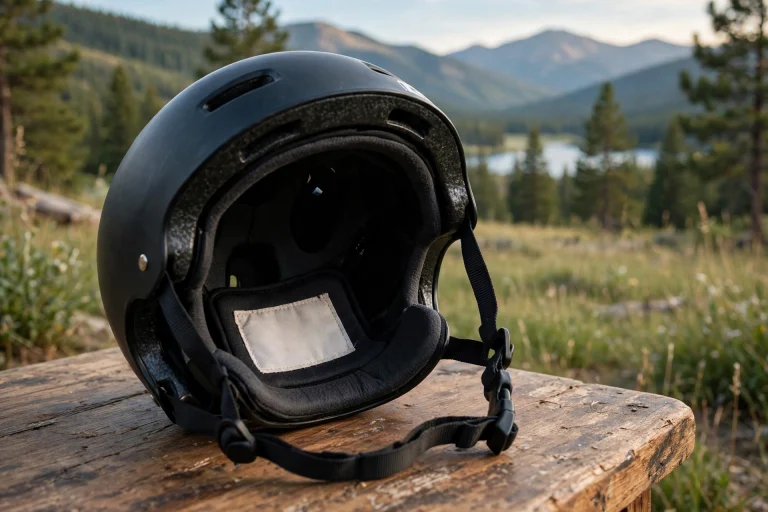
Most BMX freestyle helmets weigh somewhere in the region of a few hundred grams — light enough to forget on a short ride, noticeable after hours of riding. Racing helmets tend to be lighter, full face helmets heavier, and the spread between the lightest and heaviest BMX helmets is usually far smaller than the weight of the bike itself.
That context matters. A rider and bike together weigh many kilograms, so saving a small amount on a helmet changes the total by a tiny fraction. For racing, where fractions of a second count, that fraction can matter. For street, park, or flatland riding, it rarely decides anything.
Weight also varies with size. A large helmet weighs more than a small one of the same model, because there is simply more of it. Comparing weights across sizes, or across helmet types, without noting size is misleading. If weight matters to you, compare helmets in your size.
Does a Lighter Helmet Help With Neck Fatigue?
Yes, this is where lighter helmets genuinely help. Your neck supports your helmet all session, and over hours of riding, a heavier helmet adds up to real fatigue. Riders who notice neck ache after long park or street sessions may find a lighter helmet more comfortable, especially if they also wear a full face helmet, which is heavier by design.
Fatigue matters beyond comfort. A tired neck makes it harder to hold your head up and look around, which affects awareness and reaction time. For riders who session for hours, or who are younger or smaller and feel helmet weight more, a lighter helmet can be a meaningful comfort upgrade.
That said, neck fatigue has other causes too: poor posture, a helmet that fits badly and needs constant adjustment, and simply riding for a very long time. A lighter helmet helps with one cause, not all of them. If neck ache is a regular problem, check fit first, then weight.
Does a Lighter Helmet Make You Faster?
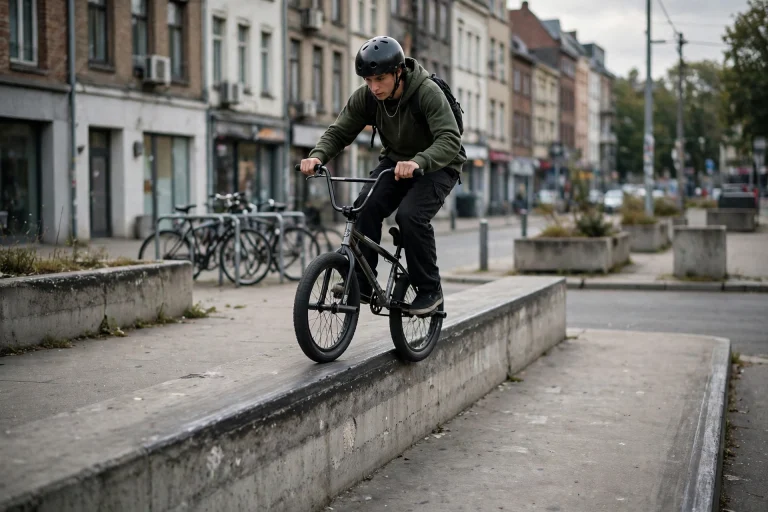
For most BMX riding, no, not in any way you would notice. Street, park, and flatland riding are decided by skill, timing, and confidence, not by grams on your head. A lighter helmet will not make your tricks better or your lines faster.
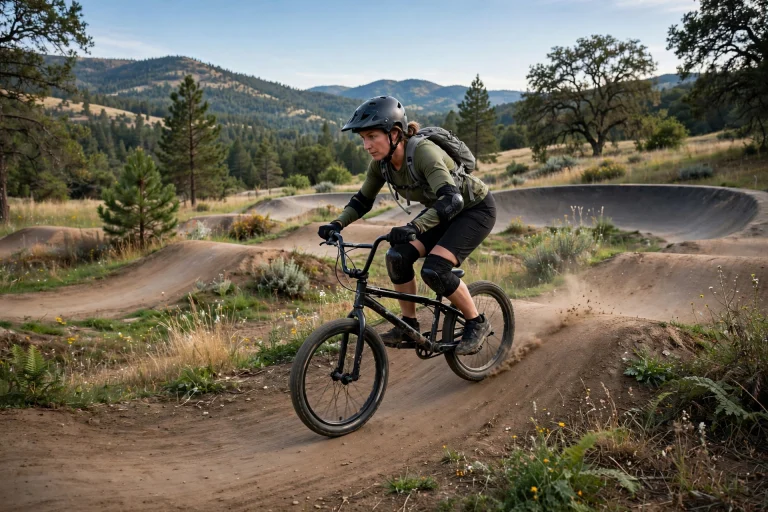
Racing is the exception, and even there the effect is small. A lighter helmet helps a racer sprint and pump marginally more efficiently, and at elite level, marginal gains are taken seriously. But for a casual racer, fitness, gate technique, and track craft matter far more than helmet weight.
The more honest performance benefit of a lighter helmet is comfort: a helmet you forget you are wearing lets you focus on riding. That focus is worth more than any weight saving on paper. A light helmet that fits badly will distract you more than a heavier helmet that fits perfectly.
What Do You Give Up for a Lighter Helmet?
Lighter helmets usually achieve their weight by using less material, thinner shells, or more ventilation holes. In general terms, that can mean less coverage, less durability, or both. A very light helmet may be less able to survive being dropped repeatedly, which matters for a street or park helmet that lives a rough life.
Ventilation is often part of the trade too, but in a good way: more vents can mean both lighter weight and better airflow. The trade becomes a problem only when vents are so large or numerous that coverage suffers. A well-designed light helmet balances these factors; a helmet that is light simply because it is thin may not.
Price is another trade. Very light helmets often cost more, because making a helmet both light and strong takes more advanced materials and construction. Paying more for lightness is reasonable if you value it, but it is worth asking whether the money would be better spent on fit, or on a second helmet for a different discipline. Understanding the features you are paying for helps — see what MIPS is for helmets for one example.
How Should You Judge Helmet Weight When Buying?
Use weight as a tie-breaker, not a starting point. First, shortlist helmets that fit well, cover the areas you need, meet a recognised safety standard, and ventilate well enough for your riding. Then, among those, prefer the lighter one if you ride long sessions or notice neck fatigue.
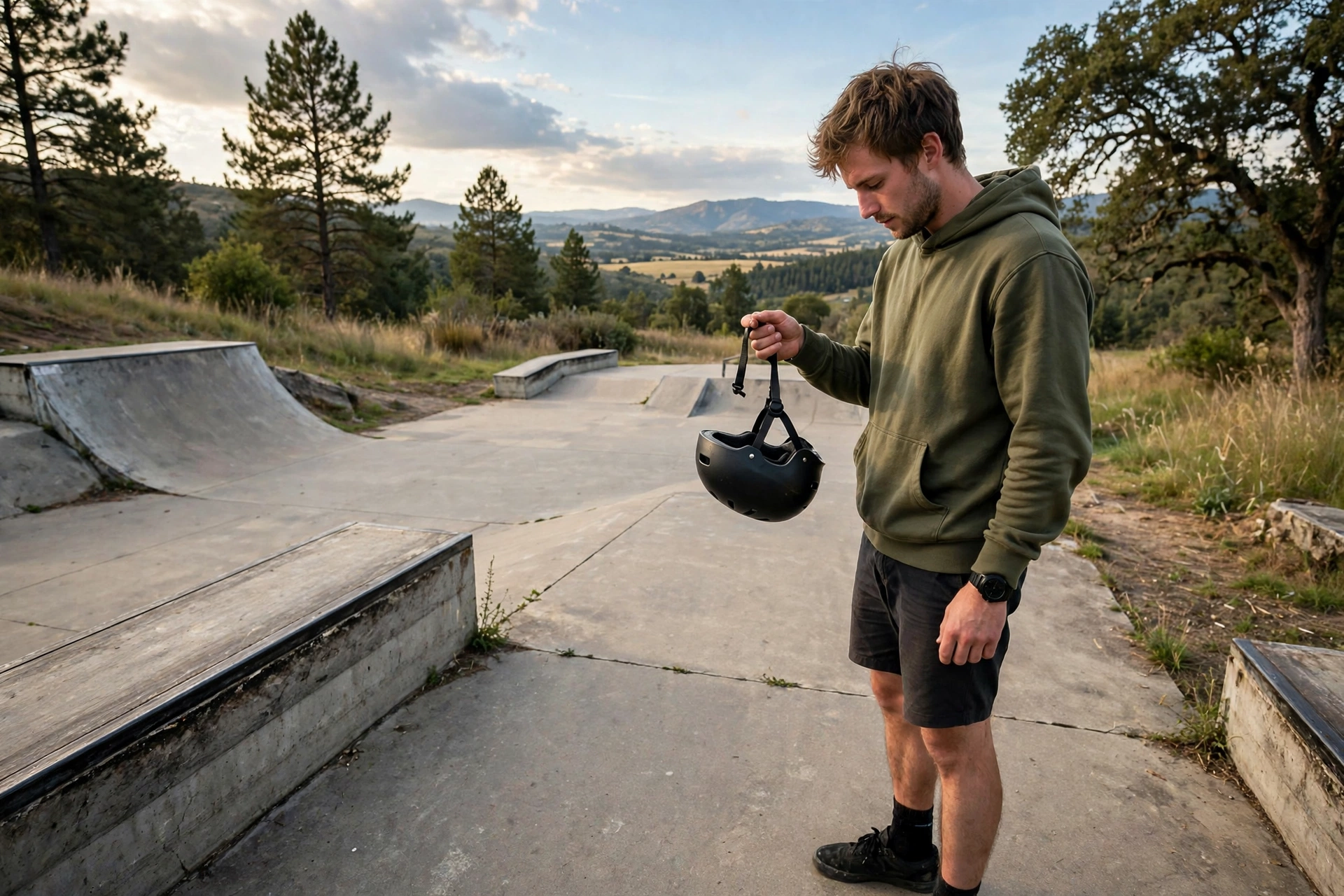
Try helmets on rather than judging by numbers alone. A helmet’s weight distribution matters as much as its total weight: a helmet that balances well on your head feels lighter than one that pulls forward or backward, even at the same weight. Only wearing it tells you that.
Finally, remember that the best helmet is the one you wear. A slightly heavier helmet that fits perfectly and feels secure will protect you better in practice than a featherweight helmet you keep adjusting or taking off. Weight matters, but it is one factor among several, and rarely the most important one.
Frequently Asked Questions
Q: What is a good weight for a BMX helmet?
A: There is no single ideal weight. Most freestyle helmets sit in a comfortable middle range; lighter is nicer for long sessions, but fit and coverage matter more than hitting a specific number.
Q: Are heavier helmets safer than lighter helmets?
A: Not necessarily. Safety depends on design, materials, and certification, not weight alone. A well-designed light helmet that meets a recognised standard can protect as well as a heavier one.
Q: Does helmet weight matter for kids riding BMX?
A: Yes, more than for adults. Children have smaller, weaker neck muscles relative to head size, so a lighter helmet that fits well is more comfortable and more likely to be worn happily.

Olivia
Writer at Helmet Today, covering helmet reviews, fit and riding safety.