In general terms, there is very little difference between a longboard helmet and a skateboard helmet, because most riders use the same skate-style helmet for both. The real differences show up in how you ride: longboarders often go faster and further, so they sometimes need more coverage or ventilation than a rider doing tricks at a skate park.
If you are choosing your first helmet, or wondering whether your skate helmet is good enough for your longboard, the short answer is reassuring. A well-fitting skate helmet covers the needs of most longboarders. The details below explain where the two uses overlap, where they diverge, and when it is worth upgrading.
Are Longboard and Skateboard Helmets Actually Different Products?
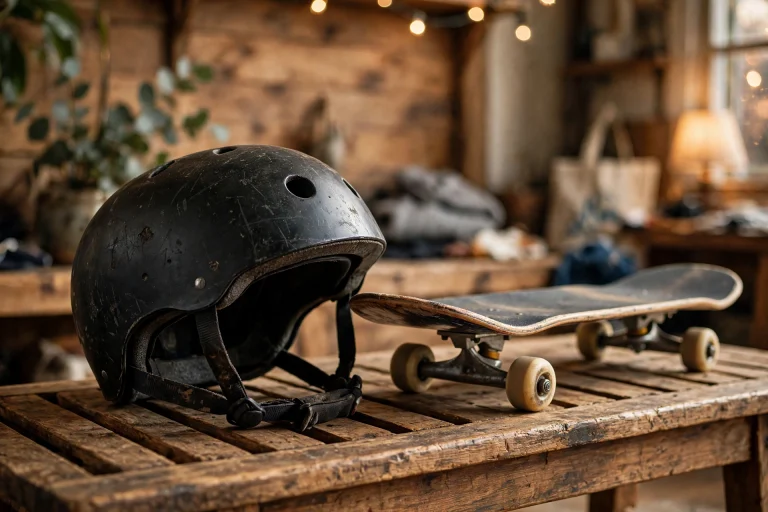
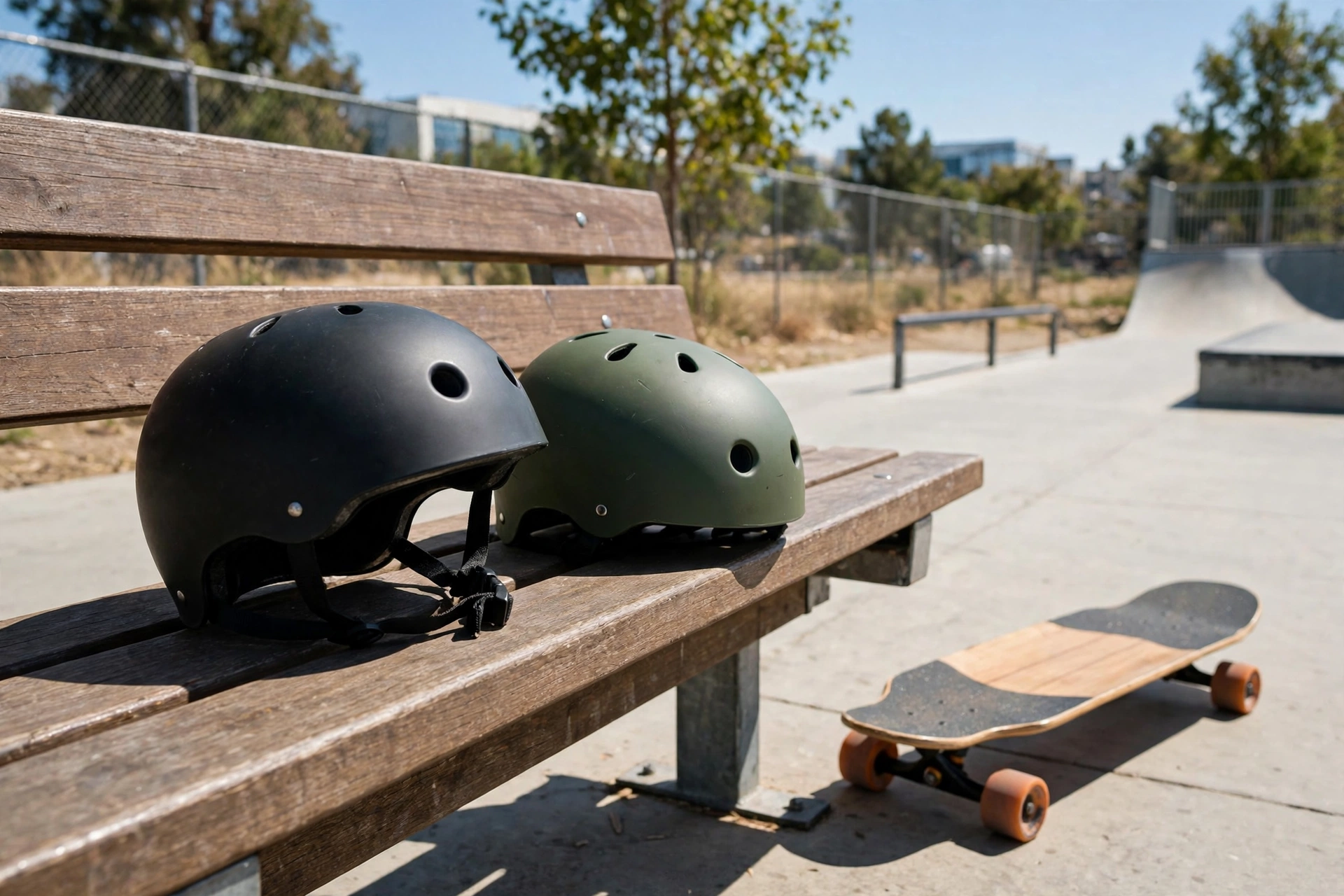
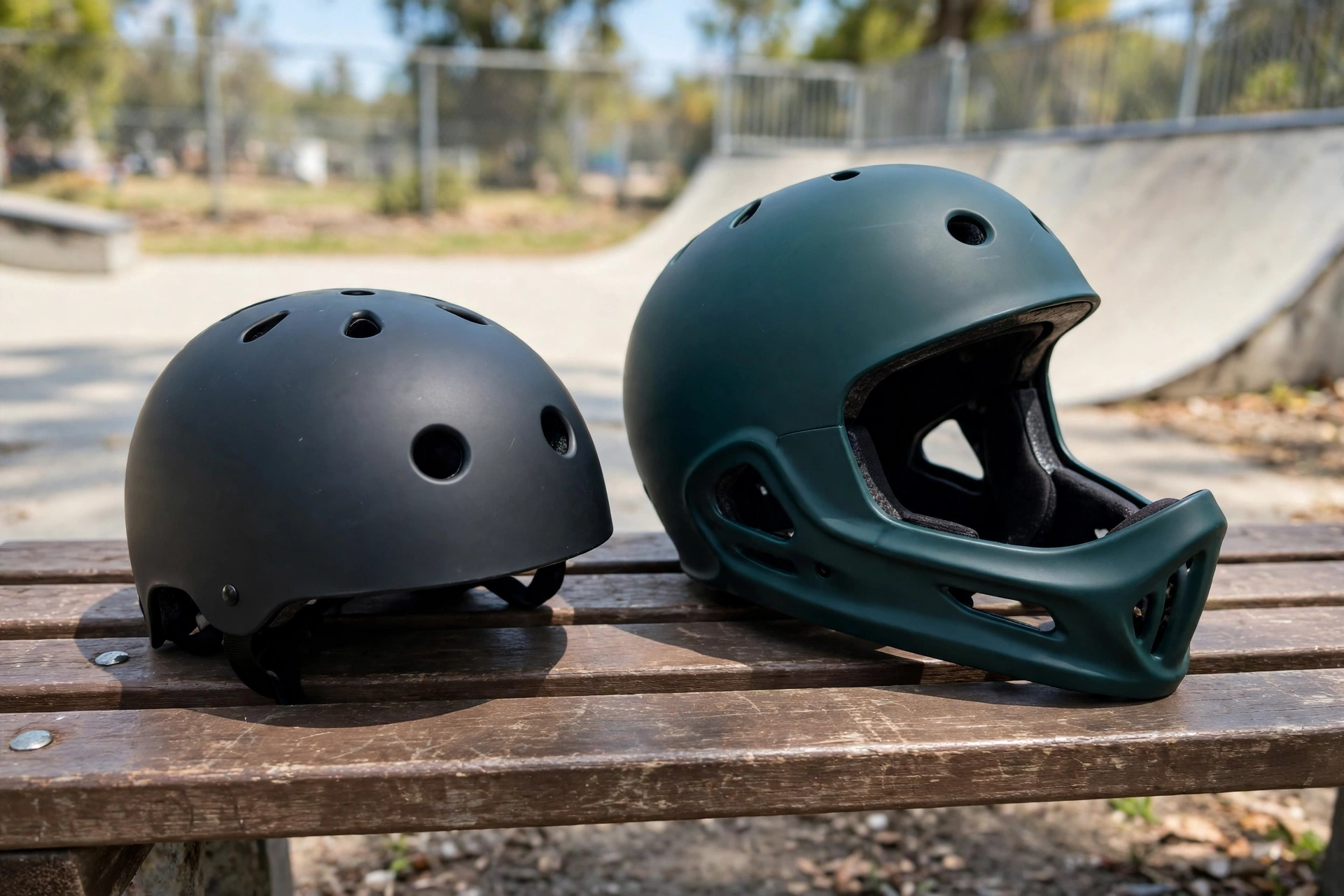
Most of the time, no. Helmet makers do not usually sell a separate “longboard helmet” and “skateboard helmet” as distinct product lines. What you find in shops is a skate-style helmet: a hard outer shell, an energy-absorbing foam liner, a low cut that covers the back and sides of the head, and a chin strap. Riders of both boards buy the same helmets.
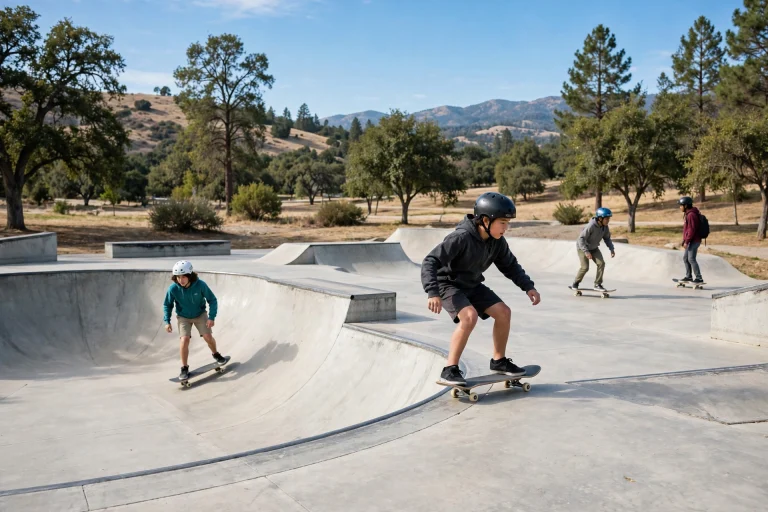
The confusion comes from riding style rather than from the helmet itself. A street skater spends short bursts at a park, falling often but usually at low speed. A longboarder may cruise for miles, carve down hills, and reach higher speeds on open roads. The helmet is the same, but the demands placed on it are different, and that shapes which features matter most.
There is one genuine split: downhill longboarding. Riders who race or ride steep hills at high speed often wear full-face helmets, similar to those used in downhill mountain biking. Street skaters rarely need that level of coverage, so full-face helmets are really a longboarding specialism rather than a general skate helmet feature.
What Does a Skate-Style Helmet Protect Against?
A skate-style helmet is designed for the kind of falls board riders actually have: slipping sideways, losing balance, or being thrown when the board stops suddenly. The hard shell spreads the force of an impact, and the foam liner crushes to absorb energy before it reaches your head. The low cut matters here, because falls on a board often involve hitting the back or side of the head.
Many skate helmets are certified for multiple smaller impacts, which suits a sport where you fall often. That is different from a typical road cycling helmet, which is designed around a single major impact. In practice, though, any skate helmet should still be replaced after a hard crash, because damage to the foam is not always visible from the outside.
Ventilation and weight are the everyday trade-offs. Skate helmets have fewer vents than road cycling helmets, which makes them warmer on long rides but also gives them a solid shell that handles repeated knocks well. For a park session this is fine. For a long summer cruise, it is worth looking for a model with better airflow.
When Does a Longboarder Need Something Different?
Speed is the deciding factor. If your longboarding means gentle cruising, commuting on flat paths, or carving at relaxed speeds, a standard skate helmet is enough. If you regularly ride hills where you pick up real speed, the case for a full-face helmet gets stronger, because a high-speed fall can involve your chin and jaw as well as the top of your head.
Distance matters too. A longboard commute or a weekend cruise can last an hour or more, so comfort becomes a safety feature in its own right: a hot, heavy, or poorly ventilated helmet is one you will be tempted to leave at home. Look for good vent placement, a comfortable liner, and a weight you barely notice after twenty minutes.
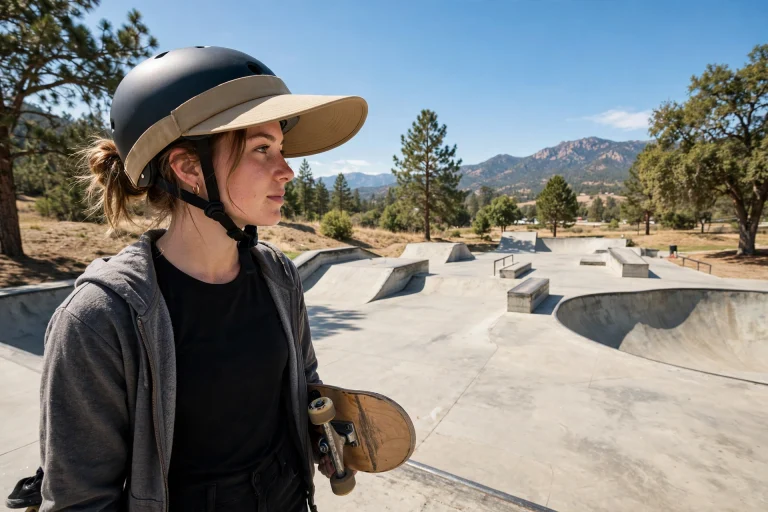
Road riding adds another consideration. Longboarders who share roads with cars benefit from a helmet in a bright colour, and from a fit that stays stable when you look over your shoulder for traffic. A helmet that wobbles when you turn your head is a distraction you do not need in traffic.
Can One Helmet Cover Both Sports?
Yes, for most riders. If you skate at the park on weekends and cruise on a longboard during the week, a single well-fitting skate helmet serves both. Choose a size and model that feels comfortable for longer sessions, since a helmet that is fine for an hour at the park might feel heavy on a two-hour cruise.
Certification is worth a quick check. Some skate helmets carry only a skate certification, while others are dual-certified for cycling as well. A dual-certified helmet is a practical choice if you also ride a bike, and it generally signals a helmet tested to a broader set of impact conditions. Either way, the fit and condition of the helmet matter more than the label alone.
One useful habit is learning what MIPS for helmets means before you buy, since some skate-style helmets now include this low-friction layer. It is designed to reduce rotational forces in certain angled impacts, which are common when a rider falls and slides along the ground.
How Do You Choose If You Ride Both?
Start by being honest about your fastest riding, not your average riding. If your longboarding never goes beyond a relaxed cruise, buy the skate helmet that fits best and feels most comfortable. If you ride hills or plan to try downhill, budget for a full-face helmet as well, and keep the half-shell helmet for park sessions and slow cruising.
Try helmets on with the straps adjusted, not just perched on your head. Shake your head, look over your shoulder, and wear it for a few minutes in the shop if you can. A helmet that fits well disappears; one that does not will annoy you on every ride, and an annoying helmet is one that gets left behind.
Finally, keep the helmet in good condition. Store it out of direct sun and away from heat, check the straps and padding regularly, and replace it after a hard impact. A single helmet that you actually wear on every ride protects you far better than two perfect helmets sitting on a shelf.
Frequently Asked Questions
Q: Can I use my skateboard helmet for longboarding?
A: Yes, in general terms a skateboard helmet is the standard choice for longboarding too, especially for cruising and carving. Only fast downhill riding usually calls for a different, full-face helmet.
Q: Is a longboard helmet the same as a bike helmet?
A: Not quite. Bike helmets usually have more vents and a higher cut at the back, while skate helmets sit lower and are built for repeated smaller knocks. Dual-certified models bridge the gap if you ride both.
Q: Do I need a full-face helmet for longboarding?
A: Only if you ride steep hills at speed or practise downhill. For commuting, cruising, and carving, a well-fitting half-shell skate helmet is the usual and sensible choice.

Olivia
Writer at Helmet Today, covering helmet reviews, fit and riding safety.